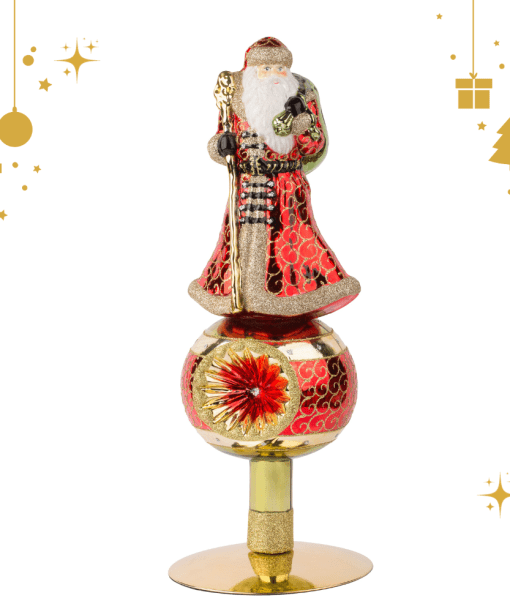
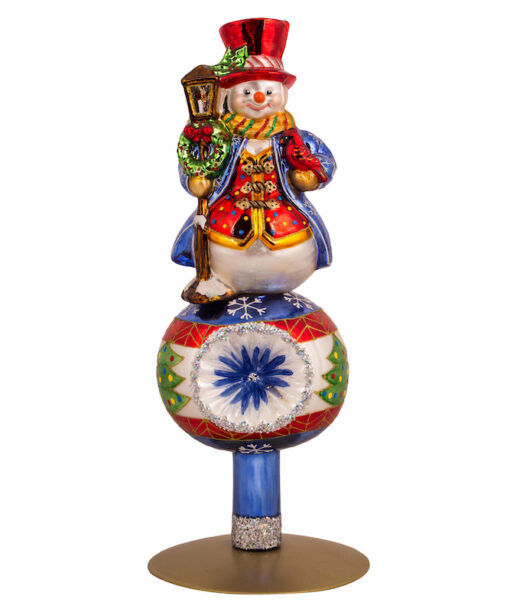
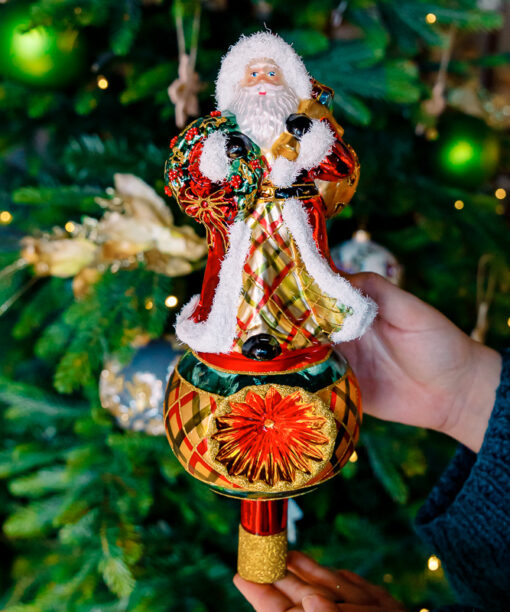
Christmas tree toppers hold centuries of history and symbolism. These ornaments crown the tree, offering a final character. Glass spires, gilded stars, and angels each carry deeper meaning. They express faith, local tradition, and artisan mastery. Discover the rich history of this significant decoration.
For centuries, the treetop has drawn the eye and focused the attention of the entire family. Christmas tree ornaments come in many forms, but none is as significant as the tree topper, which crowns the tree and gives it its final character. Whether it’s a glass spire, a gilded star, or a delicate angel, each of these forms carries a deeper history and symbolism?
The tree topper is not just an ordinary decoration. For centuries, it has been an expression of faith, local tradition, and the mastery of artisans who created it by hand from natural materials. Every detail, from its shape to its finish, reflects the era and culture in which it was made. Understanding the history of the topper allows one to look at the Christmas tree in a completely different way.
The Christmas Tree Topper: The History of an Ornament from the 16th Century to Today
The history of the tree topper is closely intertwined with the history of the Christmas tree itself. The custom of decorating the tree originated in 16th-century Germany and gradually spread throughout Europe. Even then, elements of religious significance were placed at the top of the tree, giving this spot a special status.
From Religious Decor to Secular Tree Crown
In the early 17th century in Germany, angel figurines began to appear at the top of Christmas trees. They were made from straw, wood shavings, and linen, with their wings fashioned from tied grain or natural fibers. These were simple forms, but deeply rooted in the piety and rural lifestyle of that era.
Over time, the religious character of the topper gave way to ornamentation. Artisans began to use glass and metal, creating more elaborate forms. Glass spires in the shape of spirals or cones replaced the modest figurines. This change reflected the growing prosperity of the middle class and the desire to create more beautiful festive interiors.
The secularization of Christmas in the 19th century accelerated the move away from purely religious forms. The topper became an aesthetic element, though it never lost its symbolic weight.
How the Christmas Tree and its Topper Arrived in Polish Homes in the 19th Century
The custom of decorating Christmas trees reached Polish lands in the 19th century, primarily through German and Austrian influences. The middle class in large cities adopted this custom earlier than rural areas, where older forms of decoration, such as the podłaźniczka, persisted for a long time.
Christmas tree toppers were imported into Polish homes mainly from Germany, especially from the Thuringia region. Glassblowers from the town of Lauscha had been producing glass Christmas tree ornaments on an industrial scale there since the 1840s. Polish craftsmanship gradually adopted these techniques, developing its own tradition of festive decoration.
The Star of Bethlehem and the Angel as Original Topper Designs
Two motifs dominated the history of Christmas tree toppers: the star and the angel. The Star of Bethlehem symbolized the star that led the Three Wise Men to the stable. Placing it at the top of the tree was meant to ensure a safe return home for the household.
The angel, in turn, played the role of a celestial guardian. The first glass angels appeared in Lauscha between 1870 and 1890. They had hand-painted faces, transparent bodies, and wings covered in glitter or artificial snow. Their delicacy and detailed craftsmanship made them a symbol of the artistic craft of that era.
What Materials and Techniques Create Artistic Christmas Tree Toppers
Artistic craftsmanship in creating Christmas tree toppers is a field that combines technical knowledge with aesthetic sensitivity. The choice of material determines both the appearance and durability of the ornament. Craftsmen have perfected their working methods over centuries, and each technique has its unique character and visual effect.
Materials used for making Christmas tree toppers:
- Hand-blown glass
- Carved and turned wood
- Molded and fired ceramics
- Embossed and gilded metal
- Fabrics and natural fibers
The variety of materials allows for the creation of toppers to suit any arrangement style, from traditional to modern. Choosing the right raw material is the starting point for every craftsman.
Blown Glass Toppers: Furnace Technique and Properties
Glass Christmas tree toppers are made using the manual glass blowing method, known as the furnace technique. Glass tubes are heated over special burners until the material becomes pliable. The craftsman shapes it by blowing and manual modeling, which requires years of practice.
After shaping, the interior of the ornament is coated with silver nitrate. This process gives the glass a characteristic, mirror-like shine. The exterior surface is then painted and decorated. The result is a lightweight yet durable ornament with a unique appearance.
Glass toppers have a high ability to reflect light, making them shine like jewels. Each piece is created individually, and minor differences in shape or painting are proof of handwork, not production defects.
Hand-Carved Wooden and Ceramic Toppers
Wooden toppers are one of the oldest forms of decorating the top of a Christmas tree. Craftsmen carve them by hand or turn them on a lathe. Linden, birch, or pine wood are most commonly used, as they readily accept paints and varnishes. Finished toppers are coated with acrylic paints or natural dyes, giving them a rustic beauty.
Ceramic Christmas tree toppers, on the other hand, require molding ceramic mass, drying, and firing in a kiln at high temperatures. After firing, the ornament is glazed and painted. Ceramics are heavier than glass but resistant to mechanical damage.
Stages of creating a ceramic topper:
- Shaping the form from ceramic mass
- Drying for 24 to 48 hours
- First firing in the kiln
- Applying glaze
- Second firing and decoration
Both wood and ceramics allow for the creation of toppers with a unique character. Craftsmen often combine these materials with metal details or natural embellishments. The results are similar to folk decorative art.
Gilding, Glitter Embellishment, and Painting in Traditional Craftsmanship
Decorating Christmas tree toppers is the stage that determines the final artistic expression of the ornament. Gilding involves applying gold leaf or gold paint to the surface of the topper. This technique originates from medieval goldsmithing and was used in decorating religious objects.
Glitter, which is finely ground metallic dust, is applied over layers of glue or varnish. The effect is immediate, shiny, and highly decorative. Hand painting, on the other hand, allows for the creation of complex designs, from geometric ornaments to floral motifs.
Traditional painting on holiday ornaments requires precision and patience. Each design is applied in multiple stages. First, the background is laid down, followed by the main elements of the design, and finally, delicate details and outlines. Such ornaments retain their appearance for many seasons.
LED Toppers and Modern Materials vs. Traditional Execution
Modern Christmas tree toppers combine classic forms with LED lighting technology. LEDs embedded in finials or stars create a continuous lighting effect without the risk of overheating. They are safe and energy-efficient, making them a practical choice for many homes.
Synthetic materials, such as acrylic or plastics, allow for the replication of glass or metal appearances at a lower production cost. However, handmade glass toppers retain an aesthetic advantage and collector’s value.
The table below shows the differences between traditional and modern toppers:
| Feature |
Traditional Topper (Glass, Wood) |
Modern Topper (Acrylic, LED) |
| Material |
Blown glass, wood, ceramic |
Acrylic, plastic |
| Craftsmanship |
Handmade, artistic |
Machine or semi-machine made |
| Durability |
Fragile, but long-lasting |
Drop-resistant |
| Lighting |
None or traditional candle |
Built-in LED |
| Artistic Value |
High, collectible |
Decorative |
Each approach has its place in the modern home. Traditional toppers bring a depth of history and artistic craftsmanship. Modern forms cater to the needs of comfort and safety.
Types of Christmas Tree Toppers and Their Symbolism in Polish Tradition
Types of Christmas tree toppers in Poland reflect both religious influences and aesthetic changes over the decades. Each form, from a spire to an angel, has its own meaning and history. The choice of ornament for the top of the Christmas tree can be a deeply personal decision, rooted in family tradition.
The Christmas Tree Spire as a Symbol of Perfection and Order
The Christmas tree spire is one of the most recognizable forms of a topper. Its shape imitates the ray of the Star of Bethlehem. The sharply pointed form symbolizes a direction towards heaven and the pursuit of perfection. Glass spires, especially those that were spirally turned, were popular in Poland from the end of the 19th century.
The spire gives the Christmas tree a distinct, slender silhouette. Its symmetry and precision are in line with the tradition of craftsmanship, where perfection of form was the highest value. Craftsmen from Lauscha were renowned for producing thin, elongated spires that were exported throughout Europe.
The Star for the Christmas Tree Topper and its Christmas Significance
The star placed on top of the Christmas tree directly refers to the Star of Bethlehem. According to the biblical account, it showed the way to the Three Wise Men heading to Jesus. This symbolism makes the star the most popular motif on top of Christmas trees worldwide.
Symbolism of the Star of Bethlehem on a Christmas Tree:
- It indicates direction and provides hope in the darkness of winter
- It reminds us of the biblical birth of Jesus
- It was meant to ensure a safe return home for lost travelers
- It symbolizes light conquering darkness
For centuries, Polish Christmas stars were made of wood, straw, metal, and glass. Each region had its own patterns and decorative traditions. Silesia was famous for its glass stars, and Podhale for its wooden ones, decorated with Highlander motifs.
When choosing a star for the top of the Christmas tree, it is best to match its size to the width of the tree’s crown so that it does not tip over or crush the branches. A classic proportion is a star with a diameter that is one-fifth of the crown’s width.
The Angel on Top of the Tree as an Element of Religious Symbolism
An angel on top of the Christmas tree symbolizes a heavenly messenger and guardian of the home. In Christian tradition, angels announced the birth of Jesus to the shepherds, making it a natural symbol of Christmas. Angel figurines on Christmas trees appeared in Germany in the early 17th century and quickly gained popularity throughout Europe.
Glass angels from Lauscha, mass-produced since the 1870s, found their way into Polish homes as imported decorations. They had painted faces, glass bodies, and wings decorated with shimmering powder. Over time, Polish craftsmen created their own versions, drawing on local sculptural traditions.
The angel is sometimes perceived as a more personal symbol than a star. Many treat it as an expression of a plea for protection for their family and home. This deep layer of meaning makes angel figurines passed down from generation to generation as cherished family treasures.
Tip: To ensure a glass angel lasts for years, store it in a separate box with soft compartments, away from other ornaments. Avoiding contact with sharp edges will extend its lifespan.
Hand-painted Christmas and Easter Ornaments from Bombkarnia Store
Artistic craftsmanship lives in every ornament that leaves the Bombkarnia workshop. Bombkarnia is a Polish manufacturer operating since 2006, creating glass baubles and Christmas decorations by hand, with attention to every detail. All ornaments are made by Polish visual artists, drawing inspiration from Polish folklore, folk fabrics, paper cutouts, and old regional costumes.
Inspiration also comes from Polish Baroque art and global decorative trends. Two collections are created each year: spring and winter, aligned with current color trends presented at international trade fairs.
Wide Selection of Ornaments for Every Occasion
The Bombkarnia store’s assortment includes ornaments for various seasons and occasions. The full offer can be browsed in the online store.
Main product groups:
Each ornament is created individually. Minor differences in painting and decoration are a natural characteristic of handmade items, not production flaws. It is this uniqueness that makes Bombkarnia ornaments treated as collector’s items.
Check products in Christmas tree toppers at Bombkarnia Shop
Quality Confirmed by Regular Customers
Many years of experience and a high standard of craftsmanship translate into customer loyalty. Bombkarnia customer reviews confirm fast shipping, careful packaging, and professional order processing.
Ornaments are shipped to customers from Poland and abroad. The store fulfills custom orders, including non-standard designs with personal patterns or dedicated inscriptions. This is a particularly valuable option for companies and institutions looking for original commemorative gifts.
For questions about orders and selecting ornaments, the contact department is helpful, where you can get detailed information. For those who prefer in-person shopping, there is a physical store where ornaments can be seen and touched before purchasing. Each visit is an opportunity to get a close look at the entire collection and choose the ornament that best suits a specific arrangement.
How to Choose a Tree Topper That Matches Your Holiday Decor
Choosing a tree topper is one of the most important decisions when decorating a Christmas tree. An improperly chosen topper can disrupt the proportions of the entire tree or not match the rest of the ornaments. Therefore, before purchasing, it is worth analyzing a few key issues regarding the style, size, and character of the arrangement.
Matching the Topper to the Style and Size of the Tree
The size of the topper must be proportional to the size of the tree. A topper that is too large will overwhelm the tree, while one that is too small will get lost in the branches. A practical rule is that the topper should not exceed one-sixth of the total height of the tree.
The style of the topper should harmonize with the other ornaments. A glass spire fits well with elegant arrangements featuring baubles in a single color scheme. A wooden angel or a ceramic star will fit better among natural ornaments made of wood, straw, and dried fruits.
The weight of the topper matters, especially for natural Christmas trees. An ornament that is too heavy can bend the tip of a branch or make the entire tree look crooked. Lightweight glass spires and plastic forms with LEDs are a safe choice for slender trees.
Classic, Rustic, and Modern Topper Styles
Christmas tree topper styles can be divided into three main trends, differing in material, aesthetics, and historical roots.
The classic style primarily features glass, gold, and symmetry. Glass spires, gilded stars, and angel figurines in white and gold fit perfectly into traditional Polish Christmas decorations. This trend harks back to the craftsmanship of the 19th and early 20th centuries.
The rustic style emphasizes naturalness. Wooden carved stars, ornaments made of straw, linen, and wood create a warm, homey atmosphere. Earth tones, browns, and beiges dominate this aesthetic. Rustic toppers pair wonderfully with arrangements featuring pinecones, cinnamon, and dried flowers.
The modern style is about geometry, metallics, and LED lighting. Toppers in the shape of three-dimensional stars, spirals, or minimalist pyramids suit trees decorated with monochromatic or muted-color ornaments. Built-in LEDs add a lighting effect without the need for additional lights.
Tip: When mixing styles, it’s best to choose one topper as the dominant element and select the rest of the ornaments to match it, rather than the other way around. The topper at the very top sets the tone for the entire decoration.
FAQ: Frequently Asked Questions
What is the difference between a tree topper and a poinsettia star for the top of the Christmas tree?
Tree toppers and poinsettia stars are two different forms of the same ornament, but they differ in both shape and symbolism. A topper has the form of an elongated cone or spiral and refers to the geometry of the tree’s needles. It emphasizes the slimness of the tree and gives it an elegant, classic look. It is most often made of blown glass, decorated with glitter or silvery paint.
The poinsettia star directly refers to the biblical story of Jesus’ birth. It symbolizes the heavenly light that guided the Three Wise Men to Bethlehem. Stars have a multi-pointed shape and can be made of metal, glass, or wood. Illuminated versions with LEDs create a magical glow effect. The choice between a topper and a star depends on the style of the entire Christmas arrangement.
How should a glass tree topper be stored properly to prevent damage?
Glass tree toppers require careful storage to last for many seasons. It is best to keep them in separate, soft boxes with compartments lined with cotton wool or tissue paper. Contact with other sharp ornaments can lead to scratches and cracks.
The topper should be wrapped in several layers of thin tissue paper or soft fabric before being put away. The box should be dry and stored away from extreme temperature changes. Moisture and frost can cause paint chips or glass cracks. When removing the topper from the box each year, check the condition of the mounting bracket and any seams.
What is the significance of an angel placed on top of the Christmas tree in Christmas tradition?
An angel on top of the Christmas tree symbolizes the heavenly messenger who, according to the Bible, announced the birth of Jesus to the shepherds in Bethlehem. Its presence at the top of the tree is a sign of protection for the home and family during the holiday season. The tradition of placing angels on Christmas trees dates back to 17th-century Germany, from where this custom spread throughout Europe.
Glass angel figurines from the glassmaking center in Lauscha, produced since the 1870s, had hand-painted faces and glitter-covered wings. They quickly became a symbol of the artistic craftsmanship of that era. An angel can be passed down from generation to generation as a family heirloom, giving it additional emotional value. Ceramic and wooden figurines to this day refer to the same symbolism, although they differ in material and form.
How to choose the right size topper for the size of the Christmas tree to maintain proper proportions?
Choosing a Christmas tree topper to match the size of the tree requires a few practical rules. The topper should not exceed one-sixth of the total height of the tree. An ornament that is too large disrupts the proportions and can bend the top branch, especially on a natural tree.
For Christmas trees up to 150 cm tall, toppers ranging from 15 to 20 cm are best. For taller trees, above 180 cm, toppers can measure from 25 to 35 cm. The width of the topper should harmonize with the spacing of the upper branches. Lightweight glass and LED toppers are a safe choice for slender trees, while heavier ceramic forms are better suited for wider, well-foliaged Christmas trees.
Summary
A Christmas tree topper is much more than just the crowning element of a tree. It carries centuries of tradition, religious symbolism, and artistic craftsmanship that has endured thanks to the passion of successive generations of creators. From simple straw angels from 17th-century Germany to hand-blown glass finials from Lauscha, the history of the topper reflects the changing tastes, beliefs, and technical capabilities of all of Europe.
A conscious choice of a Christmas tree ornament for the top of the tree becomes a gesture of respect for this tradition. Whether the choice falls on a classic glass finial, a wooden star, or an angel figurine, each of these forms tells its own story and brings something unique to the home.

 PL
PL