Easter interior design embraces naturalness and tranquility. Pastel colors blend with wood, wicker, and ceramics for a harmonious look. Simple principles guide arrangements, focusing on color, materials, and placement. Well-chosen color accents transform a room's character. Discover how spring shades build an Easter mood.
Easter is a time when interiors come to life along with nature outside the window. Easter interior design doesn’t have to be flashy or filled with plastic decorations. With a little ingenuity, every room will gain a fresh, spring character.
New trends bring a clear shift towards naturalness and tranquility. Fashionable Easter decorations combine the softness of pastel colors with the rawness of wood, wicker, and ceramics. Such a set creates a coherent, harmonious whole that does not overwhelm the space.
Regardless of the interior style, Easter arrangement is based on a few simple principles. The choice of color palette, the quality of materials used, and the skillful placement of decorations are important. The following sections guide you through each of these stages step by step.
How do color palettes and spring shades build an Easter mood in an interior?
Colors are the foundation of any arrangement. In the case of Easter decor, a good color palette can completely change the character of a room. You don’t need to paint walls or replace furniture; well-chosen color accents are enough.
Pastel colors and earth tones as a base for Easter arrangements
Calm, soft shades set the direction for modern Easter interior designs. Off-white, powder pink, light blue, and sage green create a base that fits various interior styles. Alongside pastel colors, warm earth tones are increasingly prominent, such as creamy beiges, caramel browns, and olive greens.
This combination works particularly well in spaces with wooden furniture and natural materials. The spring color palette refers to the awakening of nature and creates a calm, harmonious background. Sand-colored ceramics and linen textiles beautifully complement this base.
Comparison of popular Easter palettes:
| Arrangement Style |
Main Colors |
Complementary Materials |
| Scandinavian Minimalism |
Off-white, sage green |
Concrete, light wood, linen |
| Rustic |
Cream beige, caramel brown |
Wicker, wood, jute ropes |
| Modern Country |
Olive green, ecru |
Stoneware ceramic, thick linen |
| Boho |
Terracotta, powder pink |
Dried flowers, natural fibers |
A good color palette makes it easier to choose each subsequent decorative element. When colors are cohesive, even simple ornaments look impressive and thoughtful.
How to combine intense yellows and greens with subtle accents
Yellow and green are the most spring-like colors. They are often used in festive arrangements, but in a balanced way. Intense yellows work well as accents on a neutral background, for example, in the form of napkins, pillows, or candles.
Lime green or fresh grass green wonderfully enlivens the dining space. A few branches in a vase or a green table runner are enough to create an immediate effect. It’s important not to combine intense colors too literally, as the interior will quickly lose its elegance.
Subtle accents in ecru or off-white perfectly balance stronger colors. This combination looks natural and doesn’t overwhelm the eyes. The Easter color scheme then gains lightness and freshness.
Color of the Year and purple accents in modern Easter decor
For years, purple has been associated with Easter and remains an important element of festive arrangements. However, in a modern interpretation, it’s not bright purple, but rather muted lavender and plum. These shades pair well with beige and off-white.
Modern Easter decor increasingly incorporates subtle lavender accents. They work well on pillows, flowers in vases, or decorative candles.
Popular accent colors for Easter:
- Lavender and pale lilac
- Mint and sage green
- Peach pink
- Deep plum as a contrast
These colors work best in small quantities against a calm, neutral background. One or two distinct accents are enough to give the interior a festive character.
What Easter decorations work best in the living room and dining room?
The living room and dining room are spaces where families celebrate together. Easter decorations in these rooms must be both impressive and functional. Compositions built in layers with different textures and materials work best.
Easter arrangements made from natural materials: wood, wicker, and moss
A natural Easter arrangement is a classic that never goes out of style. Made from willow branches, moss, bark pieces, and hay, it references tradition while beautifully fitting into modern interiors. Wood, wicker, and moss together create a rustic, warm composition.
Such Easter arrangements look great on the dining table or on a sideboard in the living room. They can be enhanced with Easter eggs, dried flowers, or small ceramic figurines. The naturalness of the materials is important, as it gives the whole piece authenticity.
Ideas for natural Easter arrangements:
- Nest made of willow branches with Easter eggs and moss
- Wooden box filled with ornamental grass and ceramic eggs
- Wicker basket with pussy willow branches and dried flowers
- Composition of birch bark, pine cones, and tulips
Natural table arrangements are durable and can be stored for years to come. Simply replace the fresh pussy willow branches or flowers, and the decoration looks like new. This is one of the most eco-friendly ways to achieve a spring home decor.
Easter eggs and ceramic figures as decorations for tables and shelves
Easter eggs are a symbol of Easter that works in any arrangement. Ceramic eggs in muted colors or with a delicate pattern are perfect for modern interiors. They look elegant on shelves, in glass vases, or arranged in wicker baskets.
Ceramic figures of bunnies, chicks, or nests complement Easter table decorations. Opt for simple and minimalist forms that do not dominate the rest of the arrangement.
Easter ceramic decorations are distinguished by their durability and timeless appearance. The matte texture of stoneware ceramic harmonizes with linen, wood, and wicker. This combination creates a cohesive, stylish look.
Fresh flowers and pussy willow branches as main decorative elements
No Easter decoration element can compare to fresh flowers. Tulips, daffodils, hyacinths, and ranunculus are symbols of spring that instantly brighten up a space. Placed in ceramic vases or glass jars, they look natural and impressive.
Pussy willow branches, on the other hand, are a classic Easter decoration rooted in Polish tradition. Placed in a tall vase, they become an elegant focal point in the living room. They can be wrapped with jute string or decorated with small Easter eggs.
Fresh flowers quickly refresh any interior. Even a single bunch of tulips in a simple vase transforms the dining room into a spring-like and festive space.
Easter textiles: tablecloths, napkins, and pillows in a spring style
Changing textiles is one of the quickest ways to refresh an interior. A linen tablecloth in ecru or light green instantly gives the table a festive character. Napkins in pastel colors or with a checkered pattern perfectly complement the Easter table arrangement.
Pillows on the sofa are another area for creativity. Simply swap out a few pillowcases for ones in mint, lavender, or pink. Decorative textiles made of natural cotton or linen add a warm, cozy atmosphere to the interior.
Easter textiles for the living room and dining room:
- Linen tablecloth in ecru or off-white
- Napkins with a checkered or Easter pattern
- Pillow covers in pastel colors
- Runner made of natural cotton or jute
Textiles are easy to change and store, making them a practical element of seasonal decoration. Year after year, they can be combined in new arrangements without spending a lot of money.
Which interior design styles best suit Easter decor?
The interior design style dictates the direction of the entire Easter decoration. A minimalist living room is decorated differently than a warm, rustic living room. Holiday decorations should enhance the existing style, not compete with it.
Minimalism and Scandinavian Style in Easter Home Decor
Minimalist interiors require a calm approach to decoration. In the Scandinavian style, quality matters more than quantity, so a few carefully selected items make a bigger impression than a crowd of ornaments. A ceramic egg, a branch in a vase, and a linen tablecloth are a sufficient set.
The colors in Scandinavian Easter arrangements are white, gray, and delicate green. Natural materials, such as light wood and linen, form the basis of the decor. Ornaments should be simple in form and kept in a single, cohesive tone.
Minimalist Easter decoration also works well in small spaces. A limited number of elements does not overwhelm the interior. Each ornament is visible and has its meaning.
Boho and Rustic Style with Festive Accents from Natural Fabrics
Boho and rustic styles love textures, patterns, and natural materials. For Easter, these interiors benefit from the addition of dried flowers, woven baskets, and macrame. Warm colors of terracotta, brown, and powder pink create the atmosphere of a cozy, spring nest.
Rustic Easter decor is based on visible traces of nature. Rough ceramics, irregular shapes, and dry grasses give the space authenticity. The decorations look as if they were gathered during a walk in the forest.
In the boho style, garlands of dried citrus fruits, flowers, and leaves work wonderfully. Such a composition, instead of a regular centerpiece, will surprise guests and give the dining room an original character. A variety of textures is the key to a successful arrangement in this style.
In rustic and boho arrangements, it is worth opting for odd numbers of ornaments. Three or five elements in a composition look natural and dynamic.
Modern Country Style on the Easter Table with Stoneware and Linen
The “modern farmhouse” style combines simplicity with warmth. On the Easter table, stoneware plates in natural colors, linen napkins, and ceramic candle holders work well. The whole looks elegant, but without artificiality.
Modern Easter table decor focuses on combining raw ceramics with delicate flowers. A wildflower bouquet or eucalyptus branches in a simple vase beautifully complement the composition. Such an arrangement is timeless and works year after year.
Tip: Stoneware ceramics with a matte finish are a good substitute for classic porcelain. They match linen and wood better than glossy tableware.
Handmade Festive and Easter Ornaments from Bombkarnia
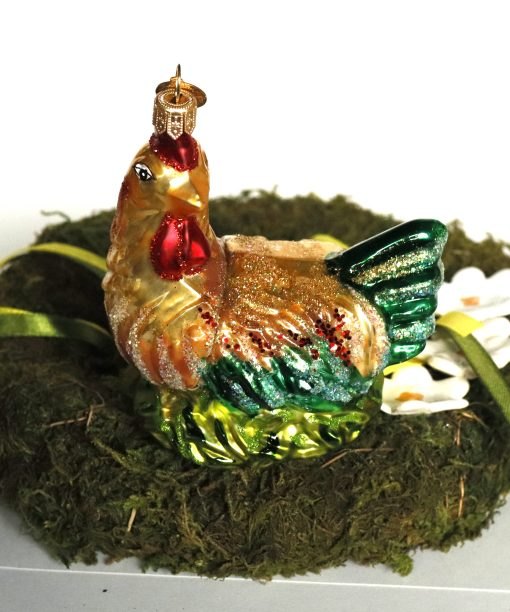
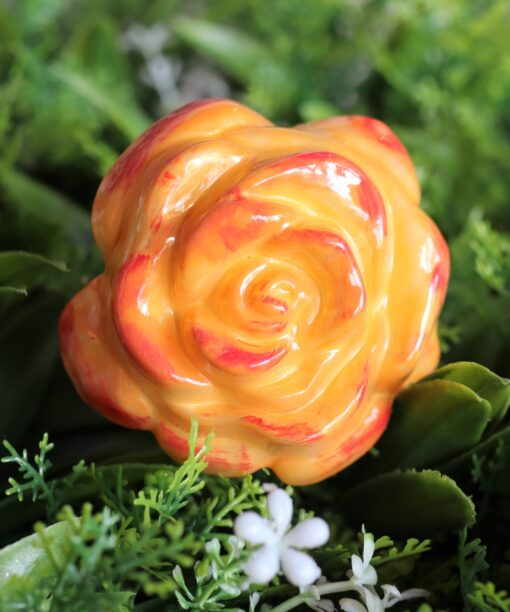
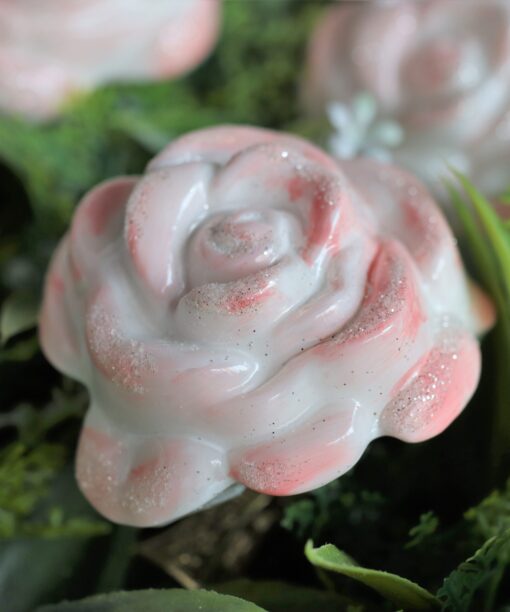
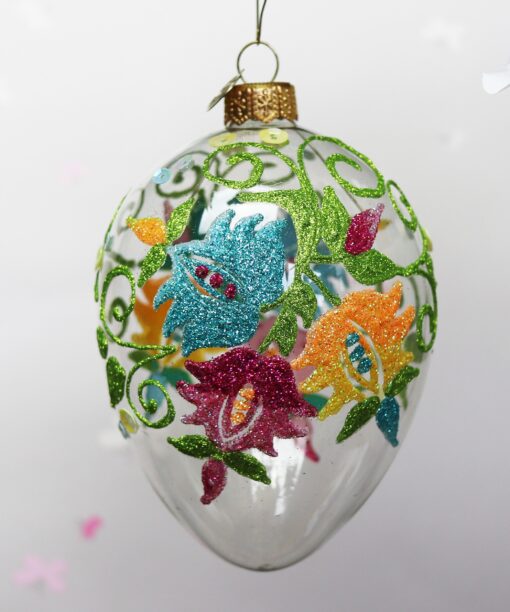
Bombkarnia is a Polish manufacturer operating on the market since 2006. All ornaments are handmade, created by Polish visual artists. They draw inspiration from folk art, fabric patterns, paper cutouts, and old regional costumes.
Collections are created twice a year. Each ornament bears the characteristics of unique handicraft, which mass production cannot replace.
Christmas Baubles and Wedding Decorations
The store’s assortment includes Christmas baubles in various designs inspired by Polish folklore and Baroque. Each one is hand-painted, ensuring no two are identical. Particularly noteworthy are the figurine baubles, which combine the function of a Christmas tree ornament with miniature sculpture.
Hand-painted Christmas decorations are available in various shapes and sizes. In addition to classic baubles, the offer also includes wedding baubles, serving as an original keepsake for a wedding anniversary or a unique gift for newlyweds. The hand-decoration of each piece makes such an ornament a true memento.
Popular Bauble Shapes at Bombkarnia:
- Baubles with floral and plant motifs
- Figurines of animals and characters in a folk style
- Decorations with patterns inspired by Polish Baroque
- Wedding baubles with personalization options
Each of the above forms is created with attention to detail. Visual artists hand-apply every decorative element, which translates into the unique character of the final product.
Easter Eggs and Spring Decorations
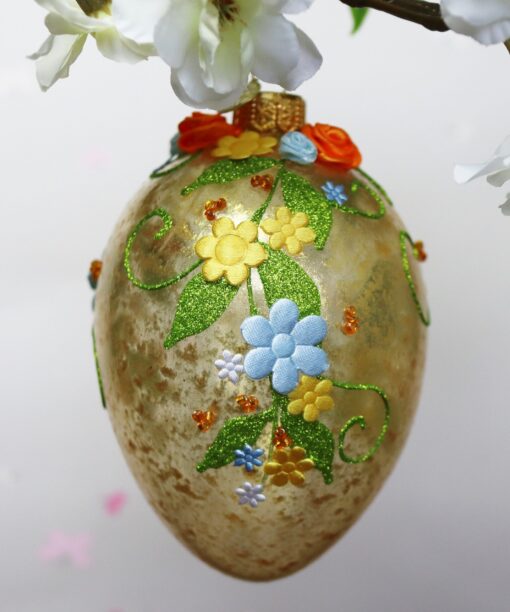
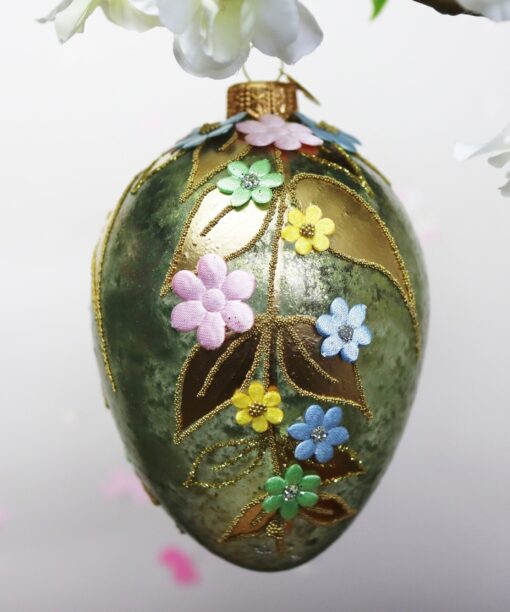
For Easter, the store prepares a rich offer of Easter decorations, among which hand-decorated Easter eggs reign supreme. Available are chicken, duck, and goose Easter eggs, decorated using techniques characteristic of various regions of Poland. Łowicz-style Easter eggs with colorful cutouts, Opole kraszanki with scratched ornaments, and Opoczno eggs painted with beeswax are just a part of the extensive collection.
Each Easter decoration from Bombkarnia looks beautiful on the holiday table, in an Easter basket, or as a standalone interior decoration. The variety of designs and decorative techniques ensures that everyone will find something for themselves.
Purchases are possible in the online store or directly at the physical store. Customers provide positive reviews about fast shipping and service, which confirms the high quality of the entire purchasing process.
When choosing the right ornament or ordering a custom design, you can always use our advisory services through the contact page. The Bombkarnia team will gladly answer your questions and help you select handmade Christmas decorations that are perfectly suited to your home decor.
Check products in Easter decorations at Bombkarnia Shop
How to Make DIY Easter Decorations Yourself Without Significant Investment?
Making Easter decorations yourself provides great satisfaction and allows for complete creative freedom. Many impressive decorations can be made from materials found at home or during a walk. No special tools or artistic skills are required.
Hand-Painted and Decorated Easter Eggs in a Modern Style
Hand-painted Easter eggs are one of the most beautiful Polish Easter traditions. In a modern interpretation, they are decorated with geometric patterns, minimalist lines, or abstract shapes. Natural ingredients such as onion skins, beets, or turmeric can be used for dyeing.
DIY Easter Eggs prepared with natural dyes are eco-friendly and have warm, earthy tones. Onion skins yield shades of gold and brown, beets produce pink and red, and turmeric gives an intense yellow. The overall look is cohesive and natural.
Natural Dyes for Easter Eggs:
- Onion skins: shades of gold and brown
- Beets: pink and red
- Turmeric: yellow
- Spinach: green
- Berries: purple and navy blue
After baking, the eggs can be decorated with beeswax, jute twine, or dried flowers. Such eggs look like small works of art and are a beautiful addition to the Easter table.
Wicker Nests and Wreaths as Simple DIY Easter Decorations
Wicker or willow branch nests are simple decorations that can be made in about fifteen minutes. To make a small nest, you only need a few flexible branches and some hay or moss. A finished nest with Easter eggs inside looks charming on a table or windowsill.
An Easter wreath for a door or table is another option for craft enthusiasts. The base can be made from woven wicker or twisted boxwood branches. It is then adorned with moss, dried flowers, ribbons, and small Easter eggs.
Simple Steps for Creating a DIY Nest:
- Gather a dozen or so flexible willow or hazel branches
- Weave them into a circular shape approximately 15 cm in diameter
- Fill the center with hay or natural moss
- Place Easter eggs or small ceramic eggs inside
- Decorate with dried flowers or a pussy willow branch
DIY decorations have the advantage of being unique. No two are exactly alike, which gives them a genuine, handmade character. It’s also a great activity for the whole family before the holidays.
Tip: A wreath made of willow branches becomes more durable when the branches are soaked in water for a few hours. They become flexible and easier to shape.
FAQ: Frequently Asked Questions
How to choose Easter decoration colors to match the interior style?
The choice of Easter decoration colors should be based on the existing color palette in the room. Scandinavian-style interiors are best complemented by muted pastels, off-white, and sage green. Modern interiors benefit from subtle accents in lavender or powder pink. Rustic style, in turn, perfectly accommodates warm shades of terracotta, beige, and brown.
The safest rule is that the spring color palette should create a harmonious whole with the furniture and walls. A maximum of two or three accent colors is sufficient. Too many colors at once make the arrangement lose its elegance and become chaotic.
Which natural materials work best for Easter decorations?
Natural decorative materials are most popular in Easter arrangements. Wood, wicker, moss, linen, and jute strings create a warm, authentic atmosphere. Stoneware ceramics with a matte finish perfectly complement such a combination.
Pussy willow branches, dried flowers, and fresh tulips bring natural freshness to the interior. Easter decorations made from natural materials are durable and can be used for several seasons. Simply refresh the living elements, and the entire composition will look new.
Natural materials are also more eco-friendly than plastic alternatives. Choosing wood, wicker, and linen aligns with the growing trend of conscious, sustainable decorating choices.
How to quickly and affordably transform an interior for Easter without replacing furniture?
The quickest way to achieve an Easter interior makeover is by changing textiles. New cushion covers in pastel colors, a linen tablecloth, and a spring-themed table runner will completely change the character of the room. The change takes literally a few minutes.
Placing fresh flowers in a vase and arranging a few ceramic Easter eggs on a shelf or table is equally effective. Easter decorative accents work best in pairs or trios. The principle of an odd number of ornaments makes the composition look natural and dynamic.
How long should Easter decorations remain in the home?
Easter decorations in the home traditionally remain throughout the Easter holiday period, i.e., from Easter Sunday through Easter Monday. Polish tradition does not set a strict end date, but most households put away decorations within one to two weeks after the holidays.
Decorations made from natural materials, such as dried flowers or wicker nests, can be stored much longer. Durable Easter decorations made of ceramics or wood can be brought out each year without losing their appearance. It is worth storing them in a dry place, separated from each other, to avoid damage.
Summary
A stylish interior look for Easter is the result of thoughtful color selection, natural materials, and decorations that match the room’s style. You don’t need many elements; just a few well-chosen accents are enough to give the space a spring, festive atmosphere. Pastel colors, stoneware ceramics, linen textiles, and handmade Easter eggs together create a cohesive, timeless arrangement.
Consistency is key. When colors, materials, and forms create a harmonious whole, Easter interior decoration looks natural and elegant. A few changes in textiles, a simple centerpiece on the table, and fresh flowers in a vase are enough for the entire apartment to feel the approaching holiday.

 PL
PL