Handmade Easter centerpieces bring unique spring charm to homes. Crafting your own decorations offers satisfaction and saves money. Simple materials like twigs and basic accessories create impressive designs. Choosing natural elements ensures an authentic, lively look. Discover how to build beautiful arrangements for your holiday table.
Easter is a time when a home takes on a unique, spring-like character. An original Easter centerpiece made by hand lends the interior a warm and unique atmosphere that no ready-made decoration can replace. Creating Easter arrangements yourself is not only economical but, above all, a pleasure and satisfaction with the result.
An Easter centerpiece can be made from various materials, regardless of floristry skills or available tools. All it takes is a little patience, a few natural twigs, and basic floristry accessories to create an impressive decoration. This is precisely why handmade Easter decorations are growing in popularity among lovers of seasonal interior design.
The key to a successful arrangement is choosing the right materials, a thoughtful structure, and color harmony. Regardless of style, rustic or minimalist, every Easter wreath can become a true decoration for the holiday table, dresser, or front door.
What natural materials are suitable for an Easter centerpiece?
The choice of materials is the foundation of any successful floral arrangement. Natural raw materials give the centerpiece an authentic, spring-like character and make the Easter decoration look fresh and lively. Knowing the properties of individual plants helps avoid disappointment and choose what will best serve its purpose.
Willow, forsythia, and magnolia branches as the base of the centerpiece
The base of an Easter centerpiece should be stiff, light, and aesthetically pleasing. Willow branches with catkins are one of the most recognizable Easter symbols in Polish tradition. Forsythia, with its intense yellow flowers, brings a distinct spring accent to the arrangement.
Magnolia works well as an impressive, decorative branch, especially in larger table arrangements. All three plants can be sourced from the garden or purchased at a florist just before the holidays when they are freshest. Birch twigs are an alternative for those seeking a more subtle, translucent visual effect.
When creating the base, simply arrange a few twigs in a circle or insert them into soaked florist foam. Floral wire, used to tie elements together in several places, ensures the stability of the structure.
Moss, raffia, and florist foam for filling the arrangement
Decorative moss is an indispensable material in any Easter table arrangement. It covers the florist foam, fills empty spaces, and gives the whole piece a natural, forest-like appearance. It is available in dried or stabilized forms, both of which work excellently for centerpieces.
Raffia, a natural plant fiber, is suitable for wrapping the base of a wreath or tying elements together. It gives the arrangement a rustic, eco-friendly character. Florist foam, on the other hand, is the technical heart of the centerpiece, as it holds fresh flowers and twigs in the correct position and provides them with moisture.
The sponge should be soaked before use by placing it on the surface of the water and allowing it to gradually absorb moisture. Do not force it underwater, as proper soaking of the sponge determines the durability of the entire arrangement.
Dried flowers, Easter eggs, and feathers as decorative elements
Decorative elements give the centerpiece an individual character and distinguish it from typical decorations. The most popular include:
Decorations for an Easter centerpiece:
- dried lavender, baby’s breath, and statice flowers in pastel shades
- Easter eggs and hollowed-out eggs, painted or wrapped with jute twine
- delicate feathers in white, yellow, and mint colors
- pinecones, pieces of bark, and dried citrus slices for eco-friendly arrangements
- miniature bunnies and chicks made of wood or ceramic
Dried flowers have the advantage over fresh ones in that they do not require water and maintain their appearance for many weeks. Styrofoam Easter eggs wrapped with yarn or jute twine are a simple and effective decoration that can be prepared several days before the holiday. Feathers are best placed at the end of the work, gently tucking them between other elements of the arrangement.
How to create an original Easter centerpiece step by step?
Good work organization is half the battle when creating DIY Easter decorations. Before you start combining elements, you need to prepare all the materials in one place and plan the overall layout of the arrangement. A well-thought-out plan ensures that the work proceeds smoothly and without unnecessary interruptions.
Preparing the base of a wreath or basket with styrofoam
The base determines the shape and stability of the entire centerpiece. There are two main solutions to choose from:
- A straw or wicker wreath, available in floristry and garden stores
- A wicker basket with floral foam placed inside
- A styrofoam base in the shape of a ring or a flat board
- A glass container or ceramic bowl with foam placed inside
A straw wreath is a classic form, lightweight and easy to decorate. A basket, in turn, is ideal for table arrangements with fresh flowers, as the foam inside provides the plants with water for many days.
If the base is styrofoam, it’s a good idea to wrap it with raffia or straw before proceeding to place the decorations. This way, the base remains hidden, and the centerpiece looks neat from all sides.
Attaching branches, moss, and greenery to the base
Greenery creates a natural background for all subsequent elements. Boxwood, periwinkle, or thuja branches are inserted directly into the floral foam or attached with wire to the wreath. Moss is attached with floral pins or hot glue.
Branches should be distributed evenly around the entire base, not omitting the sides and back of the centerpiece. Symmetrical distribution of greenery ensures an aesthetic appearance from every angle. For a basket, moss is placed between the foam and the sides of the container, covering the gaps at the same time.
Securing Decorations with Hot Glue and Floral Wire
Hot glue is an indispensable tool when making centerpieces. It allows for quick and durable attachment of delicate elements such as feathers, dried flowers, or small figurines. The glue gun typically heats up in two to three minutes, after which it is ready to use.
Floral wire is useful for attaching heavier elements, such as pinecones or ceramic ornaments. It is wrapped around the base of the element and then inserted or woven through the branches of the wreath. When joining several branches into one bundle, the wire ensures durability throughout the holiday season.
It is advisable to check all attachments by gently tugging on individual elements before placing the centerpiece on a table or door. Loosely attached ornaments may fall off at the first touch or after the decoration is moved.
Adding Easter Eggs, Bunnies, and Ribbons to a Finished Composition
The final stage of work involves arranging decorative elements that give the centerpiece its festive character. Easter eggs are attached with wire or glued directly to the branches using hot glue. Ribbons are tied into bows and placed at several points in the composition.
Here are some tips for arranging ornaments:
Rules for arranging ornaments on a centerpiece:
- the largest elements are placed first, defining the composition’s axes
- smaller ornaments fill the spaces between the main accents
- ribbons and feathers are attached last, when the composition is complete
- colors should be repeated in at least two or three points of the centerpiece
Maintaining color balance makes the Easter centerpiece look cohesive and thoughtful. Pastel shades of pink, mint, and yellow are a classic Easter combination that works well in both modern and traditional interiors. The spring color palette harmonizes with natural green and white, creating a light, joyful composition.
What Easter Centerpiece Styles to Choose for Your Interior?
The style of the Easter decoration should match the character of the interior where it will be placed. Different materials will work for a Scandinavian-style living room than for a kitchen with a rustic aesthetic. Familiarity with a few popular styles makes it easier to make decisions and select appropriate materials.
The table below compares three of the most popular Easter centerpiece styles and their characteristic features:
| Style |
Materials |
Colors |
Location |
| Rustic |
Linen, jute, twigs, moss |
Beige, brown, white |
Table, dresser |
| Elegant |
Tulips, candles, ribbons |
White, pink, gold |
Dresser, windowsill |
| Minimalist |
Dry twigs, moss, string |
Green, white, gray |
Door, wall |
Rustic Table Arrangement with Natural Twigs and Linen
The rustic style is based on materials straight from nature. Dry birch twigs, bark pieces, linen, jute, and moss create a composition that exudes calm and simplicity. Such arrangements perfectly complement wooden tables or spaces decorated in a country style.
The color scheme of a rustic arrangement includes subdued shades of beige, brown, and white. Easter eggs in natural colors or wrapped in jute twine perfectly complement such a Easter wreath. A small bunch of dried lavender or thyme woven among the twigs will add a pleasant scent to the composition.
Elegant Arrangement with Tulips and Candles for a Dresser
An elegant arrangement is a proposal for those who appreciate understated class. White or pink tulips, candles in a glass holder, and a delicate satin ribbon create a composition with a refined character. Such an arrangement looks perfect on a dresser, sideboard, or windowsill.
It is important for fresh flowers to have access to water through floral foam or vases built into the base. Candles should be placed away from twigs and dried materials, maintaining a safe distance. Gold or silver accents in the form of Easter eggs or ribbons give an elegant arrangement a luxurious touch.
For elegant arrangements with fresh flowers, it is worth refreshing the floral foam with water every two days, which significantly extends the durability of the entire decoration.
Minimalist Spring Door Arrangement
Minimalism in Easter decorations is based on the principle of “less is more.” A few dry sloe or birch twigs, tied with linen twine and decorated with one or two Easter eggs, create an impressive door arrangement. Such a composition does not require many materials or much time.
A minimalist wreath for the front door is prepared on a metal or wicker ring base. Twigs are wrapped around the hoop, secured with wire, and then a few subtle accents are added in the form of a feather, ribbon, or small Easter egg. The simplicity of the form makes such an arrangement suitable for almost any door and facade style.
Tip: It is worth protecting an outdoor door arrangement with floral varnish or matte wood varnish, which protects natural materials from moisture and wind throughout the holiday season.
Handmade Holiday and Easter Decorations from Polish Handicraft
Bombkarnia is a Polish producer of handmade and hand-painted holiday decorations, operating since 2006. All products are created with the participation of Polish visual artists who draw inspiration from Polish folklore, folk fabric patterns, paper cutouts, and old regional costumes. Each decoration has a unique character and is an expression of many years of artisanal craftsmanship.
Each year, two collections are created, spring and winter, in line with current decorative trends presented at international trade fairs. The extensive Bombkarnia online store allows you to purchase unique holiday decorations without leaving your home, and efficient shipping reaches various corners of Poland and abroad.
Christmas baubles and ornaments for Christmas
The collection of Christmas ornaments includes hand-painted glass baubles, Christmas tree ornaments, and figurines inspired by Polish folklore and Baroque art. Each bauble is created using traditional methods and differs from mass-produced items in texture, color, and decorative precision.
A separate group consists of figurine-shaped baubles, which depict characters and motifs referencing Polish folk culture. Particularly noteworthy are the wedding baubles, which serve as an original memento from a wedding ceremony or a unique gift for the newlyweds.
Available types of Christmas ornaments:
- hand-painted glass baubles with folk and Baroque motifs
- Christmas tree figurines inspired by Polish folklore
- commemorative baubles, including wedding and personalized ones
Each ornament is carefully packaged, making it suitable as both a decoration for your own home and an elegant gift. The quality of craftsmanship is confirmed by the long-standing loyalty of customers and positive Bombkarnia customer reviews, who particularly appreciate fast delivery and professional service.
Easter decorations and hand-decorated Easter eggs
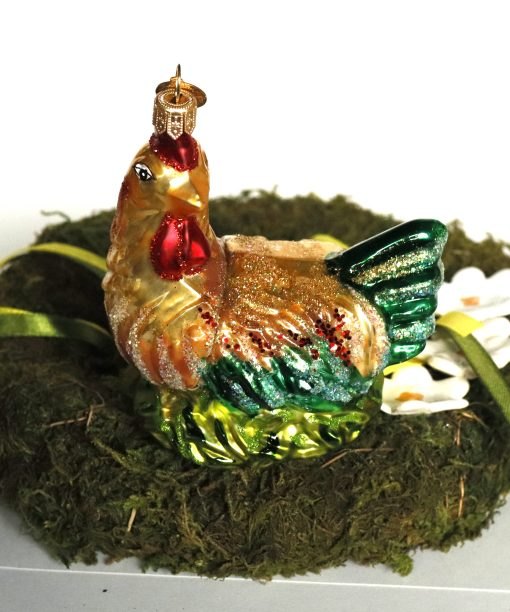
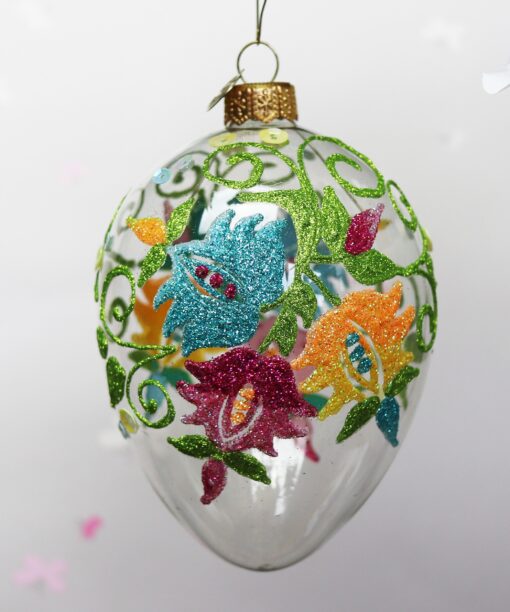
The offer of Easter decorations includes handmade spring ornaments that look beautiful both on the table and in an Easter basket. Easter arrangements from Bombkarnia combine tradition with the aesthetics of contemporary interiors.
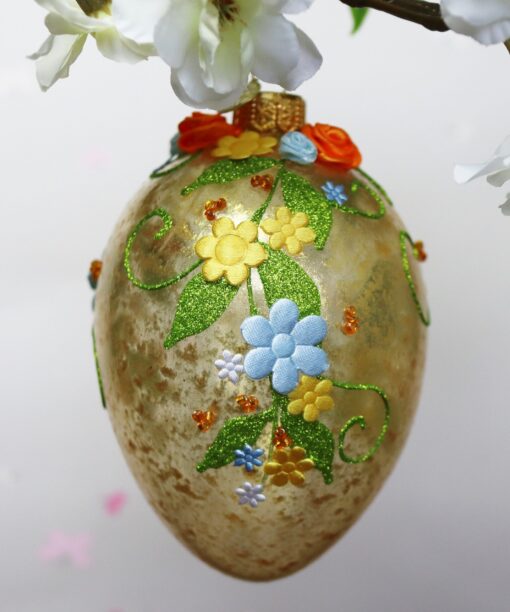
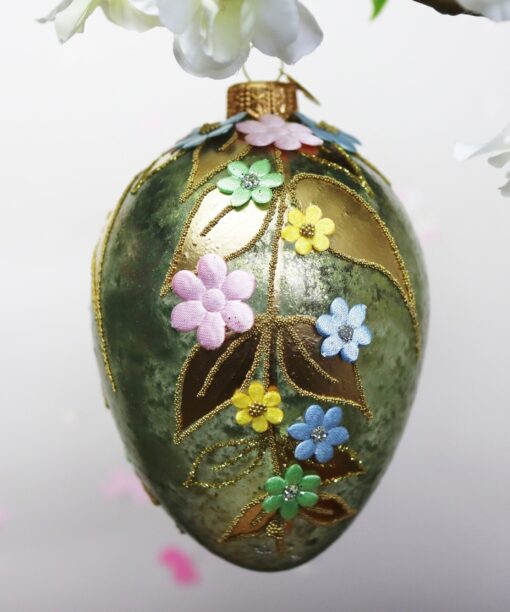
A unique group of products includes hand-decorated Easter eggs, made from chicken, duck, and goose eggs. These include, among others, Lowicz-style Easter eggs decorated with paper cutouts, Opole kraszanki with scratched ornaments, and Opoczno Easter eggs painted with beeswax. Each Easter egg comes from a specific region of Poland and carries with it a rich folk tradition.
Orders for original Christmas or Easter decorations can be placed through the online store or by contacting us directly via the Bombkarnia contact page, where you can get advice and order decorations for special occasions. Those who prefer in-person shopping are invited to our physical store, where you can see the decorations live and choose them in person.
Check products in Easter decorations at Bombkarnia Shop
How to Avoid Common Mistakes When Creating an Easter Arrangement?
Even a well-planned project can yield less satisfactory results if a few common mistakes are made. Knowing these pitfalls can save time and materials. Creating an arrangement then brings joy instead of frustration.
Too Many Decorations and an Overloaded Composition Effect
One of the most frequent errors is placing too many elements in a small area. The result is a chaotic, unclear composition where no element stands out. A floral design principle states that the eye should have space to “rest” between elements.
Overloading a composition often stems from the desire to use all collected materials. It’s better to choose fewer elements, but ones that contrast well in texture and color. A minimal amount of consciously placed decoration yields a better effect than a jumble of all available materials.
Materials whose excess spoils the composition:
- too many different colors at once, creating disharmonious combinations
- an excessive amount of ribbons that obscure natural materials
- mixing too many textures without a clear guiding style
Every original Easter arrangement should have one clear dominant element. This could be a large Easter egg, a bunch of tulips, or a distinctive branch. All other elements play a supporting role and emphasize the main theme of the composition.
Unstable Attachment of Elements and How to Secure Them Properly
Loose or poorly secured elements are a problem that usually becomes apparent when moving the finished arrangement. Styrofoam Easter eggs fall off, feathers come loose, and branches loosen if too little glue was used. It’s worth attaching each element using a double method, combining hot glue with floral wire.
Floral wire is especially useful for heavy ceramic decorations or glass spheres. Hot glue works best for light materials such as feathers, dried flowers, or small figurines. For wreaths made of straw or wicker, it’s advisable to use metal pins that are inserted directly into the base material.
Tip: Before an Easter centerpiece is placed on the table or door, it’s a good idea to turn it upside down and gently shake it. Any elements that come loose during this test should be reattached before positioning the arrangement in its intended spot.
FAQ: Frequently Asked Questions
What materials are needed to make an Easter centerpiece at home?
To create an Easter centerpiece at home, you only need a few basic materials. The base can be a wicker wreath, a straw ring, or a styrofoam form. For filling the arrangement, floral foam, decorative moss, or raffia will work well. Decorative elements include pussy willow branches, forsythia, dried flowers, feathers, and styrofoam Easter eggs or hollowed-out eggs.
To join the elements, you’ll need hot glue and a glue gun, and for heavier decorations, floral wire. The whole arrangement can be complemented with a satin or jute ribbon; bows and ribbons are attached last.
How long does it take to make an original Easter centerpiece?
The time it takes to make an Easter centerpiece depends on the complexity of the arrangement and the number of elements used. A simple Easter wreath for a door made with dry branches and a few decorations can be completed in 30 to 45 minutes. A more elaborate Easter table decoration with fresh flowers, moss, and many decorative accents requires 1.5 to 2 hours of work.
The time increases when the floral foam requires full soaking, which takes 5 to 10 minutes. Preparing all materials before starting work shortens the overall process time and helps avoid interruptions while composing the centerpiece. Regularly checking the stability of attachments at each stage of work prevents the need for corrections after completion.
How long will an Easter centerpiece last and what affects its durability?
The durability of an Easter centerpiece depends on the type of materials used and its display location. Arrangements with dried flowers, branches, and artificial decorations maintain their appearance for several weeks. Centerpieces with fresh flowers, with regular watering of the floral foam, last from 7 to 14 days.
A centerpiece placed outdoors requires protection with a protective varnish or preservative, which shields the materials from moisture and fading. Avoiding direct sunlight and drafts extends the lifespan of any floral arrangement.
How to avoid mistakes when creating an Easter centerpiece?
The most common mistake when creating an Easter centerpiece is overloading the arrangement with too many decorations. The result is visual chaos, where no single element stands out from the rest. The floral principle states that each Easter decoration should have one dominant accent and a few complementary elements.
Another mistake is the weak attachment of elements. It is worth securing every decoration, especially heavier ones, with both hot melt glue and floral wire. Before placing the finished centerpiece on a table or door, you should turn it and gently shake it, which immediately reveals loosely attached elements.
Summary
Creating an original Easter centerpiece requires primarily a good selection of materials, a well-thought-out base, and attention to the durability of the attachments. Natural willow branches, moss, floral foam, and dried flowers are the foundation of any successful arrangement. The choice of style, whether rustic, elegant, or minimalist, should be adapted to the character of the interior and the place where the centerpiece will be displayed.
Avoiding common mistakes, such as overloading with decorations or weak attachments, allows you to enjoy a durable and aesthetically pleasing decoration throughout the holidays. A handmade Easter arrangement is not only a beautiful decoration but also an expression of care and commitment that gives your home space a unique, warm atmosphere.

 PL
PL