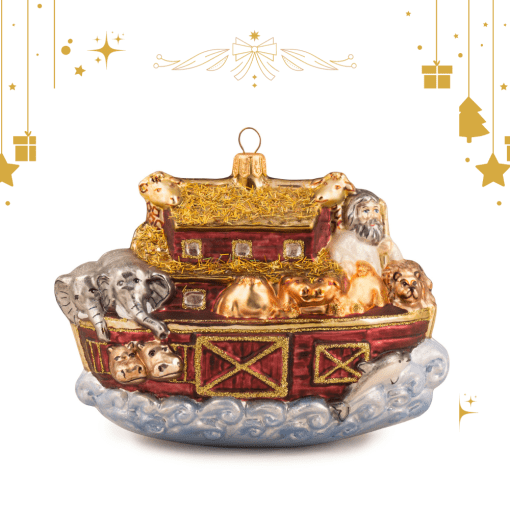
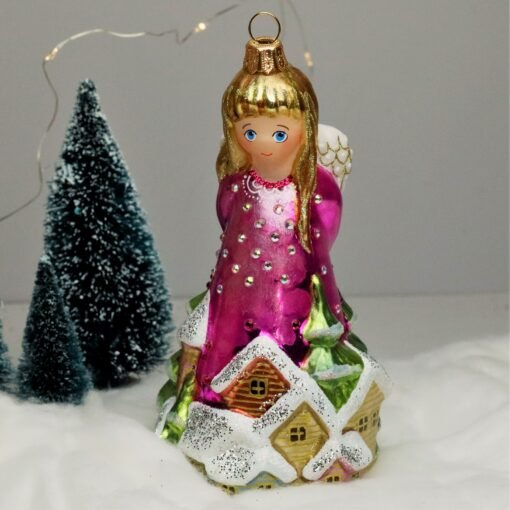
Collecting glass Easter decorations is a passion that combines aesthetics and history. Each hand-formed Easter egg or figurine is unique. A collection of such items builds a personal collection of deep value. Discover the uniqueness of glass Easter decorations. Explore their handmade craftsmanship and cultural tradition.
Collecting glass Easter ornaments is a hobby that combines aesthetics, history, and a genuine love for craftsmanship. Each hand-formed Easter egg or figurine carries the mark of a skilled artisan’s work. A collection of such items grows over the years and becomes a personal collection of deep value.
Unique glass Easter ornaments differ from ordinary decorations in something irreplaceable: their uniqueness. No two pieces are identical because each is handmade with great attention to detail. It is this characteristic that makes collecting such items engaging for years and turns it into a true passion.
The oldest Polish Easter eggs found in Polish lands date back to the 10th century. The tradition of decorating eggs has survived centuries and found a new form in glass Easter decorations. Collecting them is not just a matter of aesthetic taste, but a conscious participation in a living cultural tradition.
What sets unique glass Easter ornaments apart?
Glass Easter ornaments are distinguished primarily by their method of production. The process of their creation is complex and requires many years of artisanal experience. Each stage of production is done by hand, which directly translates into the uniqueness of the finished product.
Hand-forming glass and the uniqueness of each ornament
Hand-forming glass is the first and most important stage in the creation of an Easter ornament. Artisans heat thin glass tubes over special burners until the material becomes sufficiently pliable. Then, by blowing, they give the mass the desired shape, such as an Easter egg or an Easter figurine.
Each breath determines the final form of the ornament. Glass is a demanding material, and even a minimal mistake can ruin the entire creation. Therefore, glass artisans require many years of training before their work achieves full precision and consistency of form.
The result of hand-forming is that no two pieces are alike. Subtle differences in shape, wall thickness, or proportions make each ornament an original work of art. Collectors appreciate precisely these nuances and often consider them an additional asset to their collection.
Silver-plated interiors and painting as hallmarks of craftsmanship
Silver-plating the interior of glass ornaments is a technique dating back to the nineteenth century, used to give decorations a deep, mirror-like shine. It involves introducing a special silver-plating solution into the interior of the ornament, which, after a chemical reaction, creates a durable, reflective coating. The effect is immediate and clearly visible.
Hand-painting glass Easter ornaments is another stage that gives each piece an individual character. Artists use fine brushes and decorative paints, ornamental varnishes, and relief pastes. Flowers, ornaments, and Easter motifs appear on the surface, painted with surgical precision.
This decorative layer most strongly distinguishes handmade items from mass-produced goods. Hand-painted designs are never perfectly symmetrical, and this irregularity signifies authenticity. Each brushstroke carries the mark of the creator’s hand, which collectors consider to be of particular value.
Easter Motifs on Glass Easter Eggs and Figurines
Easter motifs used on glass ornaments draw from a rich tradition of spring and religious symbolism. Most commonly, floral patterns, bunnies, chicks, ram’s horns, and solar patterns appear. These symbols refer to the rebirth of nature and the tradition of celebrating Easter in Poland.
Glass Easter eggs with folk motifs refer to regional decorative traditions, such as the Lowicz floral patterns or Kurpie geometric ornaments. Figurines depicting hares, birds, and flowers create a complete Easter narrative. A collection built around a single thematic motif gains cohesion and greater artistic value.
Easter designs on glass evolve with artistic trends, while retaining the core of traditional symbolism. Older pieces are characterized by stark simplicity, while newer ones feature more elaborate ornamentation. Observing this stylistic evolution is a fascinating aspect of collecting in itself.
How to Build a Collection of Glass Easter Ornaments from Scratch?
Building a collection of glass Easter ornaments requires conscious planning from the very beginning. Gathering random pieces quickly leads to chaos and a loss of collection coherence. A specific idea for the theme and scope of the collection ensures that each new acquisition is justified and has a place within the whole.
Where to Start Collecting Glass Easter Eggs and Baubles
Every collection of glass Easter eggs should begin by defining one clear direction. The thematic scope of the collection can encompass one region, one decorative technique, or one type of form. Such a foundation facilitates subsequent purchasing decisions and gives the collection character.
Basic steps to start a collection:
- Choose a guiding motif, for example, ornaments with floral patterns or Easter figurines
- Determine the scope, whether the collection should include only Polish products or European ones as well
- Document each acquisition with the date, place of purchase, and a description of the manufacturing technique
- Establish contact with other collectors through forums and thematic groups
Contact with the collector community brings tangible benefits even at an early stage. Experienced collectors are happy to share knowledge about sources, techniques for recognizing authenticity, and mistakes made by beginners. Such a network of acquaintances can be as valuable as the collection itself.
How to Recognize an Original, Handmade Glass Ornament
Recognizing an original, handmade glass ornament requires attention and basic knowledge of manufacturing techniques. Authentic handmade items differ from mass-produced goods even upon first inspection. Several features reveal true craftsmanship.
Features of an authentic handmade ornament:
- Visible signs of glass blowing, irregular walls of varying thickness
- Asymmetrical painted patterns with fine brushstroke marks
- Matte or slightly uneven silvering from the inside
- Metal caps attached by hand, often with minor imperfections
Mass production eliminates precisely these features, striving for perfect uniformity. Machines create perfectly symmetrical patterns and precise walls. However, collectors have learned that this mechanical precision is a warning sign, not an advantage.
Signed Pieces and Their Collector Value
Signed Easter ornaments represent a special category in the world of art glass collecting. A signature or maker’s mark on an ornament confirms its authorship and enhances the item’s documentary value. Many manufacturers use their own markings in the form of stickers, engravings, or tags on the hanger.
Ornaments signed by specific artists or glassworks with a history generate higher interest at auctions and collector fairs. For a serious collector, the provenance of an item is as important as its appearance. Keeping the original packaging and certificates of authenticity increases the value of the entire collection.
It is worth visiting folk art fairs, Easter markets, and art craft auctions. Direct contact with the creator offers the opportunity to obtain a certificate of authenticity or a personal dedication. Such pieces become ornaments of a collection in both the literal and figurative sense.
How to Thematically Organize a Growing Ornament Collection
Thematic organization of a collection is not just a matter of aesthetics but a practical way to maintain clarity within the collection. A well-cataloged collection is easier to present, insure, and potentially pass on. The cataloging system should be consistent from the very beginning.
A collection can be organized according to several criteria. A regional division groups ornaments by their place of origin, for example, from Krosno, Rymanów, or Jaworzyna Śląska. A chronological division allows for tracking the evolution of forms and techniques over decades. A thematic division groups items with similar motifs, such as floral or animal designs.
Physically labeling each item with a catalog number, described in a separate database, allows for complete control over the collection. Documentary photographs of each ornament from multiple angles complete the catalog card. Such documentation is useful for collection valuation or insurance claims.
How to Store and Display Glass Easter Ornaments?
Storing and displaying glass Easter ornaments requires treating both tasks with equal importance. Improper storage damages even the most beautiful pieces, and poorly planned display diminishes their brilliance. Attention to both aspects determines the longevity of the collection.
Safe Packaging Protecting Glass Ornaments Year-Round
Safe storage of glass ornaments primarily involves isolating each item from direct contact with others. Glass is fragile and reacts to shocks, temperature changes, and moisture. Appropriate packaging eliminates most of these risks.
Proven Methods for Packing Glass Ornaments:
- Wrap each ornament individually in acid-free tissue paper or thin polyethylene foam.
- Place the ornaments in dedicated boxes with cardboard or plastic dividers.
- Fill empty spaces in the box with loose tissue paper or styrofoam.
- Close the boxes and store them in a dry place with a stable temperature.
Moisture is one of the biggest enemies of hand-painted glass ornaments. Decorative paints and lacquers can react to excess moisture in the air over time. Storing the collection with a moisture absorber packet in each container prolongs the durability of the painted decoration.
Tip: Glass ornaments should not be stored in basements or attics where temperatures and humidity fluctuate significantly throughout the year. A stable room environment best protects both the glass and the painted coatings.
Ways to Display Your Collection at Home for Easter
Displaying a collection of glass Easter ornaments at home is a moment collectors work towards all year. Proper arrangement enhances the aesthetic qualities of the ornaments and creates a cohesive interior design. A thoughtful presentation makes the collection a central element of your Easter decor.
Glass Easter eggs look great in clay bowls, wicker baskets, or on special decorative stands. Easter figurines gain impact when placed on shelves with subtle back or bottom lighting. Light falling on glass surfaces brings out the depth of the silvered interior and the intensity of the colors.
Tip: When arranging ornaments for display, it’s best to avoid direct sunlight, as ultraviolet rays can fade paints and silver coatings. Natural, diffused light best showcases the charm of glass ornaments without the risk of damage.
Handmade Holiday and Easter Ornaments from Bombkarnia
Bombkarnia is a Polish manufacturer of handmade baubles and holiday decorations, operating continuously since 2006. All products are created in the studios of Polish visual artists, ensuring that each ornament retains the authentic character of artistic craftsmanship. Inspirations drawn from Polish folklore, traditional fabric patterns, paper cutouts, and old regional costumes translate into the unique design of each collection.
Two collections are created each year, spring and winter, in line with current trends presented at international trade fairs. Hand-painted holiday ornaments from Bombkarnia combine traditional craftsmanship with a modern approach to design.
Glass Baubles and Christmas Decorations
The core of our offering consists of Christmas baubles, handmade from glass and decorated by visual artists. The richness of designs includes both classic folk motifs and modern color compositions.
A special group includes figurine baubles, which depict characters, animals, and objects. Each figurine is handmade, ensuring that no two pieces are identical.
Assortment of Christmas decorations:
- Hand-painted glass baubles with folk and folkloric motifs
- Glass Christmas figurines in the shape of animals, angels, and winter symbols
- Wedding baubles as wedding keepsakes and gifts
- Themed decorations referencing Polish regional traditions
Each decoration is carefully prepared by a craftsman, and attention to detail is evident at every finishing stage. This approach to production makes Bombkarnia’s products highly collectible.
Easter Eggs and Seasonal Decorations
Our spring collection includes Easter decorations made in accordance with Polish decorative traditions. Hand-painted eggs, figurines, and spring ornaments form a cohesive collection for lovers of Polish handicrafts.
A special place is held by Easter eggs, hand-decorated using techniques characteristic of various regions of Poland. The offering includes Lowicz-style Easter eggs decorated with paper cutouts, Opole-style kraszanki with etched ornaments, Opoczno-style Easter eggs painted with beeswax, and Kurpie-style Easter eggs with motifs from the Kurpie Forest. These are made on hollowed chicken, duck, and goose eggs.
Hand-decorated regional Easter eggs are a living testament to Polish cultural heritage. Each one carries the design characteristic of a specific region, and its creation process requires precision and many years of experience from the artisan.
Purchases are made through the Bombkarnia online store, and the entire available assortment can be browsed in one place. Customers regularly confirm the high quality of the products, efficient service, and fast order fulfillment. For questions about products, custom orders, or assistance in choosing decorations, the Bombkarnia team is available through the contact page. Those who prefer in-person shopping can visit the direct sales point, where collections can be seen and touched live.
How to assess the quality and authenticity of glass Easter decorations?
Assessing the quality of glass Easter decorations is a skill that a collector gradually acquires through contact with many pieces. Knowledge of production techniques, regional traditions, and handicraft characteristics builds an increasingly confident eye. Each new decoration in a collection is a lesson that pays off with subsequent purchases.
Features distinguishing handmade items from mass production
Glass handicraft and mass production differ on many levels. Handmade glass Easter decorations are created without the use of forming machines, meaning each has an individual creation story. Mass-produced items are manufactured in injection molds or automatically blown.
Differences in quality and character are visible to the naked eye for those familiar with the subject:
- Handmade: irregular walls, vibrant paint colors, individual painting pattern, tool marks
- Mass-produced: uniform glass thickness, mechanically applied patterns, perfect symmetry
The quality of the painting is another distinguishing factor. On a hand-painted Easter decoration, characteristic thickenings of paint are visible at the ends of lines. On mass-produced decorations, patterns have a uniform thickness because they are applied through screen printing or digital printing. Such a pattern looks correct but loses its aura of authenticity.
Polish glass craft centers and their traditions
Poland has several historical glass craft centers that specialize in the production of artistic and Easter decorations. Krosno in the Subcarpathian region is the most recognizable glass production center in Poland. The Krosno glassmaking tradition dates back to 1919, and the products made there have received awards at international exhibitions.
The Podkarpackie Museum in Krosno houses exhibits illustrating over a hundred years of local glassmaking tradition. In nearby Rymanów, the Sabina Artistic Glassworks operates, where one can observe the work of glassblowers. The Center for Glass Heritage in Krosno is the only place of its kind in Poland, combining an exhibition with live craft demonstrations.
Jaworzyna Śląska is another important center for the production of glass ornaments in Poland, known for its long tradition of creating Christmas and Easter decorations. The Low Beskids region, centered around Krosno, has been a hub for glass artists and artisans for decades. Their works have found their way into museum collections worldwide, including the Corning Museum of Glass in the United States.
Tip: Visiting the Glass Heritage Center in Krosno before making more significant collector’s purchases provides a solid foundation of knowledge about Polish glass craftsmanship. Contact with the living tradition of production makes it easier to identify authentic items and builds confidence in your assessment for future acquisitions.
Comparison table of features for handmade and mass-produced ornaments
Below is a summary of features that help distinguish handmade glass Easter eggs from mass-produced items:
| Feature | Handicraft | Mass Production |
| Wall thickness | Variable, irregular | Uniform, precise |
| Painting patterns | Hand-painted, unique | Mechanical, identical |
| Interior silvering | Hand-applied, slightly uneven | Automated, uniform |
| Hanger | Hand-attached, with minor irregularities | Mechanically snapped |
| Shape Deviations | Subtle, natural | None, perfect symmetry |
| Maker’s Mark | Manufacturer’s signature or sticker | Manufacturer’s barcode |
The table clearly shows that handmade items stand out precisely where mass production strives for uniformity. A collector who understands these differences makes better decisions with each new acquisition.
FAQ: Frequently Asked Questions
How to distinguish a handmade glass Easter ornament from a mass-produced one?
Hand-formed glass Easter ornaments have distinctive features that a machine cannot replicate. The most important of these is the irregular wall thickness, as a craftsman blowing glass will never achieve perfect uniformity. The painted patterns on an authentic hand-decorated piece show visible paint build-up at the ends of lines and subtle brushstroke marks.
The silvering inside in original products appears slightly uneven, which is a natural effect of the manual chemical process. The hanger attached by the craftsman may be slightly asymmetrical. Mass production eliminates all these features, aiming for mechanical precision, which, from a collector’s perspective, is a sign of inauthenticity.
How to properly store a collection of glass Easter ornaments?
Each glass Easter ornament should be wrapped individually in acid-free tissue paper or thin polyethylene foam. Direct contact between glass items leads to scratches on the painted coatings and chipping of the silvered interior. Boxes with cardboard or plastic dividers ensure safe separation of each piece.
Moisture damages hand-painted Easter designs faster than any other external factor. The collection should be stored in a dry room with a constant temperature, away from basements and attics. A moisture absorber packet placed in each box protects the painted and lacquered coatings year-round. Direct sunlight, which fades paint, is another hazard that a darkened storage location protects against.
What decorative motifs dominate on collectible glass Easter eggs?
Traditional Easter motifs on glass Easter eggs draw from centuries-old symbolism of spring and rebirth. Bunnies, chicks, spring flowers, ram’s horns, and floral ornaments are the most common designs on collectible glass Easter ornaments. Regions such as Łowicz and Kurpie have developed their own recognizable designs, which have also been applied to glass forms.
Older pieces are characterized by simpler ornaments, while newer products feature richer and more elaborate surface decoration. A collection focused around a single theme, such as floral patterns or faunal figures, gains a cohesive artistic character.
Which Polish regions are most famous for glass ornament production?
Krosno in the Podkarpacie region is the most important center of Polish glass craftsmanship, with a tradition dating back to 1919. The glass manufactories there have won awards at international exhibitions for decades, and their products have found their way into museum collections worldwide. The Glass Heritage Center in Krosno is the only place in Poland where one can observe the living tradition of artistic glassmaking.
Jaworzyna Śląska is the second important center for the production of glass decorations for Easter and Christmas in Poland. The Low Beskids region has hosted numerous glassmaking workshops over the years, whose artistic achievements are documented by regional museums. Knowledge of the geography of Polish glassmaking helps collectors accurately assess the provenance of acquired pieces.
Summary
Collecting glass Easter ornaments is a passion that combines a love for craftsmanship, historical awareness, and aesthetic sensitivity. Recognizing authenticity, thematically organizing the collection, proper storage and display of ornaments, knowledge of Polish glassmaking centers, and above all, systematically expanding knowledge are the pillars upon which every valuable collection is built.
Collecting unique glass Easter ornaments does not immediately require extensive resources, but it does require patience and curiosity about the world of craftsmanship. Each new piece brings a unique story to the collection, and the entire collection eventually becomes a testament to the living tradition of Polish glassmaking. It is an investment in beauty that does not lose its value.

 PL
PL