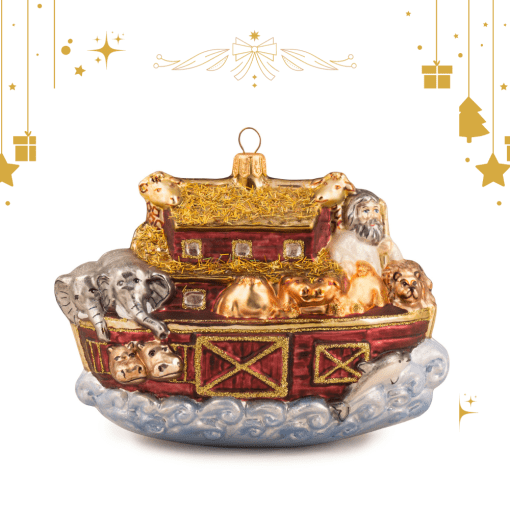
Protect your Christmas tree decorations from damage with proper storage. Delicate ornaments, figurines, and garlands need protection against moisture and temperature changes. Most damage happens during storage, not use. Invest in sturdy, moisture-resistant containers. Learn effective strategies to preserve your holiday treasures for years.
The conclusion of the holiday celebrations raises the question of proper storage of Christmas tree decorations. Correct storage of decorations protects the investment in beautiful ornaments and extends their lifespan for years to come. Glass ornaments, delicate figurines, and shiny garlands require appropriate protection against mechanical damage, moisture, and temperature. Statistics show that most damage to holiday decorations occurs during improper storage rather than during use. Delicate glass baubles are especially vulnerable to cracks, scratches, and color fading. Overfilled boxes, damp basements, and careless placement lead to financial and emotional losses. Professional storage methods allow decorations to remain in perfect condition for decades. Proper choice of containers, environmental condition control, and systematic organization create an effective strategy for protecting valuable decorations. Following proven guidelines eliminates the risk of damage and facilitates preparations for the next holidays.
Choosing the Right Containers and Packaging Materials
The quality of containers determines the safety of stored Christmas tree decorations. Packaging materials must protect delicate elements from moisture, impacts, and pressure. Sturdy boxes with appropriate features provide long-term protection for holiday decoration collections. The market offers various solutions tailored to specific storage needs. Plastic containers outperform cardboard packaging in moisture protection. Airtight closures eliminate air and dust access inside.
Plastic Boxes with Compartments as the Best Solution
Containers with compartments represent a professional standard for storing ornaments. Separate chambers prevent contact between decorations and protect against impacts. Transparent walls allow viewing contents without opening the box. Specialized ornament organizers have fitted compartments for different ornament sizes. Removable trays facilitate access to selected items without shifting the entire contents. Modular design enables stacking containers to save space. Airtight seals protect decorations from moisture and insects. Reinforced edges prevent box deformation under the weight of other items. Handles make it easier to carry even heavy containers full of decorations.
Using Containers with Reinforced Bottoms for Heavy Decorations
Heavy decorations require durable containers with stable bottoms. Porcelain figurines, glass balls, and metal ornaments need additional support. Reinforced bottoms prevent bending and damage to contents during transport. Container strength parameters:
- Wall thickness minimum 3 millimeters for medium-sized ornaments
- Double-layered bottom for heavy decorative elements
- Minimum load capacity of 15 kilograms per standard container
- Corner reinforcements reducing the risk of cracks upon impact
Double walls in premium containers provide maximum protection. Materials resistant to low temperatures do not lose flexibility during storage. Stable construction allows safe stacking.
Finishing materials such as polyurethane foam and tissue paper
Bubble wrap provides universal protection against impacts. Air bubbles cushion shocks and protect delicate surfaces. Tissue paper prevents scratches during minor shifts inside the container. Polyurethane foam fills empty spaces between ornaments. Soft fabrics protect painted surfaces from abrasions. Acid-free paper eliminates the risk of discoloration during long-term storage. Breathable materials prevent condensation buildup inside the packaging. Batting and flannel create soft protective layers for glass baubles. Paper dividers separate individual ornament layers within the container.
Methods for protecting delicate Christmas baubles from damage
Christmas baubles are among the most fragile elements of holiday decorations. Professional packing techniques eliminate the risk of cracks and scratches. Careful preparation of each ornament takes time but guarantees safety. Proper protection safeguards not only the physical integrity of baubles but also prevents color fading and loss of shine. A systematic packing approach creates an effective protection system for the entire collection.
Wrapping each bauble individually with bubble wrap or tissue paper
Individual packaging is the foundation of safe storage. Each bauble requires a separate protective layer isolating it from other items. Bubble wrap provides cushioning against accidental impacts. The bauble wrapping process:
- Smooth out a sheet of bubble wrap or tissue paper on a flat surface
- Place the bauble in the center of the protective material
- Gently wrap all sides of the ornament
- Secure with paper tape or a soft rubber band
- Check package stability before storing
Tissue paper is a lighter alternative for smaller ornaments. Two layers of material suffice for baubles under 6 centimeters in diameter. Larger and heavier items require thicker protection. Wrapping also protects metal fittings and hooks. Separate packaging prevents tangling of attachment elements. Transparent wrap allows identification without unwrapping.
Placing glass ornaments in separate compartments within the container
Sorting ornaments by size optimizes space usage. Separate compartments eliminate contact between baubles during transport. Custom-fit dividers immobilize ornaments in secure positions. Larger baubles occupy lower container layers. Smaller items fill upper levels without risk of crushing. The heaviest decorations always rest at the bottom of the box. Organization by category:
- Classic glass balls in the main compartment with dividers
- Figurines and special shapes in padded side sections
- Small ornaments in containers with small cells
- Hand-painted baubles in separate packaging
Vertical stacking of baubles in compartments saves space. Padding at the bottom of each divider provides additional protection. Labels on the compartments make it easier to identify the contents.
Using plastic bags as an additional layer of protection
Plastic bags create a barrier against moisture and dust. Small baubles can be grouped in multiples within one bag. Sealed bags hermetically seal the contents and protect against air exposure. Transparent bags allow quick identification of ornaments. The plastic material does not stick to painted surfaces. The additional layer protects against accidental wetting during storage. Bags separate ornaments by color or theme. Labels attached to the bags describe the contents. This system significantly speeds up unpacking before the holidays.
Interleaving ornaments with soft material to prevent abrasion
Soft inserts absorb vibrations and shocks during storage. Flannel cloths protect delicate decorations and painted details. Paper napkins provide an economical alternative for large collections. Cotton batting fills empty spaces between layers of ornaments. Foam inserts conform to the shapes of irregular baubles. Each layer of ornaments requires a separate protective interlayer. Soft materials prevent elements from rubbing against each other during slight shifts. Natural fabrics allow air circulation inside the container. Interlayers facilitate removing individual layers without disturbing others.
Environmental conditions ensuring decoration longevity
Temperature and humidity have a crucial impact on the durability of Christmas decorations. Extreme conditions damage materials and accelerate degradation processes. A stable storage environment extends the lifespan of decorations by many years. Professional storage requires monitoring environmental parameters. Residential rooms provide natural and stable conditions. Avoiding extreme locations protects your investment in holiday decorations.
Maintaining a stable temperature between 50 and 68 degrees Fahrenheit
The optimal storage temperature ranges from 50-68 degrees Fahrenheit. Stable thermal conditions prevent glass baubles from cracking. Extreme temperatures cause deformation of plastic components and detachment of decorations. Residential rooms offer natural temperature stability. Guest rooms, walk-in closets, and bedrooms ensure appropriate conditions. Closets in homes maintain thermal balance throughout the year. Temperature-related hazards:
| Temperature | Effect on Decorations | Risk of Damage |
| Below 41°F | Glass cracking, paint chipping | High |
| 50-68°F | Optimal storage conditions | Minimal |
| Above 77°F | Decoration peeling, fading | Medium |
| Above 95°F | Plastic deformation, glue melting | Very high |
Rapid temperature fluctuations are more harmful than constant deviations. Gradual changes allow materials to adjust without cracking. Thermal insulation of containers stabilizes internal conditions.
Controlling humidity levels in the storage area
Moisture poses the greatest threat to holiday decorations. High humidity causes corrosion of metal components and dulling of surfaces. Condensation inside containers damages painted decorations and causes mold. The ideal humidity level ranges between 40 and 60 percent. Dry rooms prevent the growth of microorganisms and corrosion. Moisture-absorbing packets inside containers provide additional protection. Sealed containers minimize moisture exchange with the environment. Ventilation in the storage area prevents water vapor buildup. Regular monitoring detects problems before they cause damage.
Protection from direct sunlight causing fading
Sunlight degrades pigments and causes colors to fade. Ultraviolet radiation weakens materials and damages lacquered surfaces. Prolonged exposure alters the intensity of holiday decoration colors. Dark rooms perfectly protect against light. Opaque containers block sunlight. Closets and storage units provide natural UV protection. Light protection preserves the original color scheme of decorations. Metallic coatings lose their shine under sunlight. Fabrics and felts fade fastest, so they require special protection.
Avoiding rooms exposed to extreme temperature fluctuations
Unheated attics experience extreme temperatures in summer and winter. Damp basements pose risks of moisture and mold. Garages and sheds do not provide stable storage conditions. Rooms within the main structure of a residential building maintain consistent parameters. Transitional zones between rooms offer a compromise solution. Avoiding extreme locations eliminates most storage issues. Heated rooms ensure stability year-round. Thermal insulation protects against sudden changes. Environmental condition control extends the lifespan of decorations by several decades.
Tip: Place a small thermometer and hygrometer in the container with decorations. Check conditions every few months and move decorations if parameters fall outside the safe range.
An organization system that simplifies preparations for future holidays
A well-thought-out Christmas decoration organization cuts decorating time in half. Systematic labeling and categorization eliminate chaotic searching. A logical container arrangement transforms annual preparations into an efficient process. Inventorying contents prevents duplicate purchases. Clear labels allow locating specific decorations within minutes. Professional organization also protects decorations from damage during searching.
Labeling boxes by category and decoration color scheme
Categorizing by type of decoration speeds up locating items. Separate boxes for ornaments, garlands, and figurines create a clear system. Color grouping facilitates creating cohesive holiday compositions. Basic categories of organization:
- Glass ornaments by size and color
- Themed decorations grouped by motifs
- String lights coiled and labeled by length
- Figurines and three-dimensional decorations in separate boxes
- Additional materials such as ribbons and bows
Color-coded labels on boxes speed up identification. The color-coding system allows content recognition from a distance. Transparent containers eliminate the need to open them during searches. Photographs of the contents attached to the boxes visualize what’s inside. Detailed descriptions include information about quantity and sizes. Updating labels after each season keeps the system current.
Creating an inventory of each container’s contents
A contents list eliminates uncertainty when planning decorations. A detailed inventory documents every ornament in the collection. A digital register allows searching resources before purchasing new items. A photo of each box creates a visual catalog. Mobile apps enable scanning and managing the inventory list. The container number linked to the contents list creates a precise system. Spreadsheets document details of each decoration. Categories, colors, and condition create a complete database. Regular inventory reviews identify shortages and damages.
Grouping items by rooms where they will be used
Organizing by location speeds up decorating the entire house. Decorations for the living room stored together eliminate multiple trips to storage. Separate sets for individual rooms create ready-to-use modules. Boxes labeled with room names direct decorations straight to their destinations. This system reduces movement and risk of damage during transport. Complete sets prevent forgetting elements. The most frequently used decorations occupy the most accessible places. Backup decorations are stored deeper in the storage area. Prioritizing accessibility optimizes retrieval processes.
Tip: Take photos of completed decorations before taking them down. Photos will help recreate the layout next year and show where each element was placed.
Common mistakes leading to damage of holiday decorations
Improper storage of Christmas ornaments causes material and emotional losses. Typical neglect destroys valuable decorations within months. Awareness of pitfalls helps avoid costly mistakes. Statistics show that most damage results from a few recurring issues. Simple changes in storage methods eliminate common hazards. A professional approach protects the collection from deterioration.
Storing in damp basements without proper insulation
Damp basements are the worst place for holiday decorations. High humidity causes corrosion of metal parts and dulling of glass. Lack of insulation exposes decorations to extreme conditions. Mold develops in damp rooms and damages fabrics. Condensation inside containers creates a destructive environment. Mold odors penetrate materials and are difficult to remove. Consequences of storing in moisture:
- Rust on metal hooks and hinges of ornaments
- Dulling and fogging of glass surfaces
- Mold growth on textile decorations and ribbons
- Peeling of painted decorations due to condensation
- Yellowing of white elements caused by moisture
Airtight containers provide the first line of defense. Moisture-absorbing packets inside boxes create an additional barrier. Moving to a dry room eliminates the problem at its source.
Overfilling containers causing mechanical pressure
Overloaded boxes exert pressure on the lower layers of decorations. Glass ornaments crack under the weight of other items. Excess contents make it difficult to securely close the container. Saving space at the expense of safety leads to losses. Additionally, limited space increases the risk of damage during removal. Overfilled boxes are heavy and difficult to transport. Adequate space around each decoration cushions shocks. Gaps filled with soft material stabilize the contents. Extra room makes it easier to remove items without damage.
Skipping cleaning decorations before storing them for the year
Dust and dirt settle on decorations during display. Soiled surfaces attract moisture and accelerate degradation. Greasy fingerprints cause discoloration during long-term storage. Cleaning before packing removes particles that can scratch surfaces. Dry wiping with a soft cloth is sufficient for most decorations. Gentle washing with warm water removes stubborn dirt. Thorough drying before packing eliminates the risk of mold. Clean decorations are ready for immediate use next year. Regular maintenance extends the lifespan of valuable ornaments.
Lack of securing light strings against tangling
Tangled light strings require hours of untangling before use. Mechanical strain during untangling damages cables and bulbs. Neglecting this task causes frustration during holiday preparations. Methods to prevent tangling:
- Wrapping the string around a piece of cardboard or special spools
- Using empty paper towel rolls
- Folding the cable in a figure-eight pattern to reduce tangling
- Placing each string in a separate bag
- Securing plugs and ends with tape
Labeling string length helps select the right one for each location. Testing bulbs before storage identifies those needing repair. Storing strings separately protects other decorations from damage.
Tip: Attach a small label to each light string with information about its length, light color, and last place used. This saves time when decorating next year.
FAQ: Frequently Asked Questions
Can Christmas decorations be stored in a garage or attic?
Garages and unheated attics do not provide stable conditions for holiday decorations. Extreme temperatures in summer and winter damage delicate materials. Humidity in these spaces causes corrosion of metal parts and dulling of glass. Temperature fluctuations exceeding 30 degrees Celsius lead to cracks in glass ornaments. Garages expose ornaments to exhaust fumes and oils. Attics experience temperatures exceeding 104 degrees Fahrenheit in the summer. Better options are living spaces such as walk-in closets, wardrobes, or guest rooms. Dry storage lockers provide an acceptable alternative when there is no space in the apartment.
Which materials best protect ornaments from damage during storage?
Protective materials must absorb shocks and prevent scratches. Bubble wrap offers the best protection for glass ornaments against impacts. Tissue paper is a lighter alternative for smaller ornaments under 2 inches in diameter. Polyurethane foam conforms to the shapes of irregular decorations. Additional protective layers:
- Acid-free paper prevents discoloration during long-term storage
- Flannel cloths protect painted surfaces from abrasions
- Cotton batting fills empty spaces between ornaments
- Soft natural fabrics allow air circulation
Each ornament requires individual packaging to separate it from other items. Two layers of material are sufficient for standard decorations. Heavier ornaments need thicker protection and a stable container bottom.
How long can glass Christmas ornaments be safely stored?
Glass ornaments remain in perfect condition for decades with proper storage. A stable temperature between 50 and 68 degrees Fahrenheit and low humidity ensure longevity. Professional protection methods allow decorations to be passed down through generations. Older ornaments from the 1970s and 1980s still serve families thanks to appropriate care. The quality of materials determines the durability of decorations. Sturdy containers with compartments eliminate mechanical damage. Regular inspection of ornament condition detects problems early. Avoiding moisture and direct light prolongs the life of colors and shine.
Should Christmas decorations be cleaned before storing them for the year?
Cleaning before packing is a key element of proper storage. Dust and dirt attract moisture during storage. Greasy fingerprints cause discoloration on ornament surfaces. Dirty decorations lose their shine and color intensity faster. Methods for cleaning decorations:
- Gently wiping with a soft, dry cloth removes dust
- A brush reaches hard-to-access crevices and details
- A lightly dampened microfiber cloth removes stubborn stains
- Thorough drying before packing prevents mold
Dry cleaning is sufficient for most glass ornaments. Water can damage delicate painted details. Clean decorations are ready for immediate use next season. Regular maintenance extends the lifespan of valuable decorations by several decades.
How should string lights be stored to prevent tangling and damage?
Tangled strings require hours to untangle and often get damaged. Mechanical stress during untangling destroys cables and bulb connections. Systematic winding completely eliminates this problem. Pieces of cardboard or empty paper towel rolls make ideal bases for winding. The figure-eight method reduces the risk of tangling during storage. Each string requires separate packaging or a plastic bag. Marking the length and light color on the label speeds up selecting the appropriate string. Testing bulbs before storing identifies items that need repair or replacement.
Summary
Professional Christmas ornament storage requires a systematic approach and proper tools. Choosing sturdy containers with compartments, individually packing delicate baubles, and controlling environmental conditions create a comprehensive protection system. A stable temperature between 50 and 68 degrees Fahrenheit and low humidity ensure the longevity of valuable decorations. Systematic organization transforms annual preparations into an efficient process. Categorizing by type, color, and room of use shortens decorating time. Detailed inventory eliminates duplicate purchases and allows for future planning. Avoiding common mistakes such as damp basements, overcrowded boxes, or lack of cleaning prevents costly losses. Investing time in properly securing ornaments pays off through many years of use. Baubles passed down through generations retain emotional value for decades. Professional storage methods protect not only physical items but also memories and family traditions associated with holiday decorations.

 PL
PL