Polish regional Easter eggs showcase diverse folk art. Each pattern and color tells a story of its origin. This tradition dates back to the 10th century. Experts can identify eggs from Kurpie, Łowicz, or Opole. These decorated eggs are miniature masterpieces. Discover the unique character of each region's artistry.
Easter eggs from different regions of Poland are more than just decorations for the Easter table. Each egg carries the story of the place it comes from, and the local patterns, colors, and decorating techniques create a unique picture of Polish folk culture. This diversity makes regional Easter eggs true miniature works of art.
The tradition of decorating Easter eggs in Poland dates back at least to the 10th century, with archaeological excavations on Ostrówek in Opole confirming traces of this practice. Each region developed its own techniques, motifs, and names for decorated eggs. The differences between them are so distinct that an expert can recognize a Kurpie, Łowicz, or Opole Easter egg almost at first glance.
How do regional Easter eggs differ from each other?
Poland’s tradition of decorating Easter eggs is exceptionally rich and diverse. Each region has given decorated eggs its own character and even its own name. The differences concern not only patterns and colors but also materials, tools, and methods of applying decorations.
How the name for an Easter egg changes depending on the region
In Poland, decorated Easter eggs are given various names depending on where they were made. The name “pisanka” derives from the act of writing patterns with wax. However, in the Opole region, they are called “kroszonka,” in Silesia more often “drapanka,” and in many regions, the general term “kraszanka” is also used, meaning an egg dyed a single color.
The names are not accidental. Each describes the method of execution or the decorative effect. “Kraszanka” comes from the word “krasa,” meaning beauty or color. “Kroszonka” refers to engraving, or scratching patterns. The variety of names reflects the richness of regional traditions and is part of Poland’s intangible cultural heritage.
How geometric patterns differ from floral motifs
Patterns on Easter eggs are divided into two main groups: geometric and floral. Geometric motifs, such as rosettes, triangles, stars, or crosses, dominated the oldest egg decorating traditions. They were closely associated with solar symbolism and were intended to ensure prosperity, fertility, and protection from evil.
Floral motifs appeared somewhat later but quickly gained popularity. Flowers, leaves, ears of grain, or willow branches became the hallmark of many regions. In Kurpie, flowers, catkins, and roosters are dominant, while in the Opole region, eggs are often decorated with palms and plant stalks.
Main groups of patterns on regional Easter eggs:
- Geometric patterns — rosettes, stars, triangles, crosses, herringbone, infinity symbols
- Floral patterns — flowers, ears of grain, catkins, palms, leaves, branches
- Zoomorphic patterns — roosters, birds, deer, horses, fish
- Mixed patterns — combining several groups of motifs in one composition
The choice of patterns depended on the creator’s ingenuity and local preferences. However, they always carried the symbolism of fertility, life, and the new beginning that Easter brings.
What Natural Dyes Give Color to Eggshells
Before chemical dyes became available, only ingredients of natural origin were used for dyeing eggs. This tradition dates back many centuries and has been preserved to this day in numerous regions. Colors were obtained from plants, tree bark, and vegetables available in every household.
Natural Dyes for Coloring Eggs:
- Onion peels — give yellow, orange, or brown colors, depending on the variety and concentration of the decoction
- Oak or alder bark — yields shades of brown and gray
- Birch leaves — dye green
- Beetroot juice — gives pink and purple colors
- Apple or plum bark — yields a yellow-green hue
The intensity of the color depends on the time the egg is cooked in the dye. The longer the egg remains in the decoction, the darker and deeper the shade it achieves. Each region had its own recipes passed down from generation to generation.
Kurpie, Łowicz, and Podlasie Easter Eggs: Patterns and Decorations
The region where the Easter eggs were created shaped both the choice of colors and the character of the patterns. Mazovia and Podlasie are areas with an exceptionally rich tradition of decorating Easter eggs. Each locality developed a slightly different style there, although all share attention to detail and vibrant colors.
What Motifs Adorn Kurpie Easter Eggs from the Green Forest
Kurpie Easter eggs from the Green Forest are among the most recognizable in Poland. They are decorated using two techniques: wax writing and scratching. Traditional Kurpie motifs include flowers, ears of grain, Bombkarnia, suns, moons, and the characteristic Kurpie roosters.
The color scheme of Kurpie Easter eggs is warm and harmonious. Shades of yellow, brown, and red dominate, complemented by green. The patterns are subtle and refined, and the composition on the shell always maintains symmetry. Craftswomen from this region pass down their skills to subsequent generations, maintaining a vibrant tradition.
Easter eggs from Kurpie are clearly linked to local folk designs, also visible in paper cutouts and embroidery. Motifs intertwine across different areas of folk art in this region, creating a cohesive image of Kurpie aesthetics.
What Distinguishes the Multicolored Łowicz Easter Eggs from Others
Łowicz Easter eggs stand out across Poland due to their unique decoration technique. Instead of painting or etching, the eggs are covered with colorful miniature paper cutouts, creating so-called “oklejanki” (decalcomanias). The patterns were transferred from the Łowicz “kodra,” a characteristic regional cutout.
Łowicz Easter eggs are dominated by multicolored, multilayered flowers, roosters, and other motifs known from Łowicz ornamentation. The basic ornament is usually black, with vibrant, cheerful colors appearing on top. Some Easter eggs take the form of a small jug, making them even more decorative.
Each craftswoman has her own unique style. They do not imitate each other, and stylistic differences are considered a valuable trait. The style of the Easter egg artist, like a signature, is recognizable and unique.
How Traditional Podlasie and Mazovia Easter Eggs Look
In Podlasie, the decoration of Easter eggs combines two traditions: Polish and Eastern, which gives the local Easter eggs a special character. The patterns are usually symmetrical, and the composition is enclosed. The colors can be intense, often with a predominance of red and navy blue.
The Museum of Easter Eggs in Ciechanowiec, Podlasie, houses one of the most extensive collections of decorated eggs in Poland. Visitors can see folk designs from various parts of Poland and the world. The museum was established as part of the Museum of Agriculture and is open year-round.
Techniques for Decorating Easter Eggs in Silesia, Opole Region, and Kashubia
Western and northern Poland have just as rich a tradition of decorating Easter eggs as the central regions. Silesia, the Opole region, and Kashubia have developed their own original techniques, some of which are now recognized as unique intangible cultural heritage.
What the Engraving Technique of Drapanka in Silesia Entails
Drapanka, also known as rytowanka, is a technique that involves scratching patterns onto a colored egg with a sharp tool. The egg is first dyed a single, dark color, and then the artist etches delicate lines into the shell, creating light patterns against a dark background.
The effect of this technique is remarkable. The contrasting colors give the patterns depth and clarity. In Silesia, nails, needles, and knives were used for etching, and the skill of precise scratching was passed down through families for generations.
How the Batik Method, Listed as Heritage, Works
The batik technique is the oldest known method of decorating Easter eggs in Poland. It involves writing on the surface of the egg with hot wax using special tools. The wax protects the part covered by it from the dye, so after dipping the egg in the coloring agent, the protected areas retain their previous color.
The batik process takes place in stages. It begins with the lightest color, usually yellow, and progresses through orange, red, green, to brown and black. After each dyeing, another layer of wax is applied. Finally, the wax is removed with a warm cloth, revealing the complete pattern.
For batik, a tool called a “kiszką” is used, which is a stick with a metal groove. This allows for the application of very precise geometric, floral, and animal patterns. The batik technique is characteristic of the Opole region, where it has been cultivated since at least the 10th century.
The Museum of Opole Village in Opole, where Helena Wojtasik has been conducting workshops for children and youth for over thirty years, references the batik tradition. Since 1995, she has organized the “Pisanka” competition, and since 2005, the Opole Easter Egg Festival.
For the first attempt at batik, it is advisable to start with simple geometric motifs and use hard-boiled eggs, which makes the work easier and reduces the risk of cracking.
What Distinguishes the Openwork and Decoupage Eggs Created in Kashubia
Kashubian Easter eggs are characterized by a distinctive color scheme based on blue, yellow, and gold. They are decorated using the technique of covering with colored papers or painting patterns inspired by Kashubian paper cutouts and embroidery. Blue paint on a white shell background is the hallmark of this tradition.
Kashubian openwork eggs are characterized by an exceptionally delicate form, with translucent ornaments imitating lace. They require great precision and many years of experience. This level of craftsmanship makes openwork eggs treated more like works of art than utilitarian decorations.
Tip: It is worth viewing Kashubian Easter eggs during the Easter Market in Gdańsk or at exhibitions of the Kashubian Museum in Kartuzy, where original exhibits are displayed.
What are Opole scratch eggs and where does this tradition come from
Opole scratch eggs are eggs dyed uniformly in one color, on which symmetrical patterns are scratched with a sharp tool. The tradition of making them in the Opole region dates back to the second half of the 10th century, as confirmed by findings from Ostrówek in Opole. The patterns on scratch eggs include plant motifs, such as palms, flowers, and leaves. The ornamentation of scratch eggs is so strongly associated with the region that characteristic ornaments have been transferred to Opole porcelain. Egg scratching has become a symbol of the entire Opole region.
In 2019, Opole scratch eggs were added to the National List of Intangible Cultural Heritage. The tradition is maintained by a group of about 20–30 craftswomen gathered in centers in Tułowice, Korfantów, and the vicinity of Brzeg.
| Technique | Region | Characteristics |
| Batik (waxing) | Opole Silesia, Podolia | Writing with wax, multi-stage dyeing |
| Engraving (scratching) | Silesia, Opole Silesia | Scratching patterns onto a dyed egg |
| Sticking | Łowicz, Kashubia | Sticking paper cutouts onto the egg |
| Painting with dyes | Kurpie, Mazovia | Hand-painting patterns with a brush or stick |
The engraving technique can be practiced on hard-boiled eggs dyed with onion skins, using a regular embroidery needle as a tool for scratching patterns.
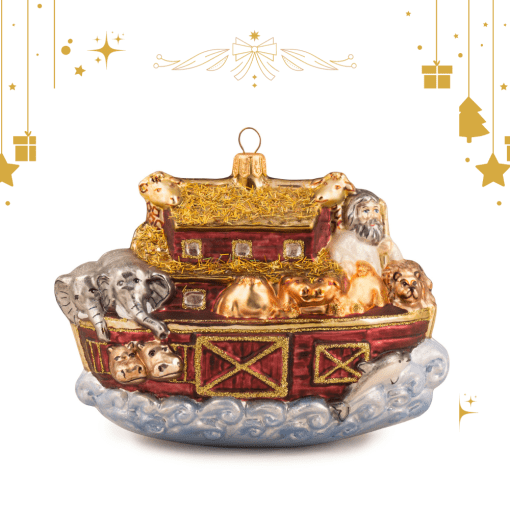
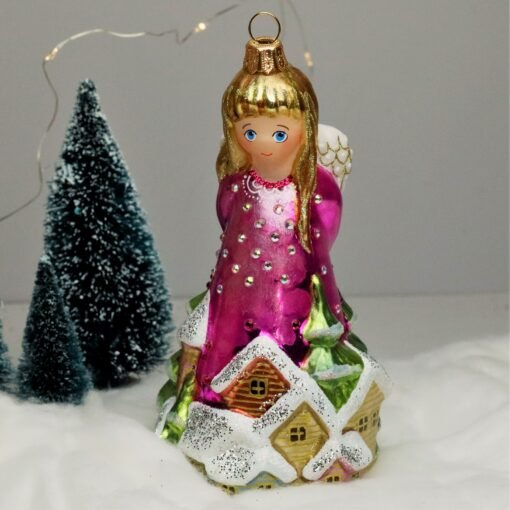
Handmade Ornaments and Holiday Decorations from Polish Manufacturer Bombkarnia
Polish artistic handicraft has a long tradition, and Bombkarnia is one of the few domestic manufacturers that has been nurturing it since 2006. All ornaments are created by hand by Polish visual artists. Inspirations are drawn from Polish folklore, folk fabric patterns, paper cutouts, and old regional costumes.
Two collections annually, spring and winter, correspond to current trends presented at international trade fairs. Each ornament is unique because handmade production excludes mass production.
Ornaments for Christmas and Special Occasions
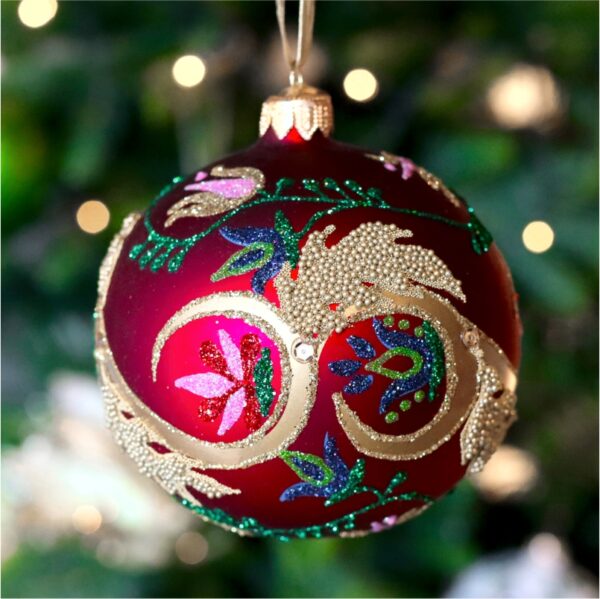
The rich holiday offer includes a wide selection of handmade decorations for various occasions. Lovers of traditional Christmas tree ornaments will find classic and folk patterns, while those seeking something unusual will reach for more elaborate forms.
Christmas ornaments at Bombkarnia:
Each of the mentioned forms of decoration draws from Polish cultural heritage. The patterns refer to Baroque, Łowicz paper cutouts, regional embroidery, and fabrics, making the ornaments recognizable and deeply rooted in Polish aesthetics.
Hand-painted Easter Eggs and Easter Decorations
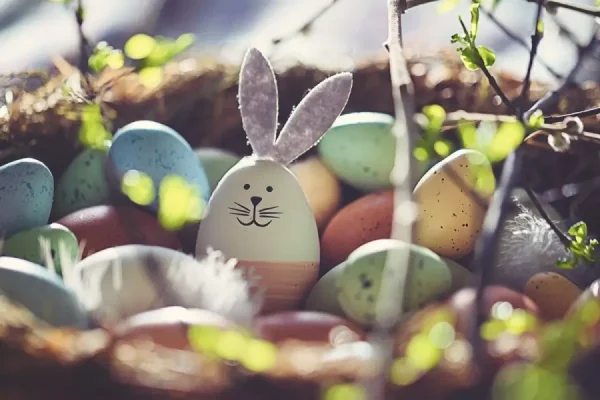
Bombkarnia’s Easter offer includes a wide range of decorations created with the tradition and aesthetics of Polish handicraft in mind. Easter decorations are inspired by regional patterns from various parts of Poland.
A special place is held by Easter eggs, made on chicken, duck, and goose eggs. The collection includes Łowicz Easter eggs with paper cutouts, Opole kraszanki with scratched ornaments, Opoczno eggs painted with beeswax, as well as Kurpie and wooden Easter eggs. Each piece is handmade and is a standalone work of art.
The full offer is available in the Bombkarnia online store. Those interested in visiting in person will find all information on the physical store website. Before purchasing, you can also check reviews from satisfied customers who appreciate the quality of the products, efficient service, and fast shipping.
For questions about availability, custom orders, or selecting decorations for a specific occasion, direct contact with the Bombkarnia team is possible through the contact page. Each order is handled with the utmost care, and custom decoration designs are a specialty of this workshop.
Which Polish regional Easter eggs are inscribed on the heritage list?
Polish Easter traditions have been appreciated for years by institutions protecting cultural heritage. Inscriptions on the National List of Intangible Cultural Heritage are a formal recognition of the value of these traditions and a commitment to their protection.
Which Easter eggs made it onto the National List of Intangible Heritage
The National List of Intangible Cultural Heritage in Poland includes practices, knowledge, and skills recognized as particularly valuable. In 2019, Opole kroszonkarstwo was inscribed on the list as the first egg decoration from this region.
In addition to kroszonki, the list includes, among others, batik Easter eggs from the Opole region and various local Easter traditions related to egg decoration. Inclusion on the list is not only a distinction but also support for creators and a mobilization of local communities to pass traditions on to future generations.
Easter traditions inscribed or submitted to the National List of Intangible Heritage:
- Opole kroszonkarstwo with the engraving technique (inscribed 2019)
- Batik egg painting from Opole and its surroundings
- Local Easter rituals and customs from various regions of Poland
Inclusion on the heritage list has practical consequences. Cultural institutions, schools, and associations receive support in organizing workshops, competitions, and exhibitions promoting traditional techniques.
Where can authentic regional Easter eggs be seen today
The most extensive permanent exhibition of regional Easter eggs is offered by the Museum of Easter Eggs in Ciechanowiec, Podlaskie Voivodeship. The collections include eggs from various parts of Poland and from European countries such as Ukraine, Romania, the Czech Republic, and Slovakia.
The Museum of Opole Village in Opole presents Easter eggs and kroszonki during temporary exhibitions and organizes batik workshops throughout the year. The Ethnographic Museum in Warsaw has a permanent exhibition “Time of Celebration,” which includes an extensive collection of Easter eggs from all over Poland.
Places with collections of regional Easter eggs in Poland:
- Museum of Easter Eggs in Ciechanowiec (Podlaskie Voivodeship) — permanent exhibition year-round
- Museum of Opole Village in Opole — temporary exhibitions and Easter workshops
- Ethnographic Museum in Warsaw — “Time of Celebration” exhibition
- City Museum in Dzierżoniów — collection of Dr. Anna Haratyk, over 1500 exhibits
The museum in Dzierżoniów collects chicken, goose, quail, and even ostrich eggs. The collection includes both natural eggs and those made of wood, ceramic, and glass.
Tip: When visiting regional museums before Easter, you can participate in egg decorating workshops. Dates and registration are available directly at each institution.
FAQ: Frequently Asked Questions
Where does the tradition of decorating Easter eggs in Poland come from, and how old is it?
The tradition of decorating Easter eggs in Poland dates back at least to the 10th century. The oldest Polish decorated Easter eggs were discovered during archaeological excavations in Ostrówek, Opole. These were ceramic egg forms with geometric ornaments, dated to the 10th century. The first written mention of dyeing eggs comes from the mid-12th century.
Originally, the symbolism of the Easter egg had a pre-Christian character. The egg was identified with life, fertility, and the rebirth of nature in spring. Decorating was attributed protective powers, and solar motifs were meant to ensure harvest and prosperity. Over time, this tradition became integrated into Easter celebrations and has survived to this day.
What is the difference between a pisanka, kraszanka, and kroszonka?
The terms “pisanka,” “kraszanka,” and “kroszonka” describe different methods of decorating Easter eggs. Kraszanka is an egg dyed uniformly in one color, without additional patterns. The name comes from the Old Polish word “krasić,” meaning to dye. A pisanka, on the other hand, is decorated with patterns applied using wax or paint.
Kroszonka opolska is an egg on which patterns are scratched with a sharp tool onto a previously dyed shell. It originates mainly from the Opole Silesia region and is inscribed on the National List of Intangible Cultural Heritage. Each of these techniques has its own history, its own region, and its own character.
What regional Easter egg decorating techniques are used in Poland?
Several main Easter egg decorating techniques are distinguished in Poland, each characteristic of a different region. The batik technique, which involves writing patterns with heated wax, is the oldest and most widespread in the Opole region. The etching method of scratching patterns with a sharp tool dominates in Silesia. In Kurpie and Ziemia Łowicka, “oklejanka” is used, which involves gluing miniature cutouts, yarn, or fabrics onto the eggshell.
Each technique requires different tools and skills. Batik is done with a special tool called a kiska or a stick with a metal groove. Scratching patterns requires precision and patience, and the result is white ornaments on a dark background. Kashubian openwork is created by drilling delicate holes in a hollowed-out eggshell, which creates a lace effect. The variety of techniques makes the design of regional Easter eggs in Poland unique on a European scale.
The tradition of decorating eggs is cultivated, among others, by workshops organized by ethnographic museums and cultural centers. The Museum of Opole Village in Opole organizes batik workshops throughout the year. Participating in such classes is the best way to learn these techniques from scratch.
What do the patterns on Polish regional Easter eggs symbolize?
The patterns on traditional Easter eggs were never random. Solar motifs, such as rosettes and stars, symbolized the rebirth of the sun and eternity. Crosses and infinity symbols signified endless life. Plant motifs, such as ears of grain or catkins, evoked fertility and the spring renewal of nature.
The symbolism of Easter egg patterns changed with the adoption of Christianity. The egg became a sign of life’s triumph over death and a reference to the resurrection. Zoomorphic patterns, such as roosters and fish, enriched the decoration with religious content. However, each region retained its own motifs, which over centuries became its hallmark.
Summary
Easter eggs from different regions of Poland create an extraordinary mosaic of traditions, techniques, and patterns that have shaped Polish folk culture for centuries. From the batik masterpieces of Opole creators, through the colorful glued eggs from Łowicz, to engraved kroszonki and Kurpie Easter eggs with plant motifs, each region has preserved something unique. Regional Easter egg designs are a living tradition, not a museum exhibit. Workshops, competitions, and exhibitions organized by museums and cultural centers confirm that this tradition is thriving and is eagerly passed on to subsequent generations.

 PL
PL