Angel decorations boast thousands of years of history. Winged figures appear in art and architecture worldwide. Their enduring appeal stems from a rich symbolic layer. Common features include wings, white robes, and serene faces. Understanding their origins reveals their deep message. Explore the historical roots of angelic imagery.
Angels in Decorations is one of the oldest decorative motifs in human history. Winged figures have accompanied people in art, architecture, and everyday life for thousands of years. Their presence in the home environment carries a much deeper message than just aesthetic value.
The motif of the angel has survived the fall of empires, the changes of eras, and the transformations of artistic styles. Each culture has given it its own meaning, but certain symbols have remained unchanged. Wings, a white robe, and a serene face are universally recognizable features.
To understand why figurines and decorations with angels enjoy enduring popularity, it is worth exploring their historical roots and rich symbolic layer. Knowledge of this tradition allows for conscious selection of decorations and understanding of their message.
The Origin of the Angelic Image in Art and Decoration
The image of the angel did not appear in art suddenly. It developed over centuries, drawing from various religious and cultural traditions. Both painters and sculptors have, over the ages, developed the characteristic iconography of winged messengers that we know today.
From Ancient Catacombs to Gothic Cathedrals
The earliest depictions of angels in Christian art come from the Roman catacombs, dating back to the 2nd and 3rd centuries AD. Wall paintings depicted winged figures as spiritual guardians of the deceased. Artists of that era drew inspiration from ancient painting styles, giving angels a human form with characteristic wings.
In the Gothic period, from the 12th to the 15th century, the image of the angel gained a new dimension. Gothic sculptures showed angels as freestanding figures with natural proportions, departing from earlier flat representations. On altars and in cathedral decorations, angels accompanied biblical scenes, becoming an integral part of medieval sacred iconography.
The iconography of the angel in the Middle Ages primarily served didactic purposes. The faithful, many of whom were illiterate, gained religious knowledge from church paintings and sculptures. The angel, as a visual figure, became a carrier of specific theological content.
Baroque Angel Sculptures and Their Role in Sacred Art
The Baroque period, flourishing from the 17th century, brought a revolution in the depiction of angels. Sculptures became dynamic, full of expression and drama. Church ceilings featured illusionistic paintings showing open heavens filled with winged figures. A master of such compositions was Andrea Pozzo, creator of the famous paintings in the Church of Sant’Ignazio in Rome.
Baroque decorative angels gained a three-dimensionality and movement that earlier periods had not known. Sculptors gave them dynamic poses, flowing robes, and intense gazes. Baroque sacred art impacted the emotions of the faithful with exceptional power.
The flourishing of the Baroque coincided with the Counter-Reformation, during which the Catholic Church consciously used art as a tool for evangelization. Angels became a key element of this strategy. Their ubiquity in churches, chapels, and building facades solidified their image in the public consciousness.
How the Image of the Angel Evolved Through the Centuries
The evolution of the angel’s image is a fascinating reflection of social and artistic changes. The Renaissance restored classical proportions and a serene expression. The Rococo period of the 18th century gave angels a chubby, childlike appearance, popular to this day in the form of so-called putti or decorative cherubs.
The 19th century brought a return to more serious, majestic representations, associated with the Neogothic and Romantic movements. In the 20th and 21st centuries, the angel motif became a permanent fixture in popular culture and decorative design, taking on both traditional and completely abstract forms.
Comparison of Angel Stylistics Through the Eras:
| Era | Characteristic Features | Application |
| Early Christian (2nd–4th century) | Flat paintings, symbolic wings | Catacombs, churches |
| Gothic (12th–15th century) | Freestanding sculptures, natural proportions | Altars, cathedral portals |
| Baroque (17th–18th century) | Dynamic poses, expression, drapery | Vaults, facades |
| Rococo (18th century) | Putti, childlike features, lightness | Palace decorations |
| Modernity | Diverse forms, materials, styles | Interiors, gardens, gifts |
Each era has left a lasting mark on decorative tradition. Modern angel figurines for interiors draw from both Baroque expression and Rococo sweetness, offering a wide range of arrangement possibilities.
What Angels in Decorations Symbolize
The presence of an angel in a home space is a conscious symbolic choice. Every element of these figures’ appearance, from their wings to the color of their robes, conveys specific meanings. Understanding this symbolism allows for an appreciation of the depth of the message hidden within a seemingly simple figurine.
The rich symbolism of angels makes them more than just ornaments. For many, they are a reminder of protection, peace, and spiritual values. It is this multi-layered meaning that keeps the angel motif perpetually in vogue.
Protection, Purity, and Spiritual Guidance of an Angel
The guardian angel is one of the most common decorative motifs associated with protection. The belief in the protective powers of angels originates from Jewish and Christian traditions, where angels play the role of heavenly guardians. An angel figurine placed in a home symbolizes a plea for protection over its inhabitants and their loved ones.
The most common meanings of an angel in decoration:
- protection from evil and misfortune
- purity of intentions and innocence of spirit
- spiritual guidance in difficult times
- remembrance of loved ones who have passed away
- hope and faith in a higher order
Angel figurines are given as gifts on occasions such as baptisms, communions, or weddings precisely because of their symbolism of protection and blessing. A gift of an angel expresses a wish for someone’s protection and peace on their new life journey.
The Meaning of Wings and White Robes in Angel Symbolism
Wings are the most recognizable element of an angel’s image. Their symbolism is multi-layered. Wings signify swift action, readiness to serve, and the ability to move between different spheres of existence. In Christianity, they express detachment from earthly matters and belonging to a higher order.
The white robes in which angels are depicted carry a distinct message. White signifies innocence, glory, and purification. In liturgical tradition, the color white is associated with joyous holidays, resurrection, and divine glory. This is why angels depicted at the tomb of Jesus or during the Ascension are shown wearing white robes.
The youthful features of angels indicate immortality and freedom from the corruption of time. A serene face is a sign of harmony and inner peace. All these elements together create a cohesive image of a perfect being, serving as a model to emulate.
The Angel as a Messenger and Mediator Between Heaven and Earth
The word “angel” comes from the Greek “angelos,” meaning messenger. This original function defines the deepest meaning of all angel symbolism. In the Bible, the Archangel Gabriel announces the birth of Jesus to Mary, becoming a link between God’s will and humanity.
The role of a mediator gives angel decorations a communicative dimension. An angel figurine can express a desire for contact with the sacred, a longing for spiritual order, or simply gratitude for blessings received. In many homes, an angel stands beside photographs of loved ones as an expression of remembrance and faith in their spiritual presence.
Angels serve as connectors between heaven and earth, a concept that has been immortalized in sacred and decorative art for centuries. This message explains why the angel motif appears in both religious spaces and entirely secular interior design arrangements.
The Symbolism of Angels in Various Religious Traditions
Angels are not exclusive to Christianity. In Islam, angels, known as mala’ika, act as executors of divine commands. An angel’s wing in Islamic tradition symbolizes divine order and protection. In Judaism, angels appear numerous times in the Torah as messengers and protectors of the chosen people.
The Presence of the Angel Motif in Religious Traditions:
- Christianity: guardian, messenger, keeper of souls
- Islam: executor of divine commands, symbol of order
- Judaism: protector of the people, intermediary of God’s will
- Folk Traditions: protective spirit of a place, symbol of good fortune
The common idea across many cultures of a being connecting the human world with a higher order explains why the angel motif in decoration is so widespread and timeless. Its symbolism resonates with people regardless of their faith because it addresses universal human needs.
What Types of Decorative Angels Are Most Commonly Distinguished
The decoration market offers angels in dozens of forms, materials, and styles. Each type caters to different needs, occasions, and aesthetic preferences. Familiarity with the basic categories facilitates a conscious choice of the right decoration.
Ceramic and Plaster Angel Figurines for Interiors
Ceramic figurines are among the most popular decorative forms featuring the angel motif. Ceramics allow for rich details, diverse shapes, and a wide palette of colors. Ceramic angels work well in both classic and modern interiors.
Plaster angels remain consistently popular due to the material’s plasticity and its ability to render subtle details. Plaster figurines are available in white versions, mimicking marble, and hand-painted ones, which give them a unique character. They are cast in special molds, ensuring a high level of detail.
Both ceramic and plaster angels are given as gifts for special occasions. First Communions, baptisms, and weddings are moments when an angel figurine becomes a symbolic wish for protection and divine blessing for the recipient.
Christmas Angels and Angel-Themed Christmas Tree Ornaments
Christmas angels are a special category of decorations, inextricably linked to the tradition of Christmas. Angel-themed Christmas tree ornaments are among the oldest and most symbolic elements of holiday arrangements. An angel at the top of the Christmas tree is one of the most recognizable symbols of the holiday in Christian culture.
Types of Christmas Angels:
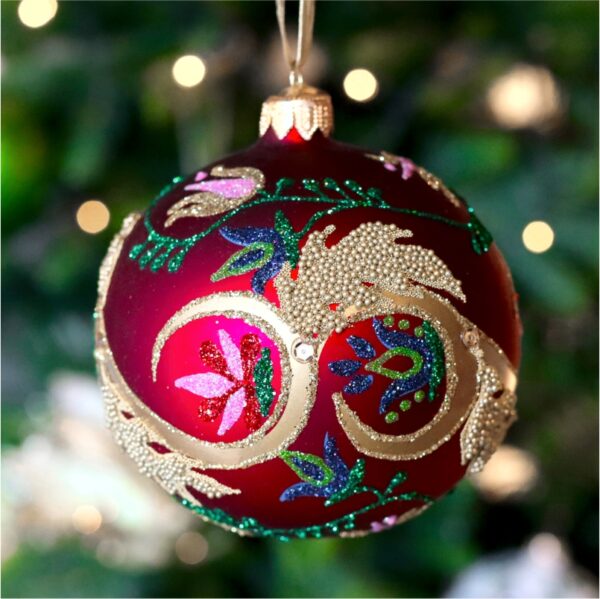
- glass baubles with an angel motif
- nativity scene figurines
- fabric and paper angels for hanging
- ceramic angels for tables and windowsills
- angels made from natural materials such as straw or wood
When choosing Christmas decorations with an angel, it’s worth paying attention to the quality of workmanship and material. Glass baubles and hand-painted figurines from Bombkarnia’s offer combine traditional symbolism with high aesthetics, creating cohesive arrangements for every holiday.
Grave Angels and Their Role in Funeral Decorations
Grave angels hold a special place in the Polish tradition of commemorating the deceased. A stone or metal angel figure on a tombstone symbolizes protection over the soul of the buried person and hope for resurrection. This motif has been present in Polish cemeteries since at least the 19th century.
Funeral decorations with an angel take various forms. They can be stone sculptures, metal tombstone elements, or smaller ceramic figurines placed at gravesites. Each form expresses the same message: faith in a protective presence and the trust that death is not the end.
Angels made of bronze or stainless steel are increasingly replacing traditional stone sculptures due to their durability and resistance to weather conditions. Their symbolism remains identical; only the material and manufacturing technology change.
Tip: When selecting a grave angel, it’s advisable to check if the figurine has adequate protection against frost and moisture, which determines its durability for many years.
Handmade Christmas Ornaments and Decorations from Bombkarnia
Bombkarnia is a Polish manufacturer of handmade baubles and Christmas decorations, operating continuously since 2006. All ornaments are created in the studio of Polish visual artists, making each one unique. Inspirations drawn from Polish folklore, traditional fabric patterns, paper cutouts, and old regional costumes give the products a unique, native character.
Bombkarnia’s collections include both classic Christmas motifs and modern decorative forms. Two collections are created annually: spring and winter, in line with current trends from international design fairs. Detailed information about the brand’s history and production methods is available on our about us page.
A Wide Range of Hand-Painted Products
The offer includes products for various occasions and holidays. The main product groups available in the store:
Ornaments available at Bombkarnia:
Each product is crafted by Polish artisans, ensuring the highest level of workmanship. Hand-painting means that even two seemingly identical items will have slight variations in detail, giving each ornament an individual character.
How to Make a Purchase and Get Help
Bombkarnia products are available through two sales channels. Orders are processed by the online store, which ships ornaments to customers throughout Poland and abroad. Those who prefer direct contact with the product can visit the physical store and see the ornaments in person before purchasing.
Bombkarnia customers regularly share positive feedback, appreciating the high quality of products, efficient service, and prompt order fulfillment. Reviews from satisfied buyers are available in Google reviews.
When choosing a specific design or placing a custom order, it is advisable to contact us directly through the contact form, where specialists will advise you on selecting the appropriate decoration. Every order is handled with the utmost care and attention to detail, regardless of its scale.
Where and How to Use Angel Decorations in Interior Design
Angel decorations have preferred locations within home spaces. Their placement is not arbitrary. Both tradition and interior design principles point to specific areas where the angel motif works best.
Angels in the Living Room, Bedroom, and Sacred Spaces
The living room is a space where decorative angels serve both a representative and symbolic function. A figurine placed on a fireplace, sideboard, or bookshelf attracts attention and brings an element of tranquility to the shared family space. Larger angel sculptures work well as compositional focal points against neutral walls.
Bedrooms are places where the guardian angel takes on a special meaning. Placed by the bed or on a nightstand, an angel fits into the tradition of protecting sleepers. Smaller, delicate figurines made of ceramic or plaster fit perfectly into the subdued aesthetics of a bedroom.
Home altars and sacred spaces are a natural context for angel imagery. An angel figurine placed next to a painting or cross creates a cohesive composition with a distinct spiritual character. In Polish homes, such an arrangement is part of a deeply rooted tradition.
Rustic, Classic, and Modern Styles with an Angel Motif
The angel motif in various interior styles requires matching the figurine’s form to the space’s character. The rustic style harmonizes best with angels made of natural materials, wood, terracotta, or unpolished stone. The raw texture of the material enhances the authentic, traditional character of the arrangement.
The classic style favors figurines made of ceramic or plaster in white and gold. Angels with distinct details, flowing robes, and serene faces fit perfectly into the elegant, symmetrical compositions typical of classic interiors.
Modern interiors increasingly opt for simplified, abstract forms of angels. Geometric figurines made of metal, architectural concrete, or matte ceramic allow for the preservation of symbolism while maintaining a minimalist aesthetic.
Tip: When arranging a modern interior with an angel motif, it’s worth opting for one prominent focal point rather than many small figurines, which creates a strong accent without overwhelming the space.
FAQ: Frequently Asked Questions
Where does the custom of placing angels in home decor come from?
The custom of decorating interiors with angel imagery has roots reaching back to early Christian catacomb art from the 2nd and 3rd centuries. Winged figures adorned the walls of underground tombs as symbols of care for souls. Over the centuries, this motif permeated the decor of churches, palaces, and eventually home spaces.
Baroque had a key influence on the popularity of angels as decorations, during which figurines and paintings of angels reached the peak of artistic expression. This tradition became so firmly established that decorative angels remain present in Polish homes to this day, regardless of current interior design trends.
What do angels placed in the home truly symbolize?
Angels in interior decoration primarily symbolize protection, purity, and spiritual guidance. An angel figurine placed in a visible spot expresses a desire for the protection of household members and their loved ones. In Christian tradition, the guardian angel is a symbol of the constant presence of a higher power with every person.
Beyond the religious context, angels also carry universal values: peace, hope, and harmony. Therefore, decorative figurines with an angel appear in both deeply religious homes and in entirely secular spaces. What they have in common is the belief that the presence of an angel brings an atmosphere of security to the interior.
What materials are decorative angels made from, and which works best?
Decorative angels are made from many materials, each with different properties and uses. Ceramic and plaster are classic choices for interiors, valued for their ability to showcase rich details and soft forms. Angels made of stone, bronze, or metal are suitable for gardens and gravestones, as they withstand moisture and frost well.
The choice of material should depend on the display location and interior style. Ceramic angel figurines complement classic and rustic arrangements, while metal or concrete forms better fit modern and minimalist aesthetics. Hand-painted ceramic or plaster pieces have additional artistic value.
How to properly display an angel figurine in your home?
An angel figurine looks best in a place where it naturally draws the eye. Large sculptures serve as a central decorative element on a fireplace, sideboard, or near the entrance to a home. Smaller ceramic angels for interiors are perfectly suited for shelves, nightstands, or home altars.
It is important to match the figurine’s size to the room’s scale. A figure that is too small can get lost in a large space, while one that is too massive can overwhelm a small room. In modern arrangements, the principle of a single dominant piece is effective, meaning one distinct figurine is placed instead of many smaller ornaments, giving the space a cohesive and thoughtful character.
Summary
Angels in decorations are an extraordinary blend of history, art, and deep symbolism. Their roots reach from ancient catacombs, through Gothic cathedrals and Baroque churches, to contemporary interiors. Wings, white robes, and serene faces consistently convey the same values: protection, purity, hope, and connection to a higher order.
When choosing a decorative angel figurine, it is worth being aware of the centuries-old tradition behind it. Regardless of interior style, material, or occasion, the angel motif brings something to a space that no other decoration can replace: a sense of peace and meaning.

 PL
PL