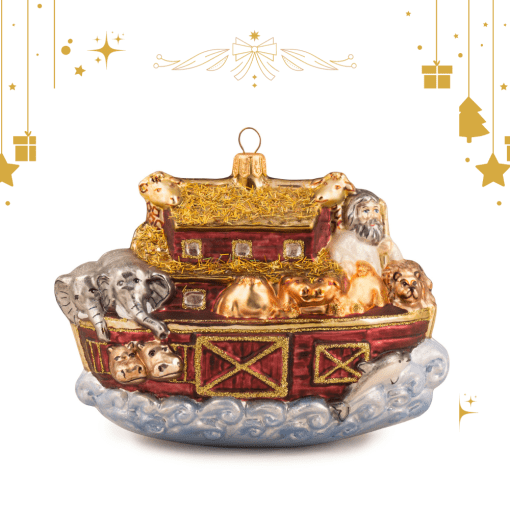
Glass baubles at a wedding symbolize elegance and romance. Their history dates back to the glassmaking craft of Thuringia, Germany. The custom of decorating wedding venues grew from decorating Christmas trees. Learn about the fascinating roots of this tradition. Discover how glass became part of wedding ceremonies.
Glass baubles at a wedding evoke elegance, romance, and exceptional attention to every detail of wedding decor. The shimmer of glass, the spherical shape, and carefully chosen colors make glass wedding decorations eye-catching and memorable. However, few people consider the origin of the custom of using glass spheres during wedding ceremonies.
The history of decorating weddings with glass baubles is surprisingly deep. It intertwines with glassmaking craftsmanship, folklore, and wedding rituals rooted in Central European culture. This tradition has crossed borders, changed forms, and acquired new meanings over centuries.
Understanding its origins allows for a completely different perspective on glass wedding decorations. Each bauble hung carries the story of human hands, the symbolism of love, and carefully preserved craftsmanship.
Where does the custom of decorating weddings with glass baubles come from?
The custom of decorating wedding venues with glass baubles grew out of the much older tradition of decorating Christmas trees. Before glass spheres found their way onto wedding tables and into banquet halls, they adorned the branches of fir trees in German and European homes for decades. The journey from a Christmas tree ornament to a wedding decoration element was long but natural.
The first glass ornaments and their origins in Lauscha, Germany
The town of Lauscha in Thuringia, in the heart of Germany, became the birthplace of glass Christmas tree ornaments. Glassmakers settled there in 1597, establishing the first manufactories. For decades, they produced glass beads and vessels that were sold at markets throughout Europe.
The breakthrough occurred around 1847 when Hans Greiner, from a family of glassblowers, created the first spherical ornaments blown from hot glass. According to historical accounts, he lacked the means for traditional Christmas tree decorations like apples or nuts and created hollow glass spheres. The first glass baubles had simple shapes but quickly evolved. Around 1848, wooden molds began to be used for their production, allowing for ornaments in the shapes of fruits, animals, and human figures.
From the 1870s onwards, the interiors of the spheres were silvered with silver nitrate, giving them a metallic sheen and depth of color. Lauscha became the center for the production of glass ornaments exported throughout Europe and North America. By 1900, artisans from the Lauscha region were creating almost all known forms of these decorations.
How glass baubles moved from the Christmas tree to wedding celebrations
For a long time, glass Christmas ornaments were a symbol of prosperity and care for the home. Families who could afford glass baubles from Lauscha treated them as valuable items. As holiday culture began to permeate wedding rituals, glass ornaments naturally became part of the decor for halls and tables.
Wedding decorations made of blown glass appeared on tables, in floral arrangements, and as arch decorations as early as the end of the 19th century. Artisans from Thuringia and Bavaria began producing glass spheres in sizes and colors suitable for family celebrations. The shimmer of glass perfectly complemented the candles and flowers that were an integral part of wedding decor.
The Victorian Era and the Flourishing of Glass Ornaments for Parties
The Victorian era, spanning from 1837 to 1901, brought about an explosion of interest in decorative glass. The Christmas tree was first erected at Windsor Castle in England in 1841, elevating glass ornaments to an aristocratic fashion. The upper classes quickly adopted the custom of decorating interiors with blown glass, extending it from the Christmas tree to entire parties.
Blown glass items adorned wedding tables, garlands above ballroom entrances, and floral arrangements at parties. Glass spheres combined aesthetics with symbolism of prosperity and the future, making them a natural choice for weddings. The tradition of Victorian-era glass wedding decorations has survived and evolved in the 20th century, becoming part of Western European wedding culture.
What Do Glass Baubles Symbolize During a Wedding Ceremony?
Glass baubles are more than just decoration. Every aspect of their appearance, from shape to color, carries specific meaning. For generations, glass spheres have been imbued with the symbolism of love, protection, and the shared marital journey.
The Meaning of the Spherical Shape and Glass Transparency in Ceremonies
The sphere has long been recognized as a symbol of perfection and infinity. It has no beginning or end, which in wedding tradition translates to an image of lasting and unbroken love. The spherical shape of glass baubles for weddings alludes to this archaic concept of wholeness and unity of two people.
The transparency of glass symbolizes sincerity and openness in a relationship. The glass surface reflects light and its surroundings, metaphorically representing a life in harmony with the world and with one’s partner. Scratches, cracks, or cloudiness in the glass diminished its aesthetic value, thus the care for glass ornaments also symbolized the care for the relationship.
The Colors and Patterns of Glass Ornaments and Wishes for the Newlyweds
The individual colors of glass wedding ornaments have their own meanings, rooted in European symbolic tradition.
The Meaning of Colors in Wedding Glass Baubles:
- White and silver – purity, new beginnings, blessings
- Gold – prosperity, good fortune, and lasting union
- Green – hope, fertility, and harmony in the home
- Red – passion, love, and courage in experiencing life
- Blue – fidelity, peace of mind, and trust
The choice of bauble colors for the wedding ceremony was a thoughtful gesture. Guests and family chose colors according to the wishes they extended to the newlyweds. Hand-painted patterns on glass spheres, such as hearts, flowers, or birds, enhanced the symbolism and gave each ornament an individual character.
Glass Bauble as a Wedding Gift and Keepsake for Guests
Hand-painted glass baubles eventually became a popular keepsake given to wedding guests. Each one, decorated with the wedding date or the couple’s names, served as a lasting memento of the celebration. This tradition particularly flourished in Germany and the Czech Republic, where glassmaking craftsmanship had centuries-old roots.
Commemorative blown glass wedding baubles given to guests also served a symbolic function. Placed on a Christmas tree or displayed in the home, they served as a reminder of the event that united families. This custom has survived to this day, and personalized glass wedding ornaments are a popular gift for christenings, anniversaries, and weddings.
How does the custom of breaking glass connect with the tradition of wedding baubles?
Glass appears at weddings not only as decoration. In Central European tradition, breaking glass was a ritual with deep ceremonial symbolism. This custom directly influenced the perception of glass objects as elements of the wedding ceremony.
Polterabend and its influence on Polish wedding ceremonies
Polterabend is a custom involving the breaking of glass and porcelain in front of the bride’s house on the eve of the wedding. The word comes from German and literally means “noisy evening.” The tradition has survived to this day, especially in Kashubia, Kociewie, Żuławy Wiślane, Upper Silesia, Chełm Land, and Kujawy.
The Polterabend ritual is also known in Austria, Denmark, and Switzerland. It came to Poland primarily from Prussian and Silesian regions, where contact with German culture was very close for centuries. Guests gathered in front of the bride’s house and broke glass and porcelain items they brought, such as plates, cups, or vases.
Main rules of Polterabend:
- Glass and porcelain are broken in front of the bride’s family home
- The future couple must clean up the shards together
- Guests break dishes, but not glasses, as broken glass can bring bad luck (Silesian version)
- The custom takes place on the evening before the wedding
- The noise is meant to ward off evil spirits and bad wishes
The joint cleaning of the shards by the bride and groom symbolized their readiness to work together, even when things didn’t go their way. It was a kind of test of character and mutual support.
The sound of breaking glass as a symbol of luck and protection for the newlyweds
In folk tradition, the noise of breaking glass and porcelain had protective power. It was believed that loud sounds ward off evil spirits and curses. The glass clamor of Polterabend served as a ritual cleansing of the space before the big day.
Breaking glass also symbolized the farewell to an old life and the transition to a new state. Glass shards were something that could not be repaired, which strengthened the symbolic meaning: the past is left behind, and a new chapter opens before the couple.
The ritual of broken glass at weddings has survived in various forms. The tradition of breaking glasses after the first toast stems from the same symbolism. Glass wedding baubles, on the other hand, have become a more subtle variant of the glass motif, replacing destruction with aesthetics.
Tip: When planning a wedding with a nod to the Polterabend tradition, it’s a good idea to organize a separate area for guests to smash old dishes, and place wedding glass baubles in the hall’s decoration as a modern echo of this ancient ritual.
Handmade Glass Ornaments and Christmas Decorations from Bombkarnia Store
Bombkarnia is a Polish producer of glass baubles and Christmas decorations, operating since 2006. All ornaments are created by hand by Polish visual artists, making each one unique. The designs draw inspiration from Polish folklore, folk fabric patterns, paper cutouts, and old regional costumes.
Glass Christmas Baubles and Ornaments for Every Occasion
The store’s assortment includes a wide range of blown glass products, hand-painted and decorated with the utmost precision.
Ornaments available in the store:
Each ornament is crafted with attention to detail, and hand-painting ensures that no two pieces are identical. Collections are created seasonally, with designs inspired by both Polish Baroque and current trends from international decorative art fairs.
Check products in Wedding Baubles and Decorations at Bombkarnia Shop
Bombkarnia’s Online and Physical Store
Ornaments are available year-round in the online store, which allows for home delivery. For those who prefer direct contact with the product, a physical store is also available, where collections can be viewed in person.
Customer reviews confirm the high quality of craftsmanship, fast shipping, and professional service. You can read buyer reviews to see the level of satisfaction with completed orders.
All those interested in placing an individual order or seeking assistance with selecting ornaments are encouraged to visit the contact page. The Bombkarnia team is ready to help with every project, from a single commemorative bauble to larger collectible orders.
What is a “wedding bauble” as a gift for newlyweds?
A glass bauble presented to newlyweds has a completely different character than a wedding reception decoration. It has become a symbolic gift that the couple takes to their new home and cherishes for years as a memento of their love and shared beginning.
The Wedding Ornament tradition and the first shared bauble in the USA
In the United States, a strong tradition known as “The Wedding Ornament,” or commemorative wedding bauble, has developed since the 1980s. Newlyweds receive glass ornaments on the occasion of their wedding and hang them on their first Christmas tree together. This custom combines European glassmaking heritage with American holiday culture.
This tradition gained popularity due to the growing interest in glass art from Germany and the Czech Republic. Hand-blown, personalized wedding baubles with the couple’s date and names have become one of the most popular wedding gifts in Anglo-Saxon culture. Each year brings another ornament, creating a collection of memories hung every Christmas.
The German legend of the bride’s tree and 12 glass ornaments
From Bavaria comes a beautiful tradition called “Tannenbaum der Braut,” meaning bride’s tree. According to legend, the newlyweds’ family or friends would present the couple with a set of 12 hand-blown glass ornaments. Each of the twelve baubles had a different symbolic meaning, and together they formed a complete set of blessings for their life together.
These ornament sets included baubles in the shapes of: a heart (love in the home), an angel (faith and protection), a church (God’s presence in the family), a fruit basket (abundance), a bird (joy), a pinecone (durability and motherhood), a fish (fertility and faith), a hare (hope), a rose (beauty), a house (family shelter), an animal (peace with nature), and a figure of Santa Claus (generosity and sharing).
| Ornament |
Symbol |
Meaning |
| Heart |
Love |
True love in the home |
| Angel |
Faith |
Protection and blessing |
| Church |
Spirituality |
God’s presence in the couple’s life |
| Fruit basket |
Abundance |
Prosperity and hospitality |
| Bird |
Joy |
Happiness and harmony |
| Pinecone |
Durability |
Eternity and motherhood |
| Fish |
Faith |
Fertility and spirituality |
| House |
Shelter |
Family warmth |
| Rose |
Beauty |
Home beauty and gratitude |
| Hare |
Hope |
Faith and optimism |
The tradition of gifting a set of 12 glass ornaments has been cherished in Bavarian families for generations. They were produced by glassblowing, silver-plated from the inside, and hand-painted. Each ornament was unique.
The Newlyweds’ First Christmas Tree Together and the Role of a Commemorative Ornament
The first Christmas tree decorated by newlyweds holds special significance in many European and American cultures. A couple who adorns it after their wedding symbolically builds a new home and new traditions. The wedding ornament hung during this ceremony becomes the most important decoration on the tree.
Elements of the First Newlyweds’ Christmas Tree Tradition:
- An ornament with the wedding date and the couple’s names as the focal point of the decoration
- Glass baubles from a wedding set passed down from family as the foundation of the collection
- A wreath on the Christmas tree made of wedding flowers or their dried counterparts
- New ornaments purchased or handmade each year as a chronicle of the relationship
The collection grows with each passing year. Commemorative glass wedding ornaments become a kind of chronicle of the family’s life. A fortieth wedding anniversary might mean forty ornaments, each telling the story of one year.
Tip: When decorating the newlyweds’ first Christmas tree together, ask family members to bring one glass ornament with a personal wish. The tree will feature the wishes of all loved ones, and the ornaments will serve as a reminder of the special day for many years.
FAQ: Frequently Asked Questions
Where does the tradition of using glass ornaments as wedding decorations come from?
The tradition of decorating weddings with glass ornaments originates from Germany, with roots reaching back to the 17th century. Craftsmen from the town of Lauscha in Thuringia were the first to produce hand-blown glass spheres, which were initially used to decorate Christmas trees. Over time, glass ornaments began to accompany family celebrations, and their sparkle and symbolism perfectly fit the wedding atmosphere.
The Victorian era significantly accelerated the popularity of glass ornaments at wedding receptions. European aristocracy eagerly decorated banquet halls with blown glass. This tradition gradually permeated into lower social classes, becoming an element of common wedding culture.
What do glass ornaments symbolize during a wedding ceremony?
A glass wedding ornament carries rich symbolism. The spherical shape signifies infinity and the absence of a beginning or end, translating into the image of enduring and unbroken love. The transparency of the glass symbolizes sincerity and openness, which form the foundation of any lasting relationship.
The colors of glass ornaments have their own meanings. White signifies purity and a new beginning, gold represents prosperity and good fortune, and green expresses hope and harmony in the home. Hand-painted designs on glass wedding ornaments, such as hearts, flowers, or birds, enhance the message and give each ornament depth.
What is the “bride’s tree” tradition and what role do glass baubles play?
From Bavaria comes a beautiful custom called “Tannenbaum der Braut,” meaning bride’s tree. The family or loved ones of the newlyweds would present the couple with a set of 12 hand-blown glass ornaments. Each of the twelve baubles symbolized a different blessing for their shared life, from love and faith, through prosperity and fertility, to a family home and joy.
The set of glass ornaments was then placed on the newlyweds’ first shared Christmas tree. Cherishing these keepsake glass baubles from the wedding set was a gesture of care for their home and relationship. The custom has survived to this day and inspires couples to create their own collections of ornaments, which become a chronicle of their life together.
How does the Polterabend tradition relate to the custom of glass in wedding ceremonies?
Polterabend is a custom originating from Germanic culture, involving the smashing of porcelain and glass in front of the bride’s house on the evening before the wedding. The noise of the breaking items was traditionally believed to ward off evil spirits and protect the future marriage. This custom reached Poland through the Silesian and Prussian regions, where it has been preserved to this day, especially in Kashubia, Upper Silesia, and Kujawy.
The couple’s joint cleanup of the shards was a symbolic test of their readiness for cooperation. Glass objects in wedding ceremonies, both the ritually broken ones and the beautiful baubles adorning the venue, draw from the same symbolism. Glass represents the fragility of life, and caring for it, as well as for the ornaments, expresses concern for the relationship and mutual respect.
Summary
The tradition of decorating weddings with glass baubles grew out of deeply rooted customs, legends, and craftsmanship. Its origins date back to seventeenth-century Lauscha, where the first glassblowers created ornaments that conquered all of Europe. Through the Victorian era, Polterabend, and Bavarian legends of the bride’s tree, glass spheres became a fully-fledged element of wedding culture. Each wedding bauble made of blown glass carries the symbolism of love, durability, and hope.
The history of glass wedding decorations teaches us that objects imbued with love and intention become more than just ornaments. They become a bridge between generations, between tradition and the present. By hanging a glass sphere on their first shared Christmas tree or placing it on the wedding table, the young couple unknowingly participates in a ritual over one hundred and seventy years old.

 PL
PL