
 PL
PL
-
×
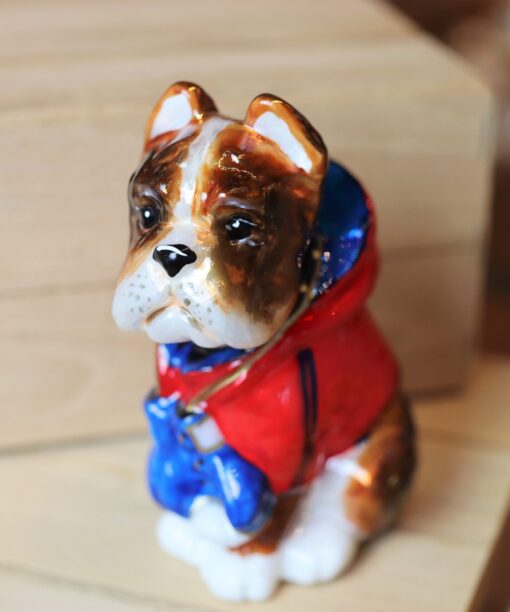 Dogs Komozja - Boxer the boxer
1 × 170.00 zł
Dogs Komozja - Boxer the boxer
1 × 170.00 zł -
×
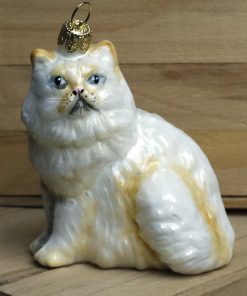 Cats Komozja - Persian cat
1 × 120.00 zł
Cats Komozja - Persian cat
1 × 120.00 zł
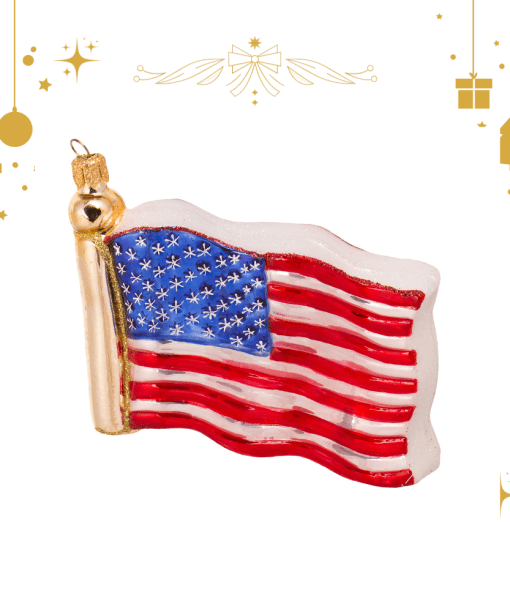
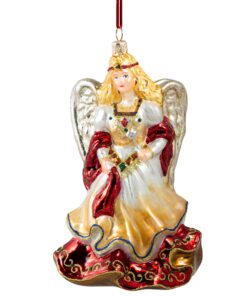
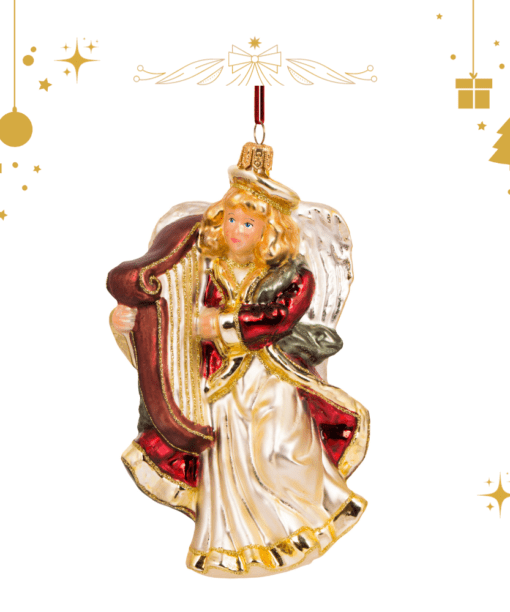
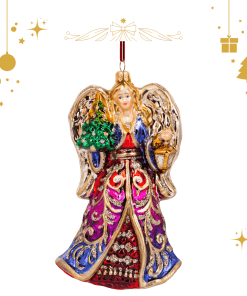
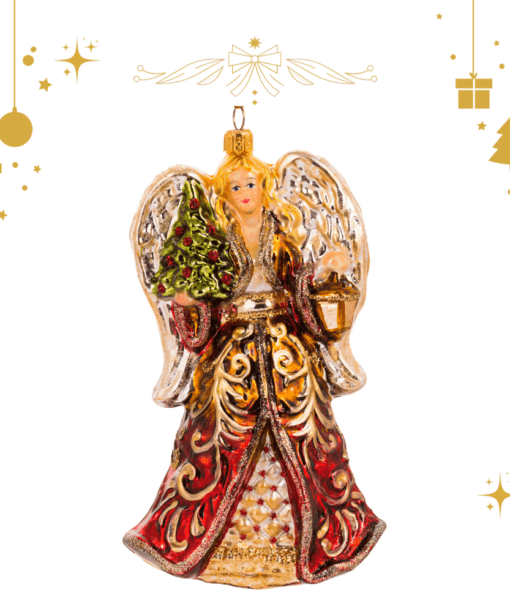

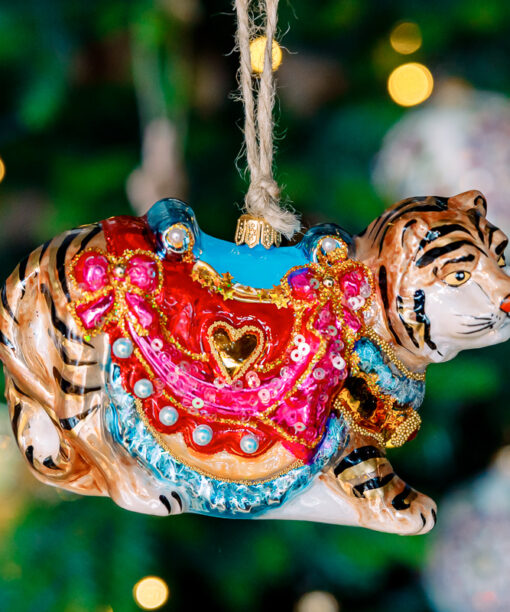
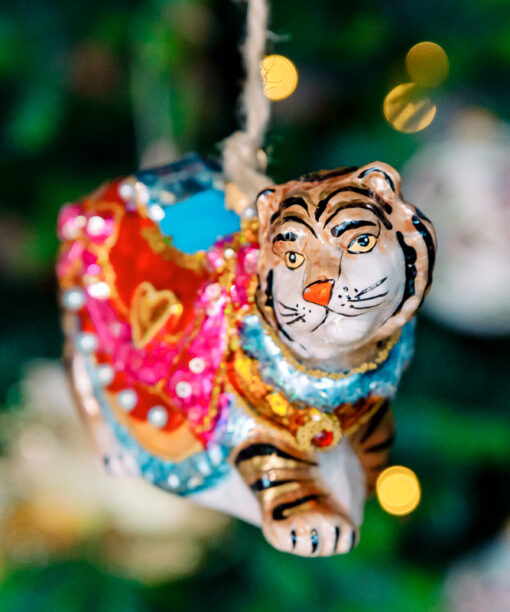
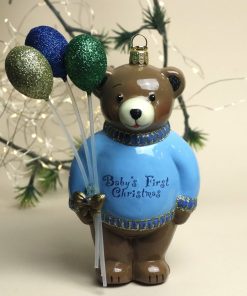
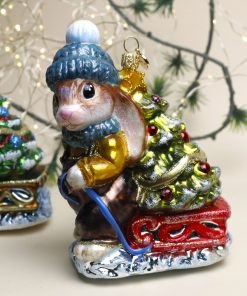
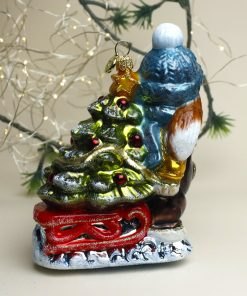
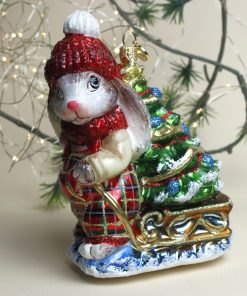
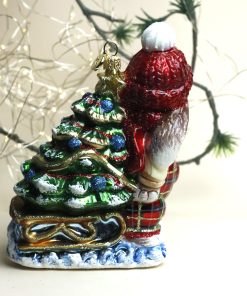
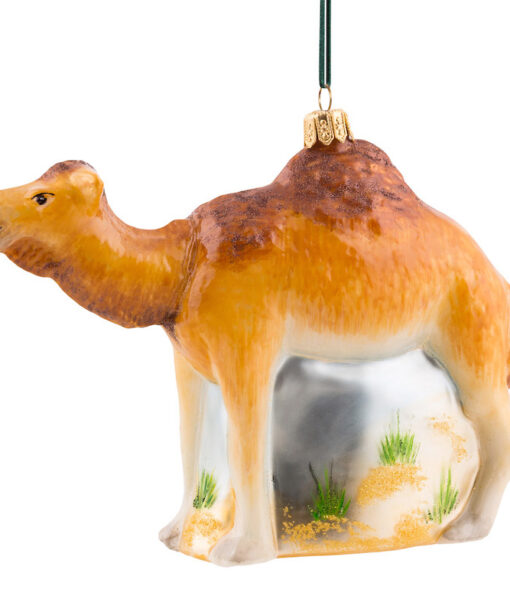
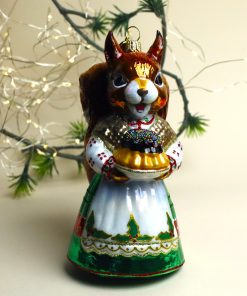
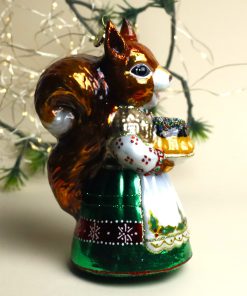
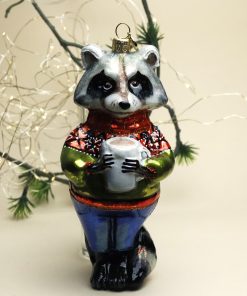
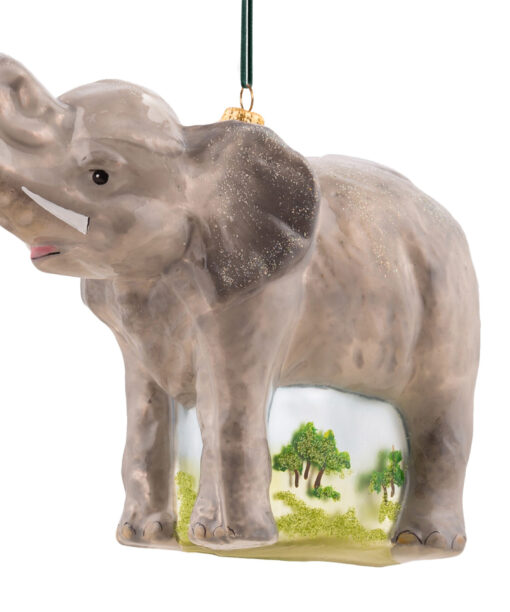
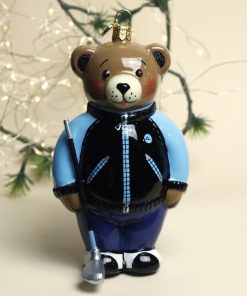
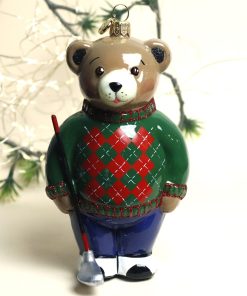
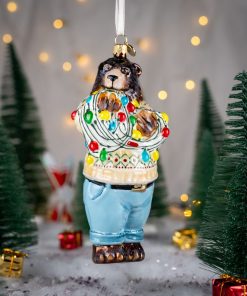
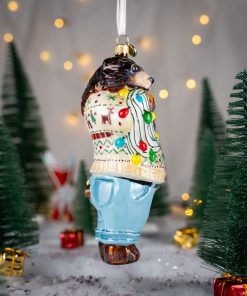
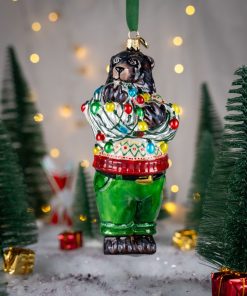
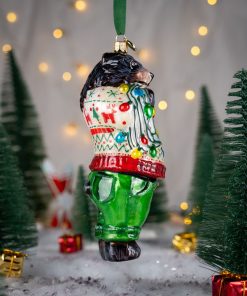
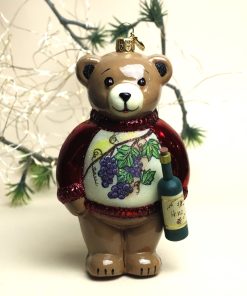
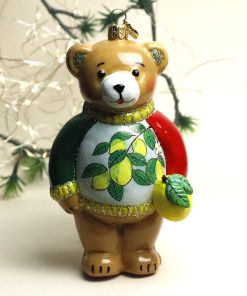
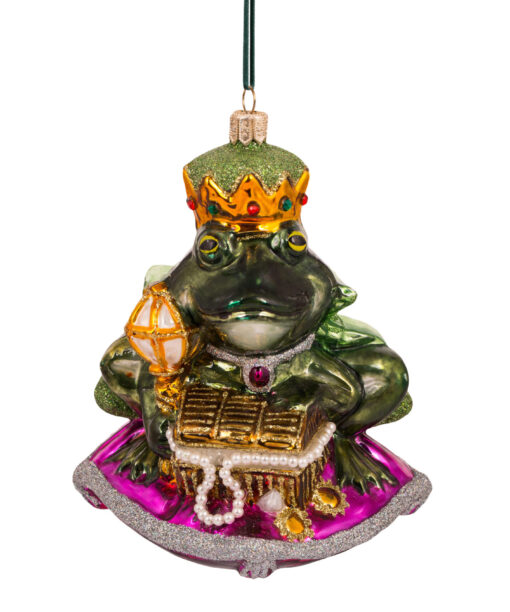
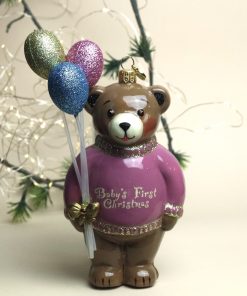
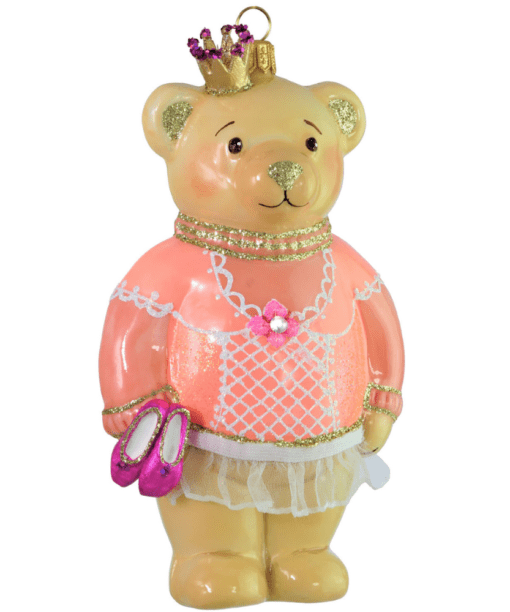
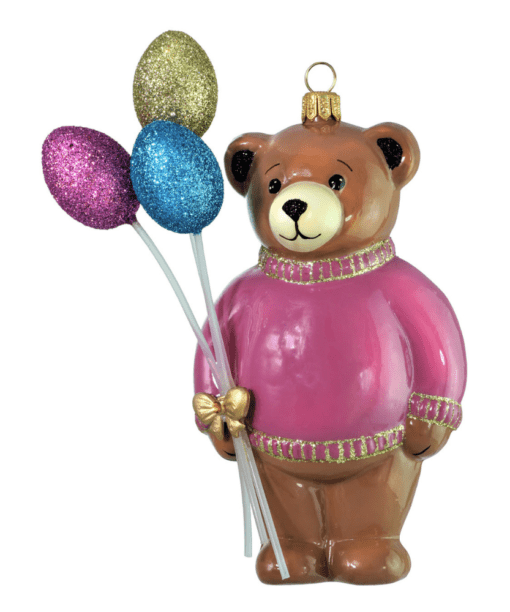
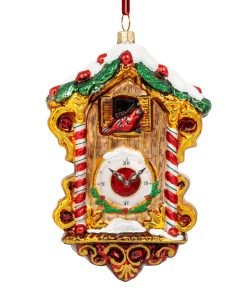
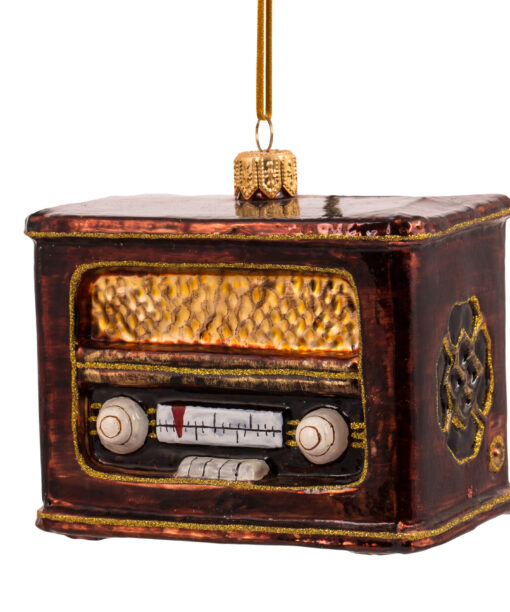

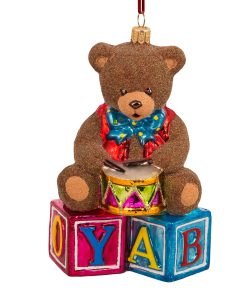
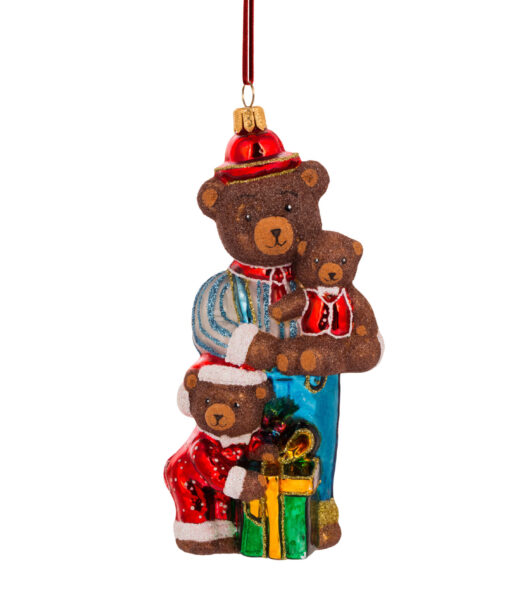
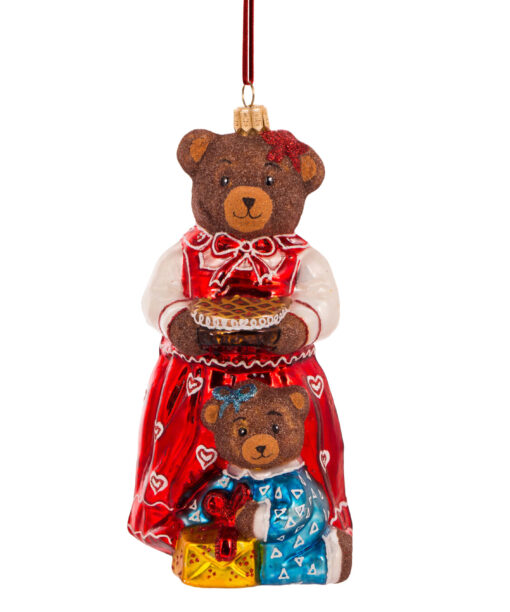
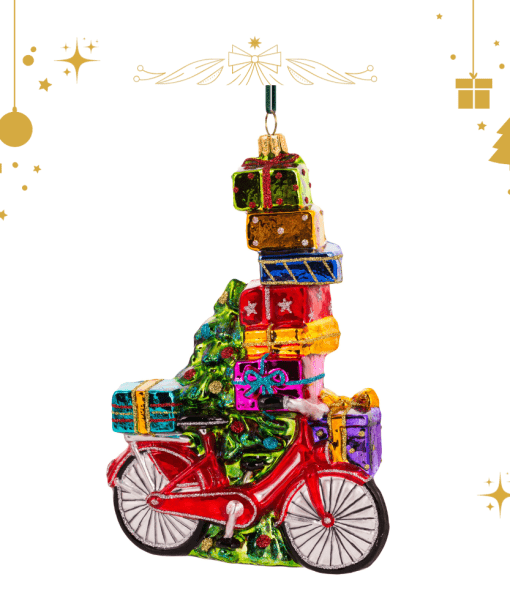
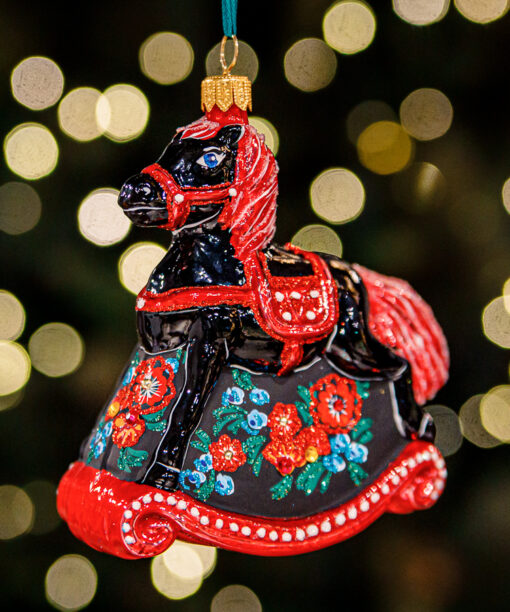
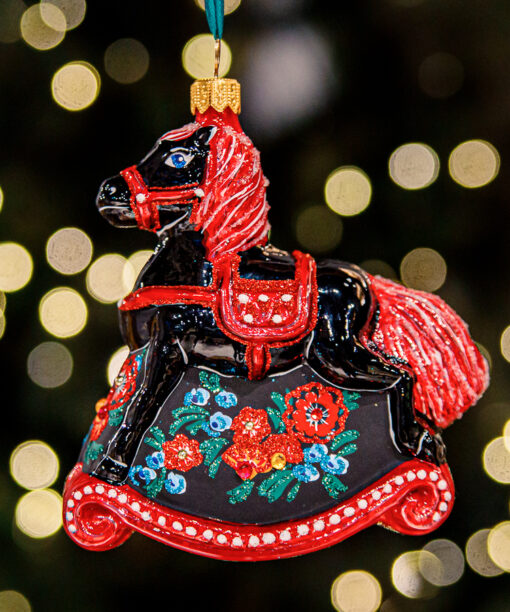
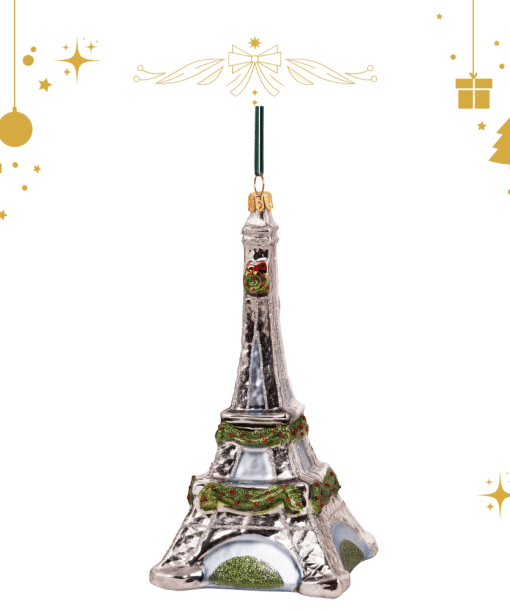
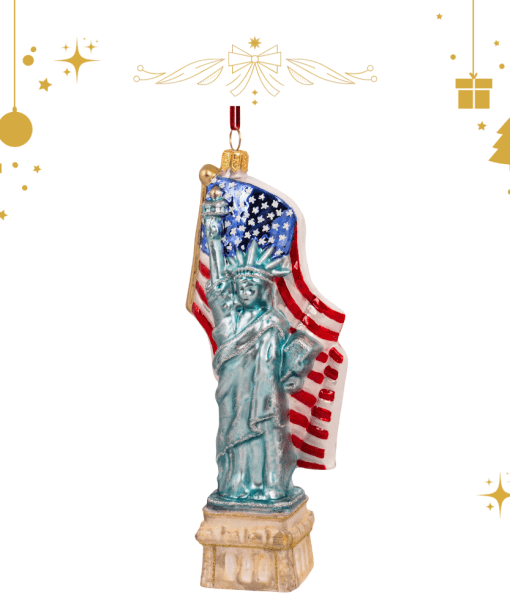
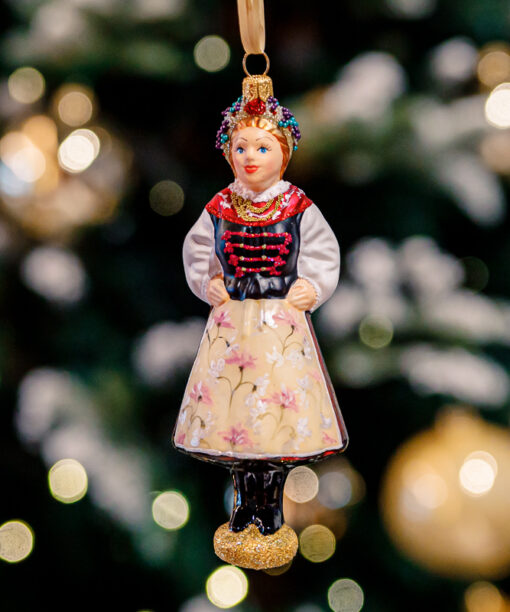
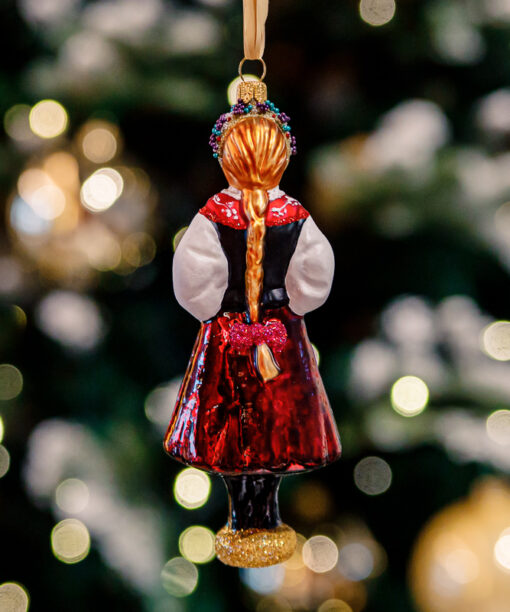
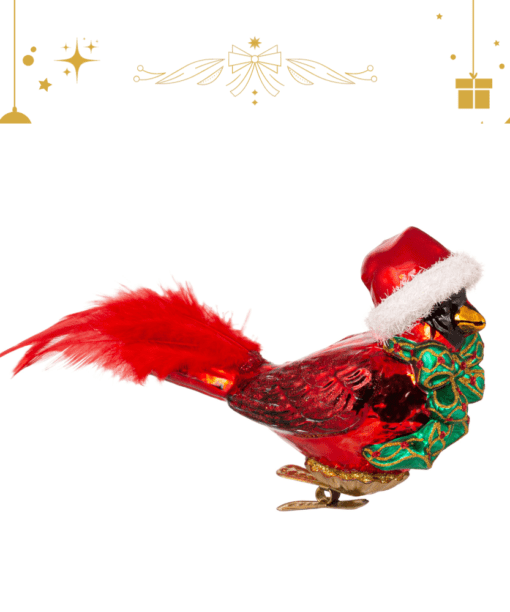
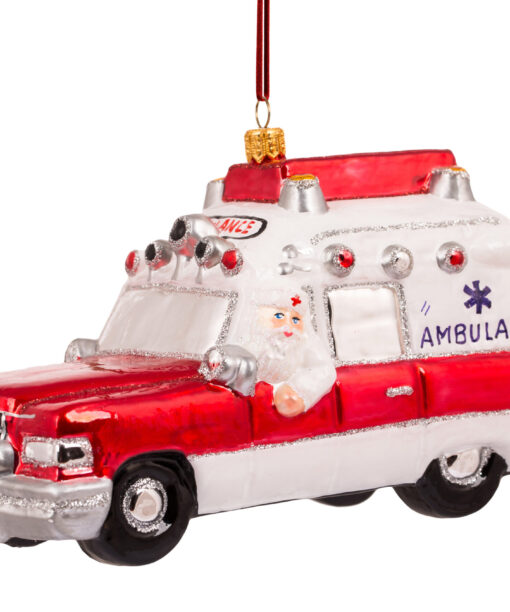
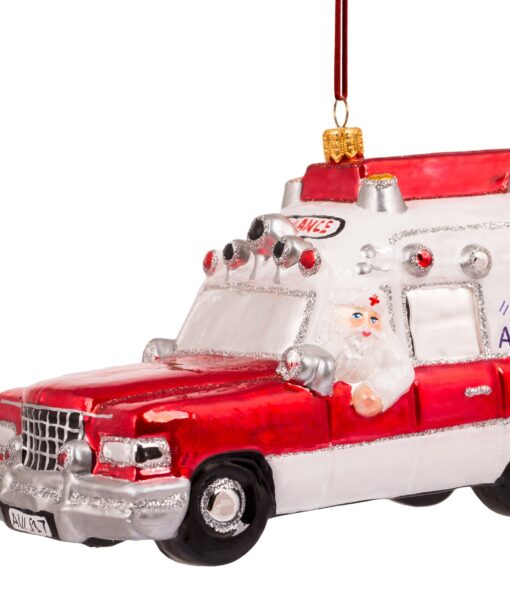
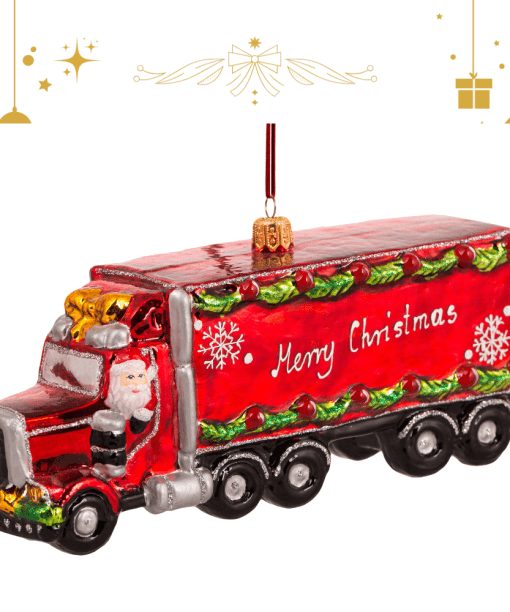
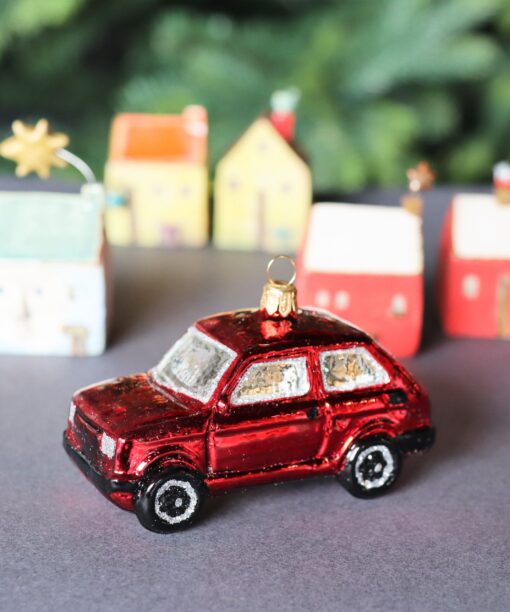
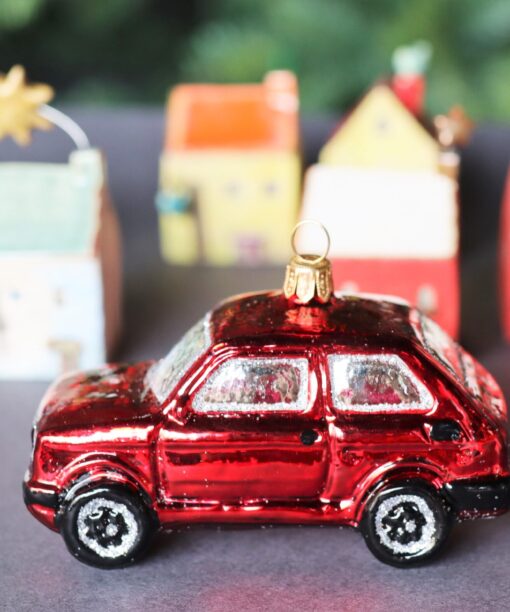
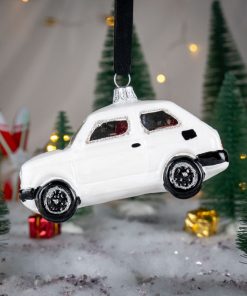
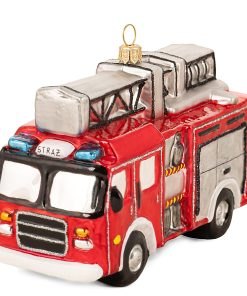
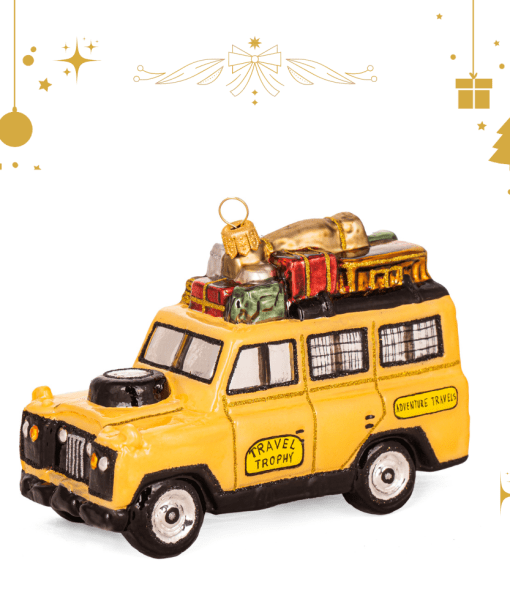
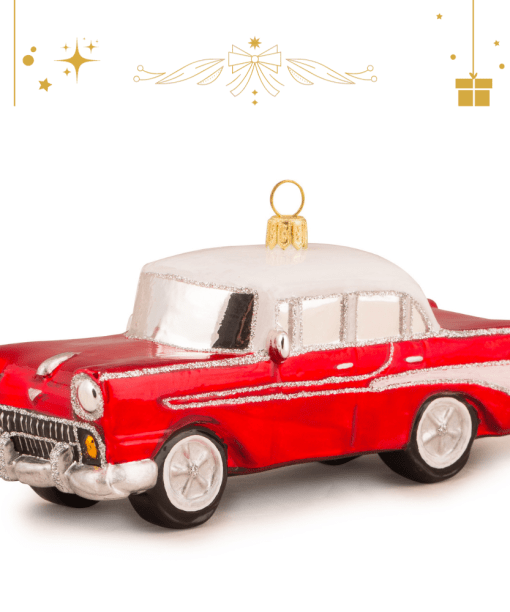
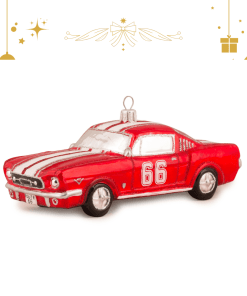
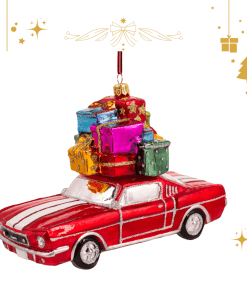
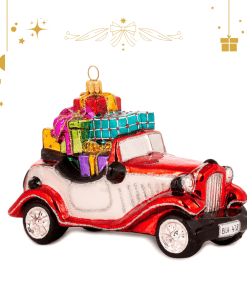
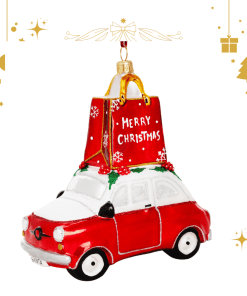
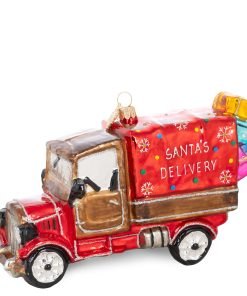
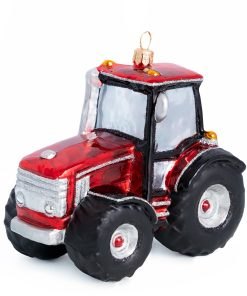
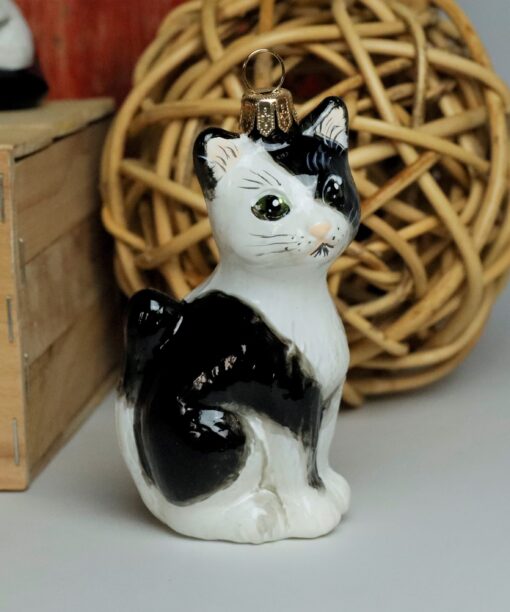
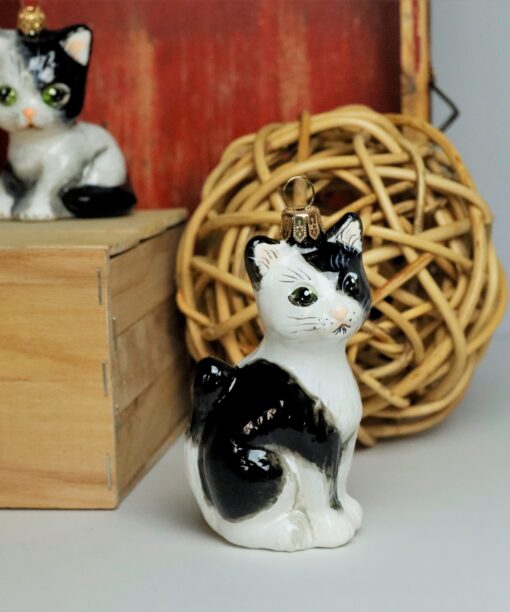
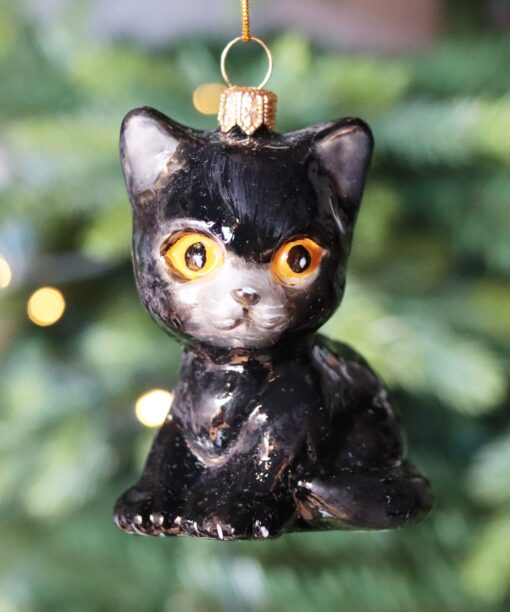
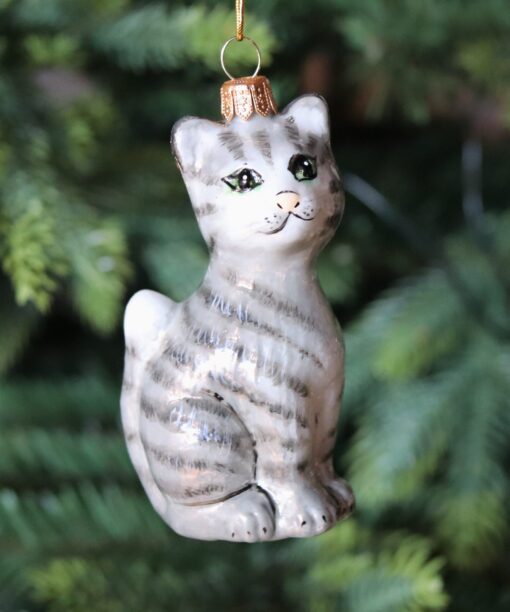
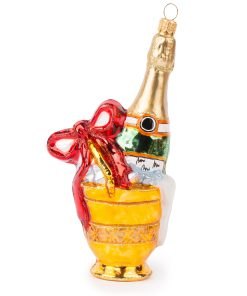
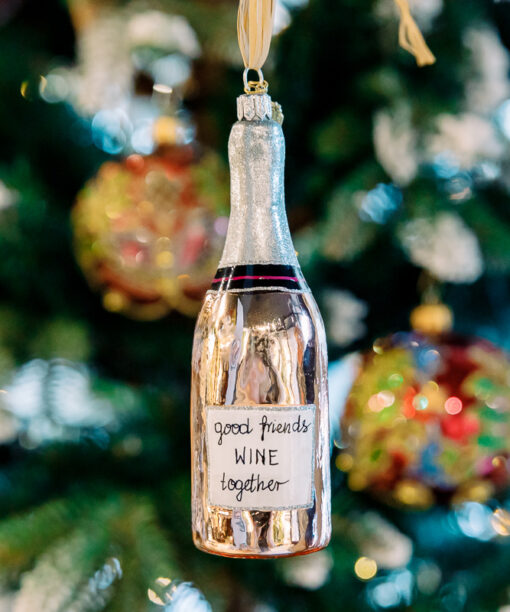
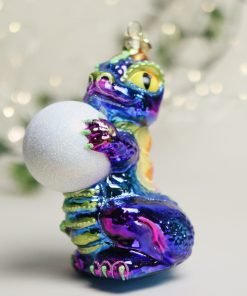
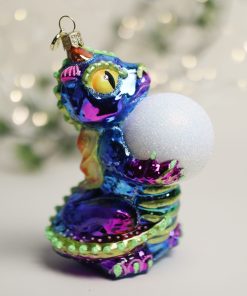

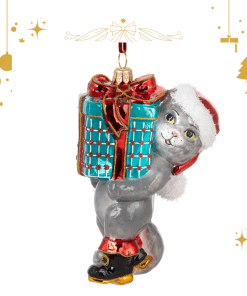
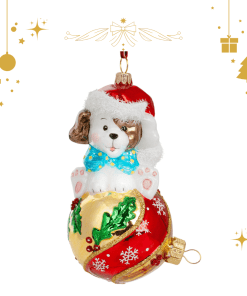
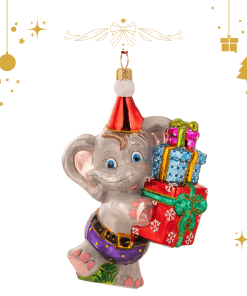
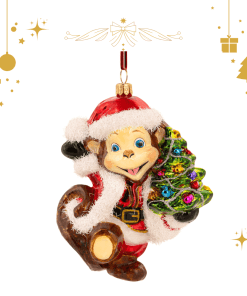
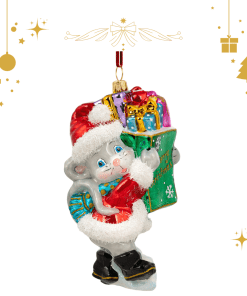
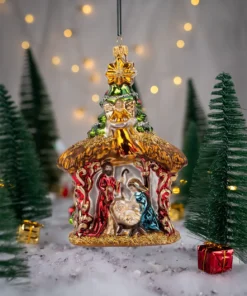
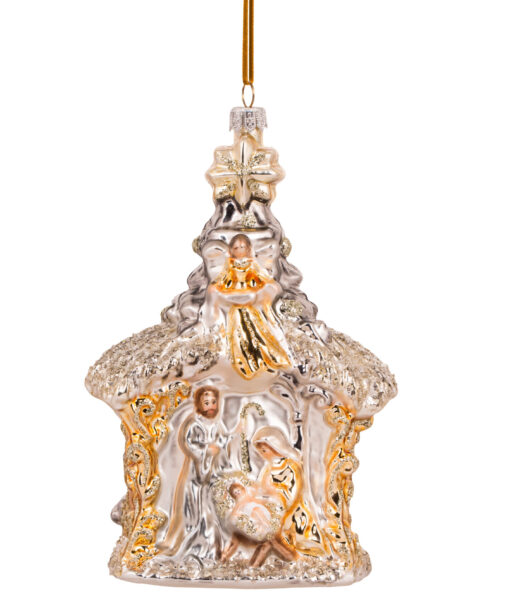
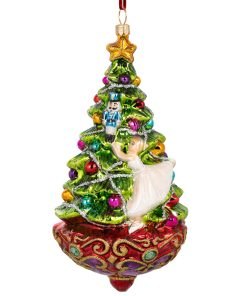
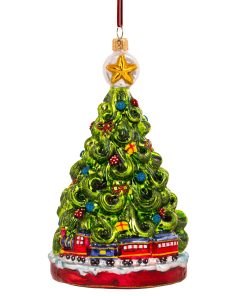
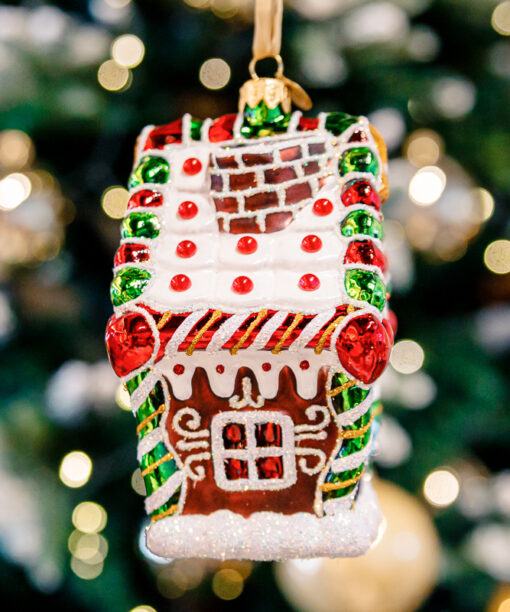
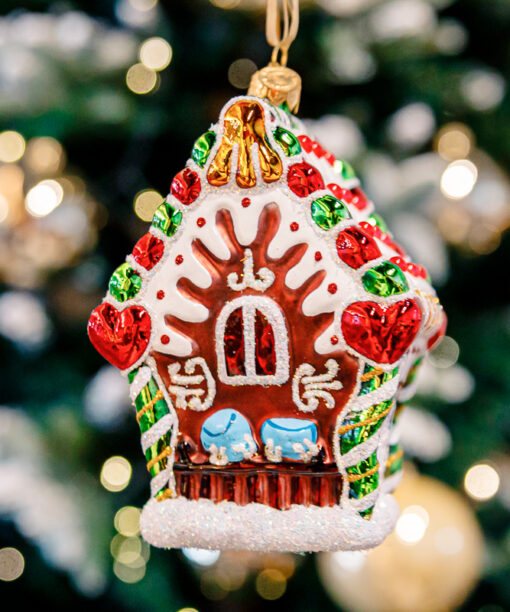

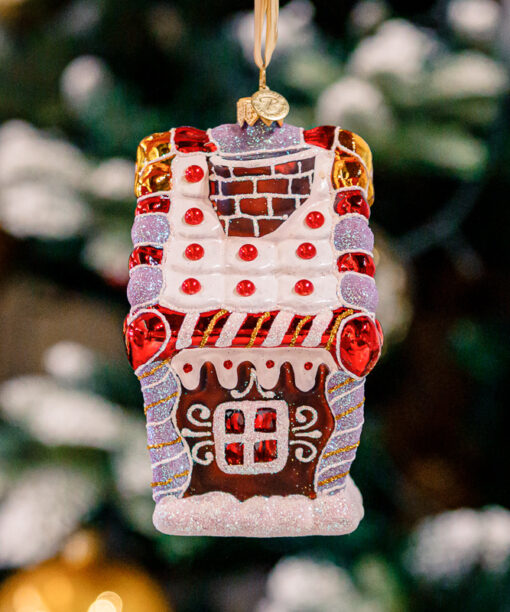
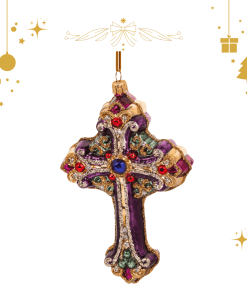
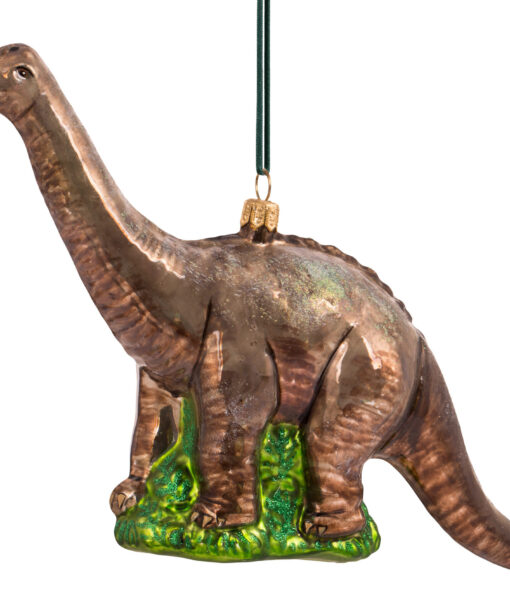
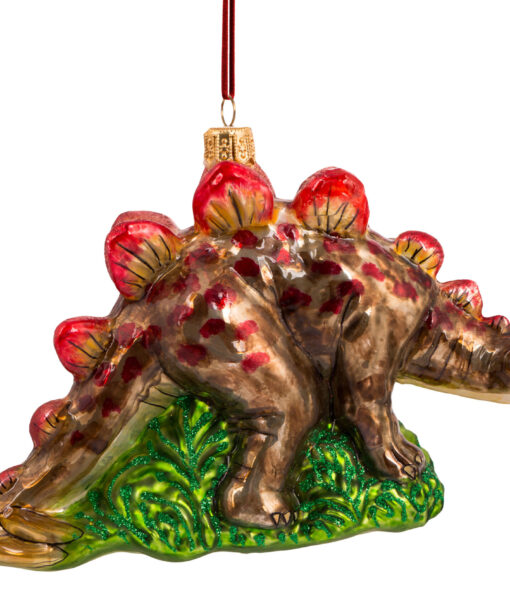
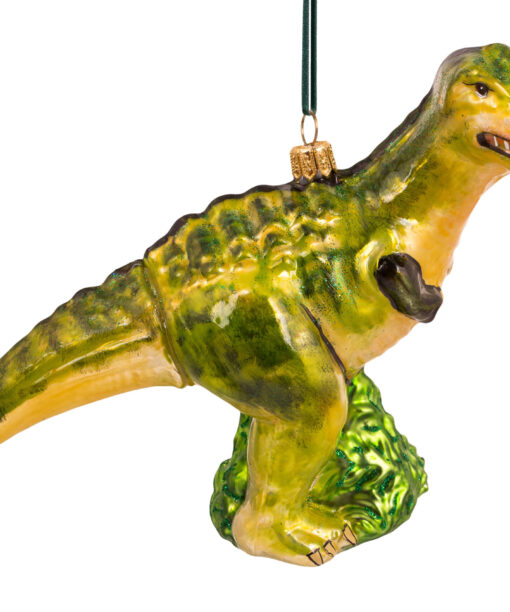
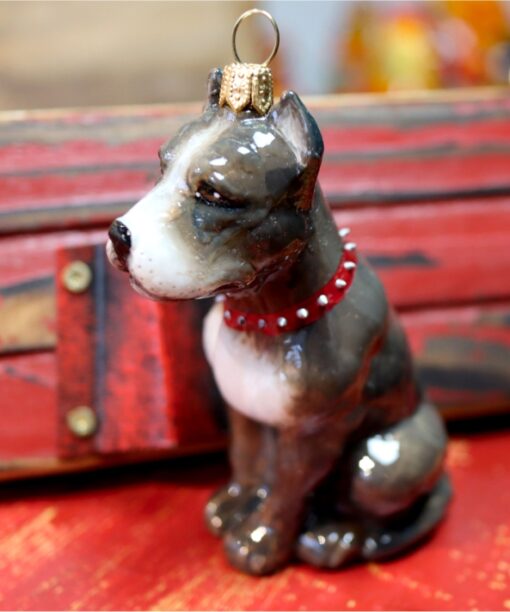
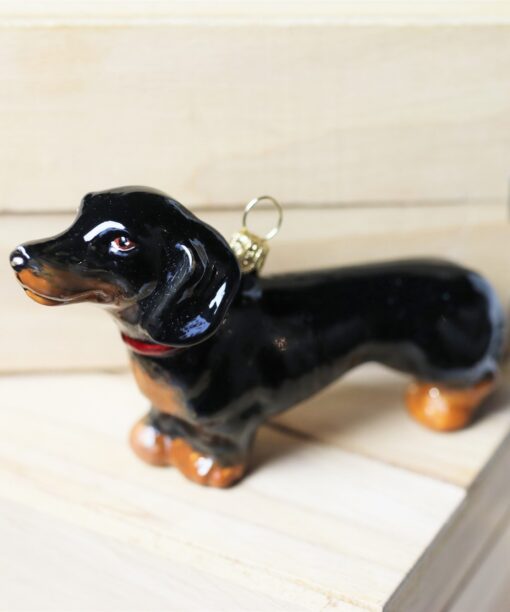
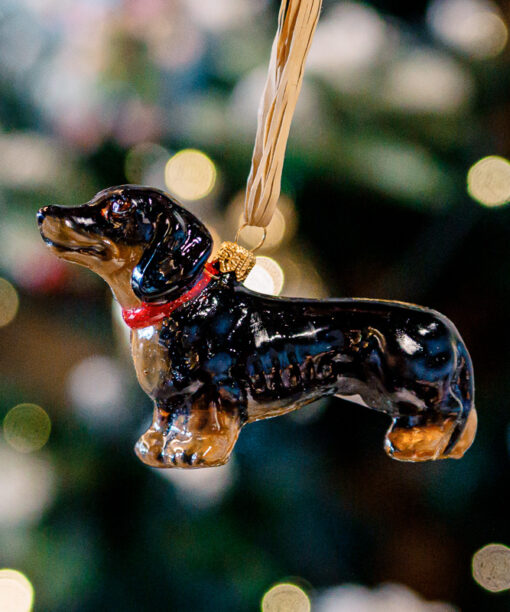
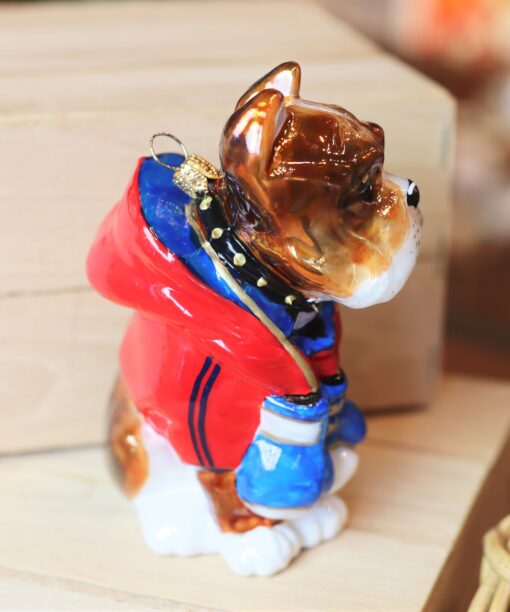
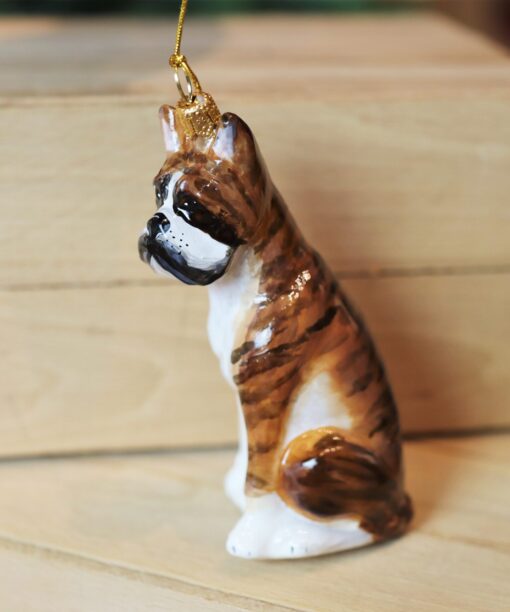
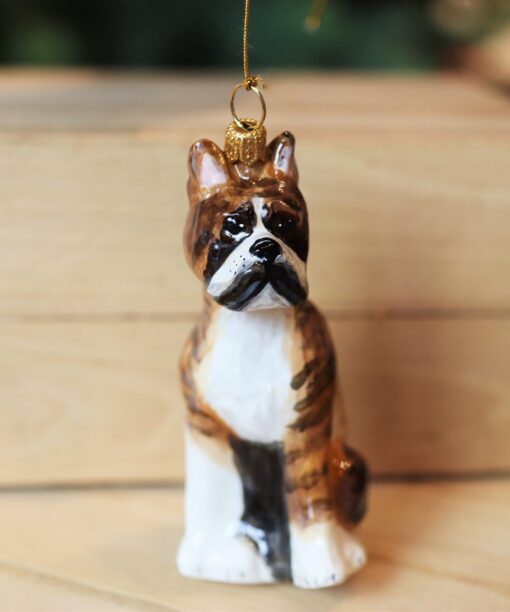
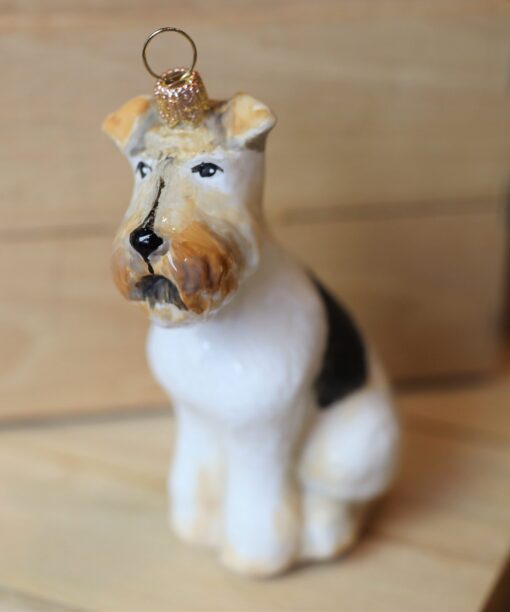
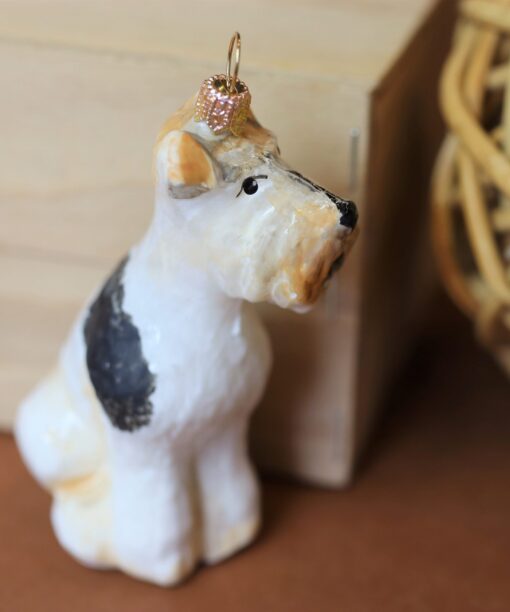
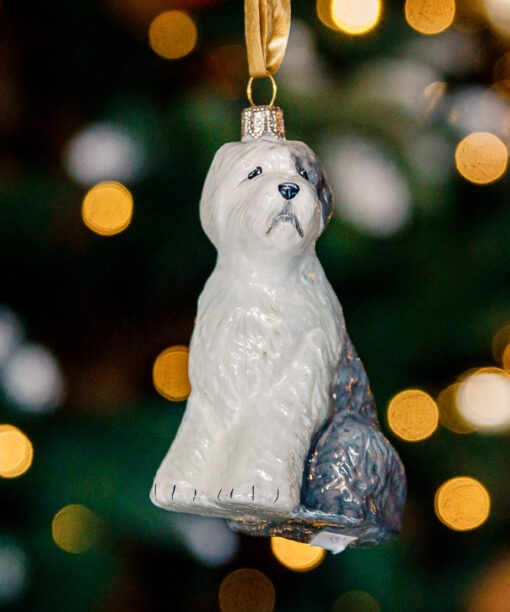
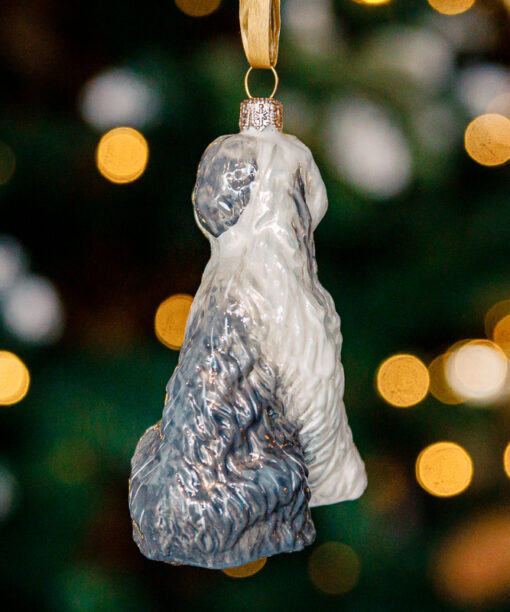
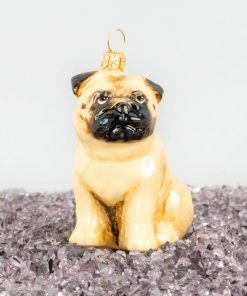
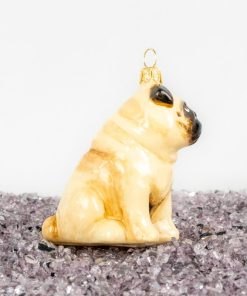
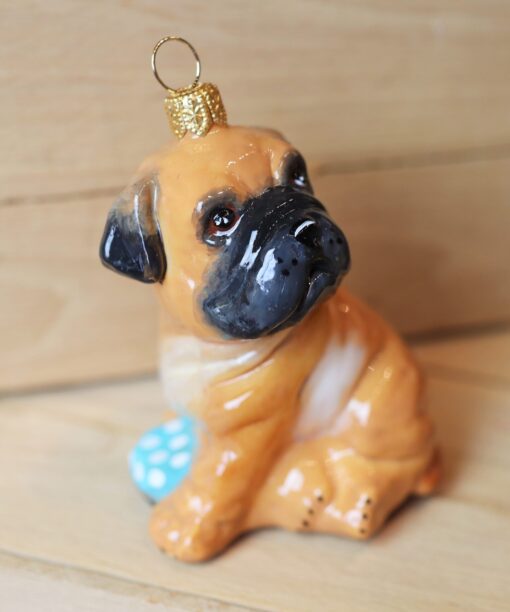
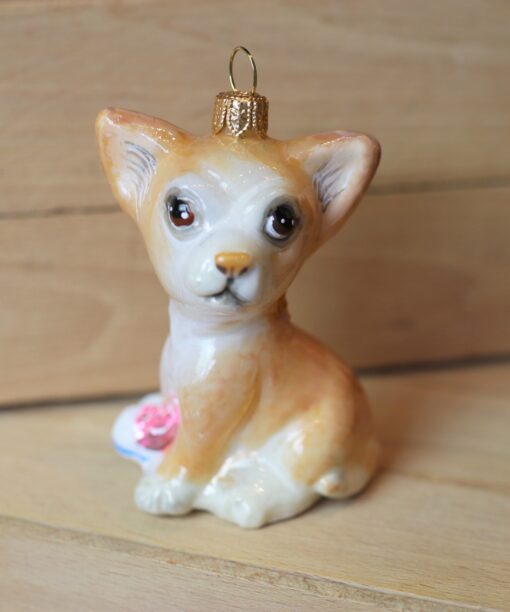
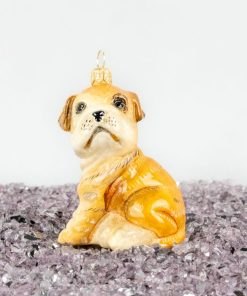
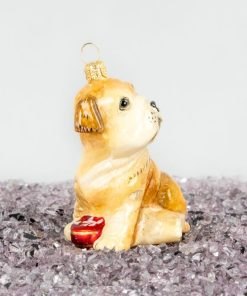
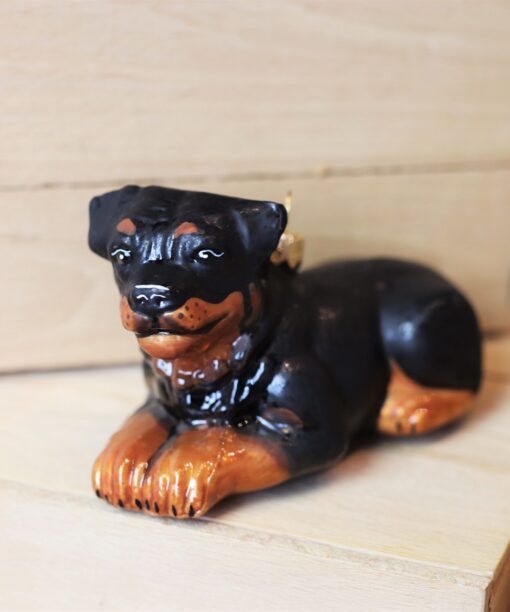
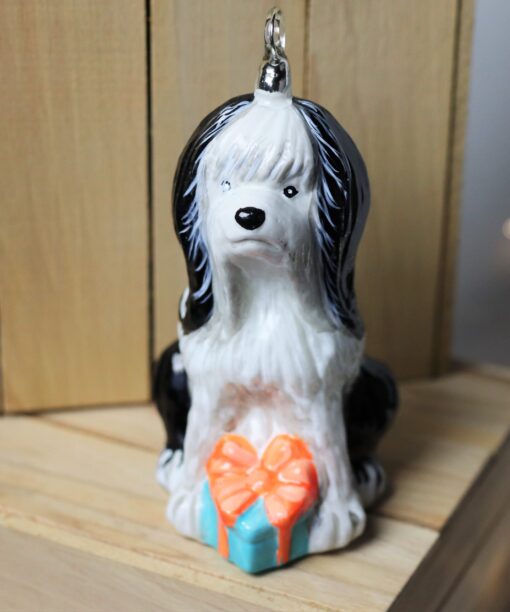
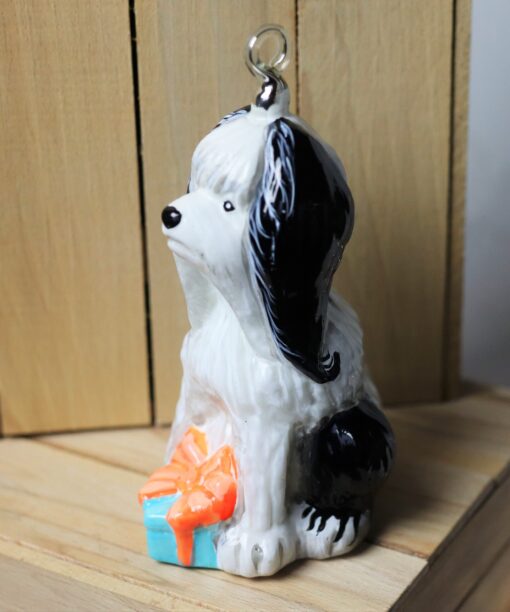
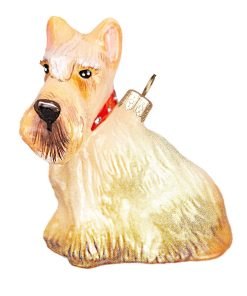
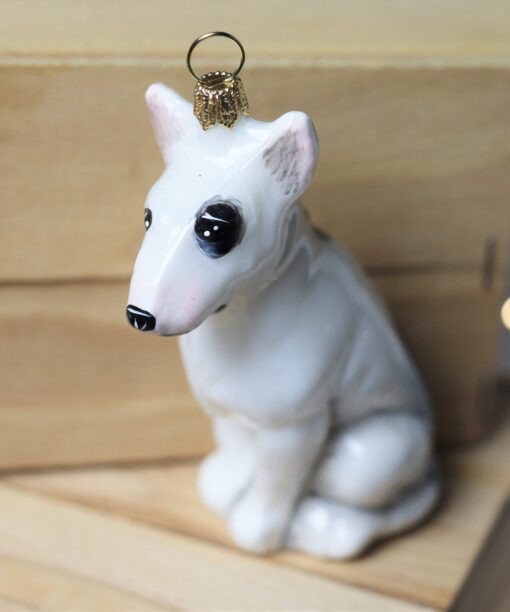
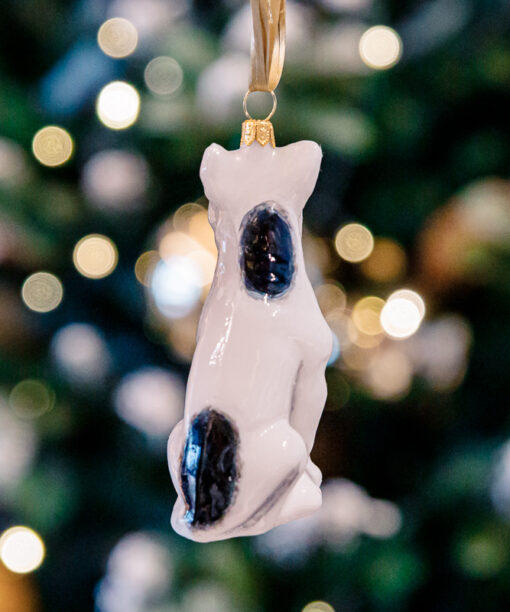
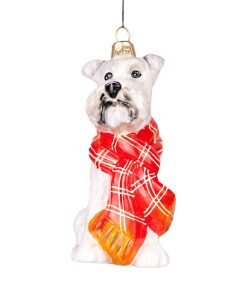
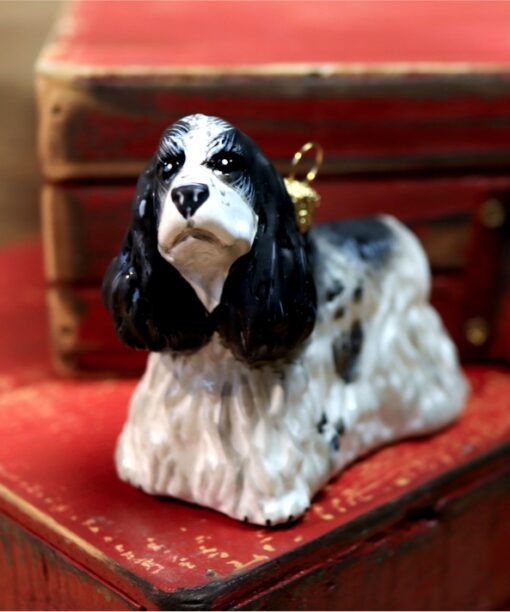
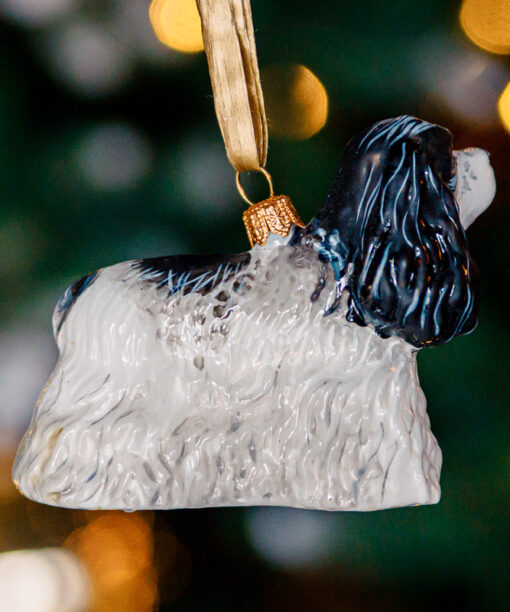
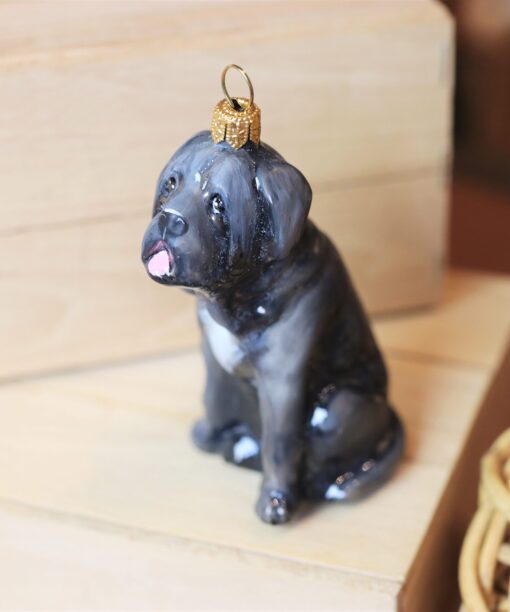
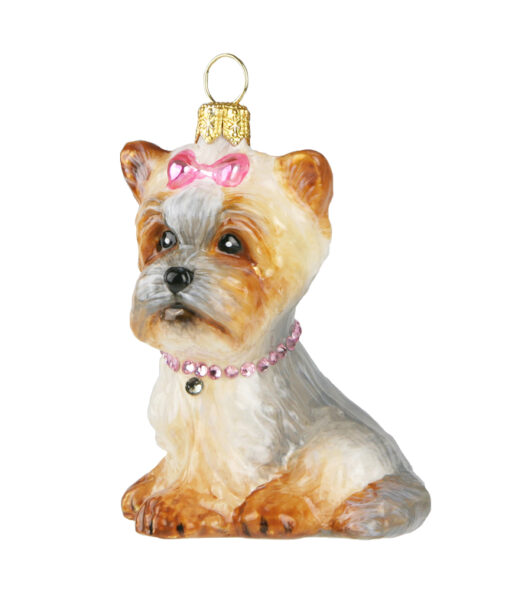
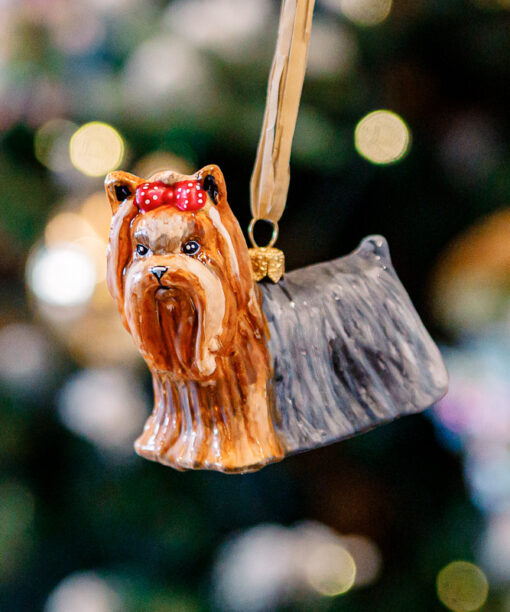
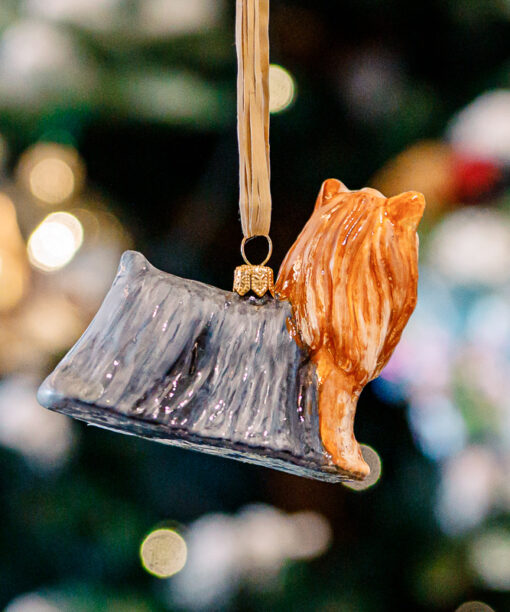
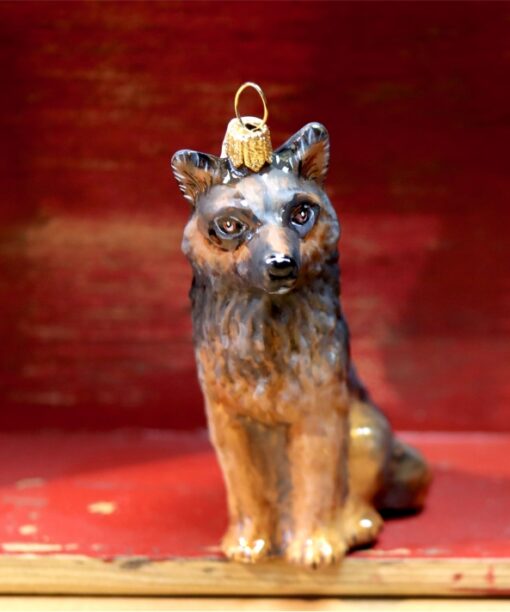
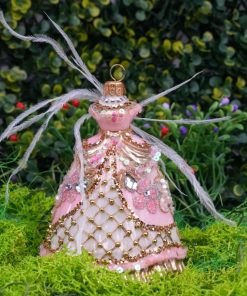
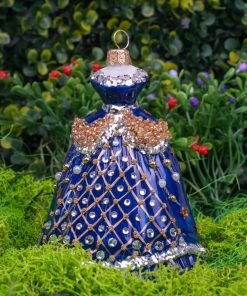
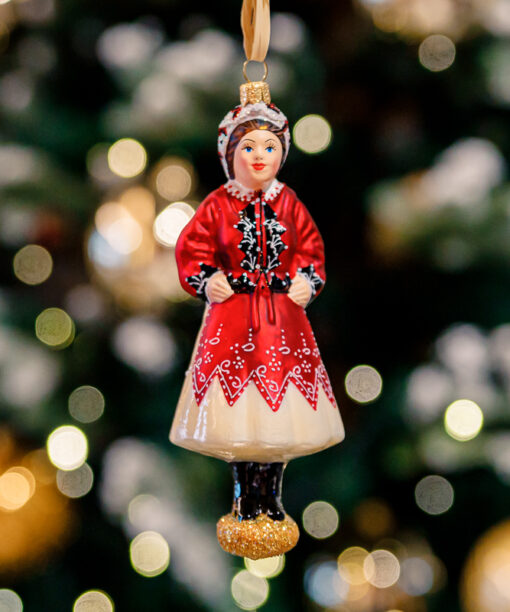
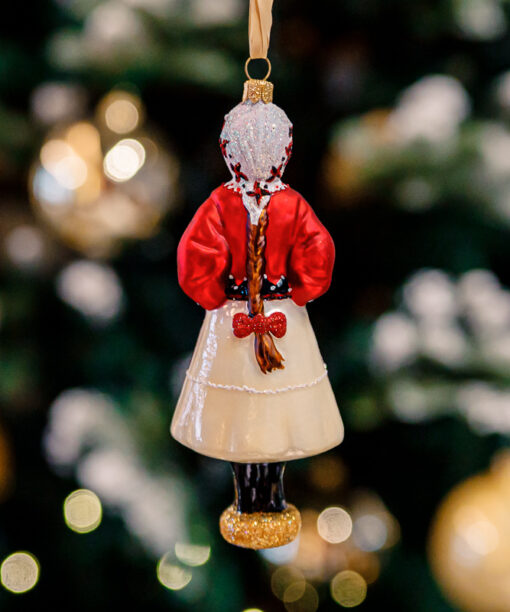

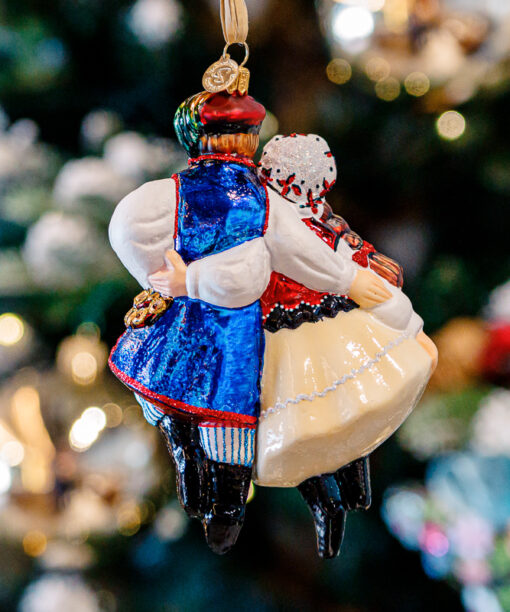
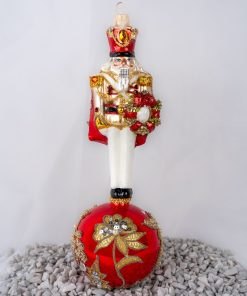
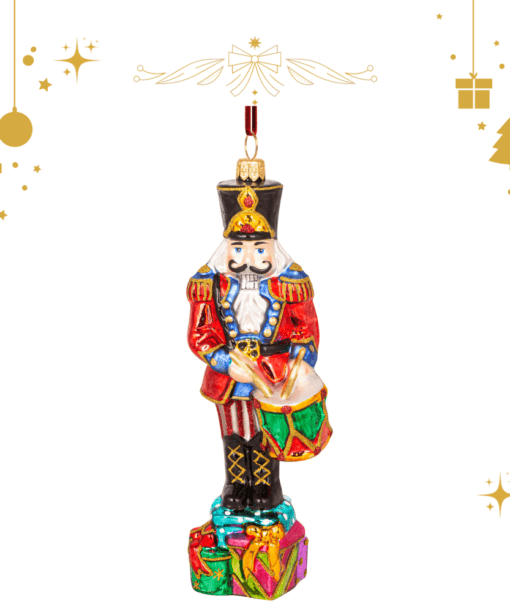
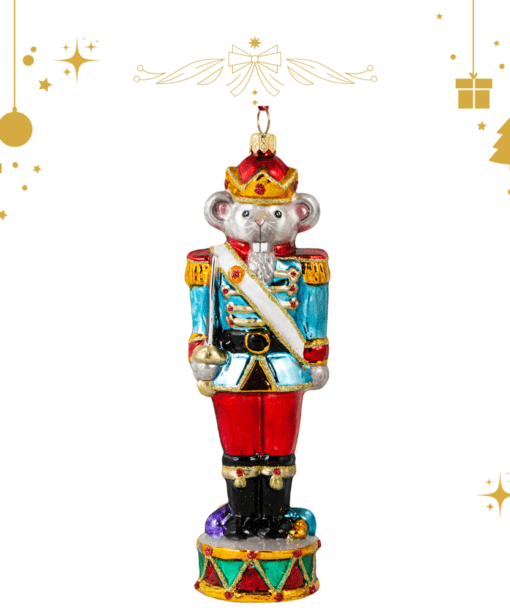
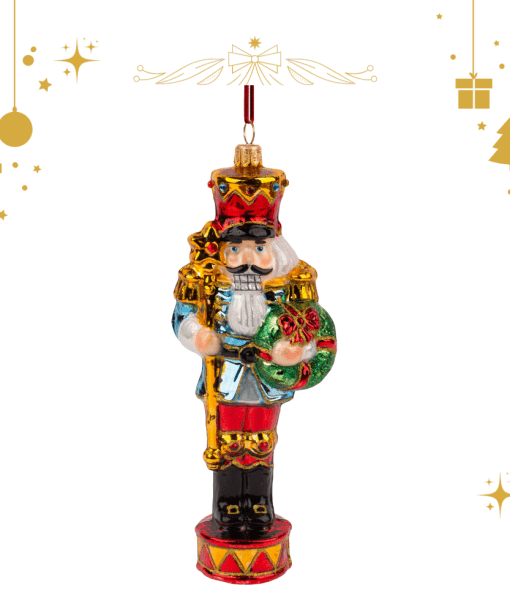
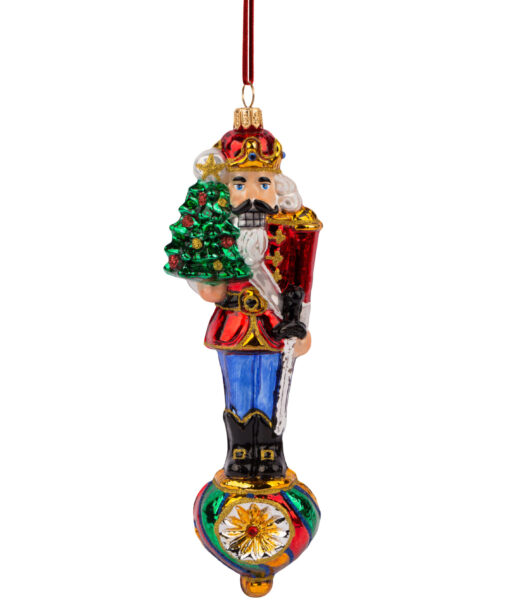

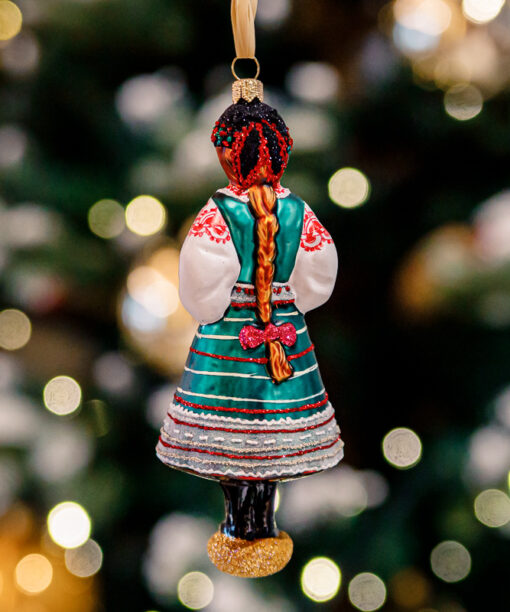
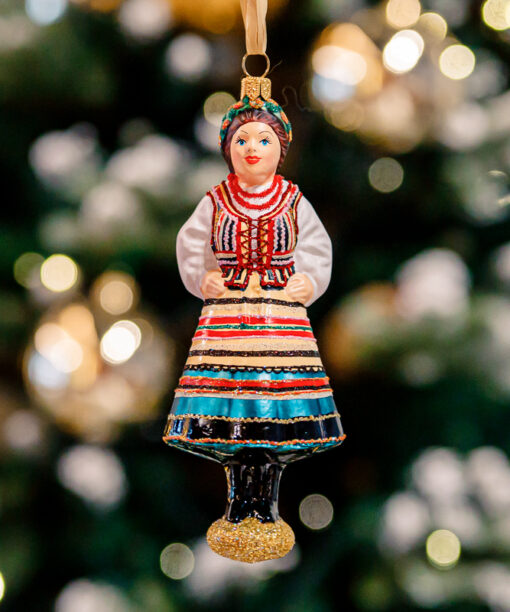
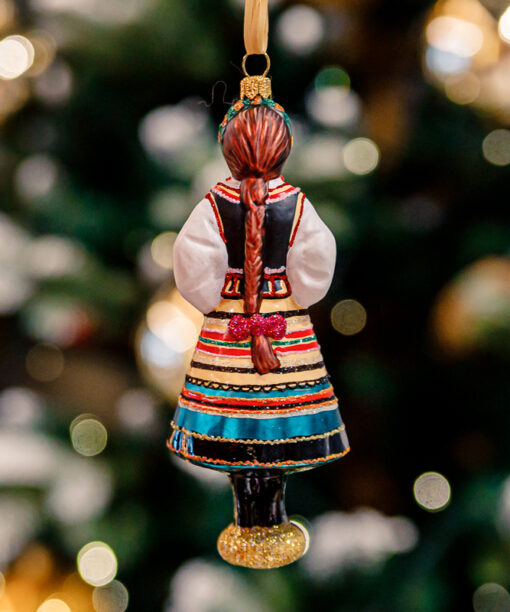
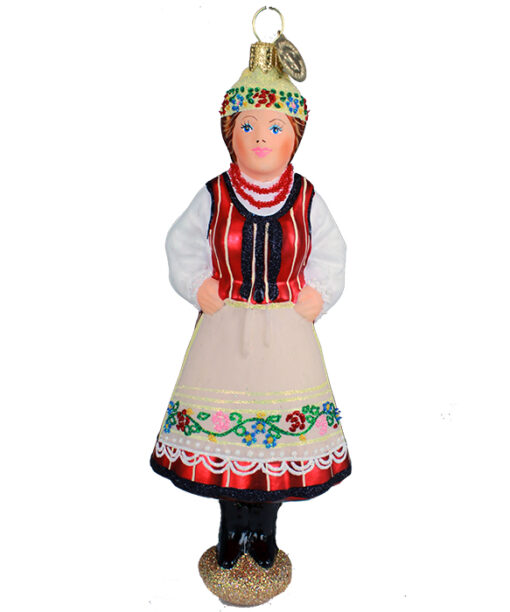
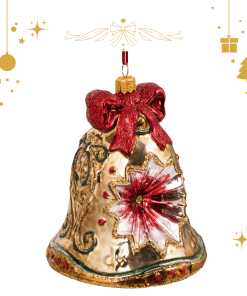
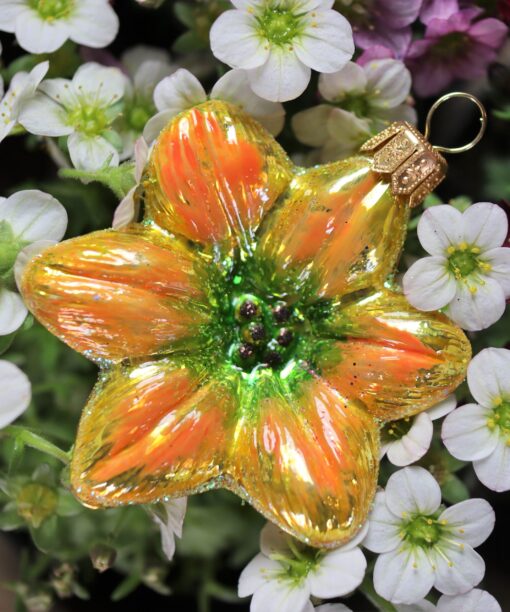
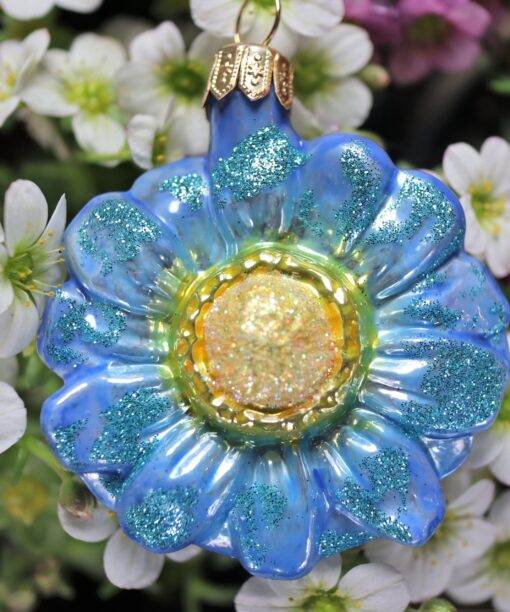
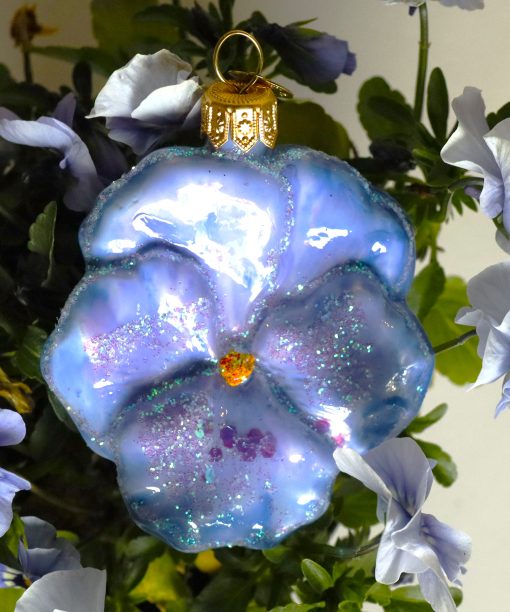
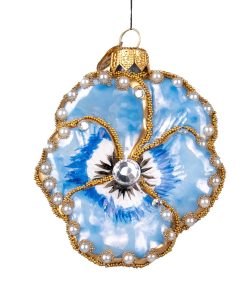
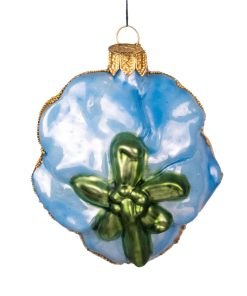
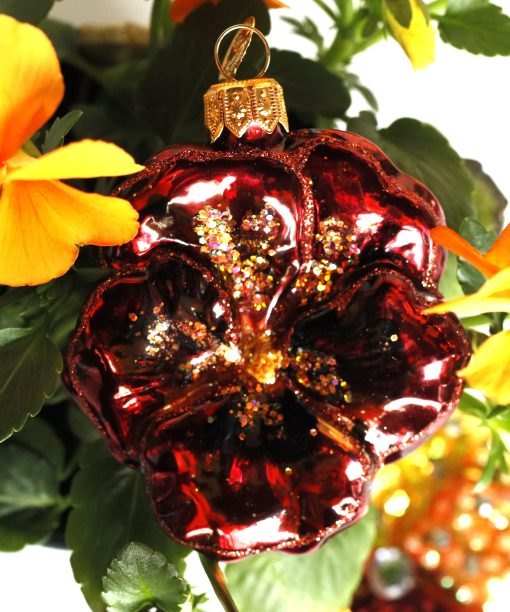
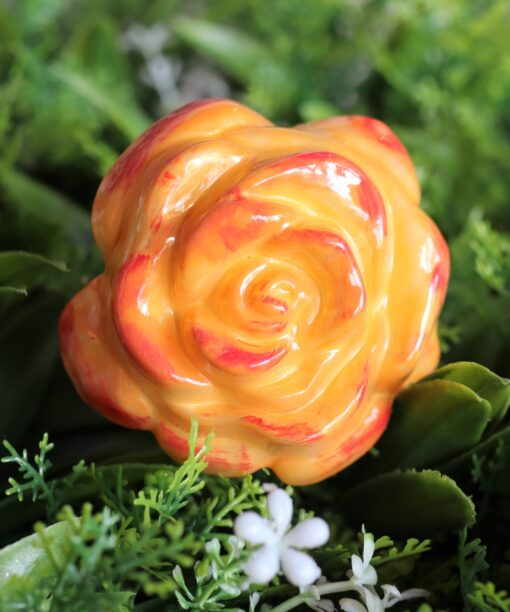
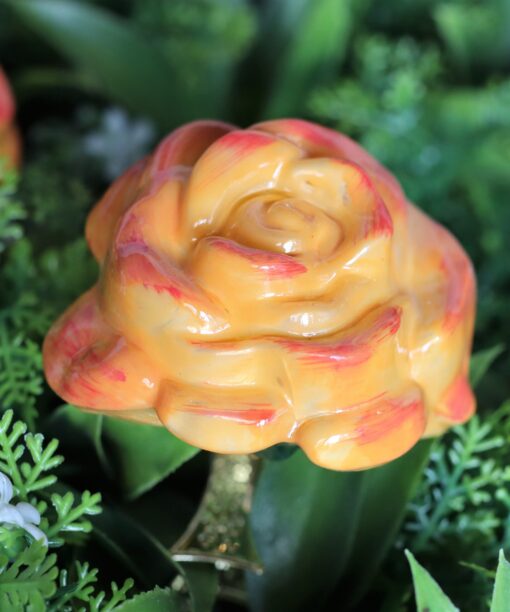
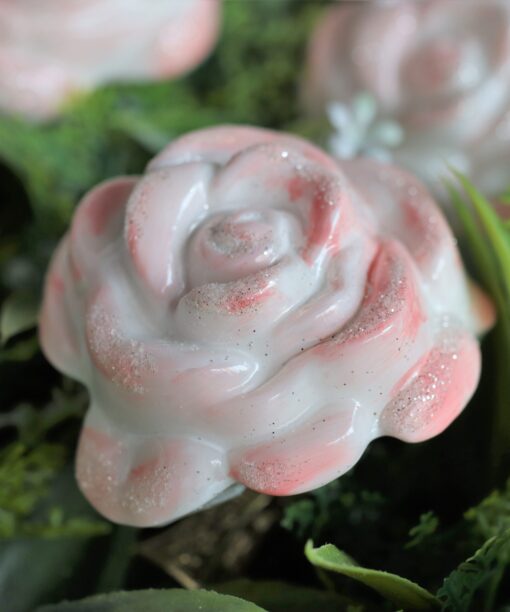
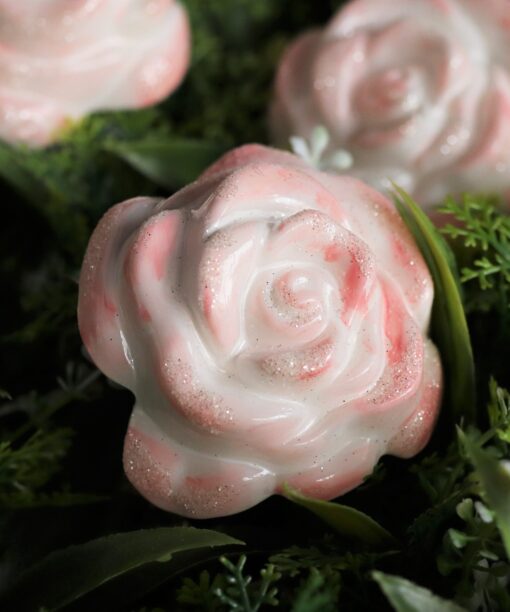
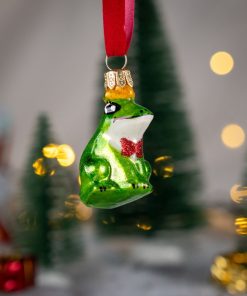
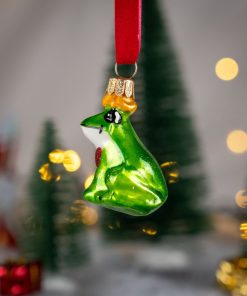
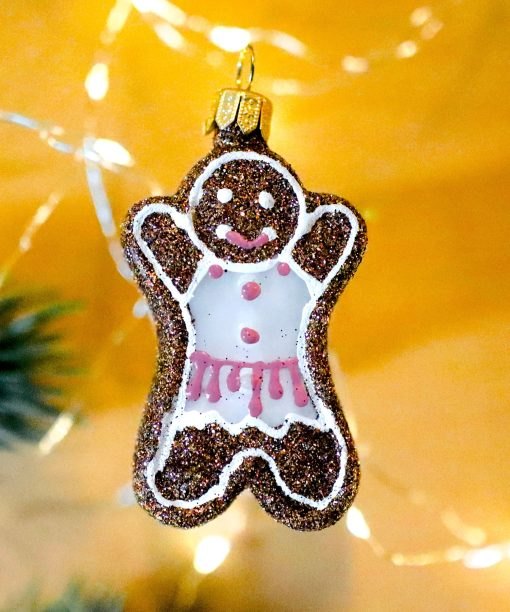

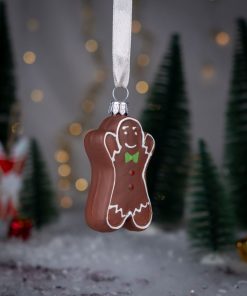
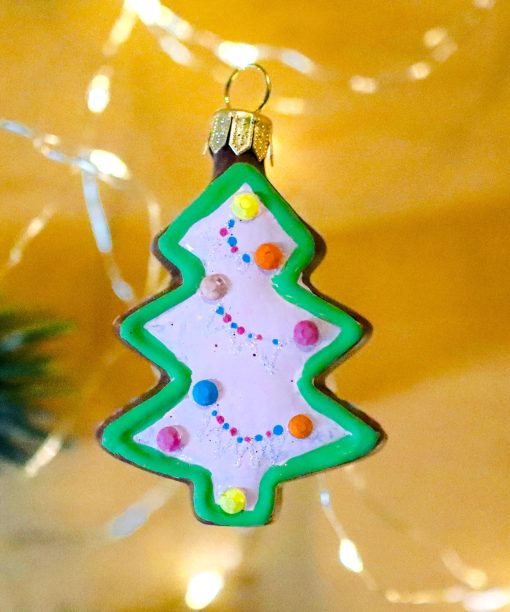
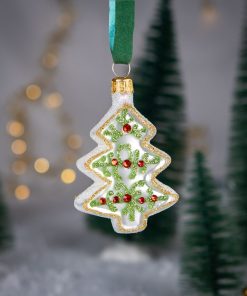
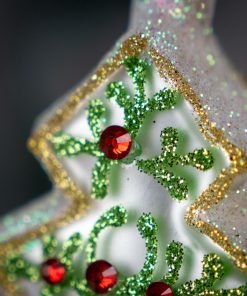
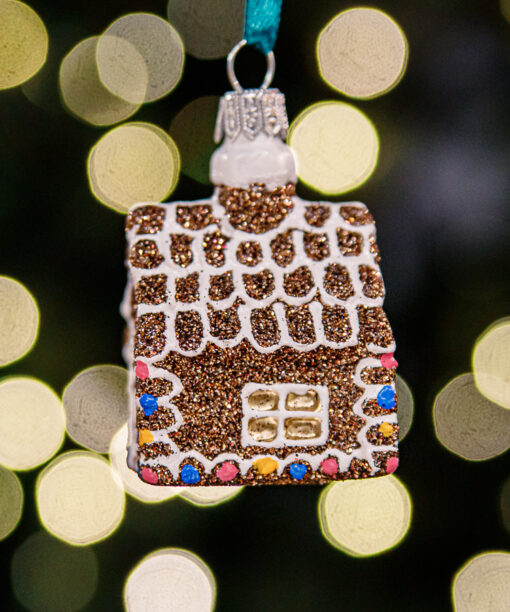
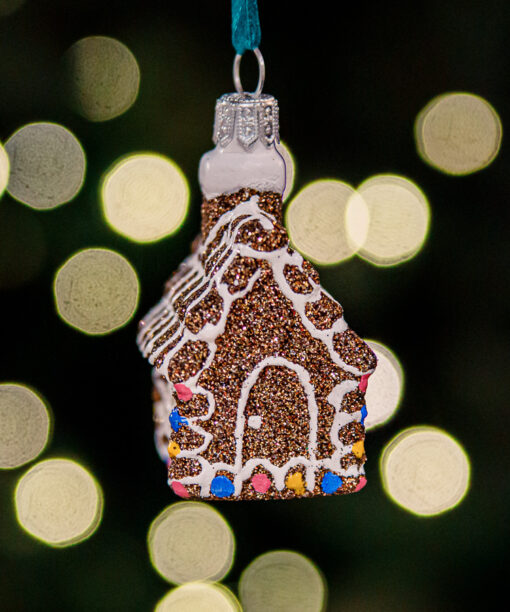
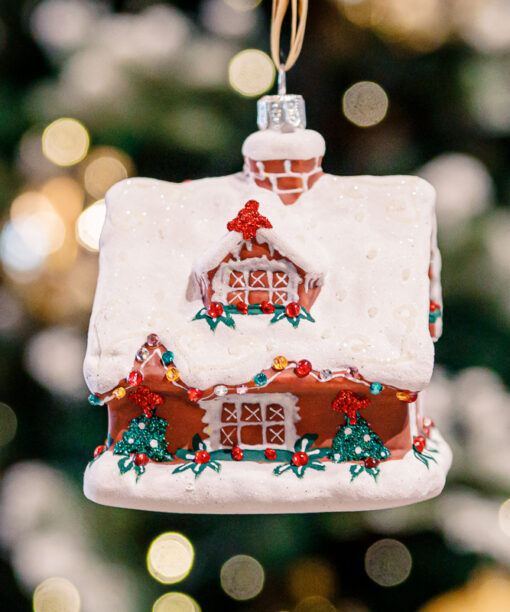
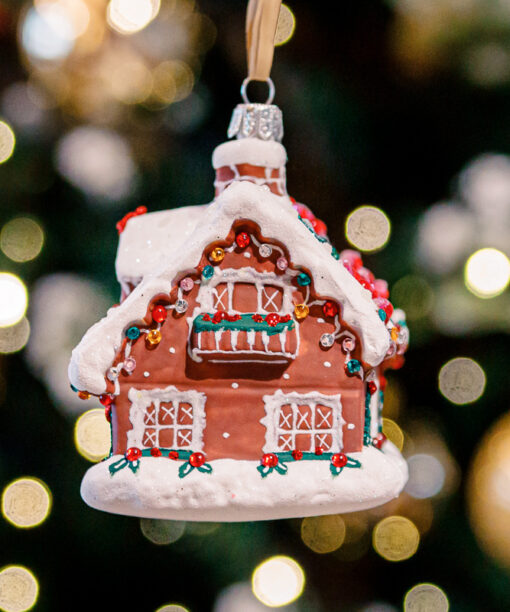
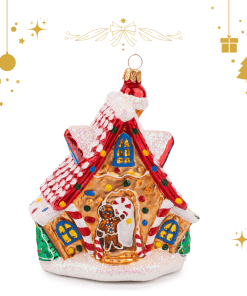
Figure Baubles
Decorating the Christmas tree is definitely one of the most enjoyable moments of celebrating Christmas. Great fun for children, for whom glass figures and baubles are an attraction in themselves due to their interesting shapes and colors. Adults also appreciate this nice ritual, because it is usually one of the few moments of respite during the pre-Christmas race and preparations. We want to offer our customers unique figurines and glass baubles to hang on the Christmas tree, which will stand out from other decorations. For this purpose, we create individual, thematic lines in cooperation with many fantastic Polish artists who in their handicrafts both refer to traditional forms of figurines (e.g. depicting St. Nicholas) and experiment with other aesthetic solutions. We especially recommend our series inspired by folk art, in which we present traditional regional costumes in the vicinity of Łowicz, Łęczyca and Lublin. We want to present the heritage of Polish folk art in a new way, i.e. on glass baubles.
Hand painted glass baubles in the shape of figurines for the Christmas tree
A Christmas tree decorated with glass baubles in the shape of figurines looks completely different from one with typical round balls. Each ornament catches the eye, tells its own story, and gives holiday decor a depth that cannot be bought in mass production. Baubles in the shape of figurines are a combination of artistic craftsmanship and Christmas tradition, valued by successive generations.
Glass figurines hung on the Christmas tree have a long history in the European decorative tradition. Master glassmakers formed glass into various figures, animals, buildings, and characters, and each such ornament became more than just a decorative element. Over the years, these techniques have been refined, and artistic handicraft has been passed down from generation to generation. The result is glass miniatures of extraordinary precision and artistic expression.
The Bombkarnia store gathers hand painted Christmas tree ornaments created by Polish artists and craftsmen. Each figurine goes through many stages of work, from glass blowing, through priming, to hand applying paints and varnishing. Thanks to this, each piece is unique and differs from others even within the same series.
Glass baubles in the shape of figurines from Polish artistic handicraft
Artistic handicraft forms the foundation of the entire collection of glass Christmas tree ornaments at Bombkarnia. Every stage of production takes place by hand, without machine duplication of patterns. That is precisely why two ornaments from the same series are never identical. Subtle differences in painting, shading, or the arrangement of details make each figurine have its own character.
What distinguishes glass ornaments formed into the shape of figurines
An ordinary Christmas ball is symmetrical and simple to make. A glass figurine is a completely different technical challenge because it requires three-dimensional forming of glass into a specific shape. The craftsman must simultaneously control the temperature, wall thickness, and proportions of the form. Any mistake at this stage ruins the entire work.
Glass figurine ornaments differ from standard baubles in many respects. Their surface is irregular, which makes even painting difficult and requires greater precision. Detailed elements, such as character faces, angel wings, or bird feathers, require a brush with very fine bristles. This is precisely why the artists working on such ornaments have years of practice behind them.
Characteristic features of glass figurines:
- Three-dimensional form shaped by glass blowing
- Hand-applied layers of paint and varnish
- Details decorated with acrylic paints, glitter, or crystals
- Metal hanger factory-attached to each ornament
Glass figurines work well both as Christmas tree ornaments and as standalone decorations on shelves or windowsills. Their sculptural form catches the eye and encourages closer inspection of the details. It is this level of detail that distinguishes handicrafts from mass production.
How the glass blowing technique affects precision of execution
Glass blowing is a technique used since antiquity. The craftsman takes a portion of molten glass onto a metal blowpipe and then blows air into it, shaping a bubble. In the case of figurines, the process is more complex because it requires the use of molds or free-form modeling with a burner.
The temperature of the glass during forming ranges from 700 to 1100 degrees Celsius. The precision of the movements determines the final shape of the figurine. Blowing too quickly causes uneven walls, while blowing too slowly results in deformation of the body. An experienced glassblower senses the right moment instinctively, after years of training.
Glass Christmas tree figurines created using the hand-blowing method have thin, lightweight walls. Thanks to this, the ornament does not weigh down the branches of the Christmas tree and hangs safely even on thinner branches. Precision at the forming stage directly impacts the quality of the final product.
Stages of forming a glass figurine:
- Heating a portion of glass to working temperature
- Blowing and forming the initial shape
- Modeling details using tools or molds
- Controlled cooling of the finished body
- Cutting from the blowpipe and finishing the hanger
After being formed, each figurine undergoes a quality control check. Pieces with cracks, air bubbles, or distortions are rejected. Only after positive verification does the ornament move to the painting stage.
Hand decoration and the uniqueness of every glass miniature
Painting glass miniatures is a task that requires focus and a steady hand. The artist applies paint with a thin brush, layer by layer, waiting for it to dry between stages. Each color must be carefully selected so that the whole creates a cohesive image.
Hand-painted baubles are never identical. Even when an artist creates a series based on the same design, subtle differences in color distribution, line thickness, or shadow intensity make each figurine unique. It is this feature that gives handcrafted ornaments their special collectible value.
Many figurines feature additional decorations, such as glitter, small crystals, or gold pigment. These elements are applied to fresh paint or special glue and then secured with varnish. The final effect is durable and resistant to normal handling when hanging or removing from the Christmas tree.
Polish artistic craftsmanship in creating glass Christmas tree figurines
Poland has a long-standing tradition of manufacturing glass Christmas tree ornaments. Glassmaking centers have developed over decades, passing down techniques and designs to successive generations of creators. Polish hand-painted glass figurines are valued on European and global markets.
Glass craftsmanship in Poland combines traditional methods with modern decorative motifs. Artists draw inspiration from folklore, applied arts, and contemporary design. The result is a wealth of themes, from classic Christmas characters to avant-garde jewelry forms.
Polish Christmas tree ornaments with hand decoration reach collectors looking for ornaments of high artistic value. A certificate of craftsmanship and the creator’s name, often attached to the figurines, confirm the authenticity and individual character of each piece. For many buyers, these details are of great importance when choosing an ornament.
Which decorative motifs give glass ornaments a festive expression
The festive character of a Christmas tree ornament does not result solely from its color. It is determined by the motif, mood, and precision of the details. Glass baubles in the shape of figurines offer a vast richness in this regard, because every motif, from the figure of an angel to a miniature building, brings a different atmosphere and different associations to the decoration.
Artists creating figurines draw from various decorative traditions. Some motifs refer to Christian iconography, others draw from fairy tales and legends, and still others are inspired by nature or architecture. All these trends coexist in the collection, creating a wide palette of choices for people with different tastes and aesthetic expectations.
Christmas characters captured in the form of glass miniatures
Santa Claus, angels, shepherds, and carolers are motifs that have accompanied the Christmas tree tradition since its inception. Capturing these figures in glass requires not only technical skill but also sensitivity to detail. Santa’s face must express warmth, an angel should give the impression of lightness, and a caroler should evoke a mood of joy.
Figurines depicting Christmas characters are most often chosen by people who appreciate a classic style of decoration. They form the core of Christmas collections because they combine aesthetics with symbolic meaning. A glass Santa with a sack of gifts or an angel with a lyre are ornaments that fit both a traditional and an elegantly decorated Christmas tree.
The detail of the faces, hands, and outfits of these miniatures makes a particular impression upon closer inspection. Artists apply many layers of paint to achieve the right complexion, depth of eyes, and texture of fabrics. The effect is comparable to miniature figurative painting.
Folk and regional design on glass baubles
Polish folk tradition provides artists with a rich repertoire of patterns, colors, and motifs. Regional costumes, Lowicz stripes, Krakow embroidery, or Kujawy floral patterns transferred onto glass create ornaments with a distinctly Polish character. Such figurines are particularly valued by people looking for ornaments with cultural identity.
Folk motifs on glass baubles refer to specific ethnographic regions. The Lowicz costume is distinguished by intense, contrasting fabric stripes, while the Krakow style features rich embroidery ornamentation. Transferring these features onto a glass surface requires experience in miniature decorative painting.
Regional folk design applied to figurines:
- Costumes and patterns from the Lowicz and Leczyca regions
- Floral motifs characteristic of the Lublin region
- Elements of Zakopane highlander art
- Patterns referring to Silesian and Kashubian traditions
Ornaments inspired by folklore have a deeper dimension than just decoration. They are a form of commemorating regional heritage and a way to preserve a tradition that naturally fades in the era of standardization and mass production. A Christmas tree decorated with such figurines becomes a meeting place for art and cultural memory.
Avant-garde decorative compositions
Part of the glass figurine collection goes beyond traditional design and enters the realm of artistic jewelry. Jewelry collections combine glass with crystals, metal elements, and multi-layered painting, creating ornaments with an almost sculptural expression. Such figurines are much more labor-intensive and require additional skills from the artist.
Jewelry-style glass figurines are characterized by extraordinary attention to detail. Every element, from the shape of the wings to the decoration of the coat, is refined to the smallest detail. Gold and silver pigments, glitter dust, and hand-applied crystals create an effect similar to goldsmith products.
Avant-garde collections attract buyers looking for original ornaments that will make a Christmas tree stand out from others. Figures of dragons, griffins, butterflies, or fantastic creatures clearly depart from the classic holiday aesthetic, offering something completely fresh. For collectors, such figurines have value independent of the holiday context.
Bombkarnia and the selection of unique glass Christmas tree ornaments
Bombkarnia is a store focusing exclusively on glass Christmas tree ornaments created by Polish artists and craftsmen. Every ornament available in the assortment has been selected for its quality of workmanship and artistic value. The store does not sell mass-produced items, but only handicrafts with documented origins.
What to look for when choosing a glass figurine ornament
Choosing a glass figurine should start with defining the style of your Christmas tree decoration. Different ornaments suit a classic, warm style in red and gold, others fit a modern arrangement in whites and silver tones, and still others work for thematic collections focused on a specific motif.
When choosing a glass figurine ornament, it is worth checking:
- The quality of the detail painting, especially faces and small elements
- The thickness of the glass walls, which translates into the durability of the ornament
- The strength of the hanger and the solidity of the attachment to the figurine body
- Color consistency with the rest of the ornament set
The size of the figurine has practical significance. Ornaments that are too large weigh down thin branches and may obscure adjacent decorative elements. Smaller figurines work better on denser Christmas trees, while larger ones are better for trees with a looser structure. Maintaining proportions between the ornaments and the tree determines the overall aesthetics.
It is worth paying attention to the consistency of the series. Figurines from one collection have a similar painting style and color palette, thanks to which they create a harmonious composition together. Mixing figurines from different, stylistically unrelated series can create a chaotic effect.
Choose a hand-decorated ornament and gift your loved ones something special
Glass baubles in the shape of figurines are a gift that stays in the memory for a long time. A hand-painted Christmas tree ornament is not a disposable product, but something that returns to the tree year after year and each time evokes the memory of the person who gave it.
Bombkarnia allows you to choose a figurine tailored to the interests and preferences of the recipient. A nature lover will find ornaments with birds and insects, an architecture fan will reach for miniatures of famous buildings, and a person who appreciates tradition will choose figures in regional costumes. Such a personalized gift hits the mark better than a typical holiday present.
The Bombkarnia store allows you to purchase hand-painted glass figurines created by Polish artists with a passion for craftsmanship. Each ornament from the collection is a ready-made gift with character that will enrich the holiday decoration and become a lasting keepsake. Order glass Christmas tree ornaments and gift your loved ones something that delights with the precision of execution and an artistic soul.
FAQ, Frequently asked questions
How do glass baubles in the shape of figurines differ from standard spherical baubles?
Glass baubles in the shape of figurines are three-dimensional ornaments created by artisans using the hand-blown glass method. Each figurine takes on a unique shape, such as characters, animals, buildings, or fantastical creatures, which distinguishes it from a standard sphere. Creating such an ornament is much more labor-intensive and requires a multi-stage process, from forming the shape to hand-painting the details.
Hand-painted Christmas tree ornaments in the form of figurines contain details impossible to achieve in mass production. The character’s face, the texture of fabrics, or patterns on angel wings are applied with a very fine-bristled brush. It is precisely this precision of execution and the individual character of each piece that make glass figurines valued by collectors and those looking for unique holiday decorations.
How to properly store glass Christmas tree figurines after the season?
Glass Christmas tree figurines require careful protection before being put away for storage. Each ornament should be wrapped in tissue paper or a soft microfiber cloth and then placed in a separate compartment of a box. Figurines thrown in loosely rub against each other, which leads to scratches and chips in the paint.
The optimal storage temperature for glass ornaments is between 10 and 20 degrees Celsius. Places exposed to sudden temperature fluctuations, such as an unheated attic in winter or a garage in summer, accelerate glass cracking and the peeling of decorations. Humidity should remain at a low level, as excessive moisture damages the varnish and dulls the glass surface.
Figurines stored in proper conditions maintain their full quality for many decades and can be passed down as family heirlooms.
How to clean hand-painted glass Christmas tree ornaments without damaging the decoration?
Hand-painted glass ornaments are sensitive to aggressive chemical agents. Detergents and glass cleaners can damage the layer of paint or varnish, which is why their use is not recommended. The safest cleaning method is to gently wipe the figurine with a dry microfiber cloth.
If an ornament has lost its shine or is covered in a greasy film, a solution consisting of half a liter of water and two drops of glycerin is helpful. Apply the mixture with a soft cloth and carefully polish the surface. This layer creates a thin protective coating that slows down dust accumulation in the following weeks.
Which decorative motifs most often appear on glass Christmas tree figurines?
Glass decorative figurines available in Christmas collections cover a very wide range of motifs. The most popular thematic groups are Christmas characters, nature motifs, and miniatures of buildings and architectural elements.
The most popular motifs on glass figurine ornaments:
- Santa Claus, angels, carolers, and other holiday characters
- Birds, insects, forest and domestic animals
- Miniatures of famous buildings and architectural monuments
- Characters from fairy tales and legends, both Polish and European
- Folk and regional patterns, referencing Polish handicrafts
Each of these motifs is interpreted individually by the artist. The painting style, color selection, and decoration method determine whether the Christmas tree figurine ornaments fit into a classic, folkloric, or modern aesthetic. The wealth of available designs allows for building cohesive thematic collections or consciously mixing styles within a single decoration.