
 PL
PL
-
×
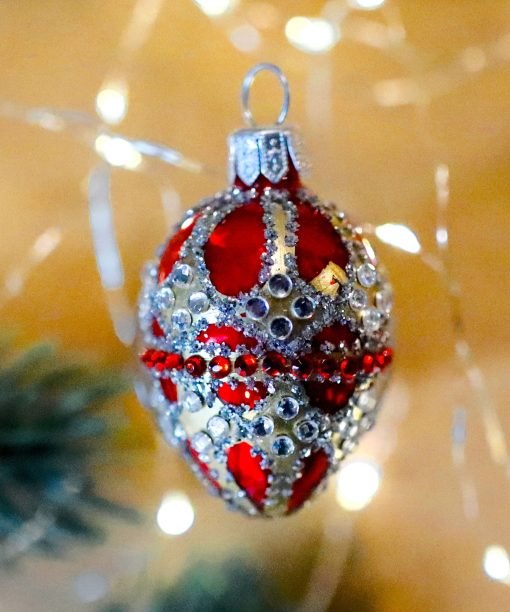
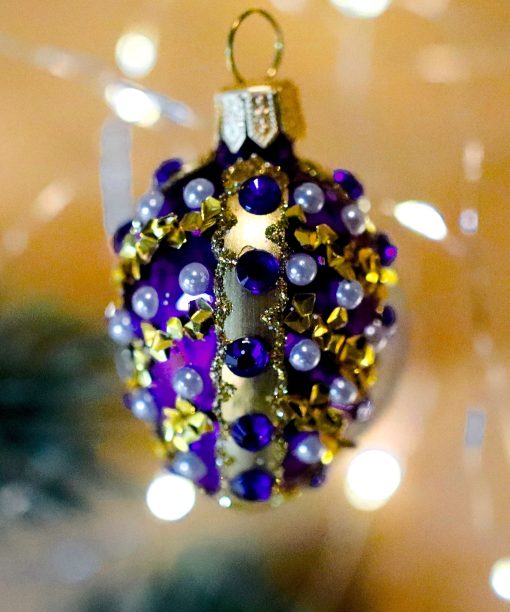
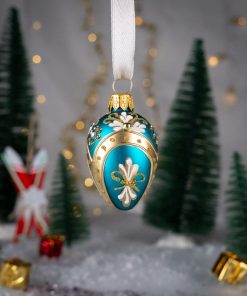
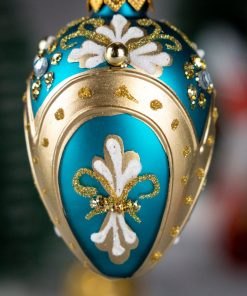
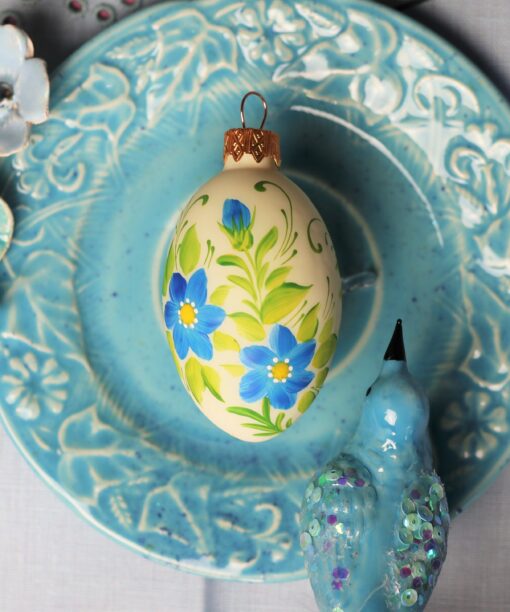
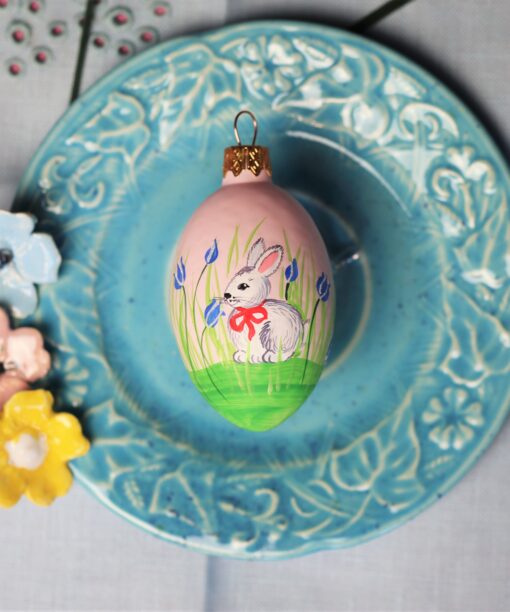
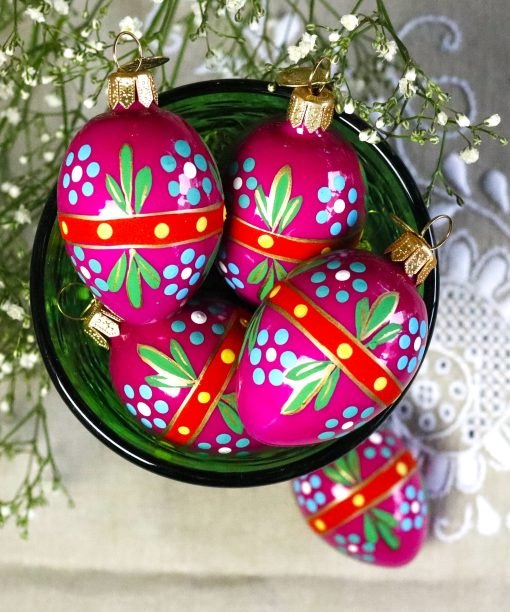
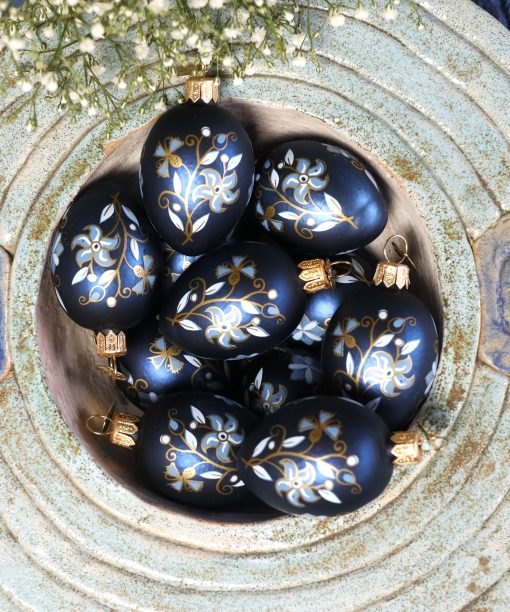
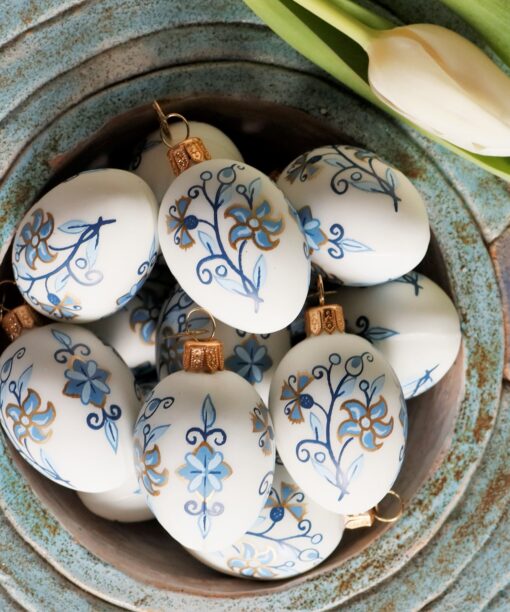
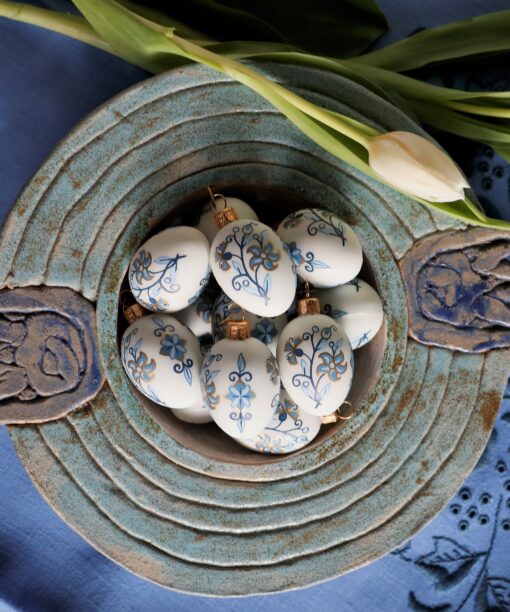
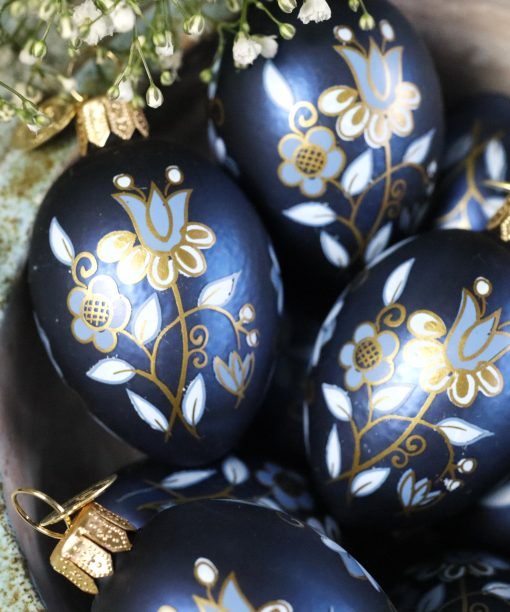
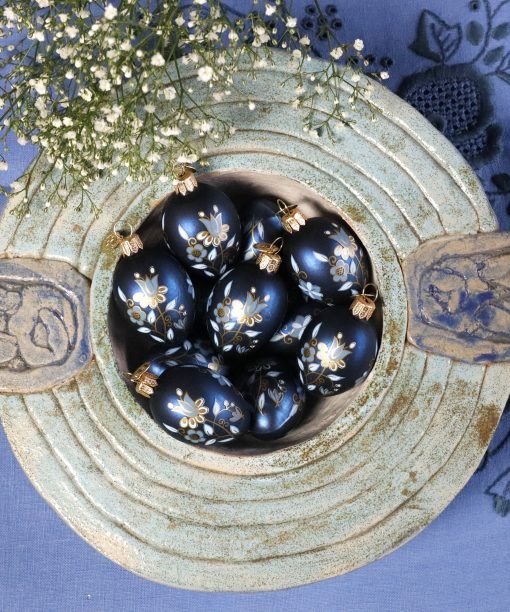
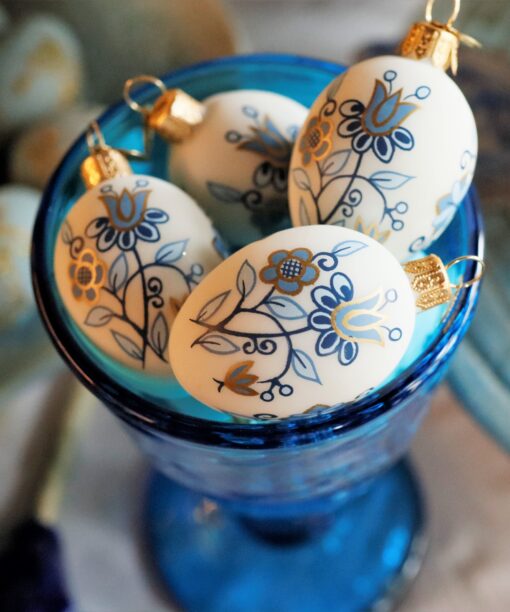
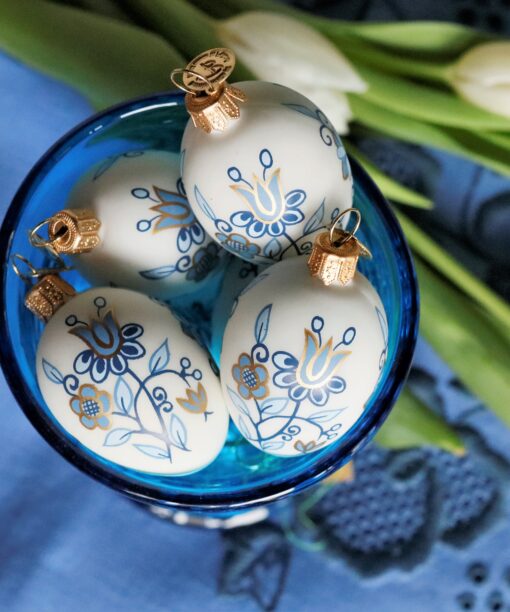
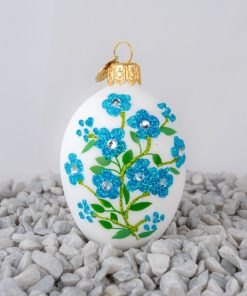
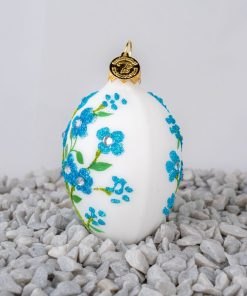
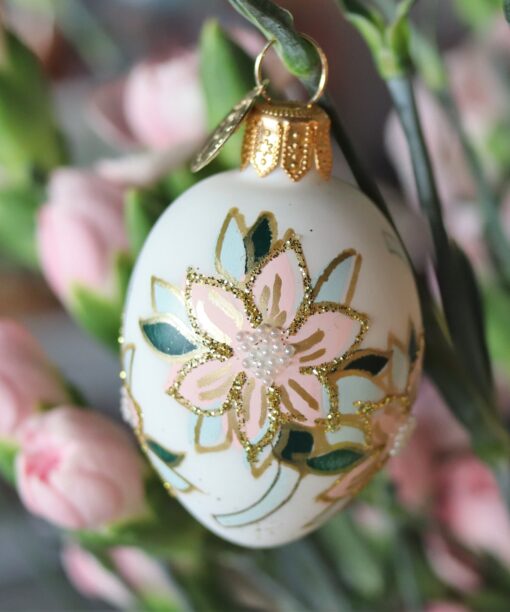
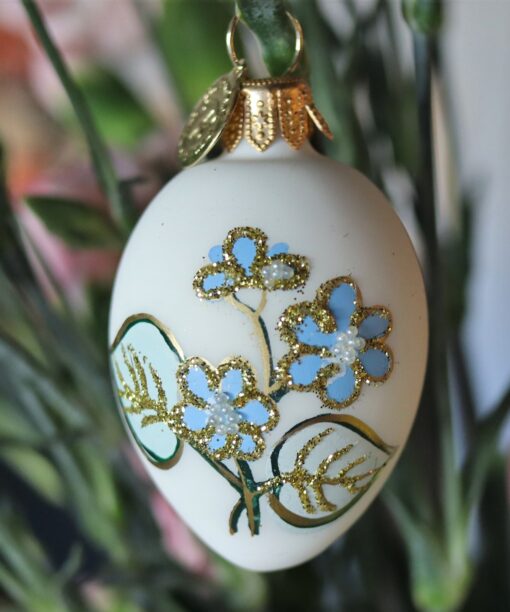
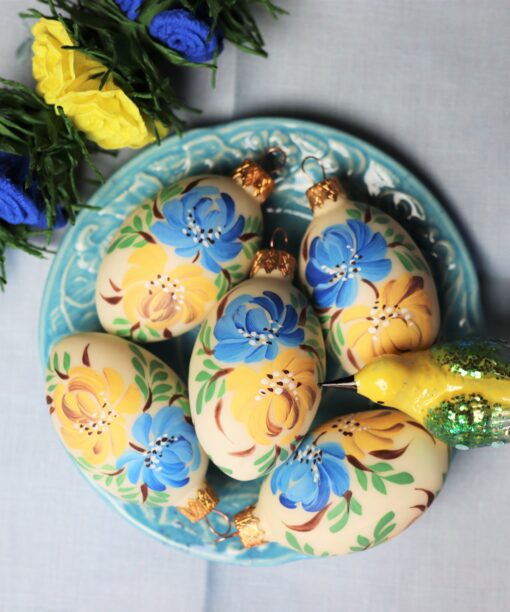
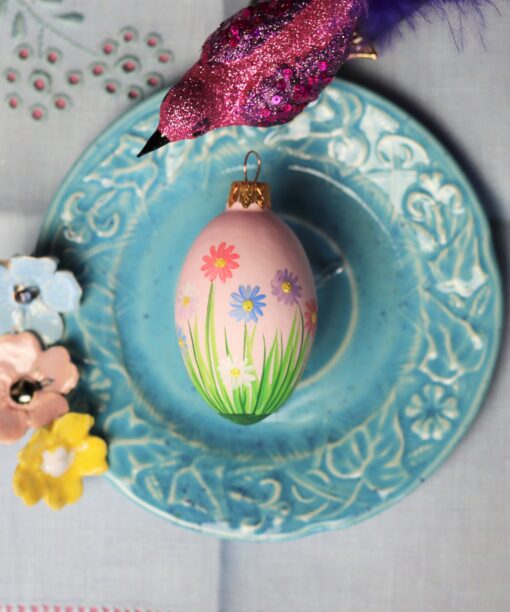
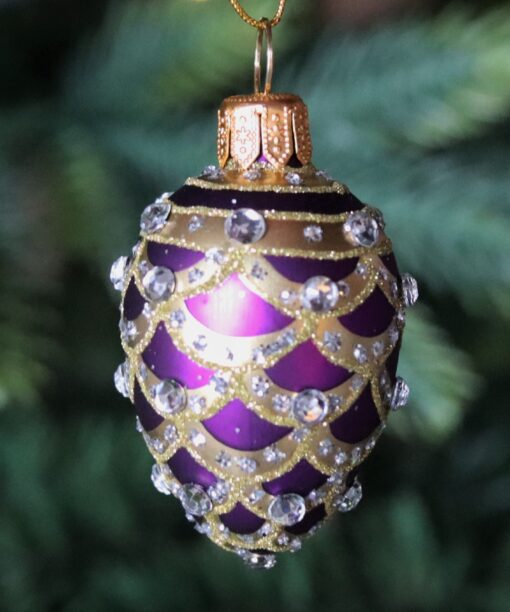
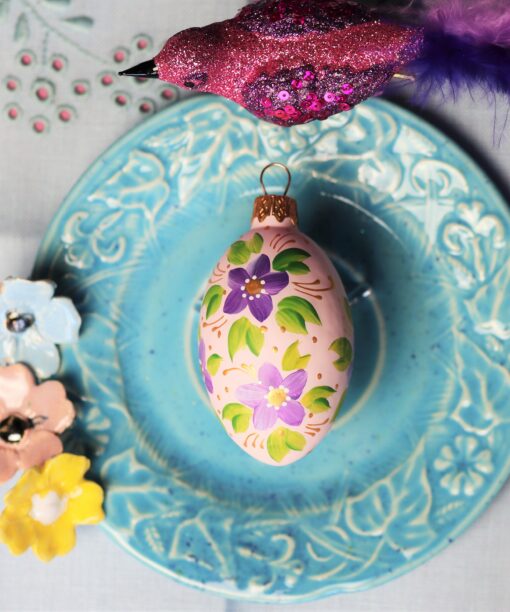
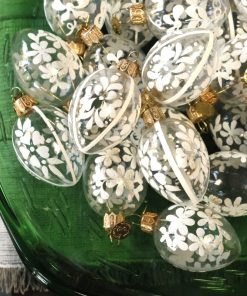
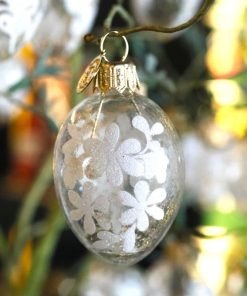
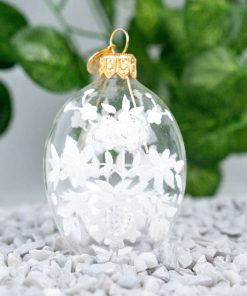
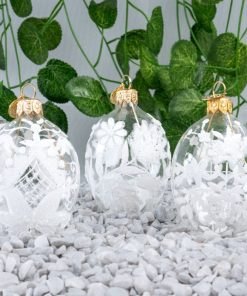
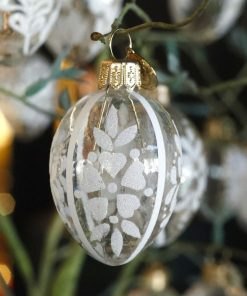
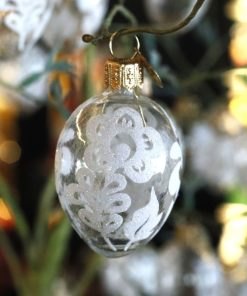
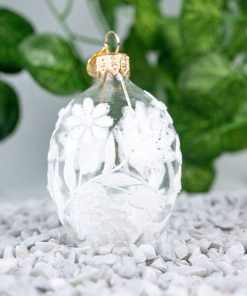
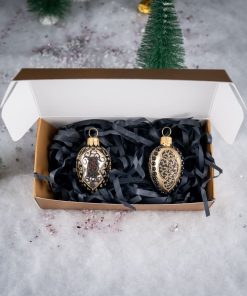
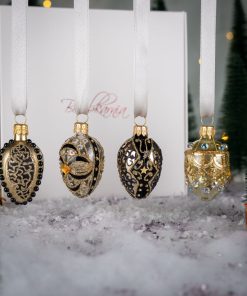
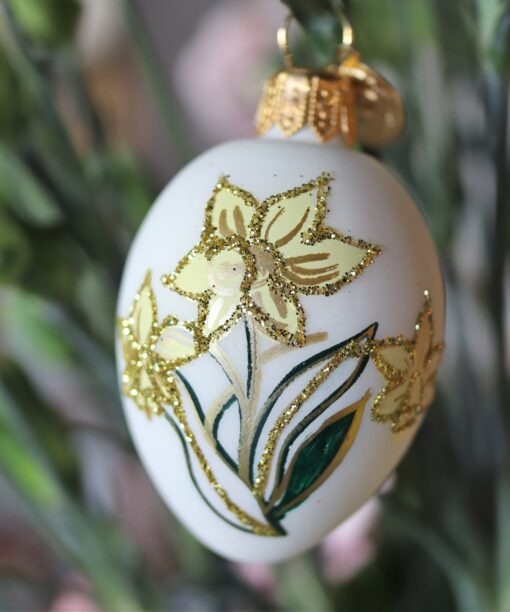
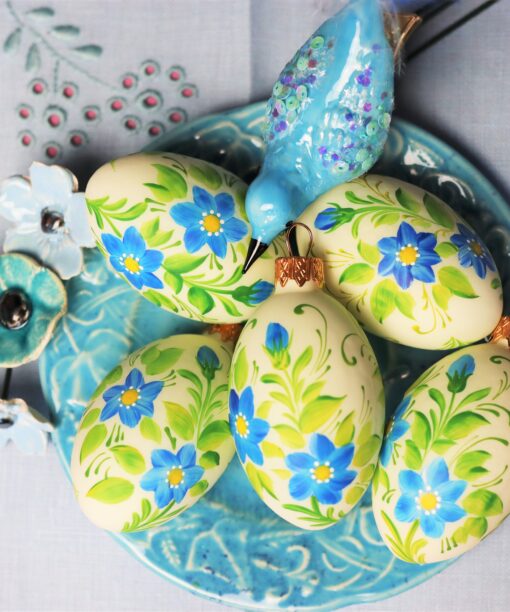 Mini egg - Cornflowers
1 × 45.00 zł
Mini egg - Cornflowers
1 × 45.00 zł
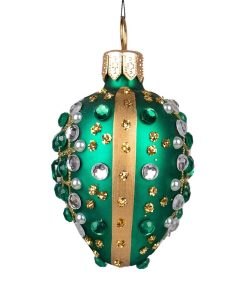
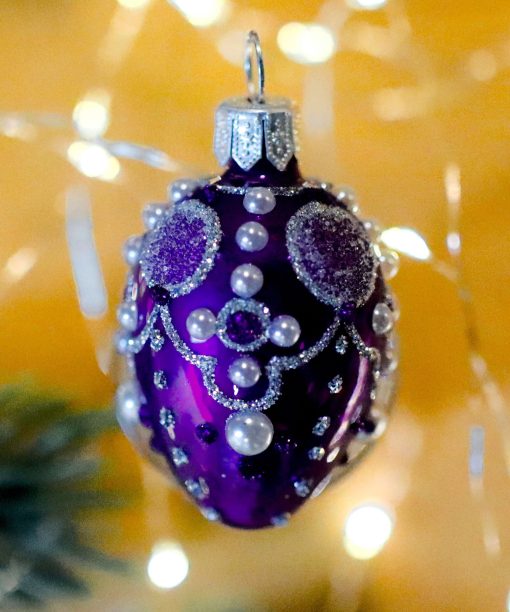
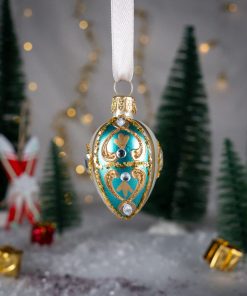
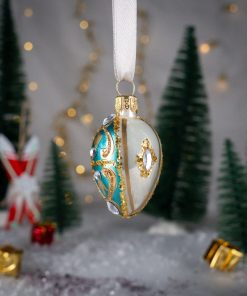
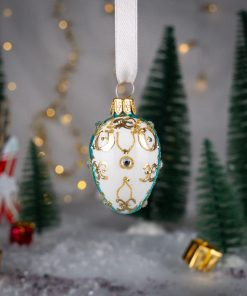
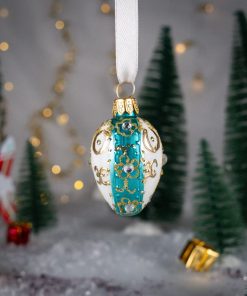
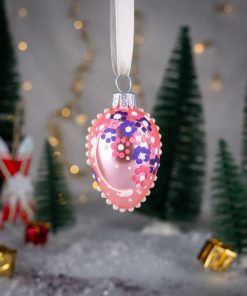
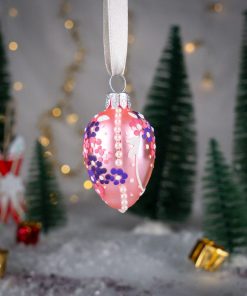
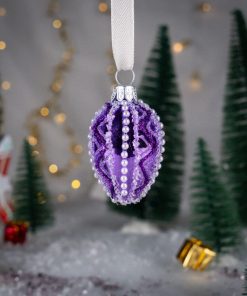
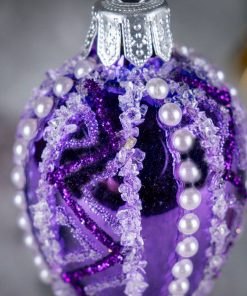
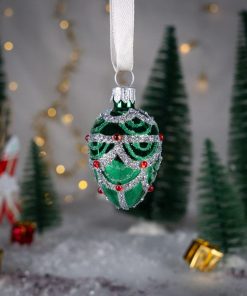
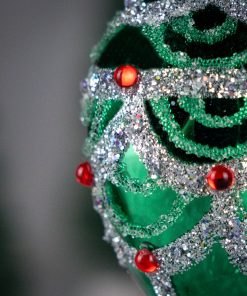
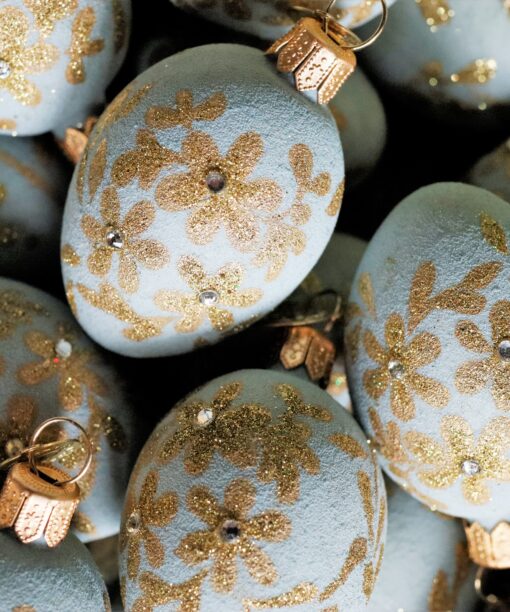
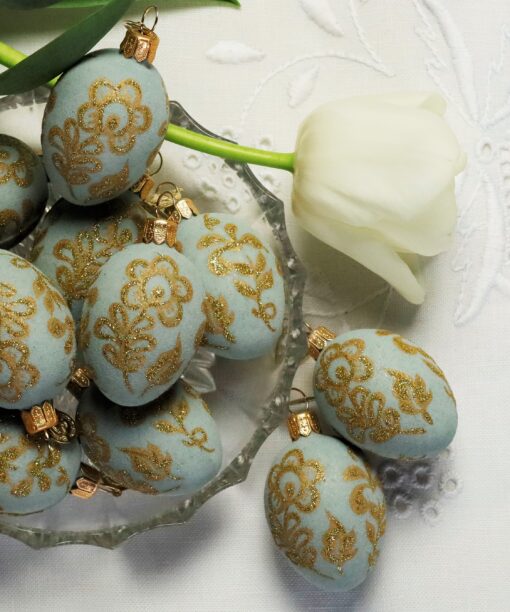
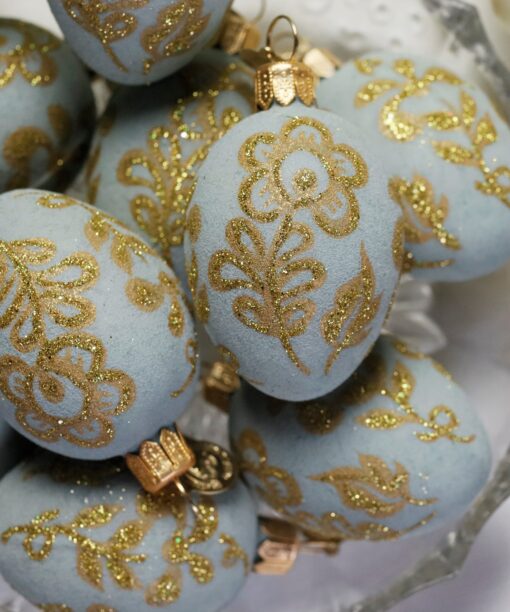
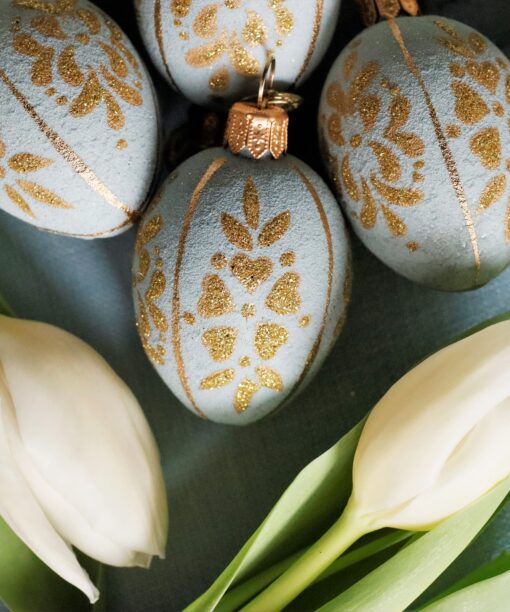
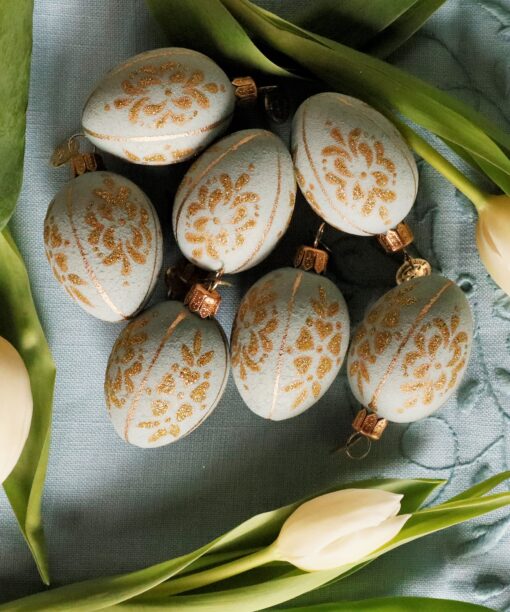
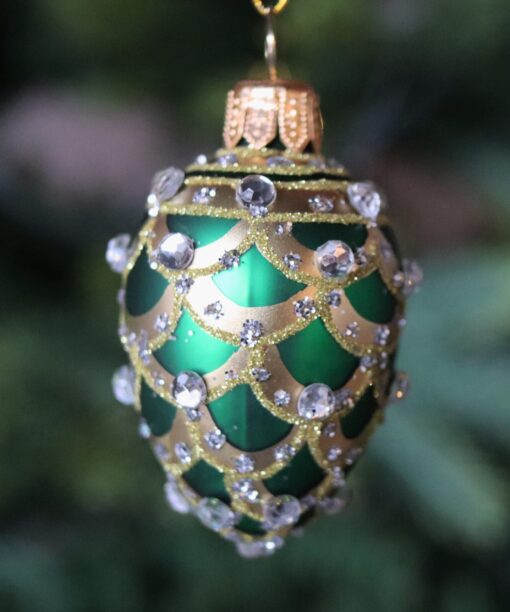
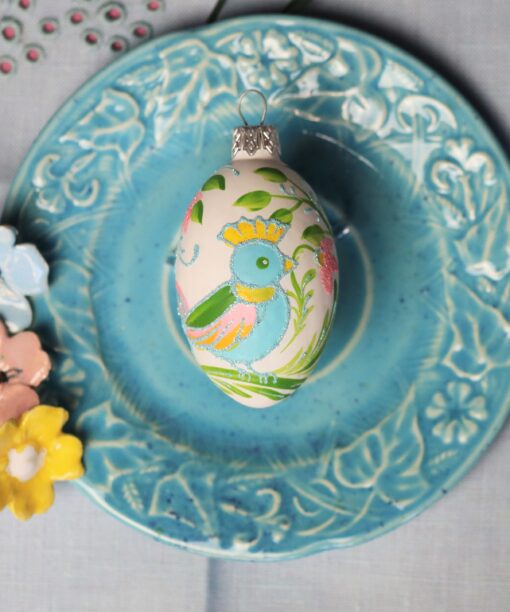
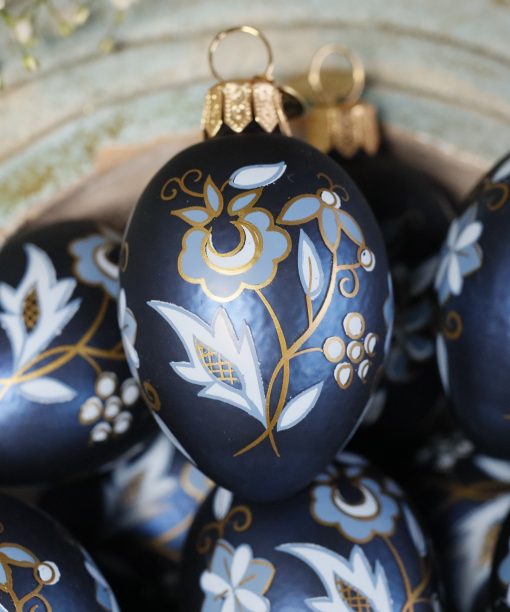
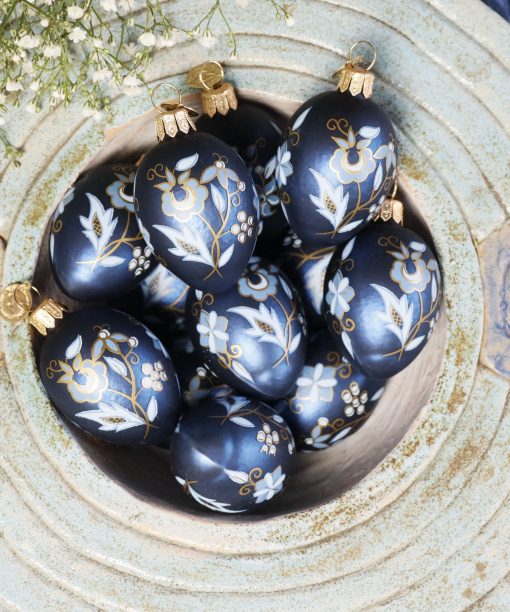
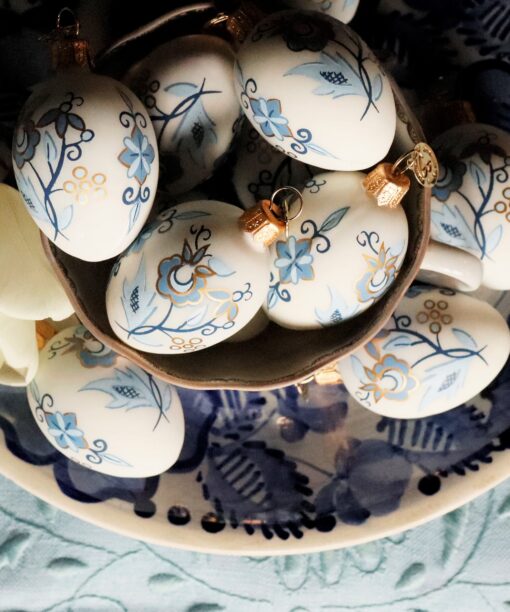
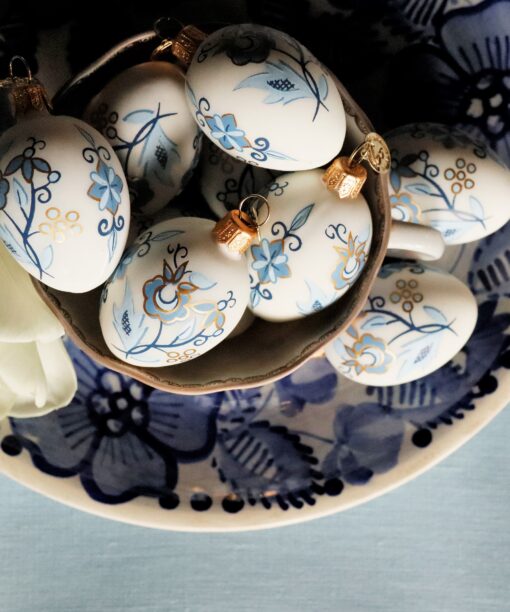
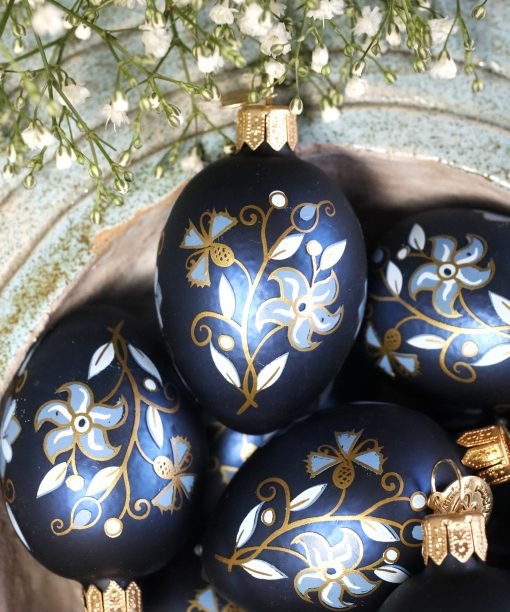

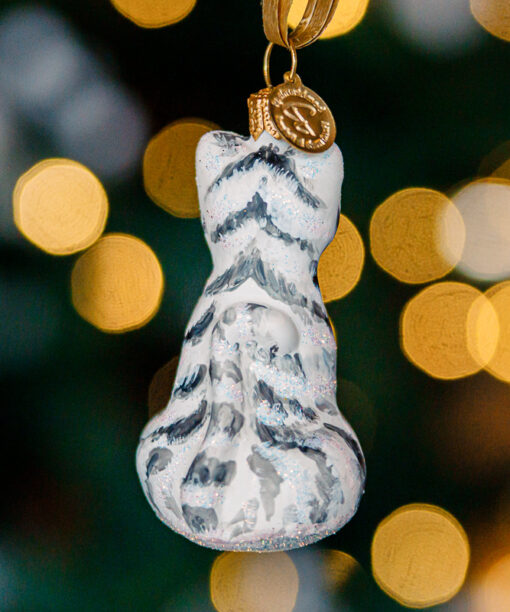
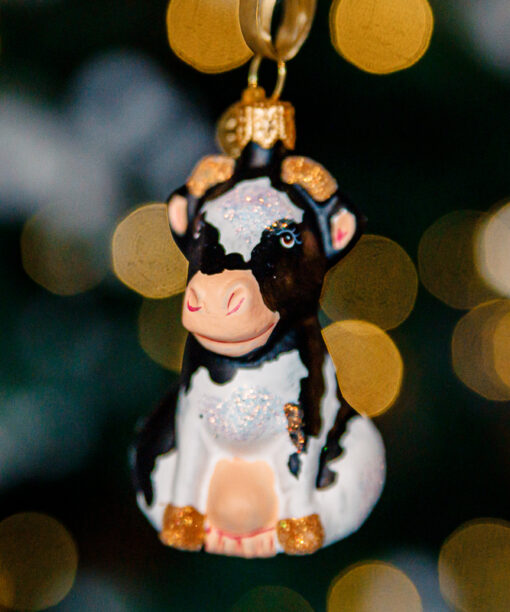
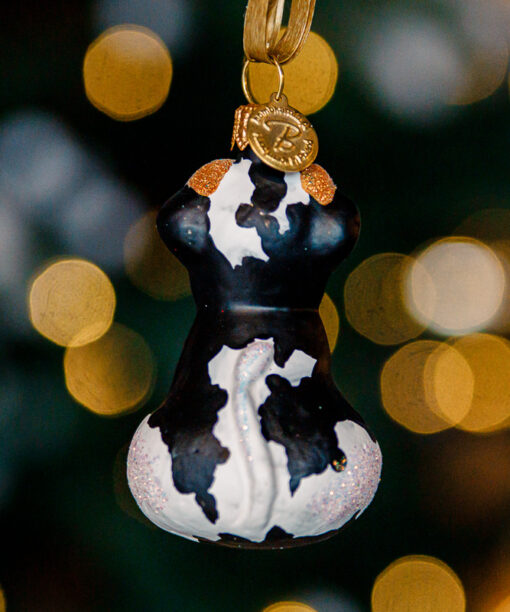
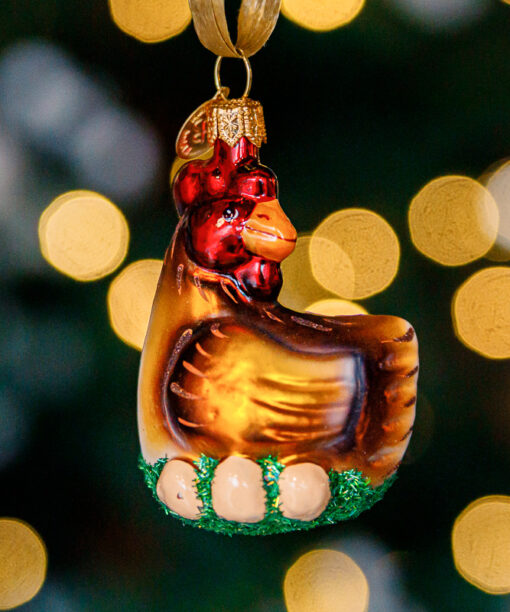
Out of stock
Out of stock
Out of stock
Out of stock
Out of stock
Out of stock
Out of stock
Out of stock
Out of stock
Out of stock
Out of stock
Out of stock
Out of stock
Out of stock
Out of stock
Out of stock
Out of stock
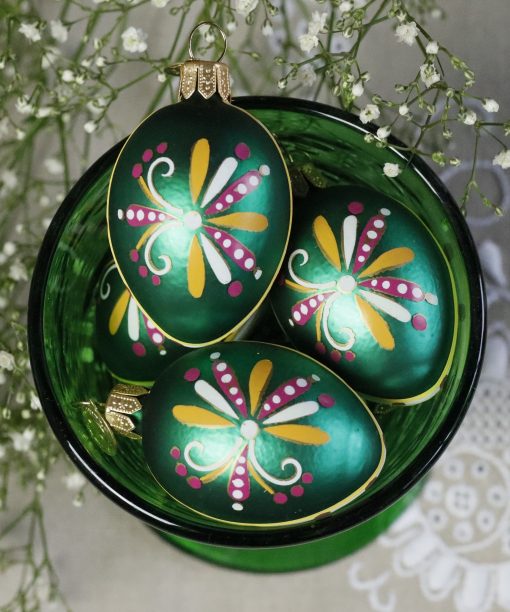
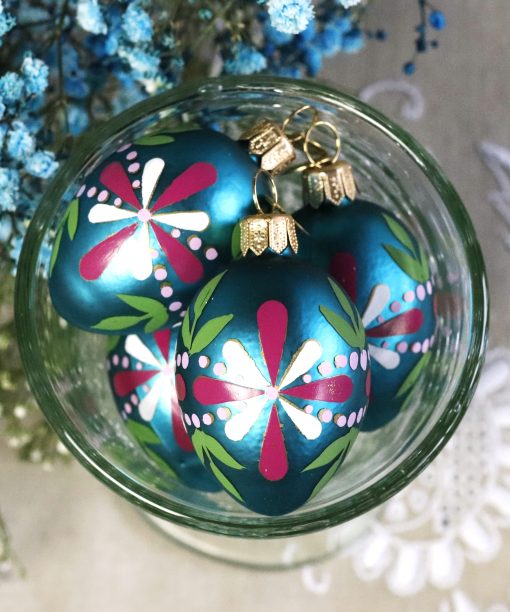
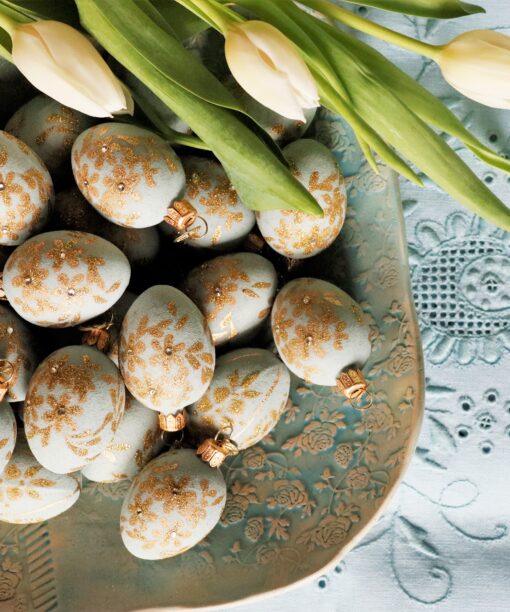
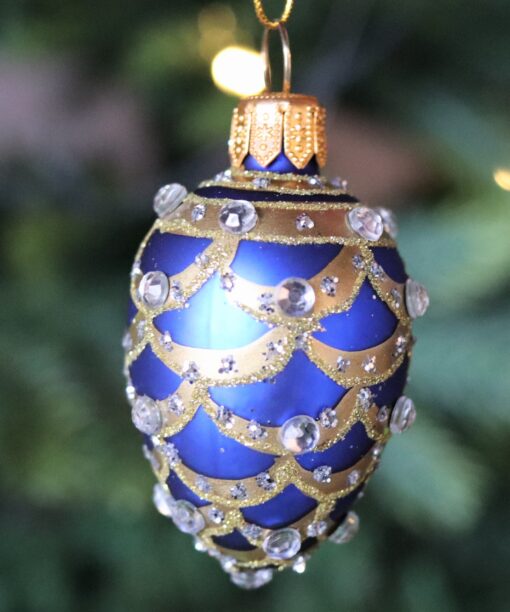
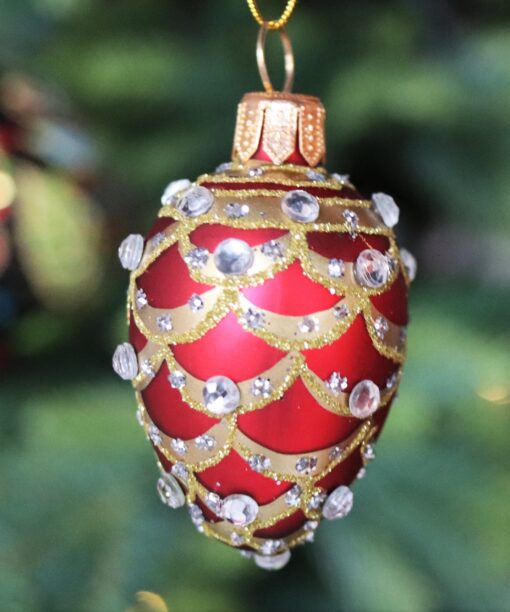
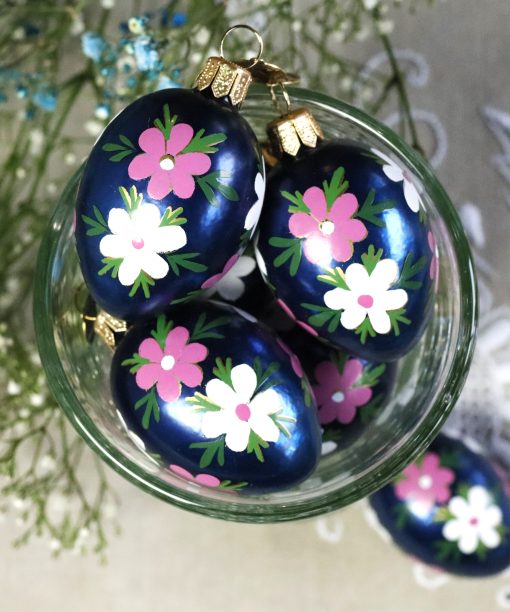
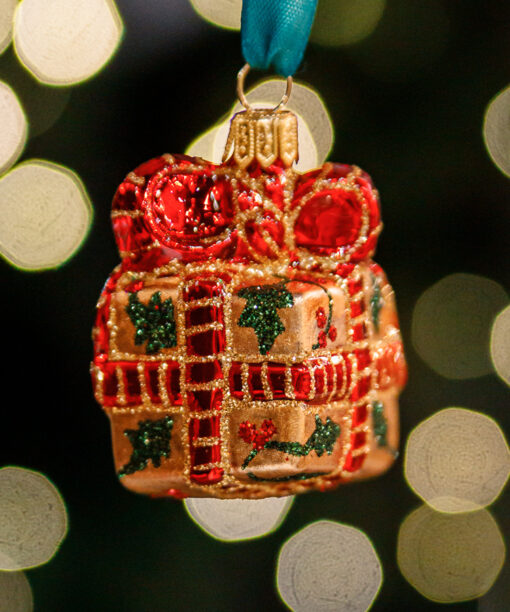
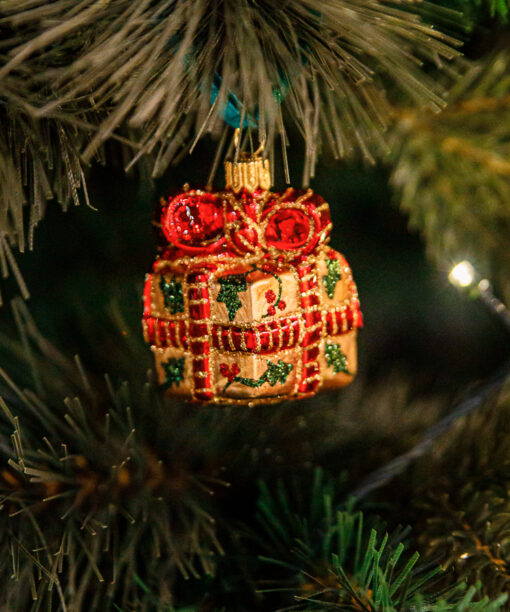
Small glass Christmas baubles hand decorated
Small glass Christmas baubles are among the decorations that have attracted attention for decades with their subtlety and precision of craftsmanship. Each hand-painted mini bauble is made from thin glass walls, and every brushstroke leaves the mark of the artist. The craft of decorating glass miniatures combines knowledge of painting techniques with a deep understanding of design.
Glass Christmas ornaments in small sizes work perfectly on any tree, regardless of its dimensions. Tiny pendants can be placed where larger baubles would not fit, which allows for filling the branches of the Christmas tree evenly and effectively. However, a small size does not mean less precision; on the contrary, artists must demonstrate greater care when painting miniature surfaces.
Small glass baubles and their role in holiday decoration
Glass ornaments in a miniature format have a long history in European holiday craftsmanship. The first glass Christmas baubles were created in 1847 at a glassworks in Lauscha, where craftsman Hans Greiner blew the first spheres from thin glass. Since then, the art of glass decoration has developed over subsequent decades, taking on increasingly rich forms and patterns.
Where the art of painting small glass ornaments comes from
Glass painting is a craft that has its roots in 19th-century manufactories, where each ornament was created by hand in the flame of a kerosene lamp. Men formed the glass spheres, while women and children applied paints and decorations to them. The division of labor meant that each person specialized in a specific stage of production, which increased the quality of the product.
The method of silvering glass, discovered by chemist Justus von Liebig in 1835, revolutionized decoration and became popular after 1867. It allowed for obtaining shiny surfaces on which paints were applied with extraordinary intensity. It influenced the aesthetics of glass ornaments that we know to this day.
In Poland, the tradition of manufacturing glass Christmas baubles developed in the mid-20th century, when the first national factory for Christmas ornaments was established in Milicz. Polish craftsmanship quickly developed its own style, drawing from folk motifs and regional weaving patterns. The combination of European technique with native ornamentation produced an original effect recognizable all over the world.
Regional embroidery and Lowicz paper cutouts as a source of design
Polish decorative art is extremely rich in motifs derived from specific regions of the country. Kashubian embroidery, Lowicz paper cutouts, highlander patterns, and Opole ornaments together create a unique resource of folk design. Artists transfer these motifs onto glass surfaces with attention to every detail, preserving the authentic character of regional tradition.
Patterns derived from folk art that most often appear on miniature glass ornaments:
- Floral motifs taken from Kashubian, Leczyca, and Lublin embroidery
- Lowicz paper cutouts with a characteristic color arrangement and symmetry
- Highlander patterns with sharply defined lines and contrasting colors
- Opole embroidery with rich floral ornamentation on a red background
Each folk motif requires the artist to have knowledge of its history and composition rules. Lowicz paper cutouts, for example, are based on symmetry and strong color contrasts, which must be maintained even on the small surface of glass baubles. Transferring them onto a miniature is not only a painting task but also an interpretive artistic challenge.
Colors and decorations of miniature baubles in Polish craftsmanship
The Polish decorative tradition is distinguished by vivid colors and precision of lines. Deep red, navy blue, bottle green, and gold, which have been associated with Polish holiday handicrafts for years, dominate on small glass baubles. The colors are chosen so that they complement each other and create a coherent whole.
The process of painting a glass miniature requires the use of special paints with the appropriate consistency. Paint that is too thick causes unevenness, while paint that is too thin runs and blurs the pattern. Artists adjust the consistency of the painting medium according to the temperature and humidity of the environment, which requires experience gained through years of practice.
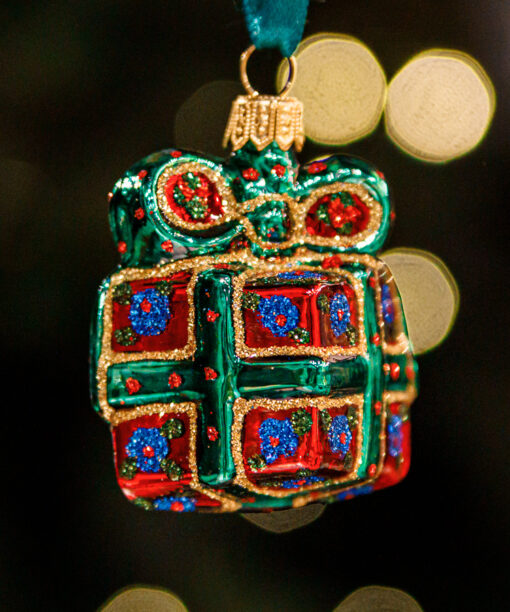
The decorations are complemented by small decorative elements, such as gilding, silver rims, and glitter applied with a fine brush. Each of these requires a different application technique and drying time. The precision of working on a miniature surface makes hand-decorated glass baubles belong to the highest segment of Christmas tree ornaments.
Glitter motifs on glass and their impact on tree arrangement
Glitter on a glass surface creates a shimmering effect that looks particularly impressive under the light of Christmas tree lights. Glitter particles are glued to wet paint, which allows for varying coverage density, from a delicate sheen to an intense glow.
Glass ornaments with glitter work well in several types of holiday arrangements:
- On Christmas trees kept in a gold and red color scheme, where glitter enhances the warm character of the decoration
- On glamour-style trees, where a mix of silver and glitter creates an impressive, shiny whole
- On smaller decorative Christmas trees, where each ornament serves as a central point of the arrangement
The glitter used on glass miniatures is not limited to gold and silver. Dyed glitter in shades of ruby, emerald, or navy blue allows for building Christmas tree arrangements in non-standard color sets. Small hand-painted Christmas ornaments with colored glitter give the tree a unique character.
How to choose small Christmas decorations for interior design
Choosing Christmas ornaments is not only a matter of taste but also a conscious compositional decision. Small ornaments follow slightly different rules than large baubles because their strength lies in accumulation and the rhythm of placement. Well-chosen miniature pendants create a coherent, harmonious whole together, even if each one differs in pattern.
Color palette of small ornaments and the consistency of the holiday composition
Interior design specialists recommend limiting the Christmas tree color palette to two or three dominant colors. This allows for maintaining the visual consistency of the tree and avoiding the impression of chaos that can arise from too many colors. On small ornaments, this rule works particularly effectively because small pendants in similar colors create an effect of a delicate rhythm on the branches.
Classic color combinations proven in Polish holiday tradition include deep red with gold, navy blue with silver, and bottle green with copper. Each of them brings a different mood: warm and familial, cool and elegant, or forest-like and natural. The choice of color scheme should be consistent with the character of the interior where the Christmas tree stands.
With small ornaments, it is worth paying attention not only to the color but also to the surface texture. Small glass baubles can have a matte, glossy, or satin surface, and combining different textures within one color palette adds depth to the arrangement. The effect is subtle but significantly increases the aesthetic value of the whole.
Placement of miniature ornaments on tree branches
The placement of decorations on the Christmas tree has a direct impact on its final look. Christmas tree decorating experts point to one key principle: smaller ornaments should be placed higher up, and larger ones at the bottom, which makes the tree look proportional and stable. For miniature ornaments, this means they look most beautiful in the upper and middle sections of the branches.
The order of decorating the Christmas tree, which allows for the best effect:
- First, distribute the lights evenly across the entire tree
- Next, hang garlands or chains if they are part of the arrangement
- Finally, place the baubles and ornaments, starting with the larger ones at the bottom
- Distribute small miniature ornaments in the upper sections and on the tips of the branches
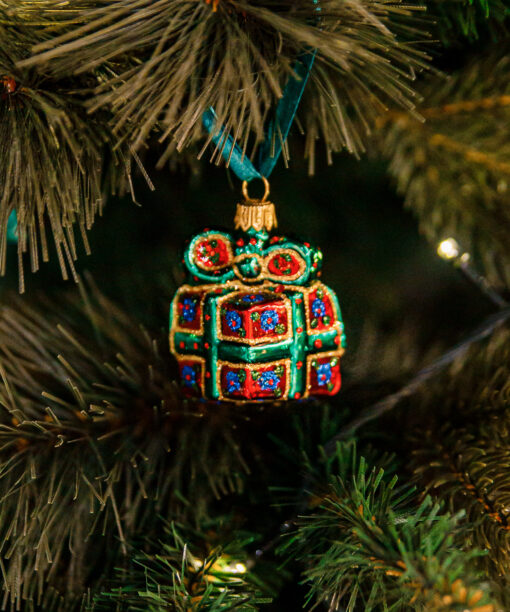
Small ornaments are great for filling spaces that larger baubles would not reach, such as the inner parts of the Christmas tree crown and the very tips of thin branches. That is exactly where fine glass ornaments look best, gently swaying with every movement of the air. It is important not to cluster them too densely in one place, because then they get lost instead of catching the eye.
Collectible miniature sets and the visual effect on the Christmas tree
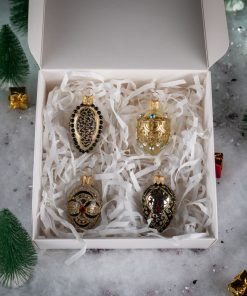
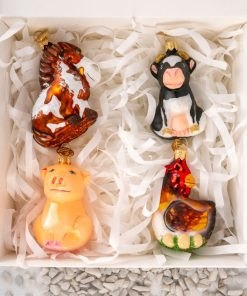
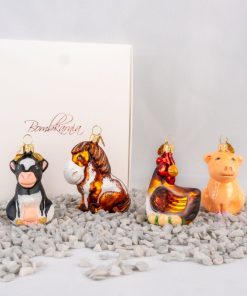
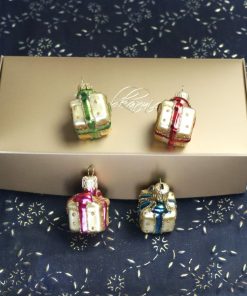
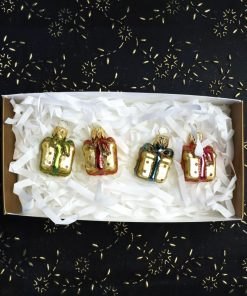
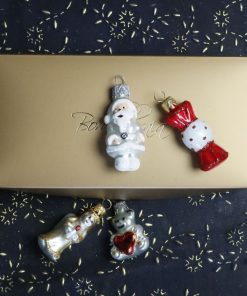
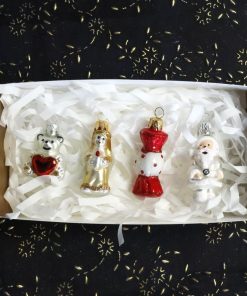
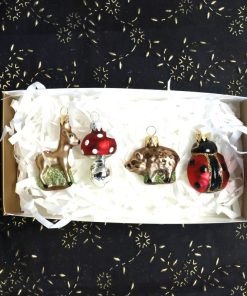
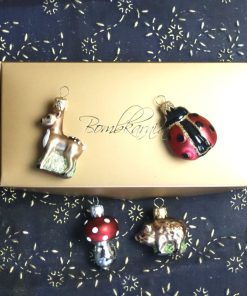
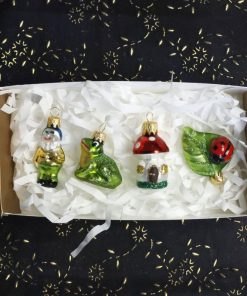
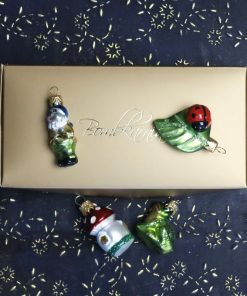
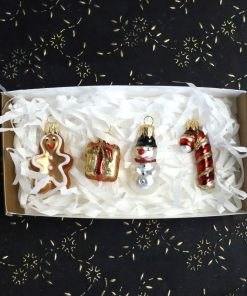
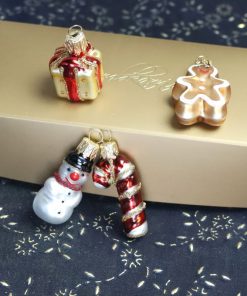
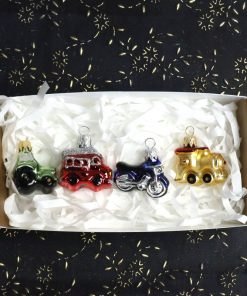
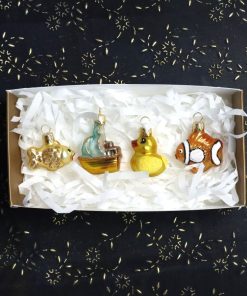
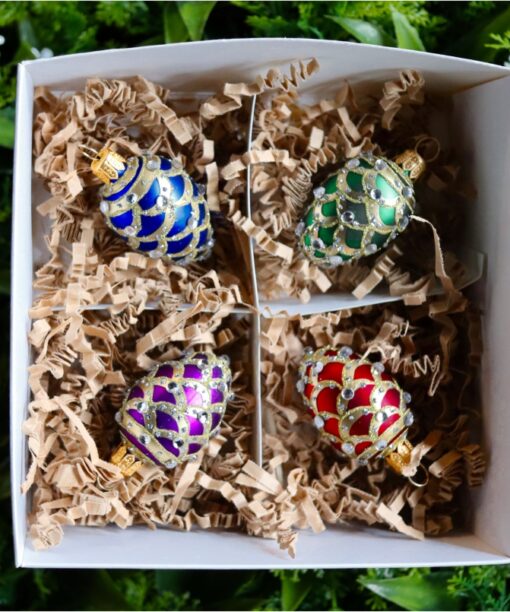
Collectible miniature sets are a solution for people who want to build a cohesive arrangement without the need for tedious selection of individual ornaments. A ready-made set contains decorations matched in terms of color, design, and form, which makes it much easier to achieve a harmonious effect.
Collectible miniature glass sets can also serve as souvenirs or gifts. Each ornament in the set is different, yet the whole creates a cohesive composition. People who collect glass baubles often build thematic collections, for example, focusing exclusively on floral or regional motifs.
Discover the collection of handcrafted ornaments at Bombkarnia and decorate your Christmas tree uniquely
Bombkarnia is an online store specializing in glass Christmas decorations created by Polish artists. All ornaments are handmade, with inspiration drawn from Polish folklore, Baroque motifs, and global decorative trends. Each ornament reaches the store as a finished, unique work of handicraft.
What to consider when choosing a glass ornament from the Bombkarnia offer
The choice of a hand-painted Christmas ornament should be based on a few practical premises. First of all, it is worth considering the style of the arrangement you want to create on the tree. Ornaments with folk motifs fit well with warm, traditional holidays, while those with glitter and gilding will work well in elegant, modern interiors.
Tips for choosing small glass ornaments:
- Pattern motif should be consistent with other decorations in the room
- Color scheme must create a harmonious whole with the chosen color palette of the Christmas tree
- Form of the ornament, ball, Easter egg, or figurine, should match the character of the arrangement
- Quality of glass and painting determines the durability and aesthetics of the ornament for years to come
It is worth noting that hand-decorated glass baubles differ from each other even within the same series. This is a natural feature of handicraft, because each ornament is created with a different brushstroke of the artist. It is precisely this uniqueness that makes handcrafted glass ornaments have incomparably greater aesthetic value than mass-produced decorations.
Order tiny baubles and create a unique Christmas decoration
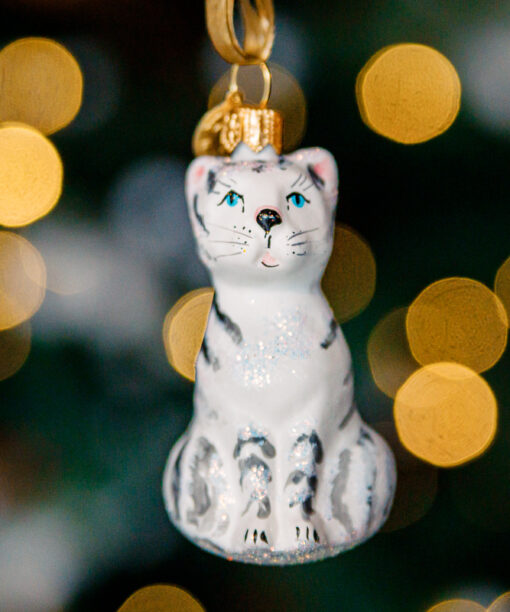
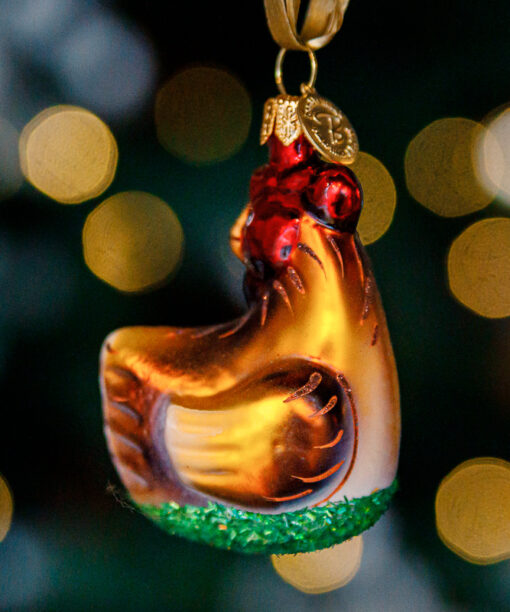
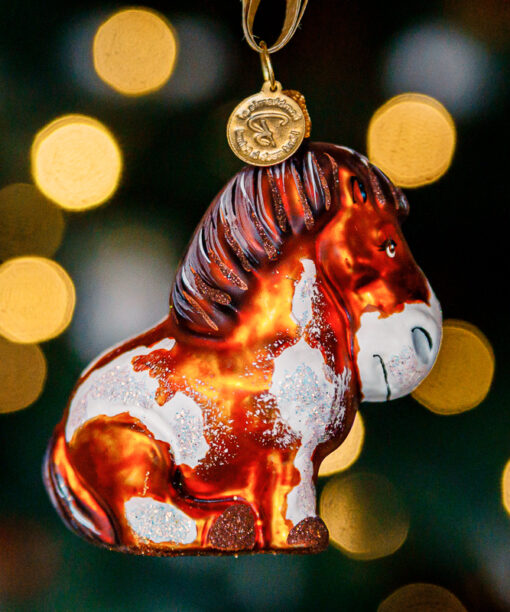
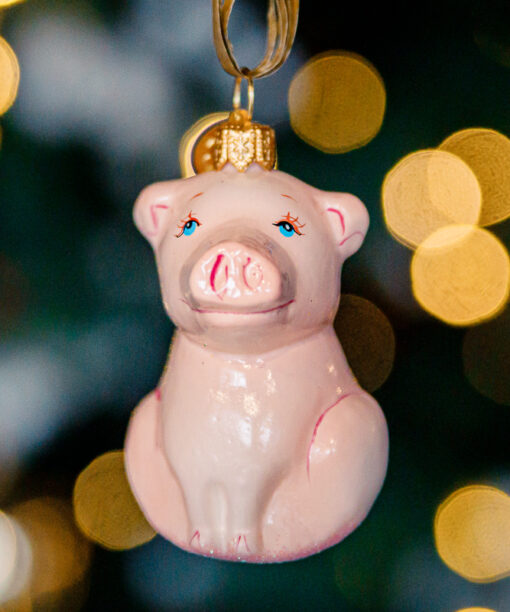
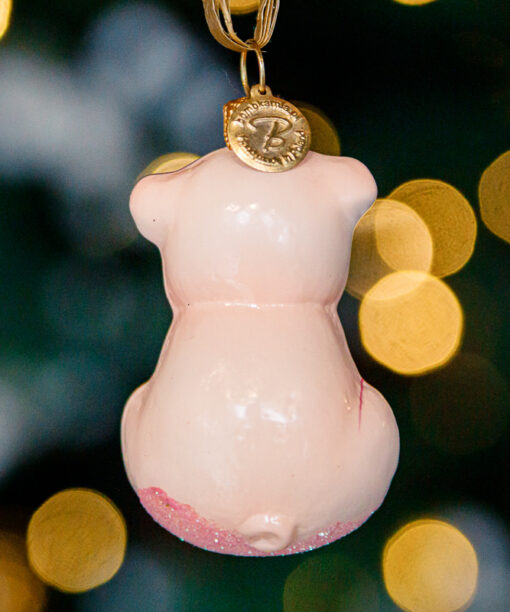
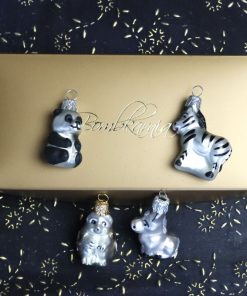
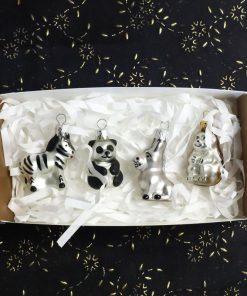
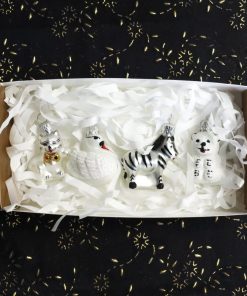
The Bombkarnia collection includes a wide selection of miniature glass ornaments, from classic spheres to animal figurines and thematic sets. Each small glass Christmas bauble comes from the studio of Polish artists and reaches the buyer as an original piece of handicraft. Place an order at the Bombkarnia store and give your Christmas tree a unique character that stands out from mass-produced decorations.
FAQ, Frequently asked questions
How do small glass baubles differ from plastic ones?
Small glass baubles are made of blown glass and hand-painted by artists, which makes each piece unique. Glass gives the ornaments a depth of color and a natural shine that cannot be replicated with plastic. Plastic ornaments are lighter and less fragile, but their surface loses color over time and becomes dull.
Glass mini Christmas baubles, on the other hand, retain their color intensity for many years if stored properly. Their weight makes them sway gently on the branches, creating a natural, lively effect. For those who value craftsmanship and durability, glass remains a clearly superior choice.
How to safely store glass Christmas ornaments after the season?
Glass Christmas ornaments require careful packing before being put away for the next year. Each miniature bauble should be wrapped in tissue paper or bubble wrap and placed in a box with compartments. The ornaments must not touch each other directly, as hitting one another can break them.
Storage should take place in a dry place with a stable temperature, preferably between ten and twenty degrees Celsius. Moisture causes the varnish to peel and the paint to fade, and direct sunlight accelerates color loss. Boxes with hand-painted ornaments should be labeled and placed horizontally to avoid tipping.
Where does the tradition of hanging glass baubles on a Christmas tree come from?
The first glass Christmas baubles were blown in 1847 by craftsman Hans Greiner in Lauscha, Germany. They quickly replaced apples, nuts, and other natural ornaments that were previously hung on trees. By the end of the 19th century, glass ornaments reached the United States, from where their popularity spread throughout the world.
In Poland, the tradition of producing glass Christmas ornaments developed in the mid-20th century, when the first national manufacturer of baubles was established in Milicz. Polish artisans enriched the European style of decoration with folk motifs, regional embroidery, and patterns derived from paper cutouts.
How are mini glass Christmas baubles painted?
The process of painting small glass ornaments begins with preparing the base, which involves silvering the inside of the glass using silver nitrate. The outer surface is covered with a layer of paint, and then patterns are applied with a brush, by hand and with great precision.
Hand-decorated glass baubles may have additional layers of glitter, gilded rims, or pearls applied in spots. Each stage must dry before the next is applied, which extends the production time of a single ornament. This is why hand-painted mini baubles differ from one another even within the same series of patterns.
How many mini baubles are needed to decorate a Christmas tree?
The number of small Christmas ornaments depends on the size of the tree and the density of its branches. For a Christmas tree that is 1.2 meters tall, forty to sixty small baubles are usually sufficient. A taller tree, reaching 1.8 meters, needs eighty to one hundred and twenty pieces to look impressive and proportional.
Miniature glass pendants are placed more densely in the upper parts of the tree and more sparsely at the base. It is a good idea to combine them with larger baubles that fill the space between the branches. Even distribution of the ornaments makes the festive tree decoration look neat and well-thought-out from every side.
Are small glass baubles suitable as a gift?
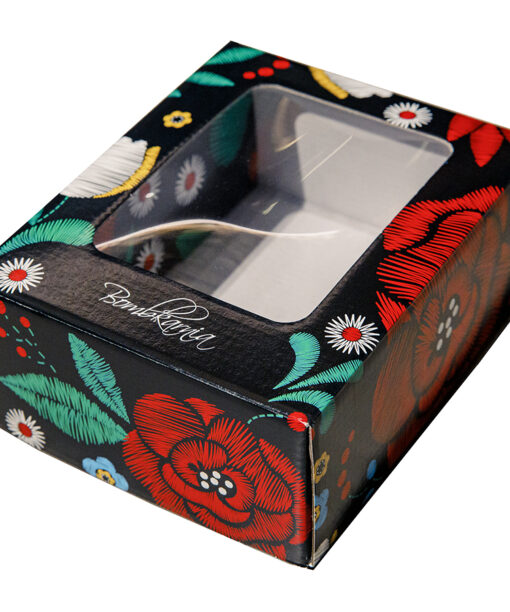
Glass mini Christmas baubles work well as a gift due to their artistic character and durability. Ornaments made by hand by Polish visual artists have collectible value and are eagerly collected by lovers of handicrafts. Ready-made sets of miniatures in decorative boxes are both an elegant and practical gift.
A particularly fitting gift is collectible sets of holiday decorations with regional, folkloric, or thematic motifs. Each piece is different, which means the recipient gets something truly unique. Hand-painted baubles are a gift that lasts for many years and gains sentimental value with every holiday season.