
 PL
PL
-
×
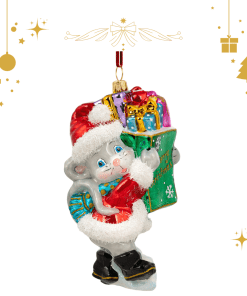 Christmas mouse
1 × 170.00 zł
Christmas mouse
1 × 170.00 zł -
×
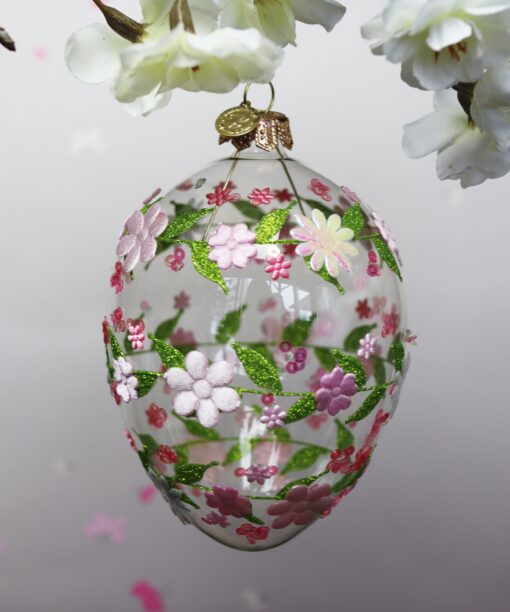 Eggs - Pink garlands
1 × 69.00 zł
Eggs - Pink garlands
1 × 69.00 zł
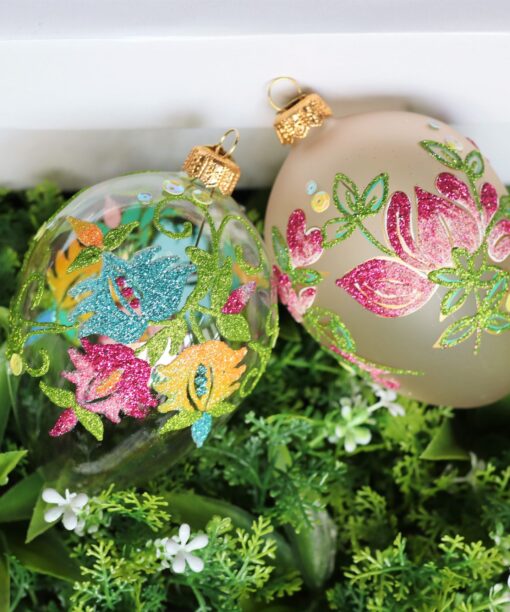
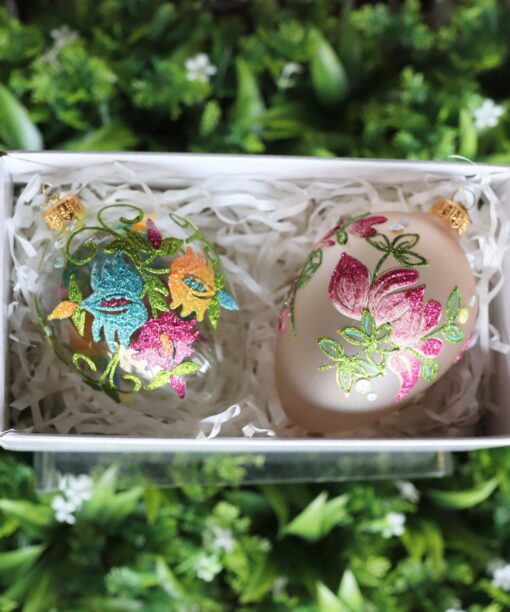
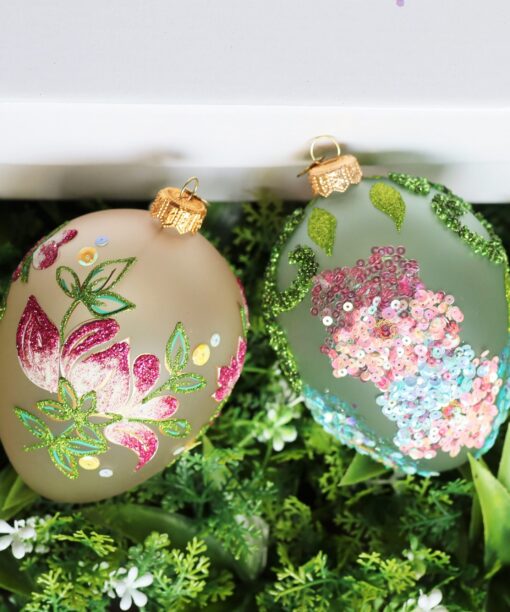
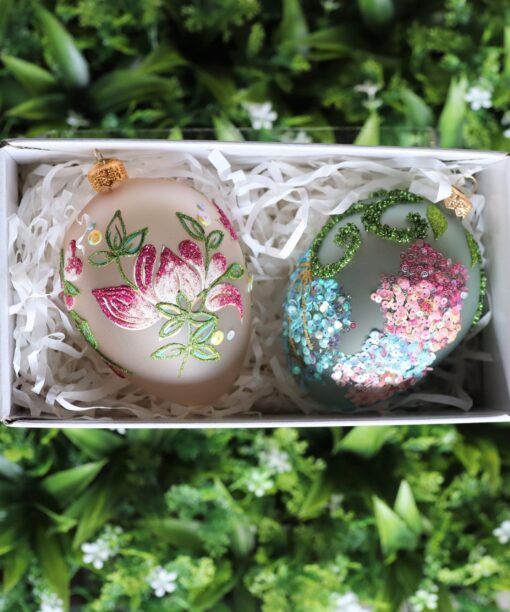
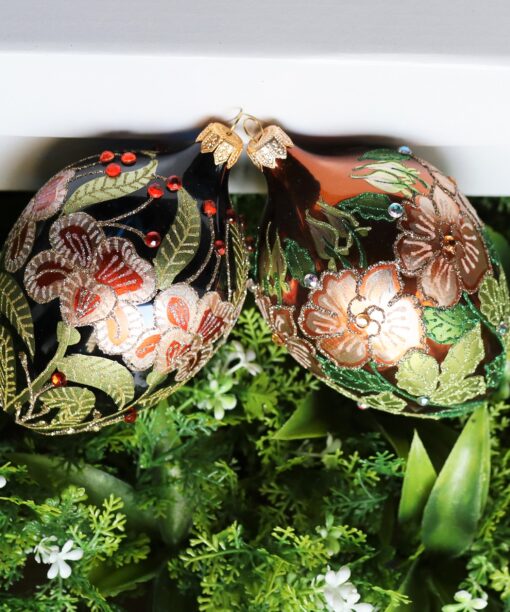

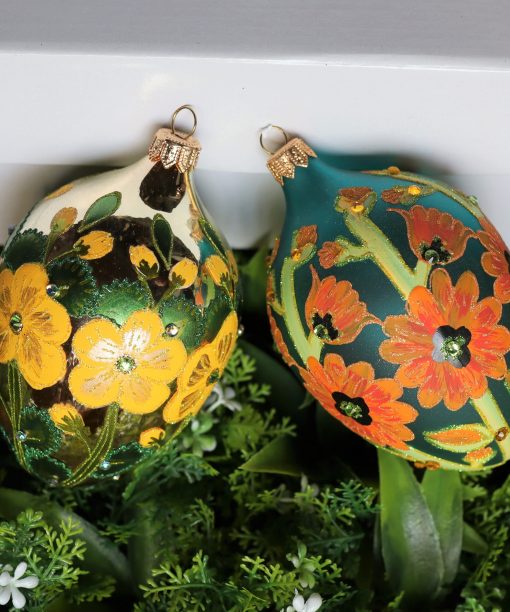
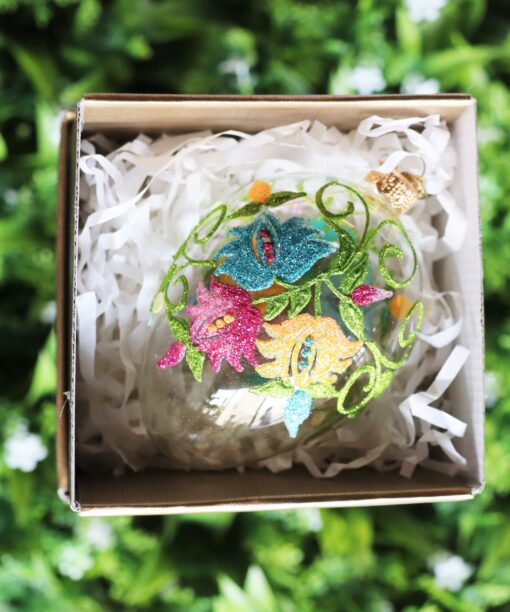
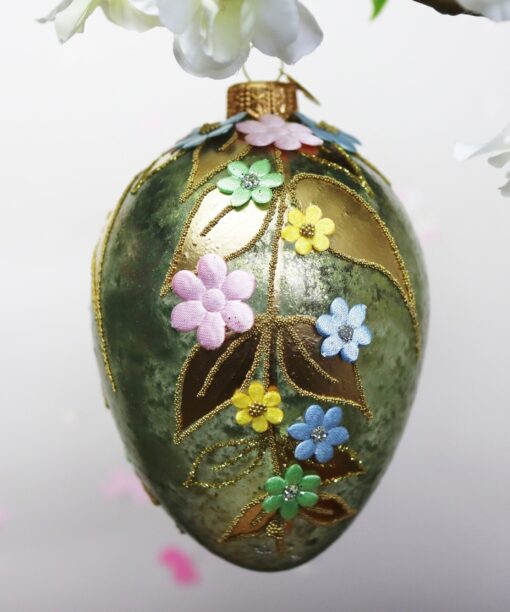
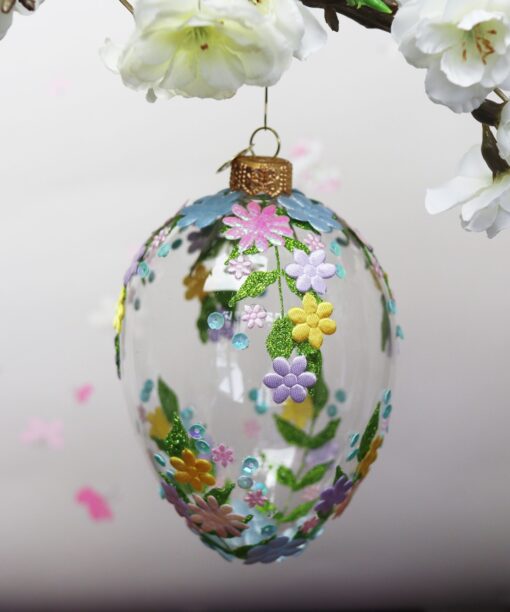
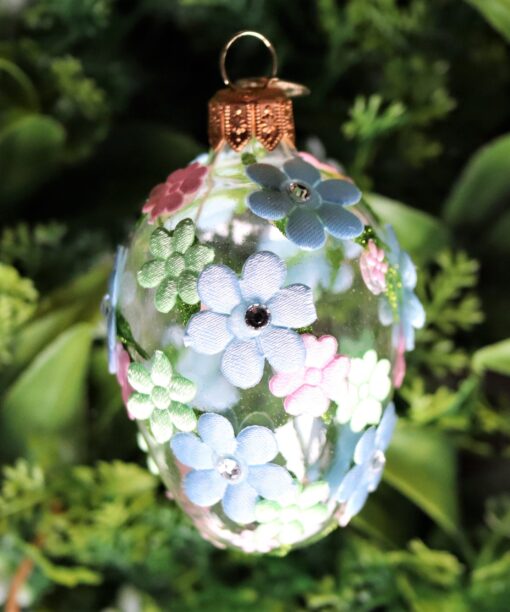
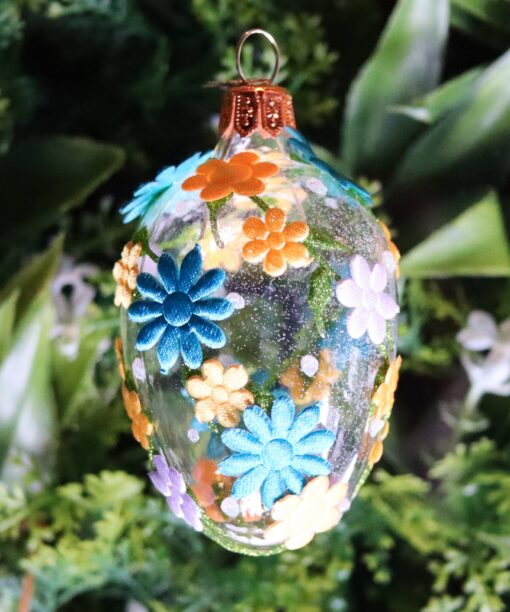
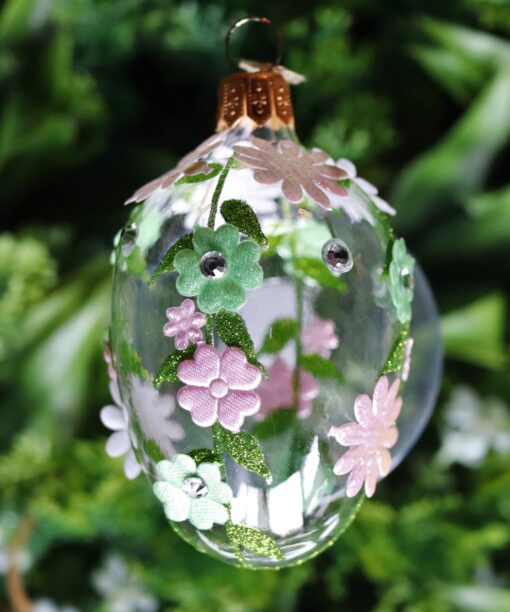
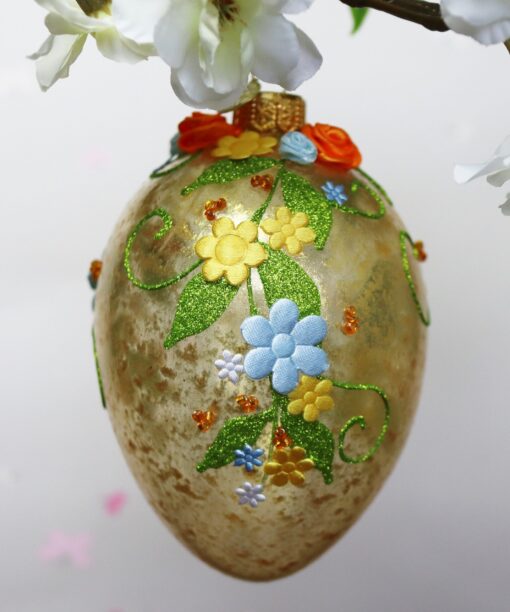
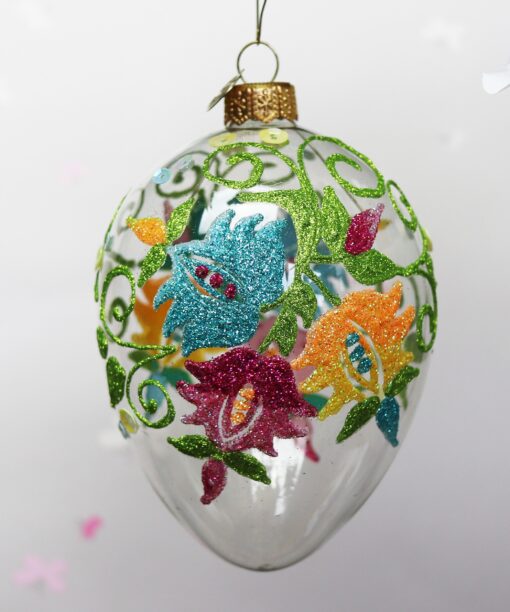
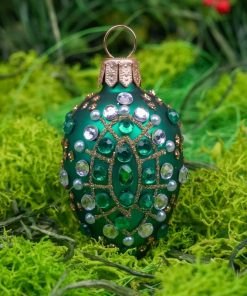
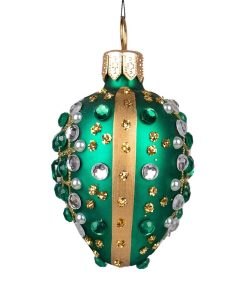
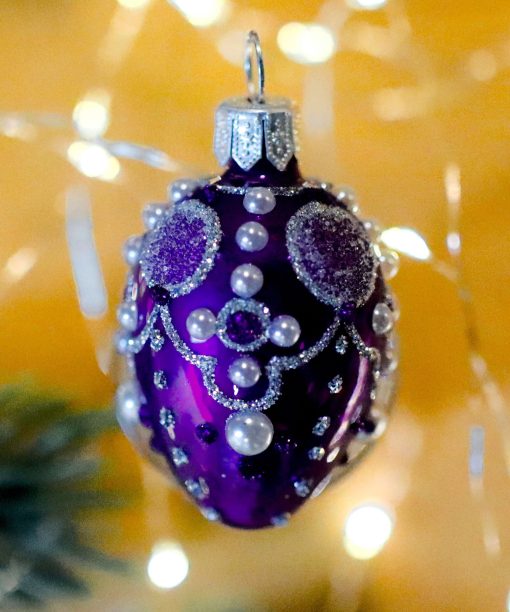
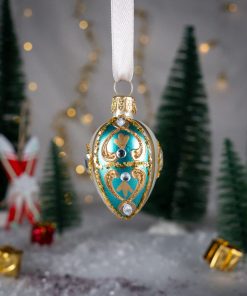
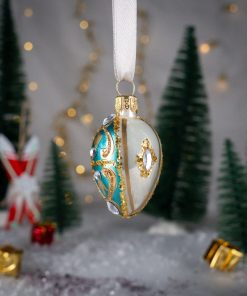
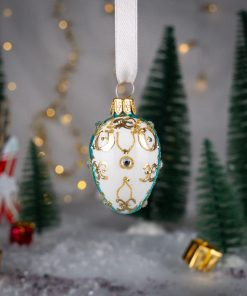
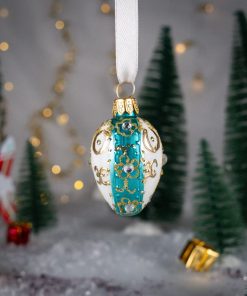
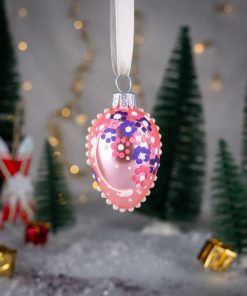
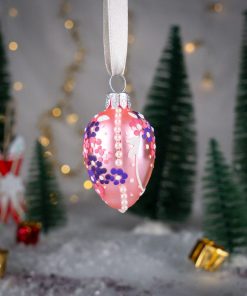
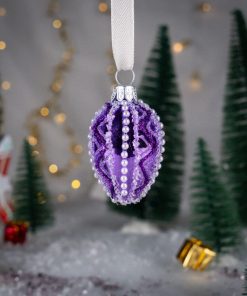
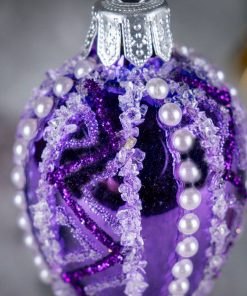
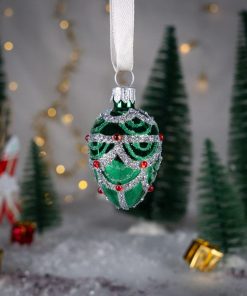
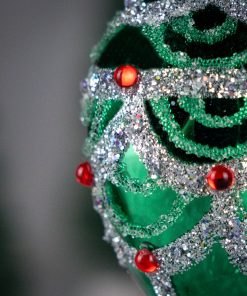
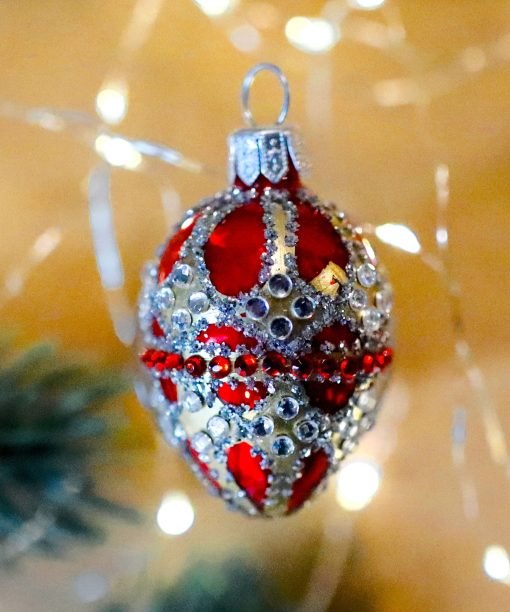
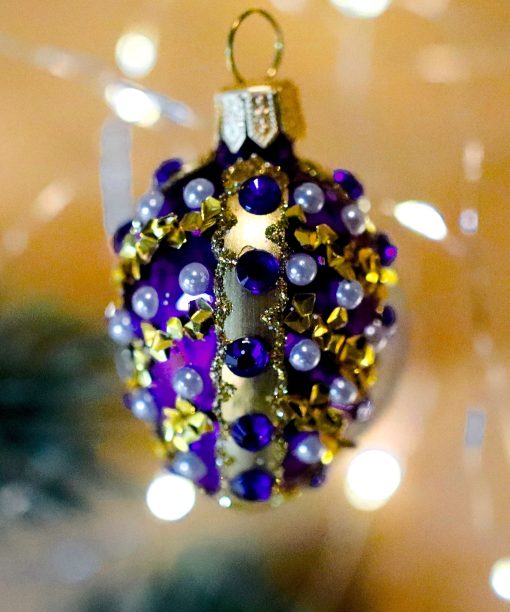
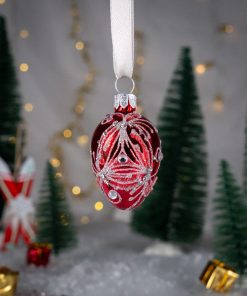
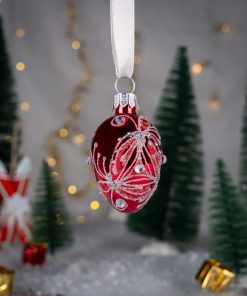
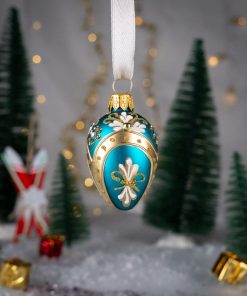
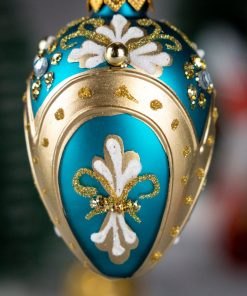
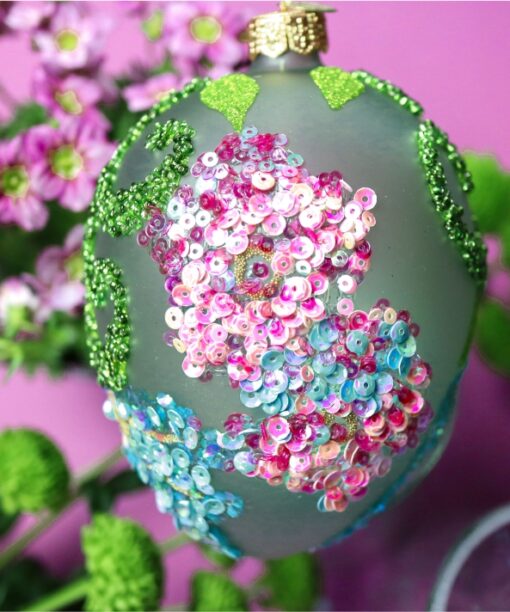
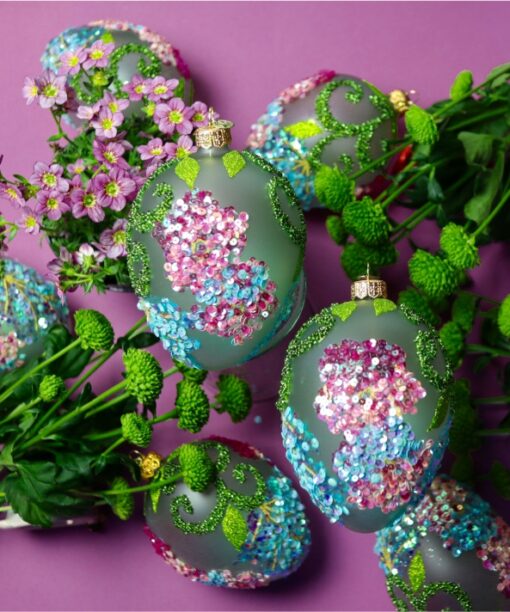
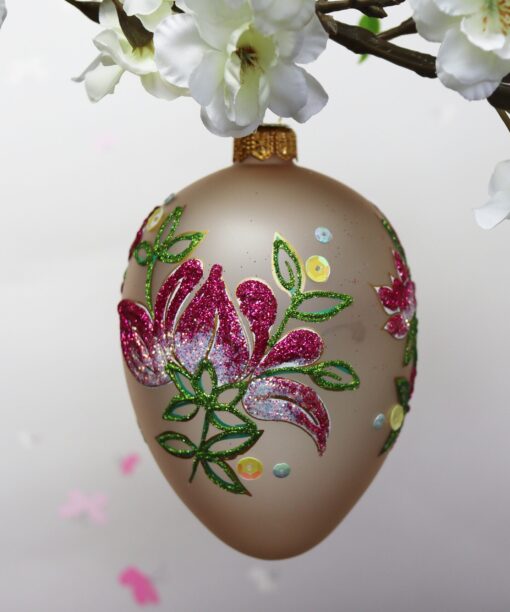
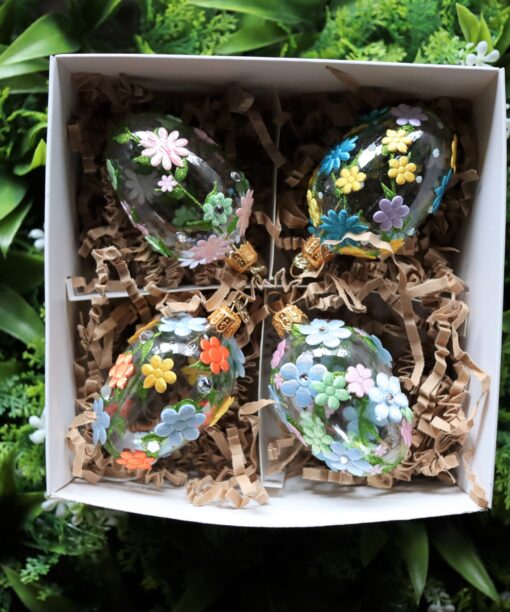
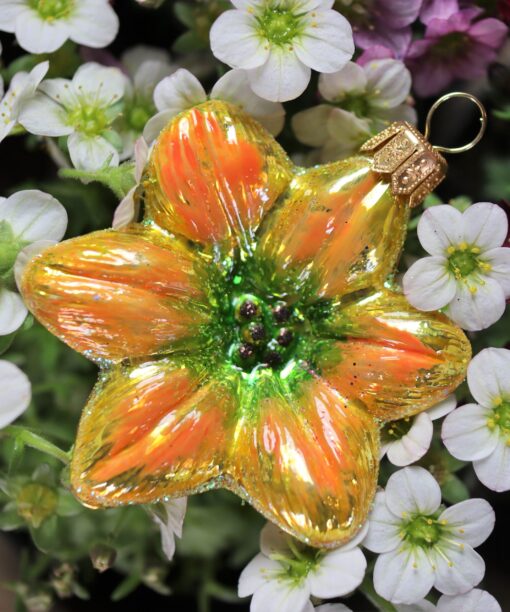
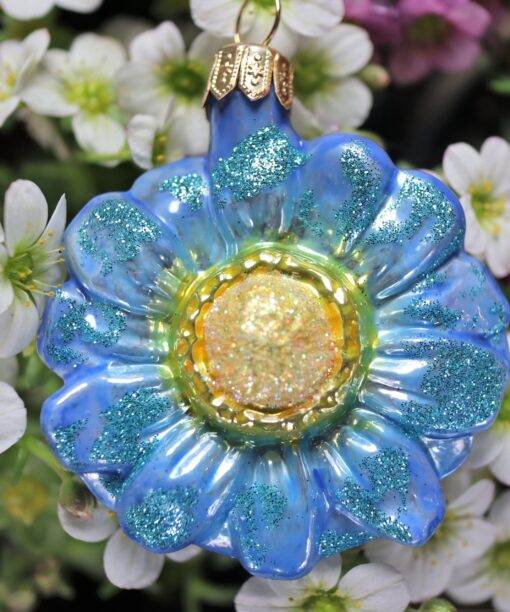
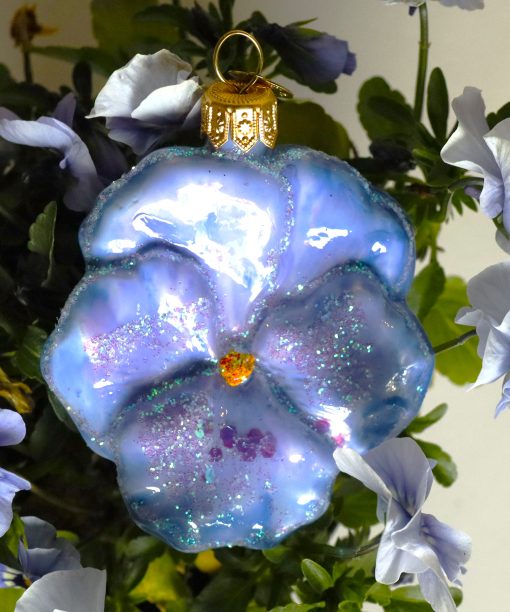
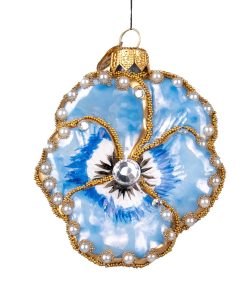
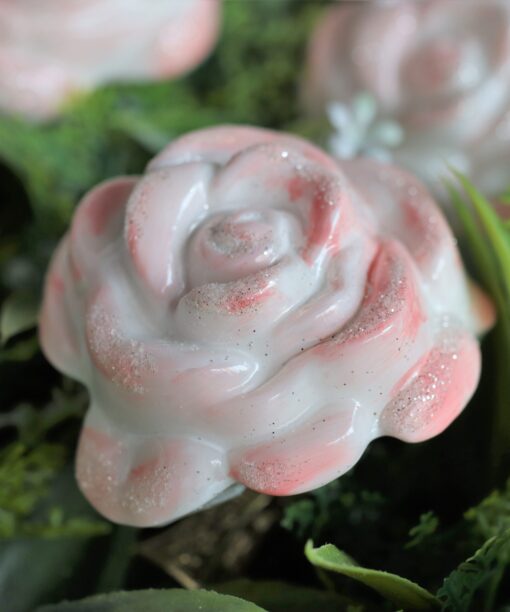
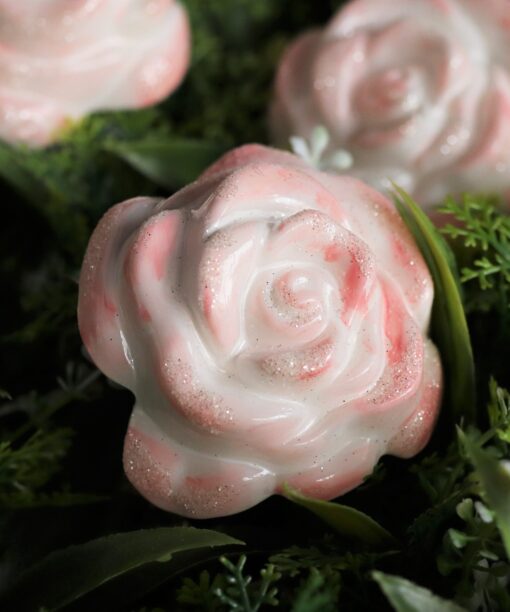
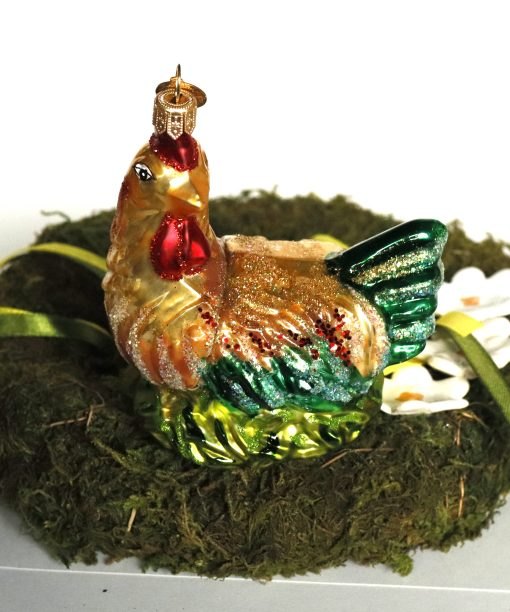
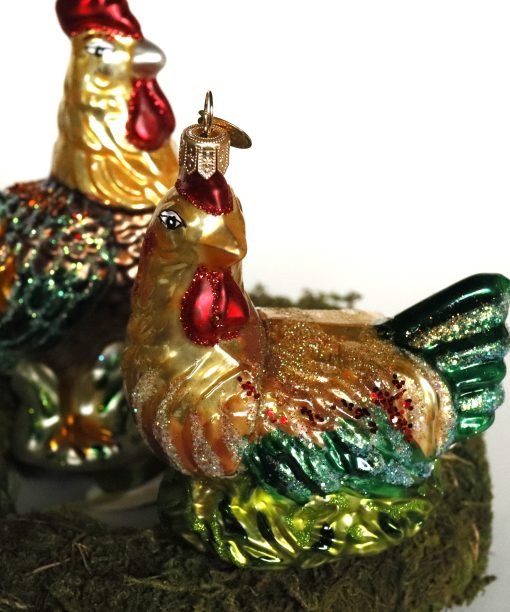
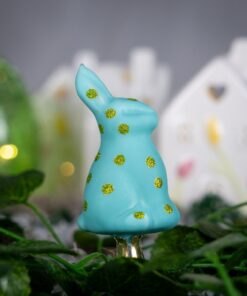
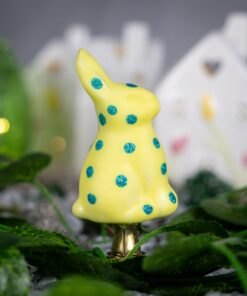
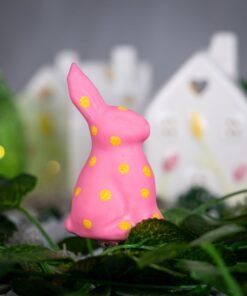
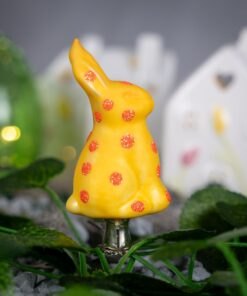
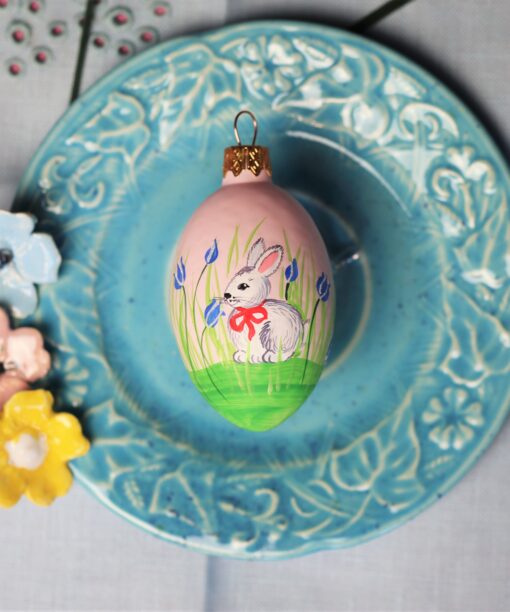
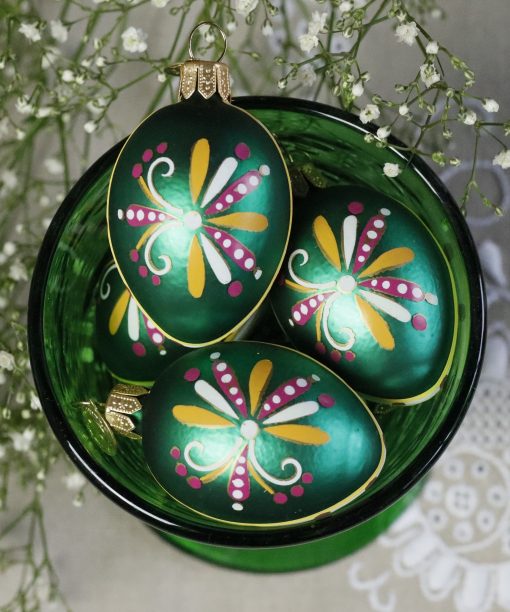
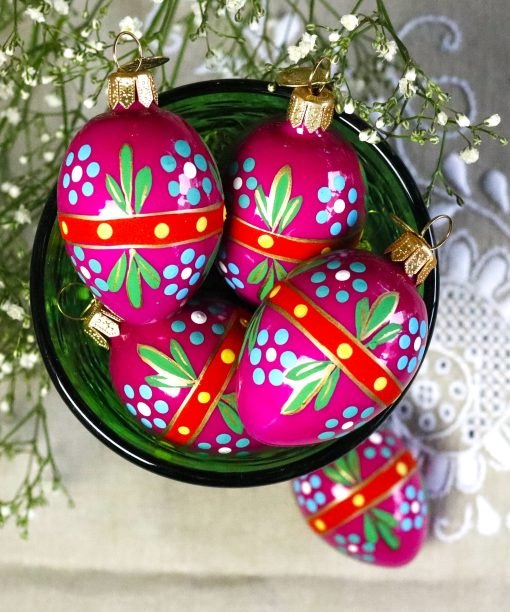
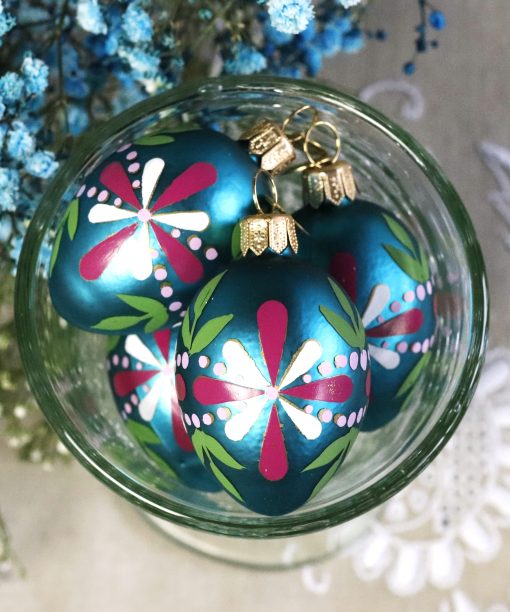
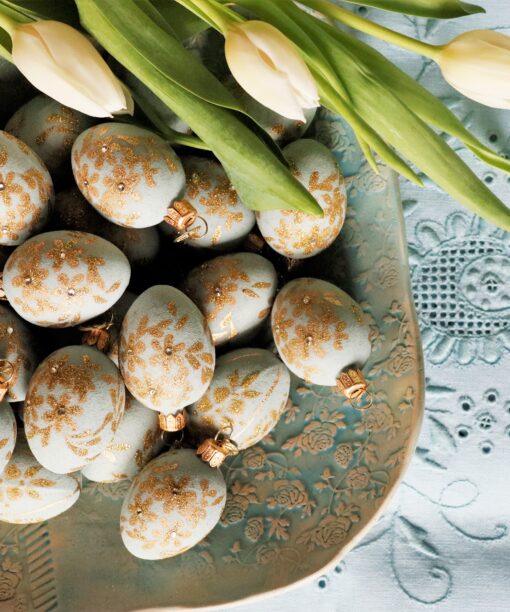
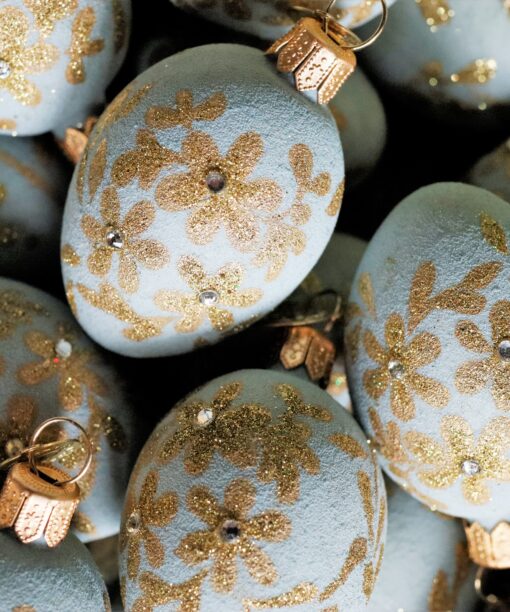
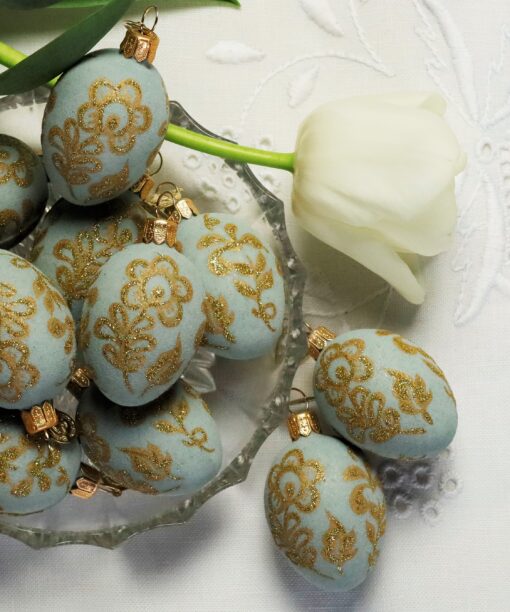
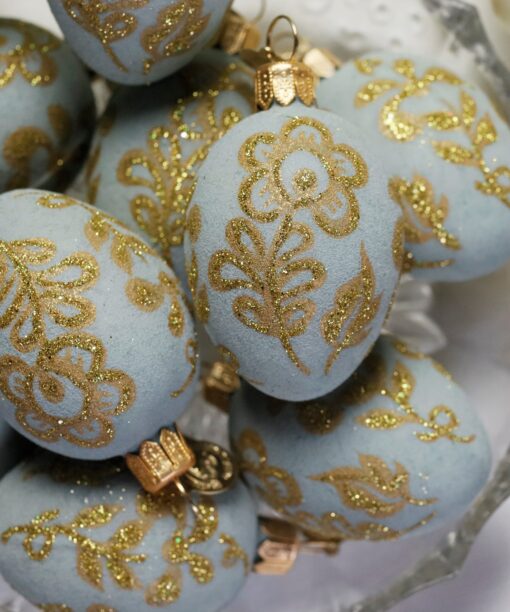
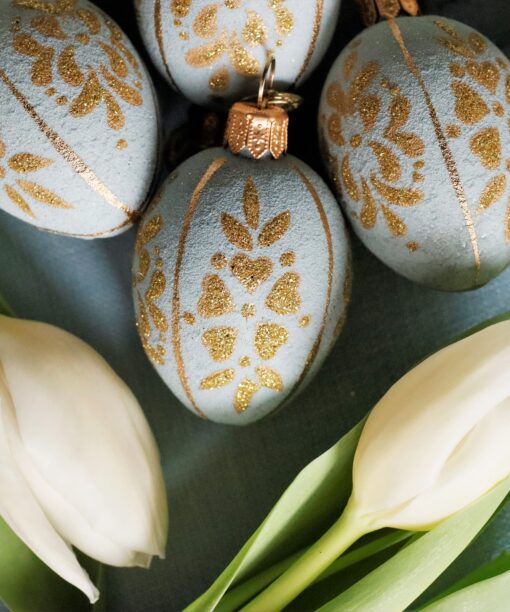
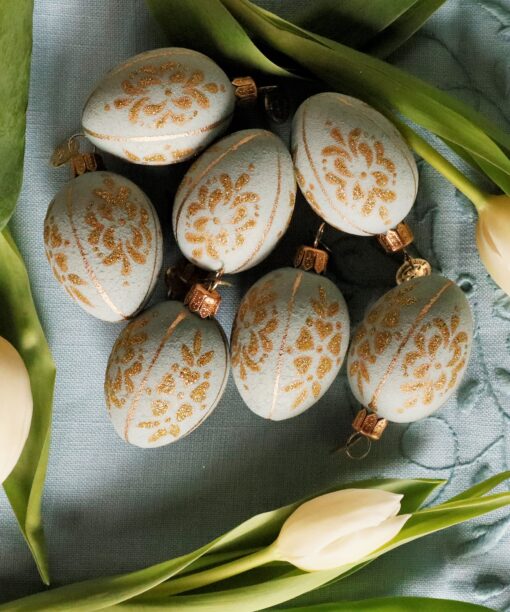
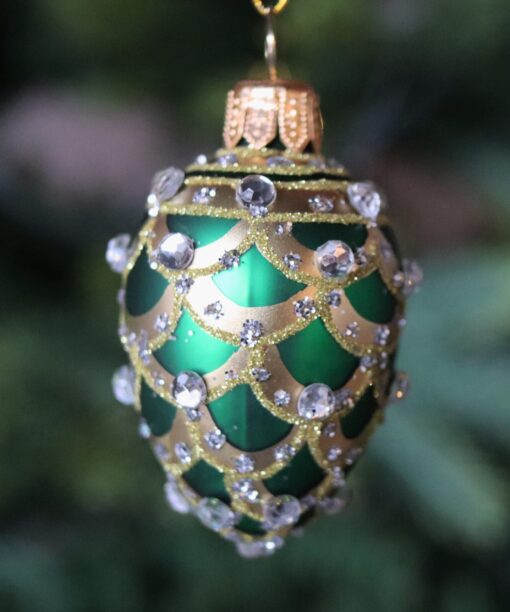
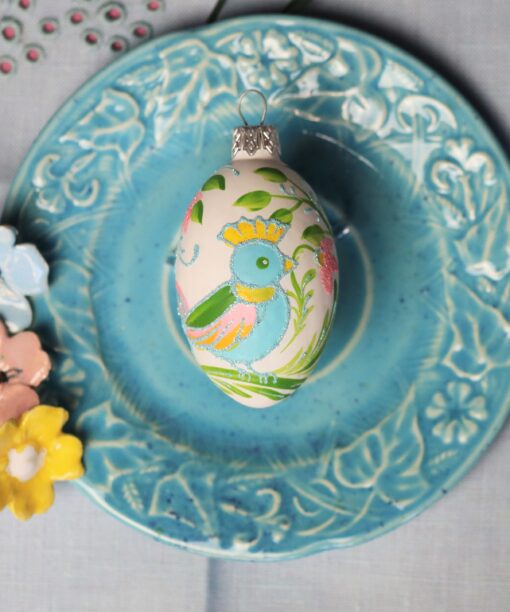
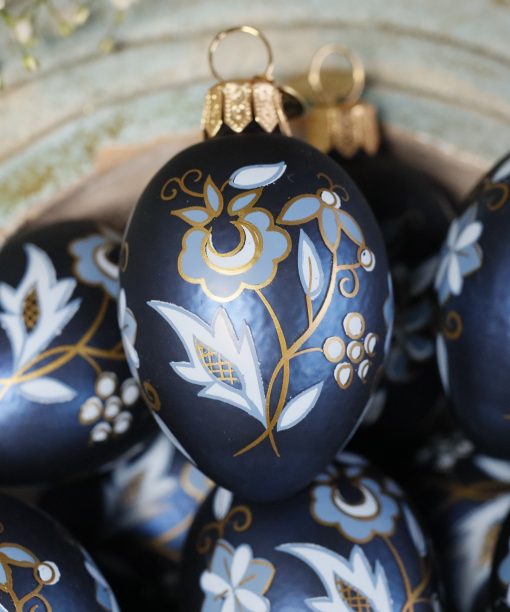
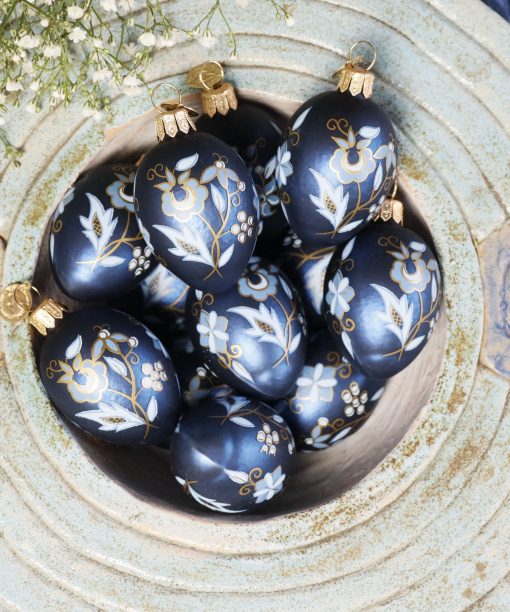
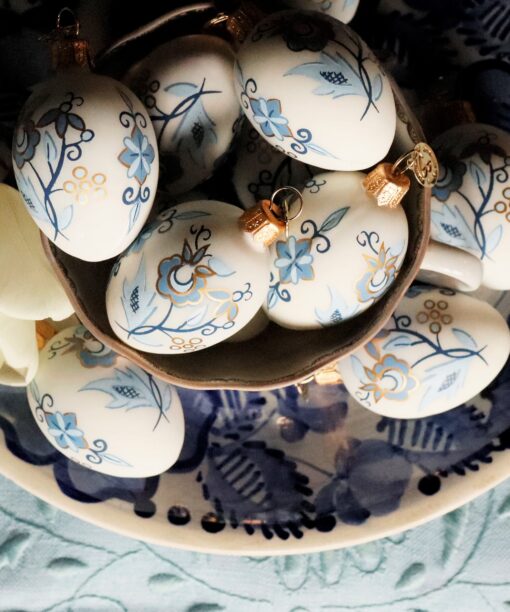
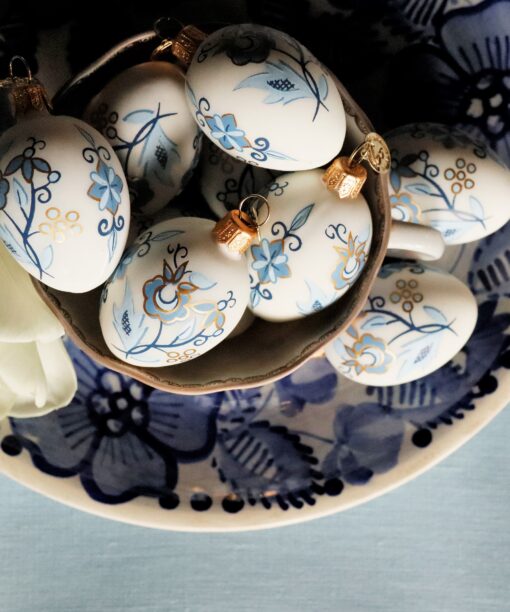
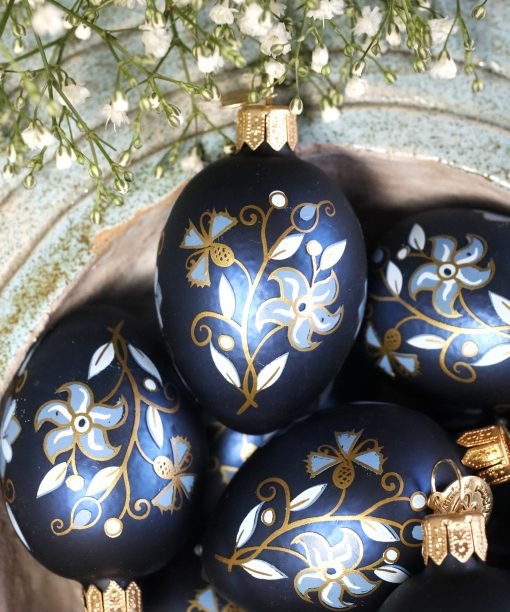
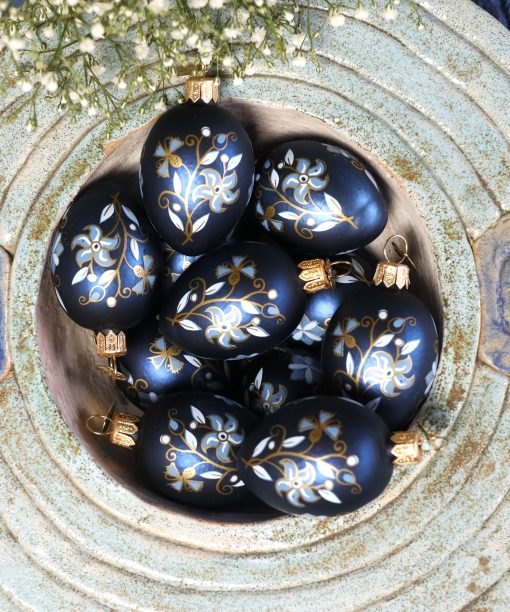
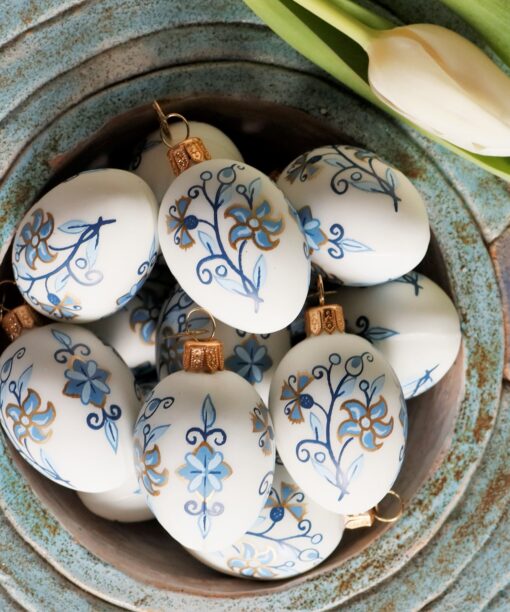
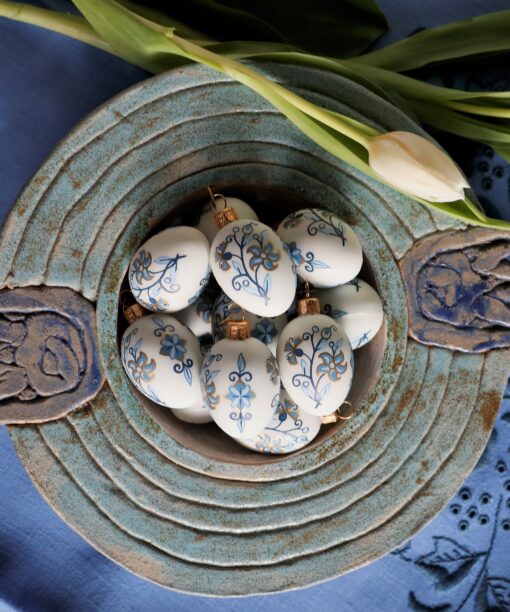
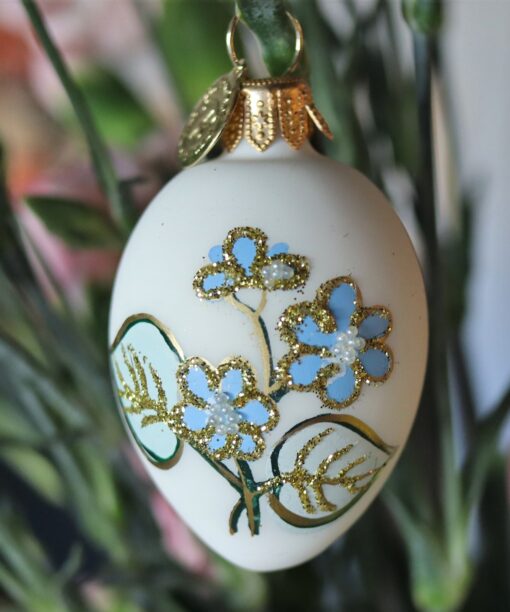
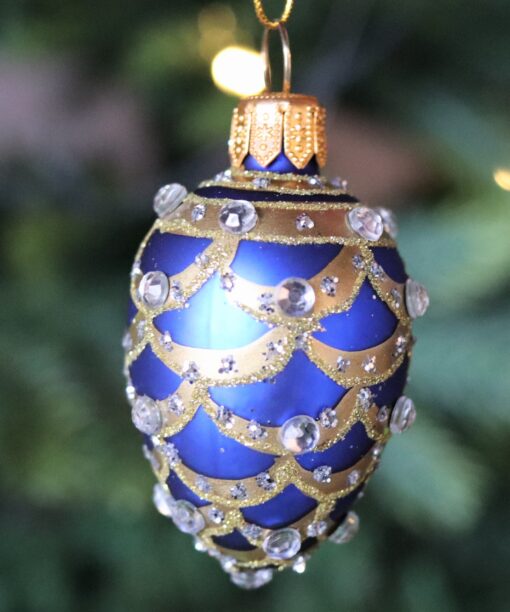

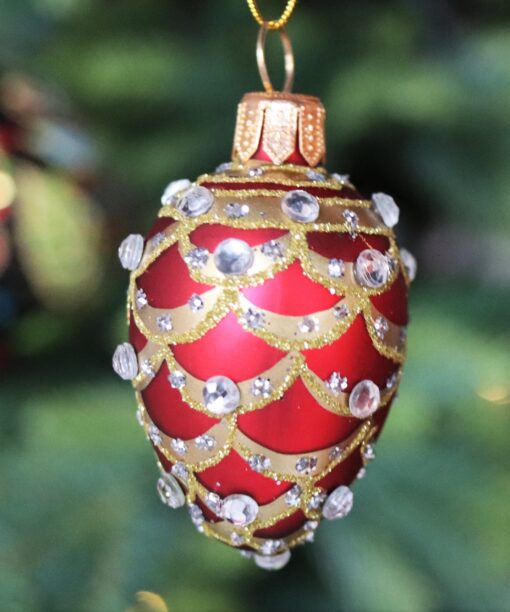
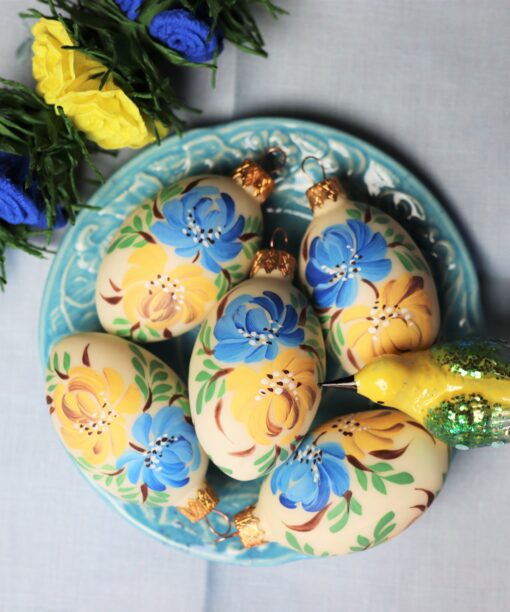
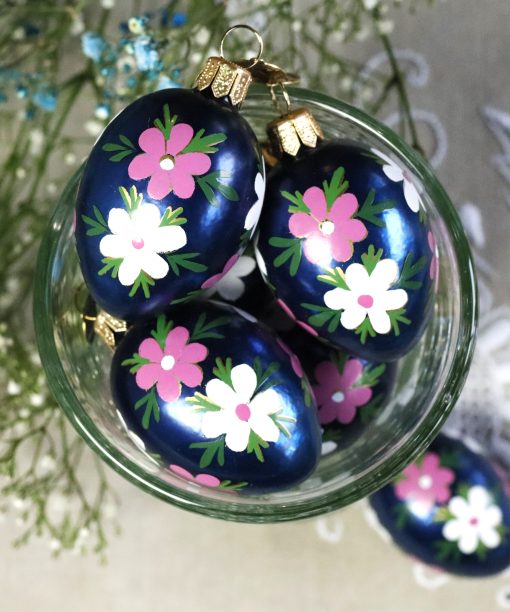
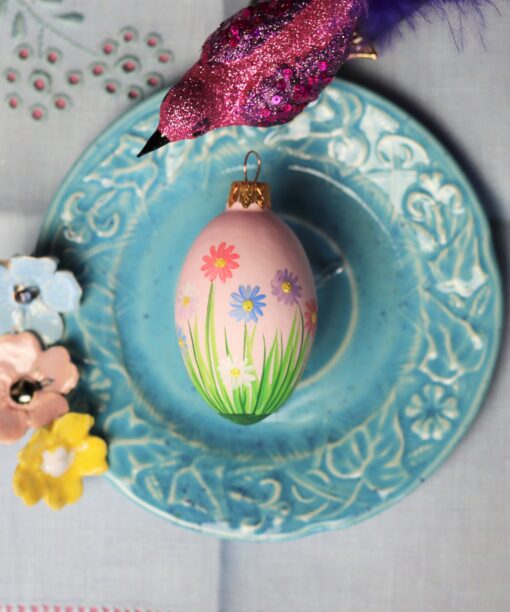
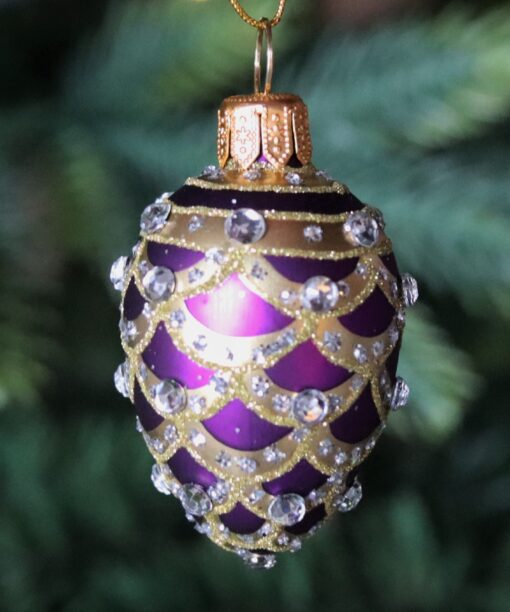
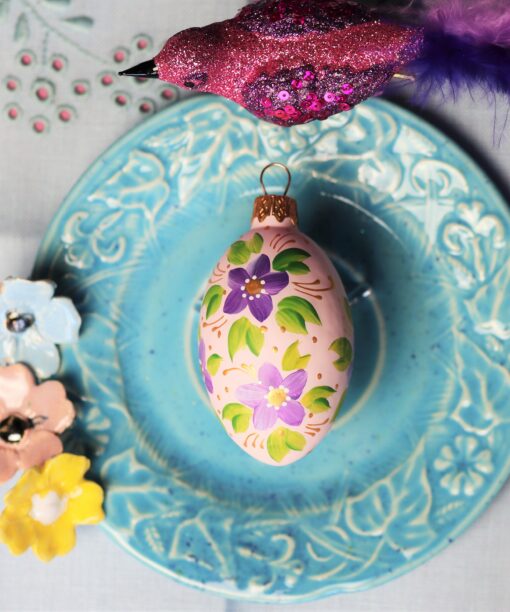
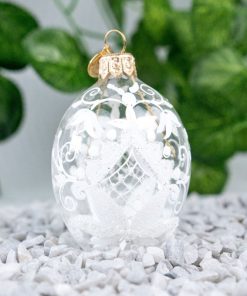
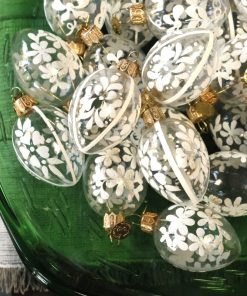
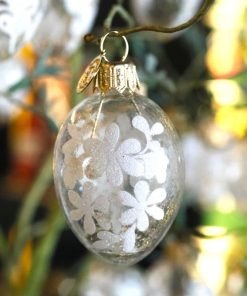
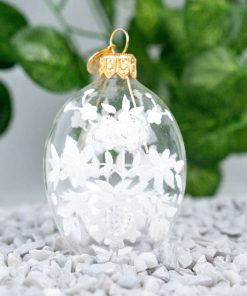
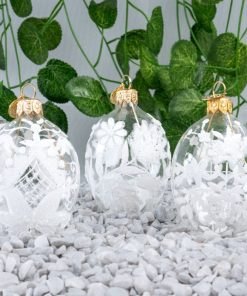
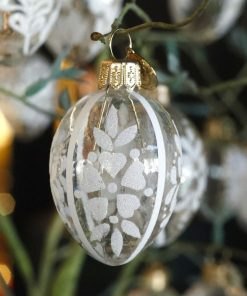
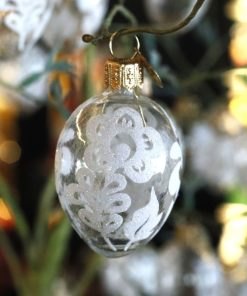
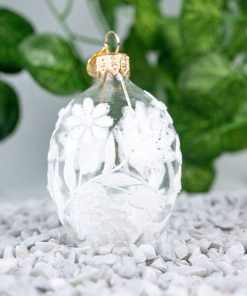
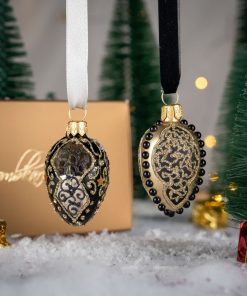
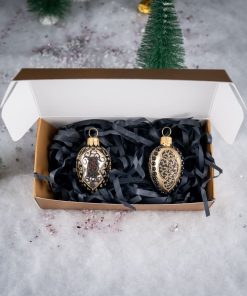
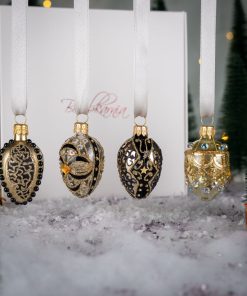
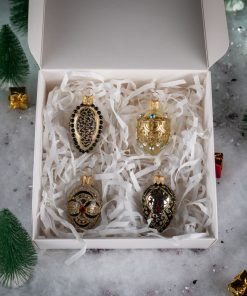
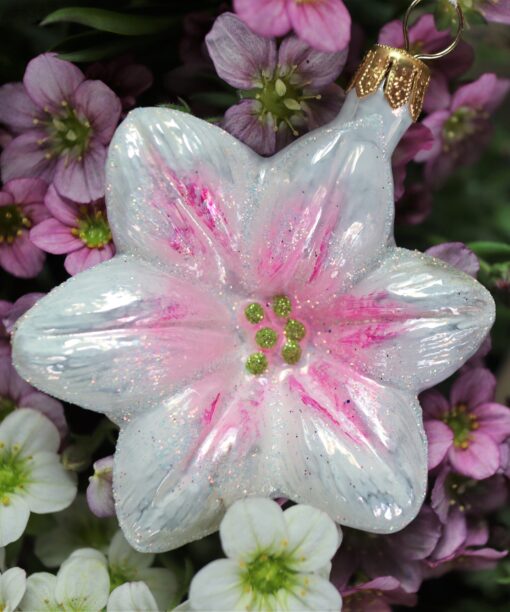
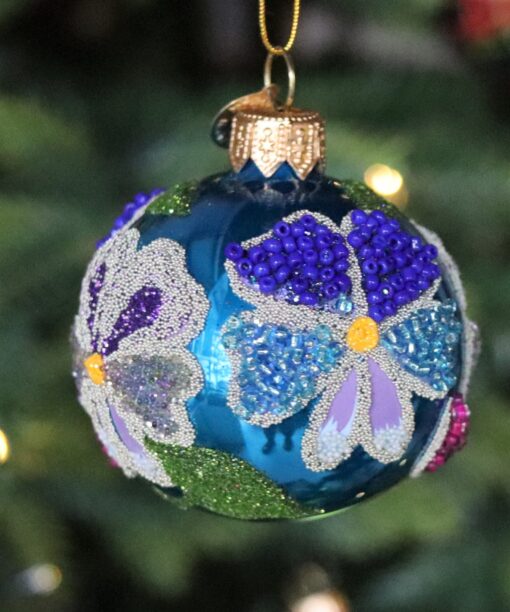
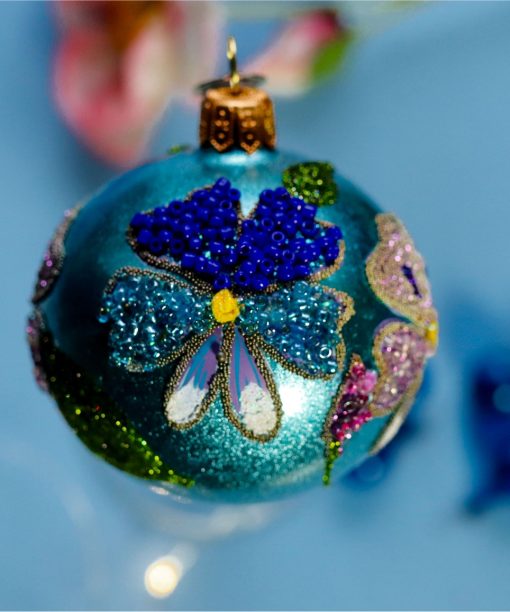
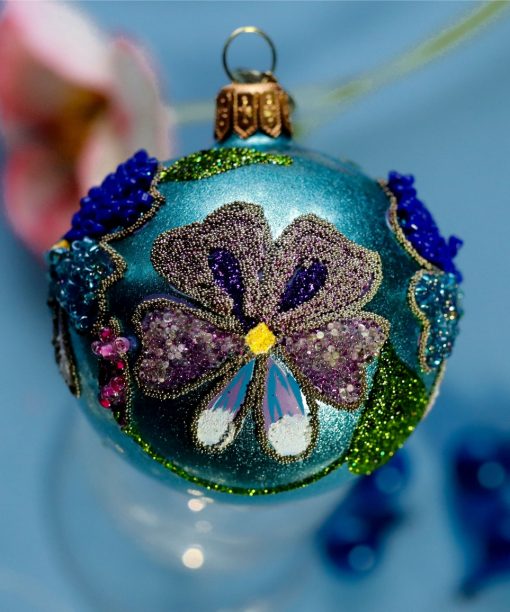
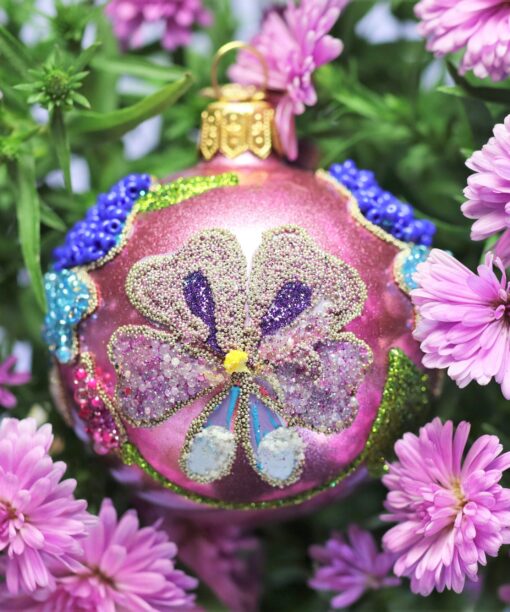
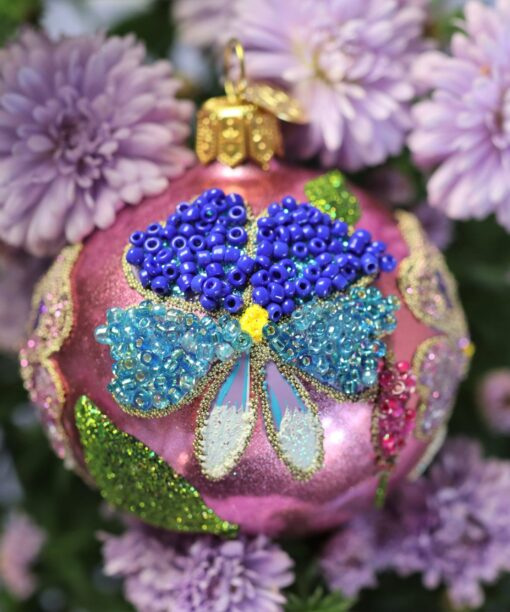
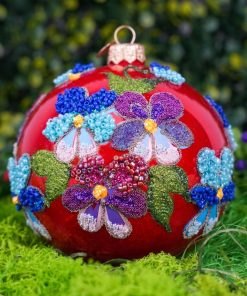
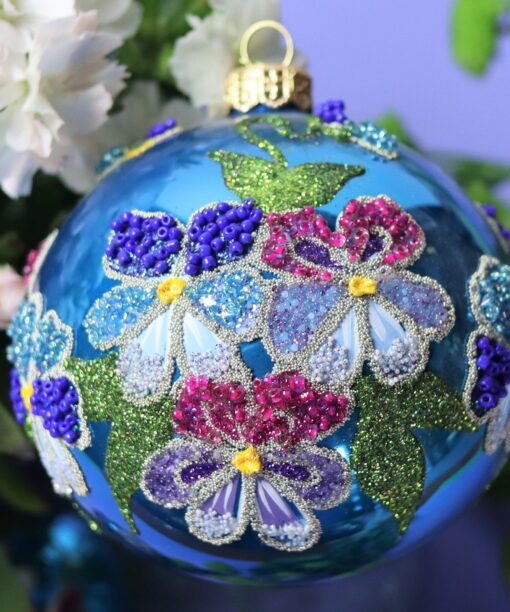
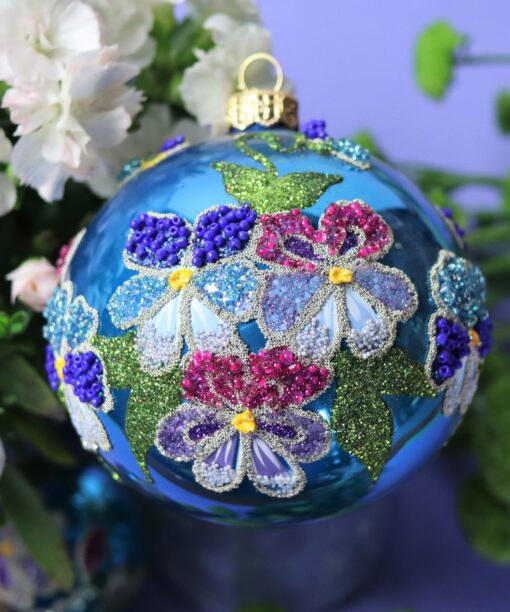
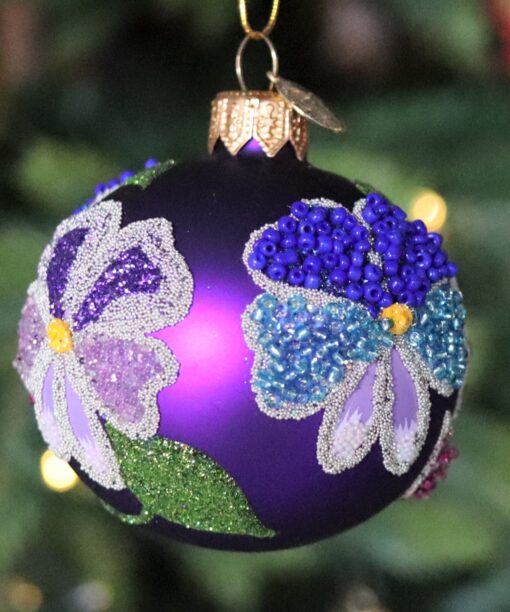
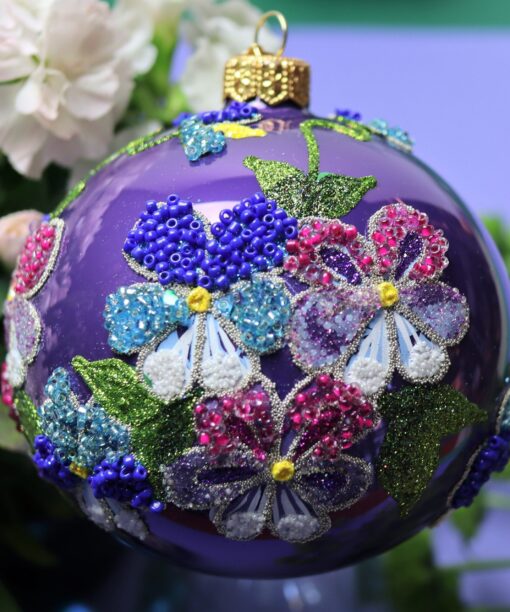
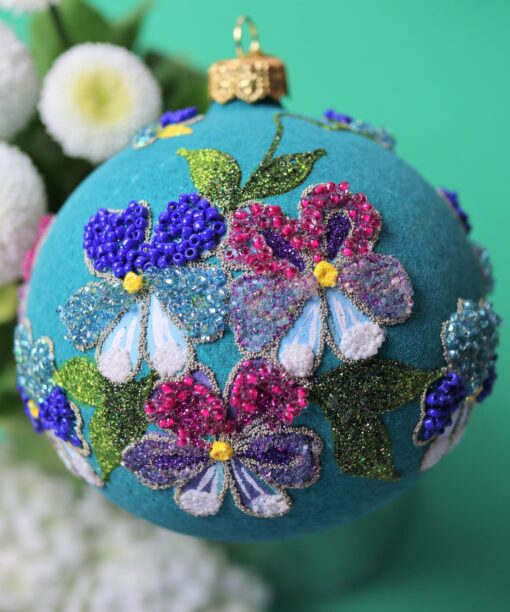
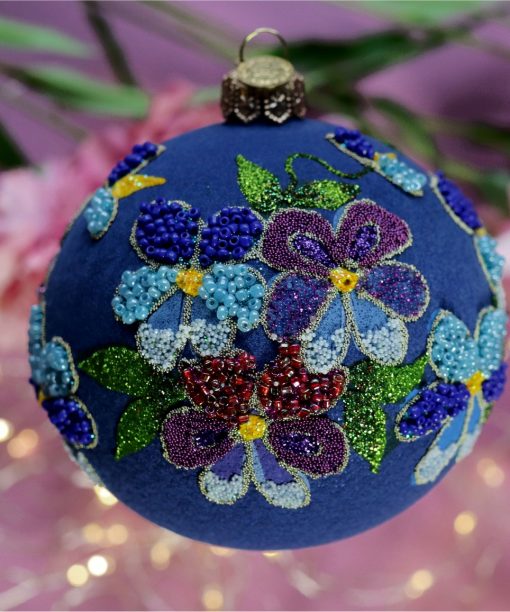
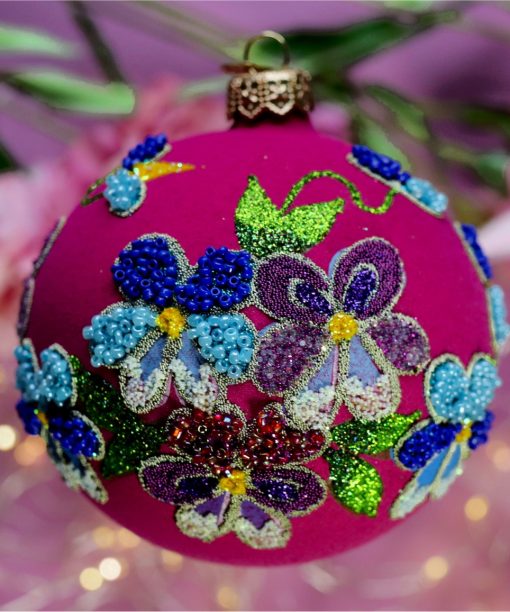
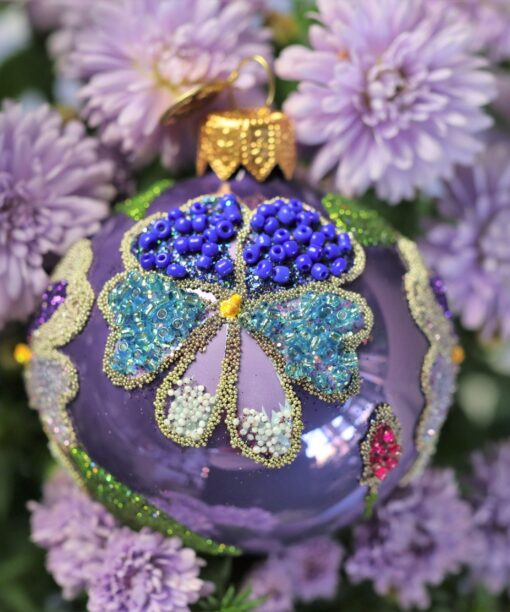
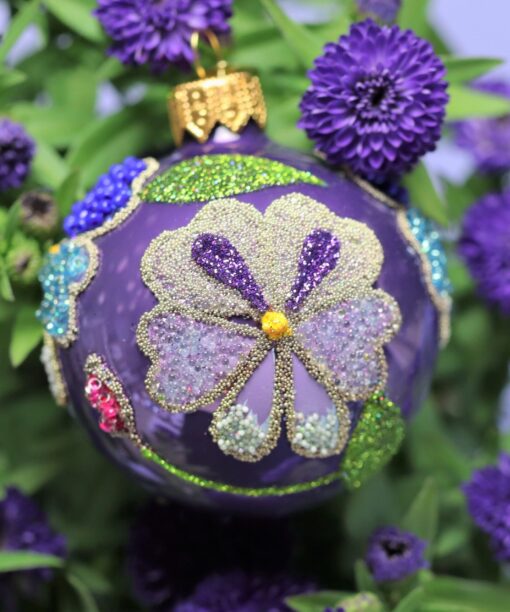
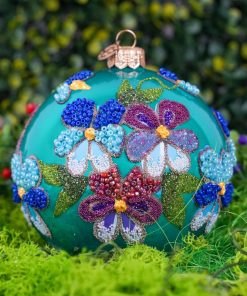
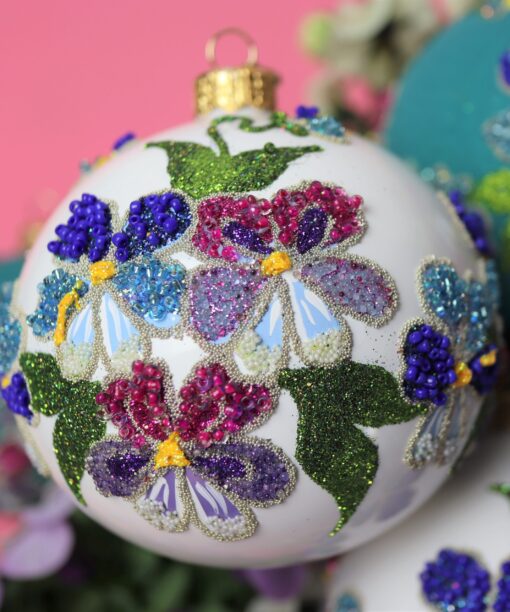
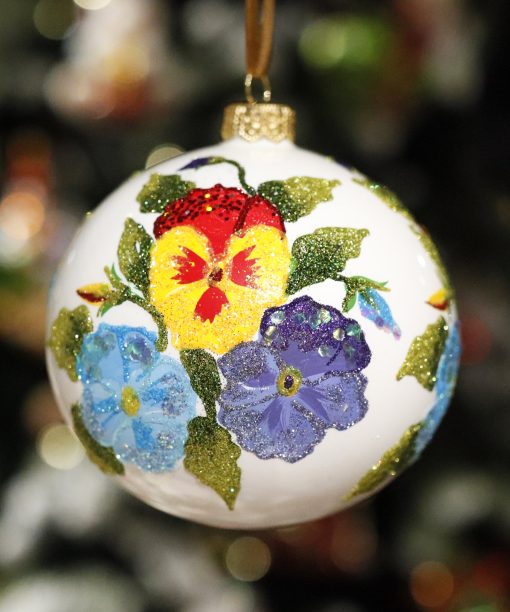
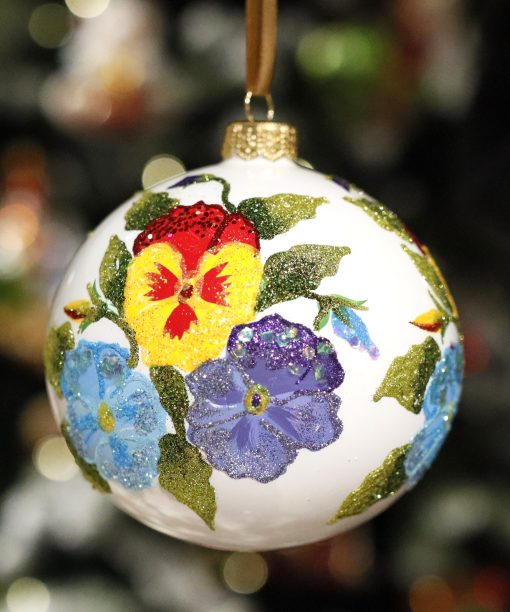
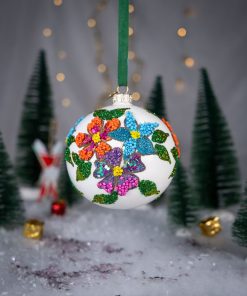
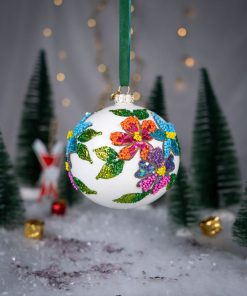
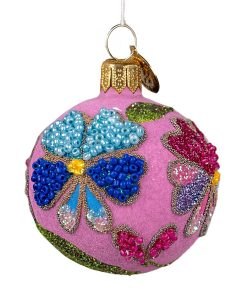
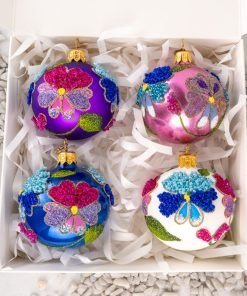
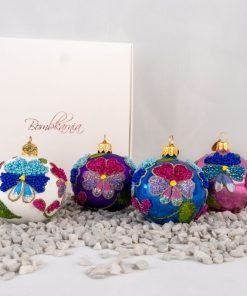
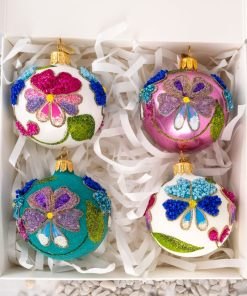
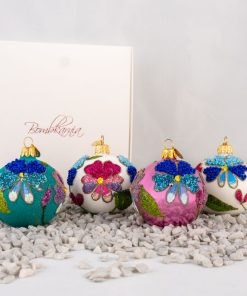
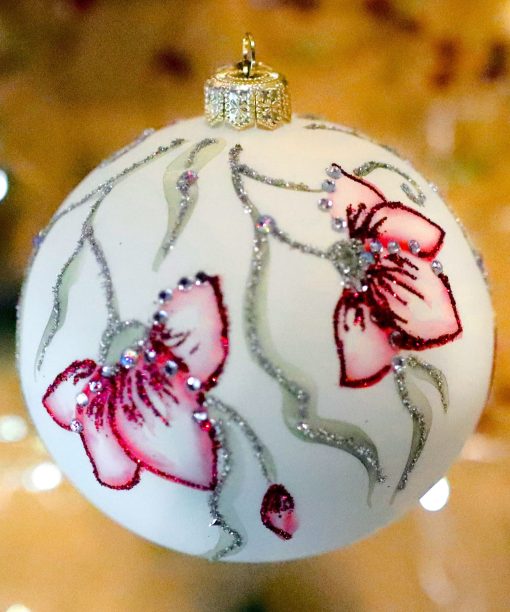
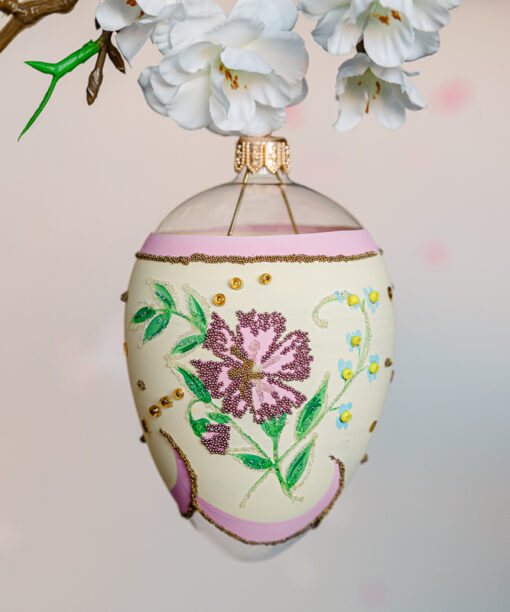
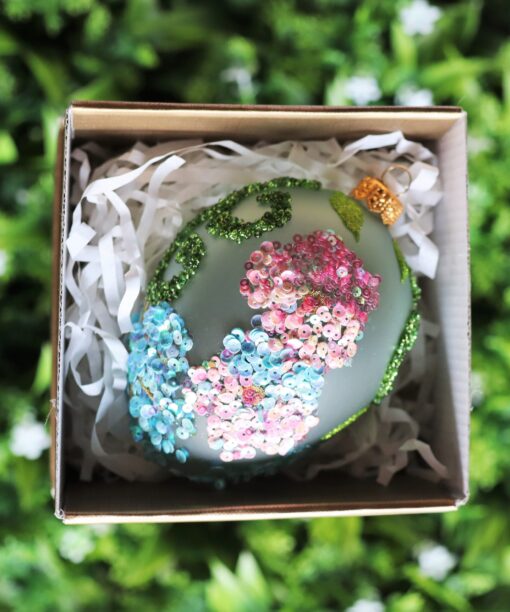
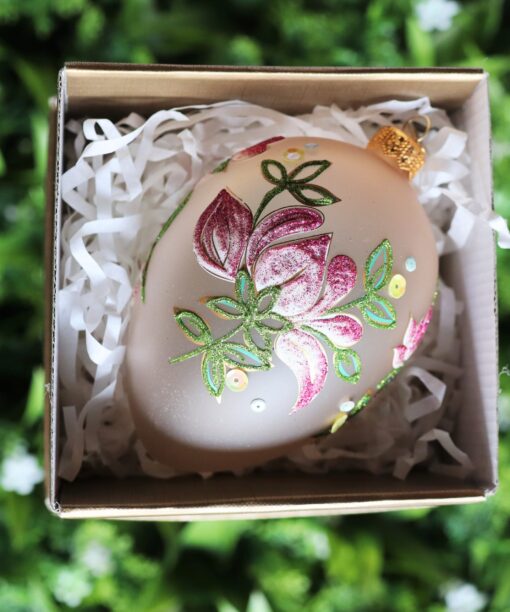
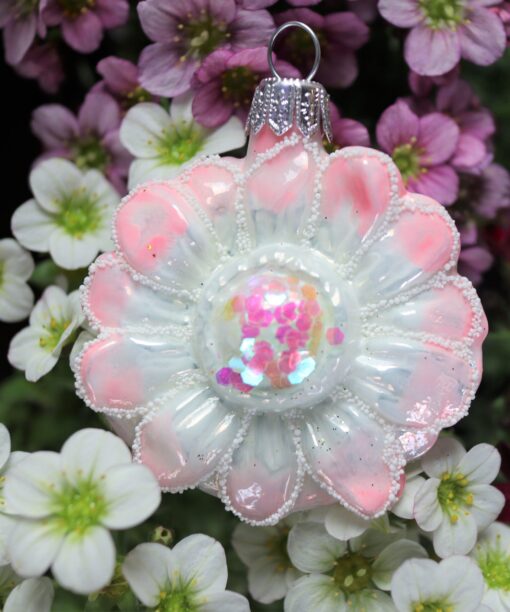
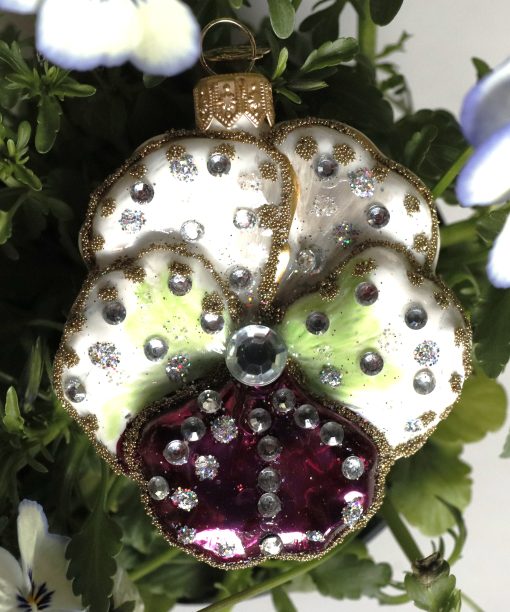
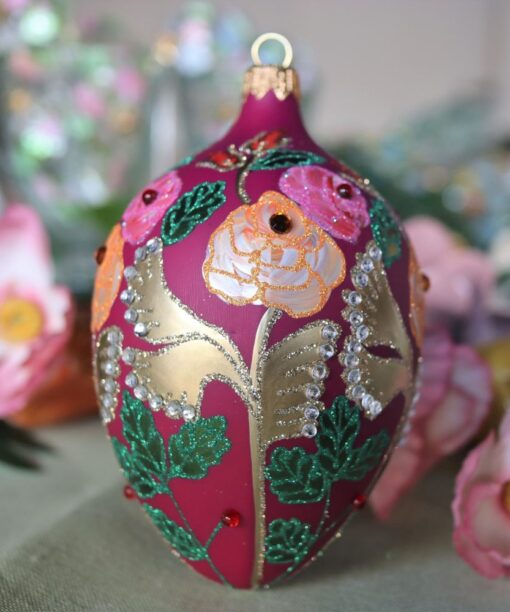
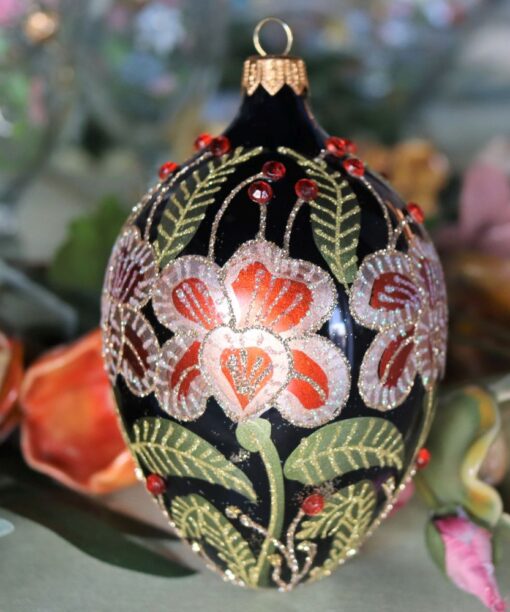
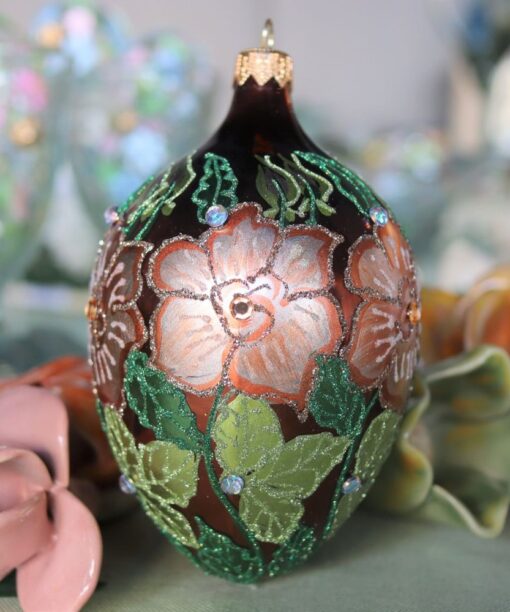
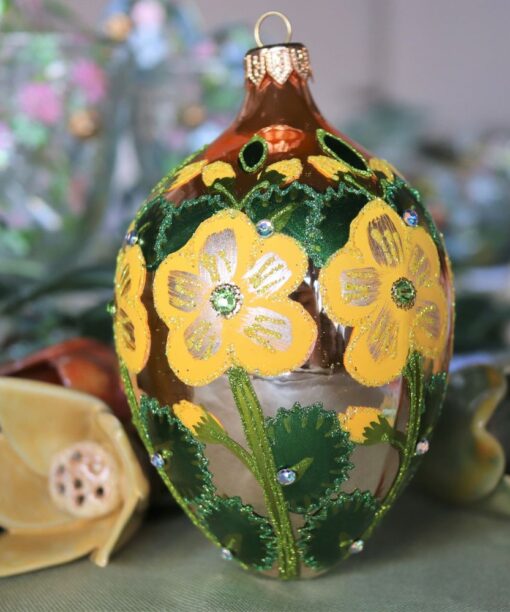
Hand painted glass Easter decorations
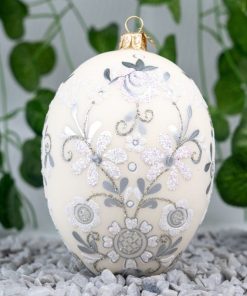
Glass decorations for Easter attract attention with the subtlety of their craftsmanship and the depth of their symbolism. Each one carries the history of Polish craftsmanship, preserved in the delicate structure of the glass. A spring color palette, precision of ornamentation, and references to regional patterns make such decorations stand out from mass-produced products.
Glass Easter decorations go beyond the role of a simple addition to festive decor. Glass eggs, bird figurines, and collectible sets are items that can decorate a home for many years. The durability of glass and careful surface treatment ensure that such elements maintain their appearance for subsequent seasons without losing their luster.
Easter is a time when the interior of a home gains a new expression. Well-chosen glass Easter decorations can turn an ordinary table or windowsill into a carefully thought-out composition. That is why interest in hand-decorated glass products is growing year by year.
Glass Easter decorations with the tradition of Polish craftsmanship
Polish glassmaking has centuries-old roots. Hand-decorated glass products refer to ancient techniques in which every element was created without the use of machines. Craftsmen passed their skills down from generation to generation, and they drew patterns from a rich regional culture. The result of this work is objects that combine aesthetics with authenticity.
What distinguishes hand painted Easter glass
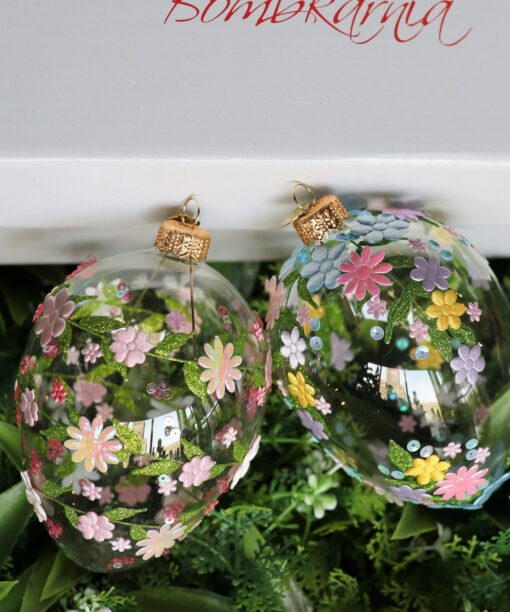
Hand decorating glass is a process that requires precision and many years of experience. Each hand painted glass decoration is created individually, without templates or automatic stencils. The artist applies paint with a brush, creating compositions that are never repeated in an identical way. It is precisely this uniqueness that gives each product a special character.
Hand painted glass Easter decorations differ from mass production primarily in their attention to detail. Subtle shading, precise lines, and rich colors are the result of painstaking work, not industrial capabilities. Glass as a material requires skill because every mistake during decoration is difficult to correct.
The most important features of hand decorating Easter glass:
- careful application of paint with a brush without mechanical assistance
- individual color scheme for each piece
- no identical repetitions of the pattern within the same series
- durable fixation of decorations on the glass surface
Hand-painted products reflect the craftsmanship of the creator. Every brushstroke matters and is visible in the finished ornament. Such an item is a small work of applied art, not just a seasonal decorative accessory.
Symbolism of patterns taken from Polish regions
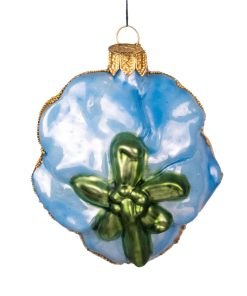
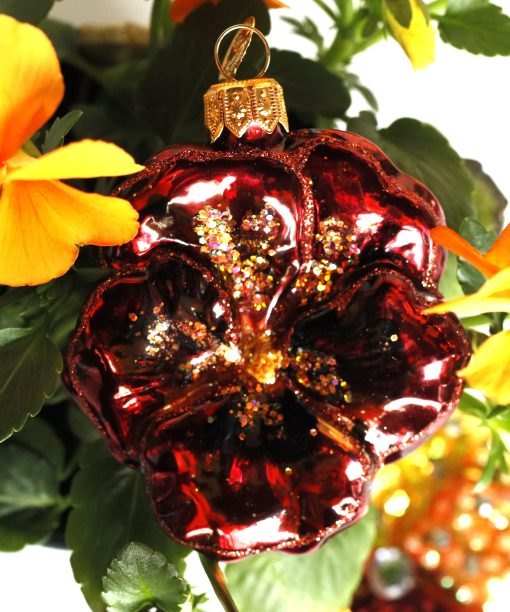
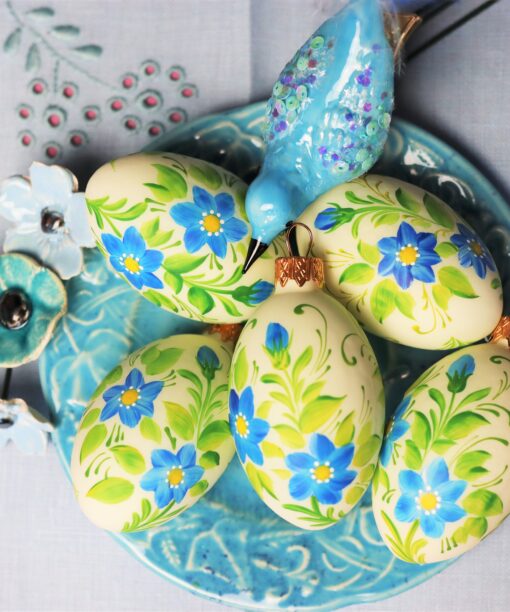
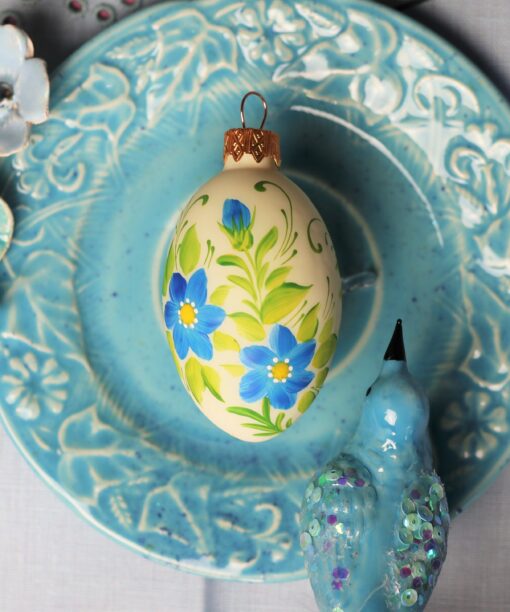
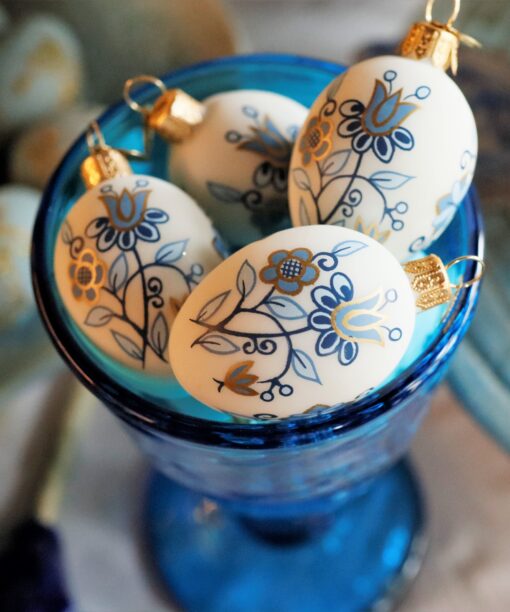
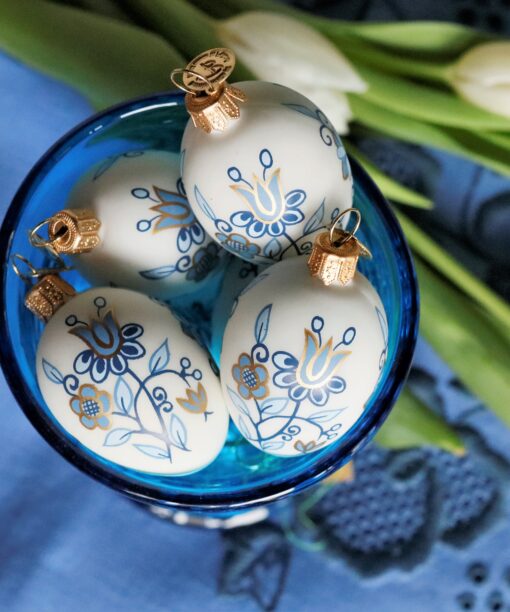
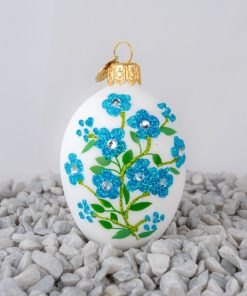
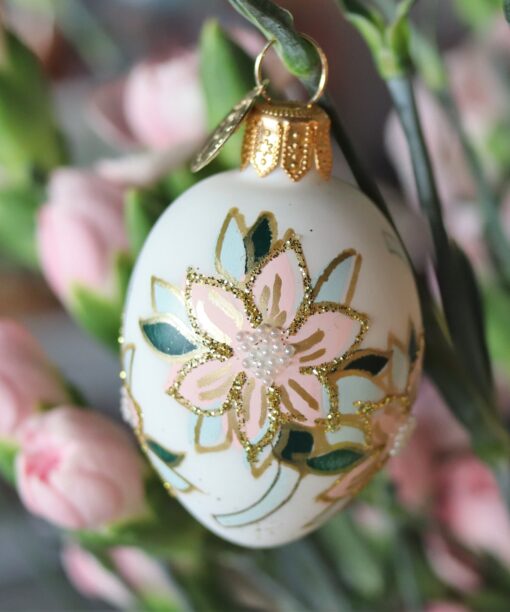
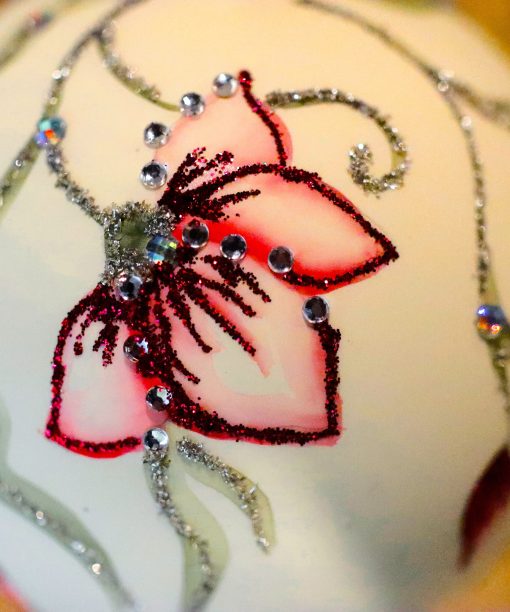
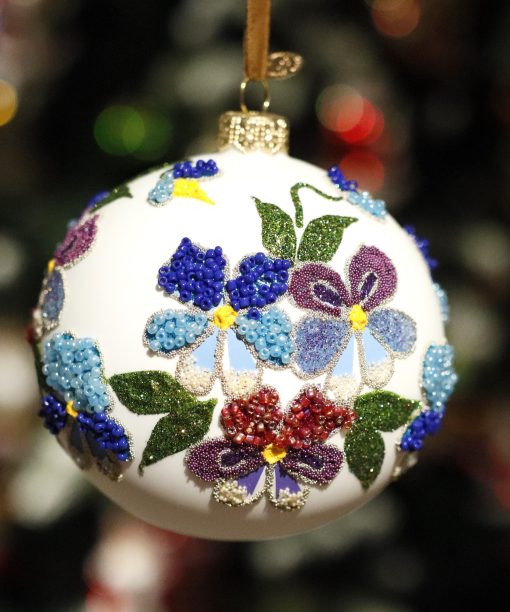
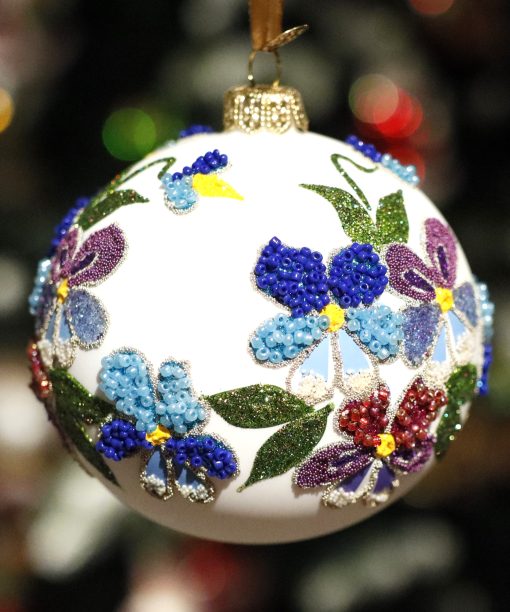
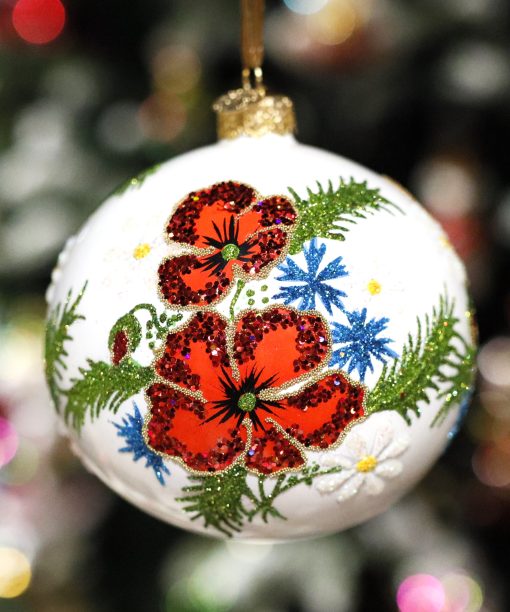
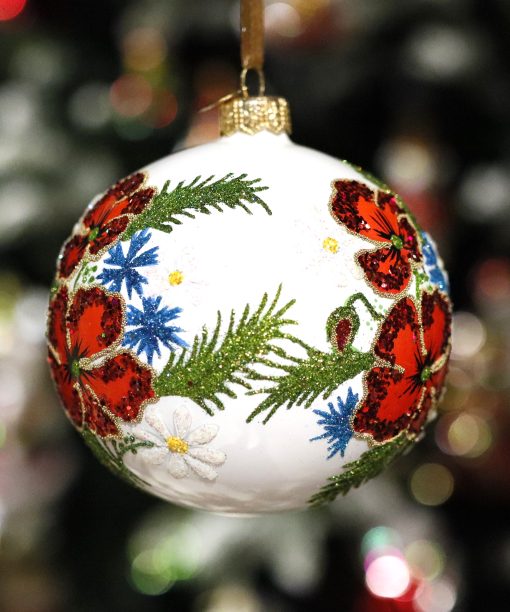
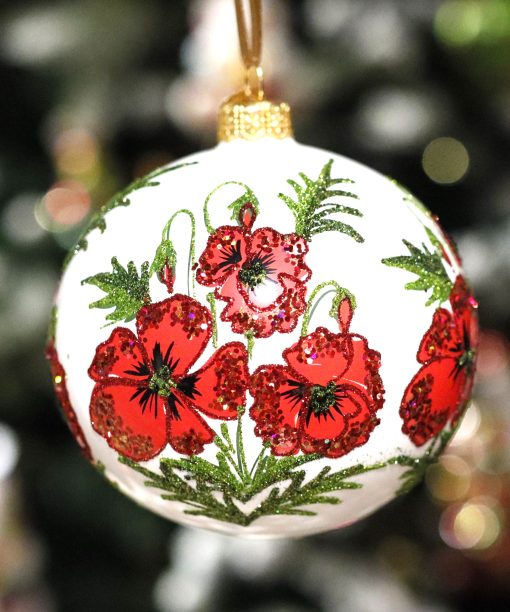
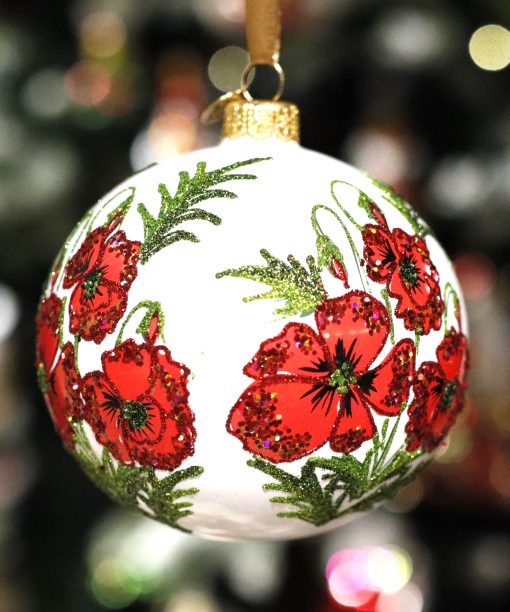
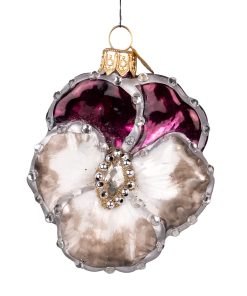
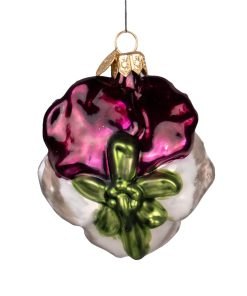
Decorative patterns on glass Easter ornaments draw from a rich folk heritage. Floral motifs, such as pansies, irises, marigolds, or poppies, refer to spring and the rebirth of nature. Geometric elements, in turn, derive from the ornamentation characteristic of specific regions. Each motif has its own meaning and cultural context.
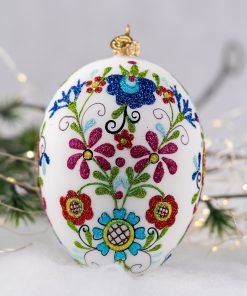
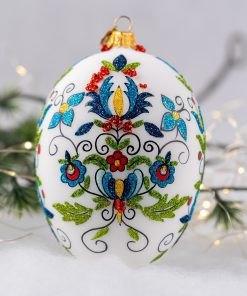
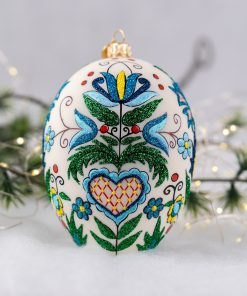
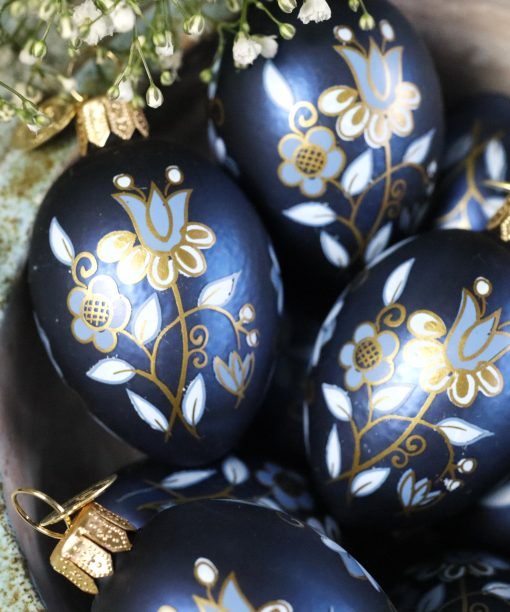
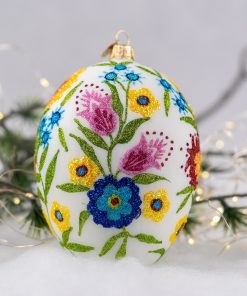
Regional design of glass Easter eggs reflects the diversity of Polish folk culture. Kashubian patterns are based on a characteristic color palette: navy blue, white, and intense red. Lowicz motifs stand out with their striped color arrangement and contrasting combinations. Kujawy ornamentation, on the other hand, is characterized by a more delicate line and floral compositions.
The egg as an Easter symbol has its roots in Slavic concepts of rebirth and vital force. Painting its glass counterpart with traditional regional patterns is a way of nurturing this symbolism. Glass Easter eggs with folk motifs thus combine two dimensions: aesthetic and meaningful.
Symbolism of the main decorative motifs:
- flowers (pansies, poppies, irises) meaning spring and a new beginning
- geometric stripes reference to regional fabrics and embroidery
- bird motifs symbol of life, fertility, and the coming spring
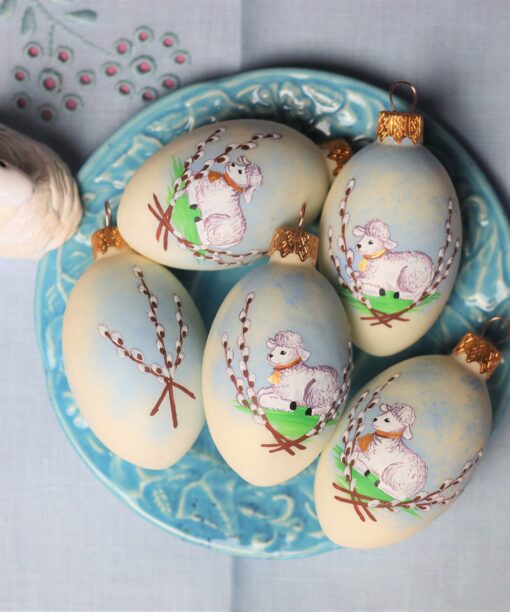
- twigs with buds evoking the awakening of nature after winter
Combining symbolism with high-quality workmanship makes glass ornaments with regional motifs gain the dimension of cultural objects. They are simultaneously a decoration and a carrier of tradition. This is important for people who are looking for products with a deeper meaning than just aesthetic value.
What value does a unique glass product with glass carry
The value of a hand-decorated glass product goes beyond its appearance. A unique glass Easter ornament is an item that can be passed down to future generations. The durability of glass and the timeless nature of hand-craftsmanship make such pieces family heirlooms.
Glass craftsmanship requires the creator to combine technical knowledge with artistic sensibility. Each piece passes through the hands of an artisan who is responsible for every stage of production: from glass forming and silvering to hand-painting and lacquering. This multi-stage production process translates into a quality that can be seen and felt.
Collectors and craft enthusiasts appreciate glass Easter ornaments for their authenticity. An item that bears the marks of manual labor has a different resonance than a factory-made product. Owning such an ornament is a conscious choice based on an appreciation for craftsmanship and tradition.
Folklore of Kashubia and Lowicz captured on a glass surface
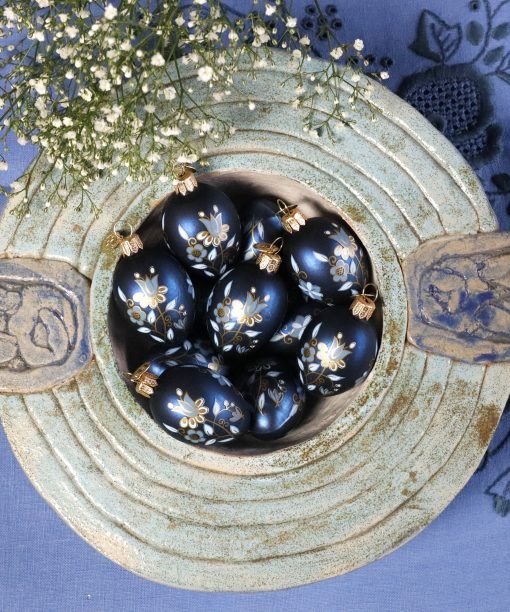
Kashubian design is one of the most recognizable styles in Polish folk art. The characteristic arrangement of flowers on a navy blue or white background, with motifs of tulips, carnations, and bellflowers, transferred onto a glass Easter egg, creates a sophisticated decoration. Such Kashubian glass Easter eggs combine regional identity with the elegance of glass material.
Lowicz design is characterized by vivid, intense colors and a striped compositional layout. On glass Easter decorations, it appears in the form of multicolored stripes, floral garlands, and motifs inspired by paper cutouts. Glass ornaments with Lowicz patterns bring bold colors and folk energy to an Easter arrangement.
It is worth noting that both Kashubian and Lowicz patterns have gained recognition beyond their regions. Transferring them onto glass Easter ornaments allows these traditions to be preserved in a durable form. Glass surfaces serve well as a medium for folk design because they effectively highlight color and detail.
How glass Easter figurines enrich spring arrangements
Easter is a holiday that is exceptionally strongly associated with distinct visual motifs. Bright green, warm yellow, delicate blue, and white are colors that naturally appear at this time. Glass figurines and Easter decorations fit into this palette and help build a cohesive, well-thought-out interior design.
Spring composition with glass elements on the holiday table
The Easter table is the center of holiday decoration. Glass eggs, bird figurines, and collectible sets arranged on a tablecloth or among willow branches create a natural, harmonious whole. Glass decoration on the Easter holiday table catches the eye with the subtlety of the material’s shine.
The composition on the table should be simple and clear. A few carefully selected glass elements, complemented by fresh flowers or green shoots, give a better effect than an accumulation of many small items. Glass Easter ornaments work well in both classic and modern interior design styles.
Ways to arrange glass elements on the holiday table:
- Placing glass eggs in a bowl filled with green moss or grass
- Hanging glass figurines on a willow branch placed in a vase
- Distributing individual ornaments along a table runner
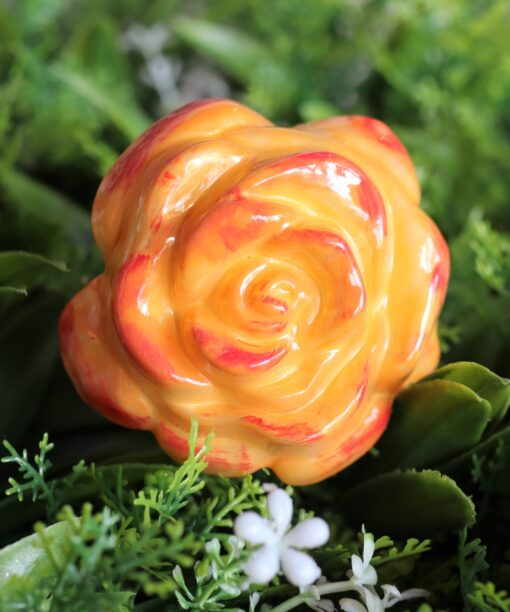
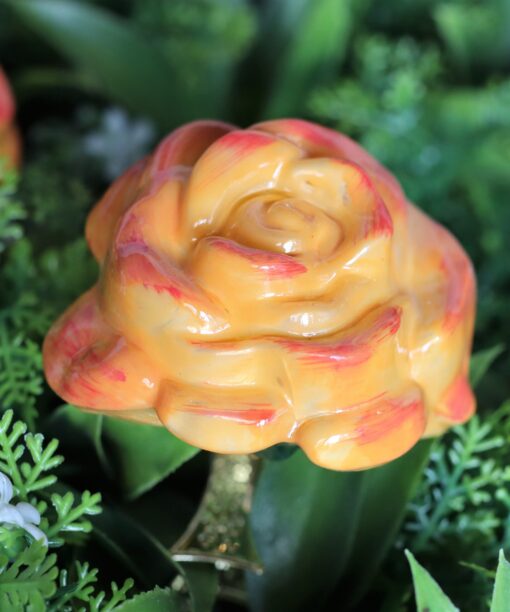
- Combining glass Easter eggs with ceramic elements for a contrast of textures
A well-thought-out composition of glass Easter elements organizes the table space and gives it a festive character. The glass shine of the decorations reflects natural light, which enriches the entire interior. The effect is all the more beautiful the better the color scheme of the individual elements is chosen.
Glass birds and ceramic figurines as a decorative accent
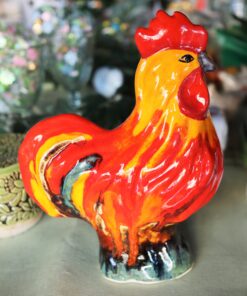
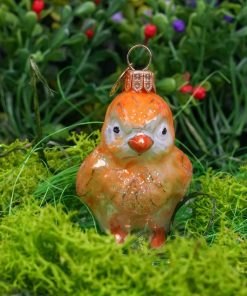
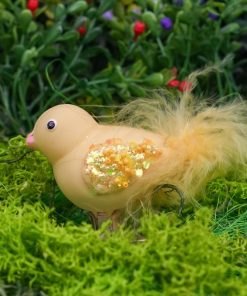
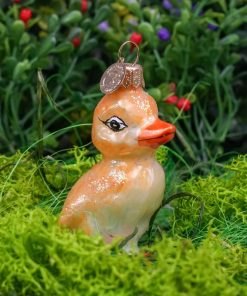
Bird figurines made of glass are a characteristic element of Easter arrangements. Chicks, hens, ducks, and other bird forms refer to the symbolism of fertility and the awakening of life. Placed on a windowsill, among flowers, or on a table, they become a distinct but elegant decorative accent.
Glass Easter bird figurines stand out with their light, transparent form, which blends perfectly with natural light. In combination with ceramic ornaments, they create an interesting play of textures, where glass contrasts with the matte surface of the ceramics. Such an aesthetic duo gives the arrangement depth and dynamics.
Glass bird figurines work well not only as a table element. Hung on a branch or placed in glass containers, they serve as an independent decorative installation. Their form is expressive enough to attract attention even without an elaborate background.
Collectible sets and their use in interior design
Sets of glass Easter decorations are a proposal for those who value aesthetic consistency in decor. The elements forming a set are coordinated in terms of color and design, which makes it easier to create harmonious compositions. Collectible sets of glass Easter eggs combine aesthetic value with practical application.
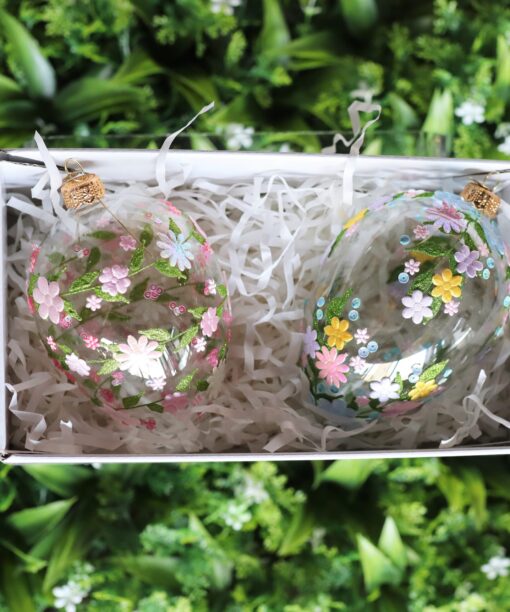
Collectible sets can serve for many years. Glass elements packed in an elegant box are easily stored between seasons without the risk of damage. Each year, the composition can look slightly different, depending on the arrangement and the background on which it is presented.
Use of glass sets in interior design:
- composition on the festive Easter table as a main decoration
- display in showcases, glass cabinets, or on shelves
- window decoration with hanging elements
- seasonal arrangement of a buffet or sideboard with other table elements
The value of collectible sets grows over time, especially if the designs are associated with a specific artist or regional series. For collectors of glass decorations, the sets represent sought-after items that combine utility with collectible value.
Bombkarnia is a place where it is worth choosing a unique gift
Bombkarnia is an online store based in Poland, specializing in hand-decorated glass products. The Easter offer includes a wide range of glass eggs, bird figurines, and collectible sets. Each product is created with attention to the quality of the material and the care of the decorations.
How the Bombkarnia store differs from the mass market offer
Bombkarnia bases its offer on hand-decorated products, which clearly distinguishes the store from mass production. Glass Easter decorations from Bombkarnia are items created by artisans who use traditional decorative techniques. Each piece bears the marks of individual work, which increases its value and uniqueness.
The store’s assortment includes regional designs, artistic collections, and series inspired by Polish art. Kashubian, Lowicz, and Kuyavian motifs on glass Easter eggs create a cohesive offer for those who appreciate local design. Bombkarnia combines tradition with meticulous craftsmanship, making the products both a decoration and a carrier of culture.
The store conducts online sales, which allows access to the entire collection regardless of your place of residence. Glass Easter decorations are carefully packed in aesthetic packaging that protects the delicate material during transport. Every purchase ensures that the decoration will arrive in pristine condition.
Discover the unique collection and order glass Easter decorations
The collection of glass decorations for Easter at Bombkarnia includes dozens of designs, from classic egg shapes to bird figurines and composition sets. Browsing the assortment is an opportunity to discover regional patterns that are hard to find in ordinary stores. Each page of the collection features new designs and color variants.
Glass Easter eggs, collector’s sets, and bird figurines are available for order all year round, not just during the Easter season. Such glass decorations for Easter are perfect as a gift for loved ones, a decoration for your own home, or as part of a growing collection. The selection is wide, fulfillment is fast, and the quality is guaranteed by many years of artisanal tradition. Order glass Easter decorations from the Bombkarnia collection and bring a unique, handcrafted expression of spring into your interior.
FAQ, Frequently asked questions
How do hand-painted glass Easter decorations differ from mass-produced decorations?
Hand-painted glass Easter decorations differ from mass-produced products primarily in the method of creation and the level of precision. Each piece is created individually, with the artisan applying decorations with a brush without the use of templates or mechanical stencils. The result is a unique design that cannot be recreated in an identical form.
Mass production involves the automatic replication of designs, which results in uniform, characterless products. Hand-painted glass Easter decorations, on the other hand, bear the marks of a specific creator’s work, which gives them artistic value. The paint is applied in layers, set, and varnished so that the decoration remains durable for many years.
How to properly store glass Easter ornaments so they do not get damaged?
Glass Easter ornaments require careful storage between seasons. The best method is to place each ornament in a separate small box or container lined with soft fabric, cotton wool, or tissue paper. Glass elements should never come into direct contact with each other, as even minimal impacts are enough to cause cracks.
Containers with glass Easter ornaments should be stored in a dry place, away from direct sunlight and moisture. High temperatures and sudden thermal changes weaken the structure of the glass and can cause the decorations to chip. Elegant boxes with compartments, designed specifically for storing glass decorations, provide the best protection.
Which patterns and motifs are the most popular on glass Easter ornaments?
On glass Easter eggs and figurines, motifs related to spring and Polish regional folklore dominate. Floral patterns appear most frequently: pansies, irises, poppies, marigolds, and magnolias in pastel or vibrant colors. Bird motifs, such as chicks, hens, or canary figurines, refer directly to the Easter symbolism of fertility and rebirth.
Regional folk design is a separate category that enjoys constant interest. Kashubian patterns with their characteristic navy blue and white background, Lowicz motifs with a striped color scheme, and Kujawy floral compositions are the three most common regional styles on glass Easter decorations. Geometric arrangements of lines and forms derived from folk embroidery complement this design group.
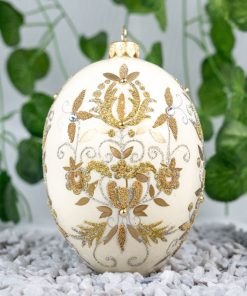
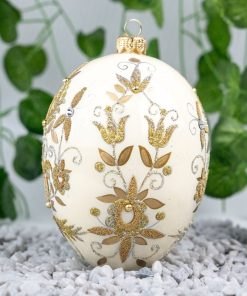
Nowadays, the popularity of more minimalist forms is growing, where one background color with a delicate pattern dominates. Glass Easter ornaments in pastel, gold, or pearlescent shades fit into the aesthetic of modern interior design and are often combined with classic folk motifs.
What interior design styles can glass Easter decorations be used for?
Glass Easter decorations work well in many places around the home, not just on the Easter table. Glass Easter eggs and bird figurines look impressive in bowls filled with fresh moss, on wooden trays, or hung from pussy willow branches placed in a vase. Each of these spots creates a natural, springtime arrangement.
Collectible sets of glass Easter eggs are perfect for display in glass cabinets, on shelves, or on sideboards. The glass material reflects natural light, which makes the ornaments look striking even without an additional background. Combining different sizes and patterns in one place creates a dynamic, eye-catching composition.