
 PL
PL
-
×
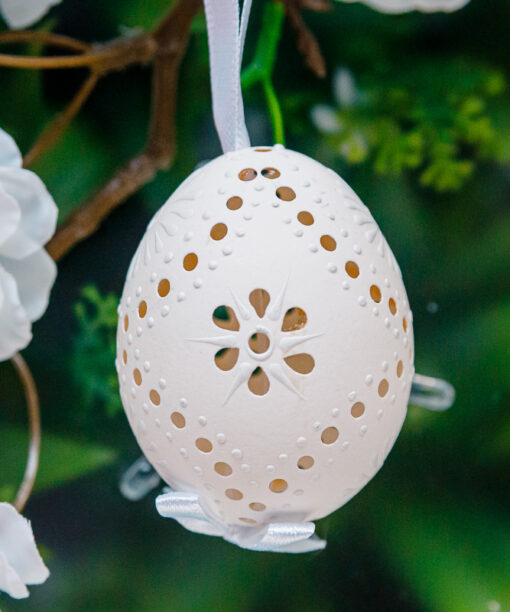
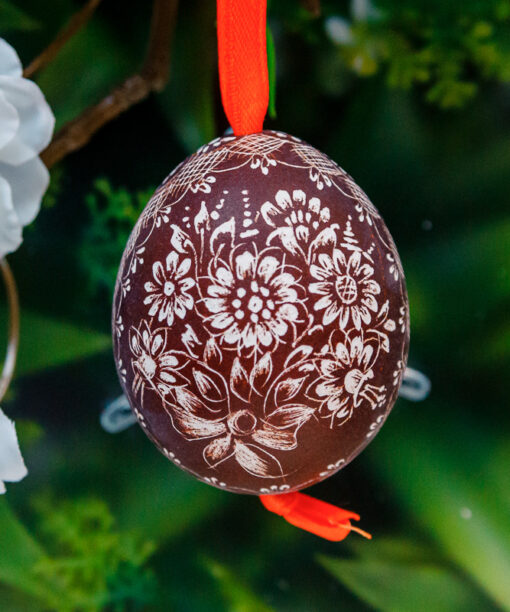
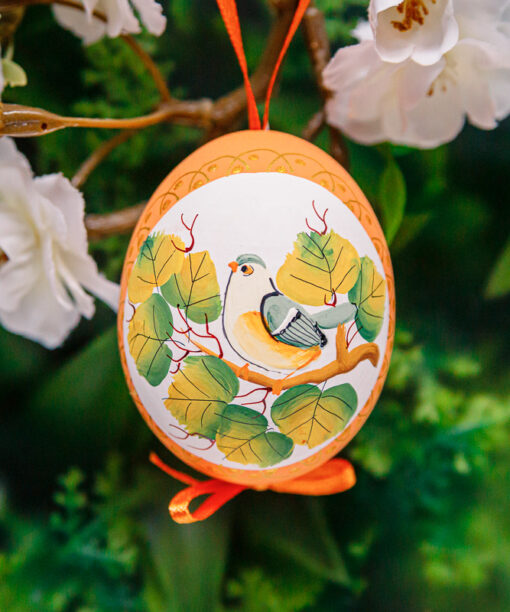
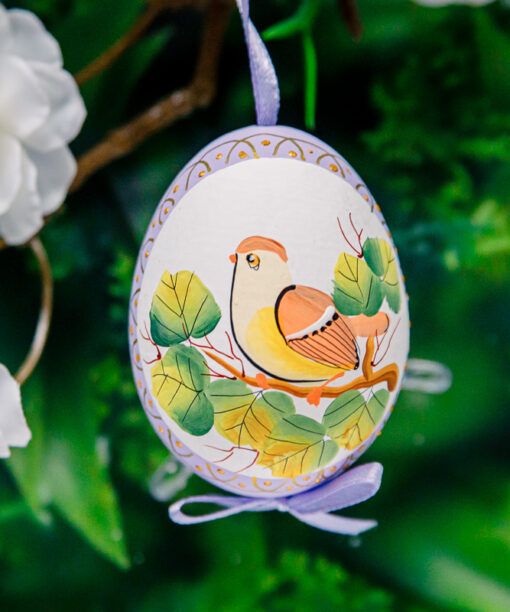
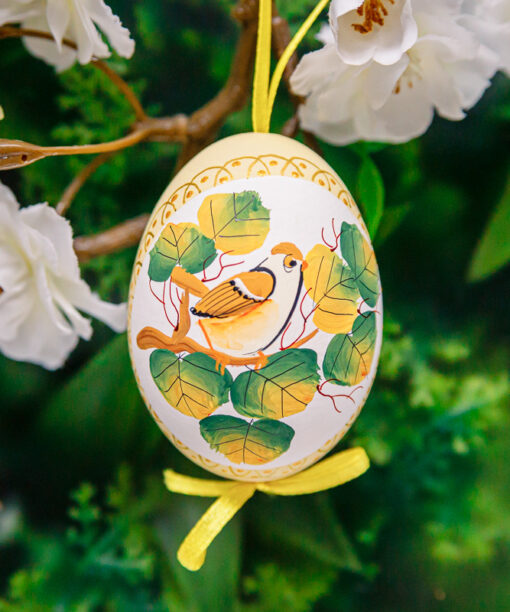
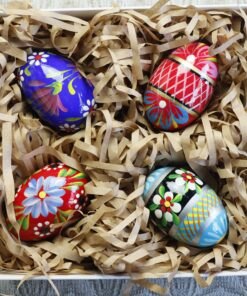
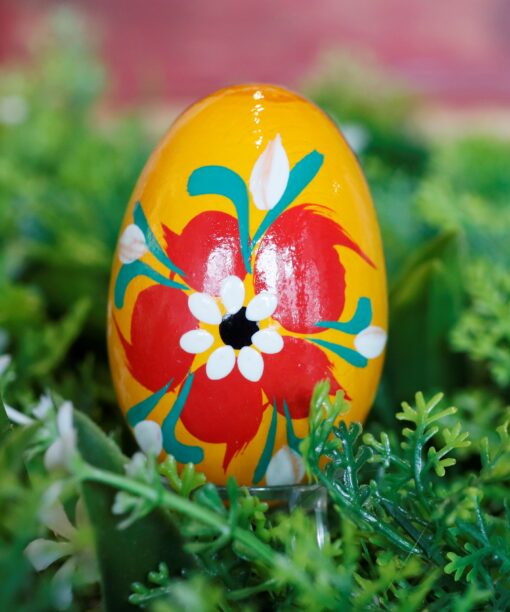
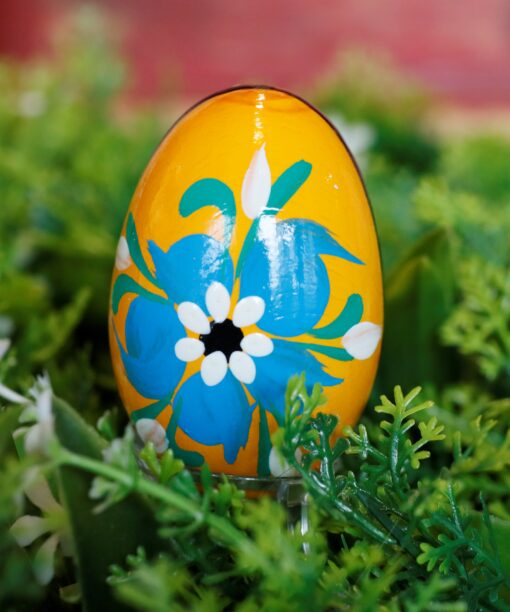
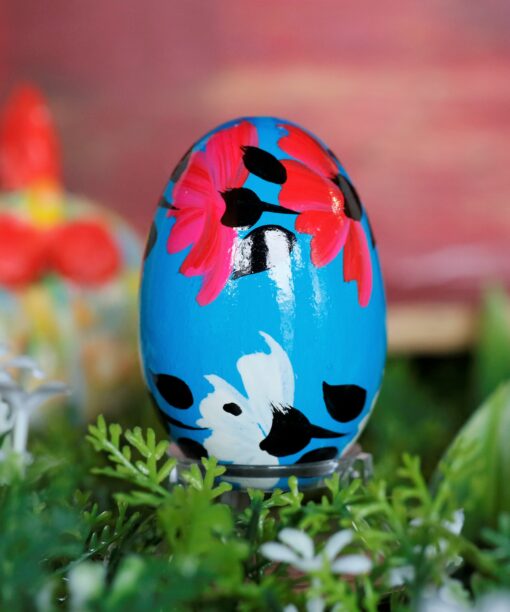
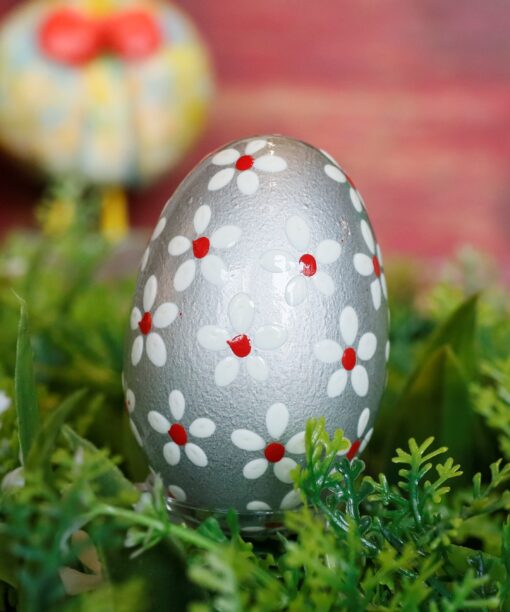
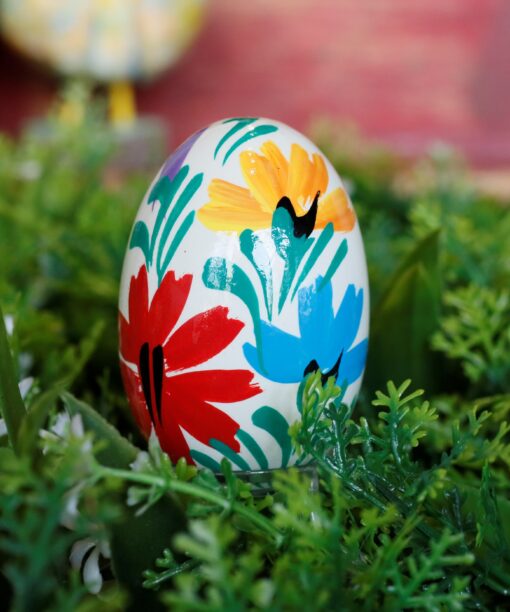
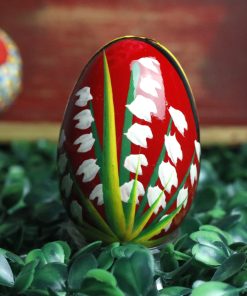
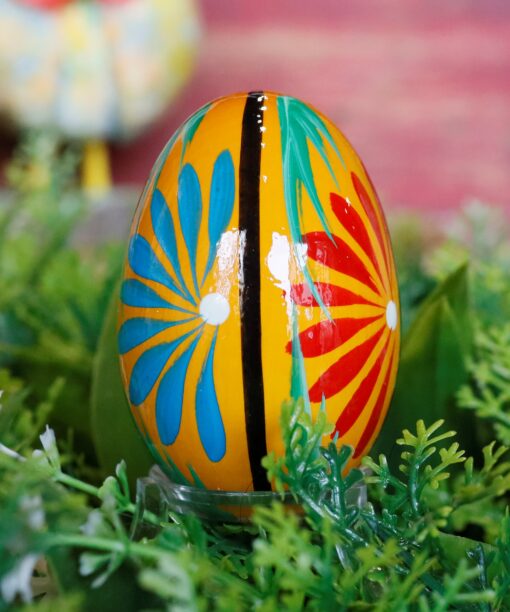
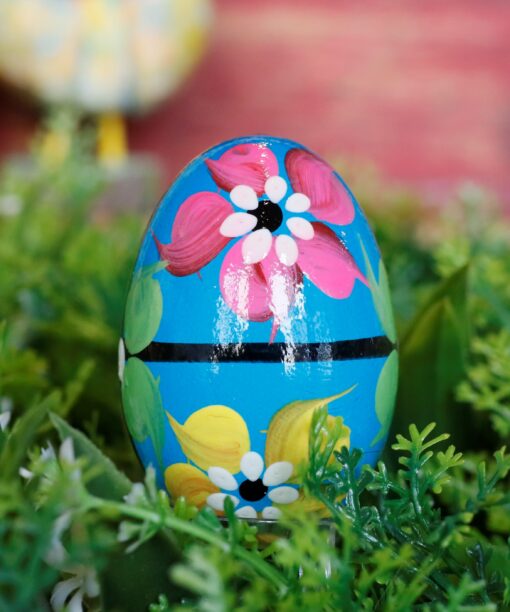
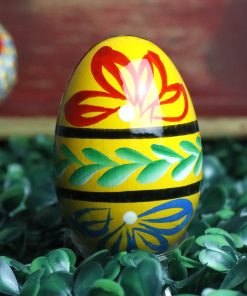
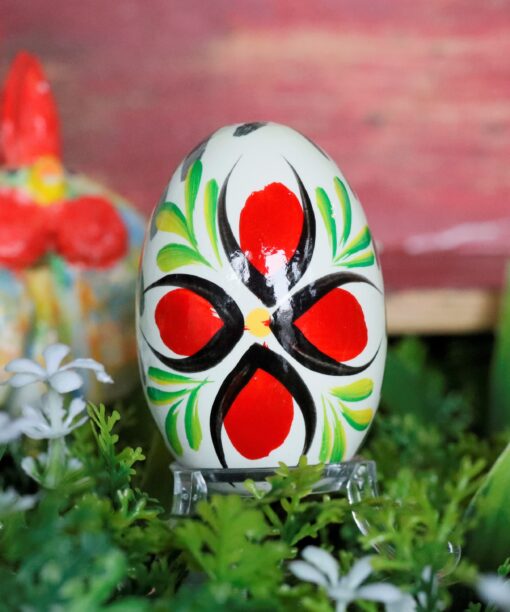
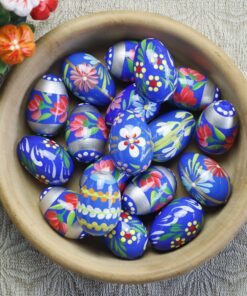
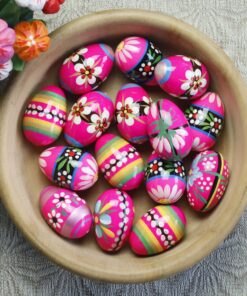
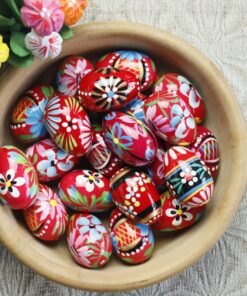
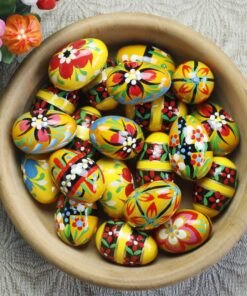
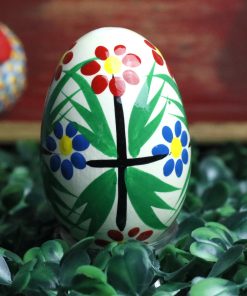 Wooden Easter egg - flowers on white
1 × 12.00 zł
Wooden Easter egg - flowers on white
1 × 12.00 zł

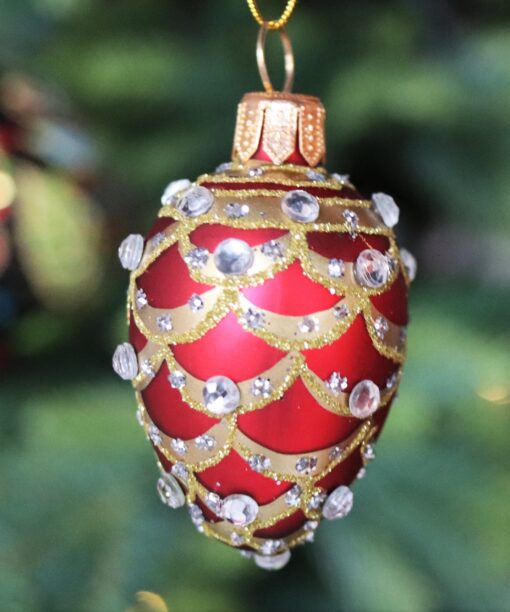
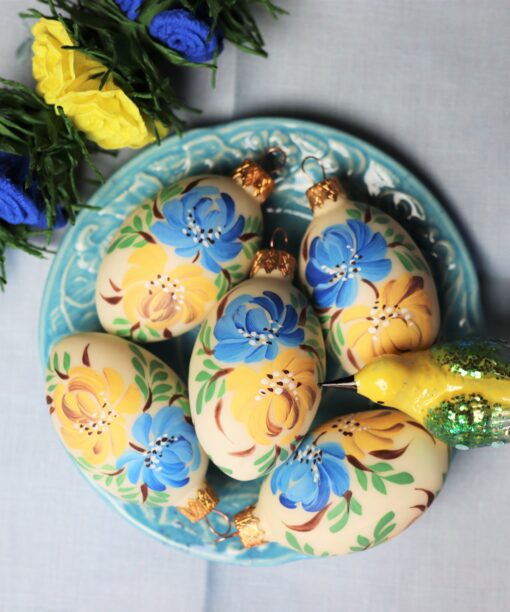
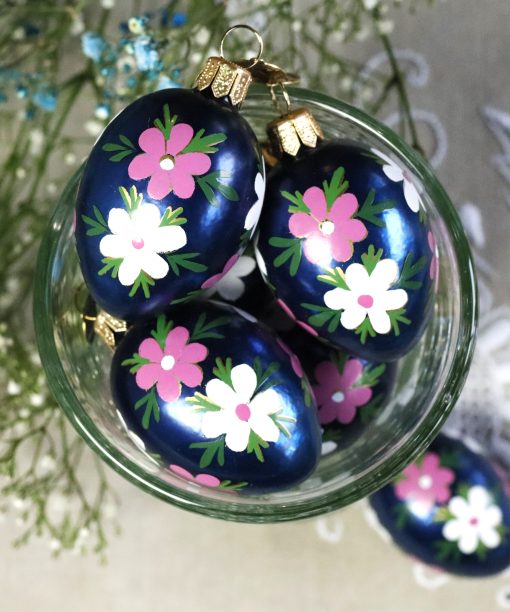
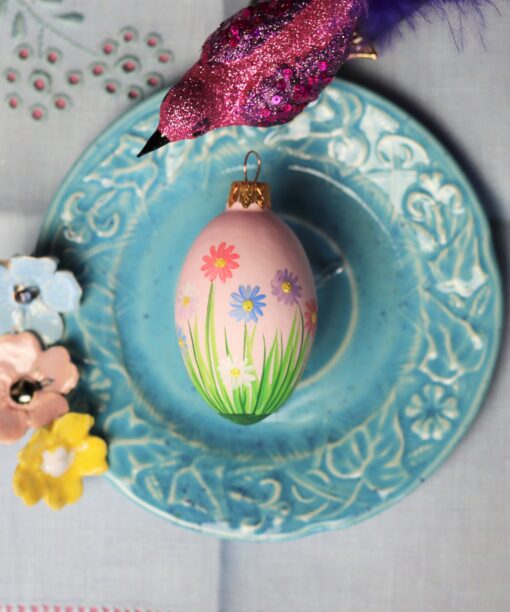
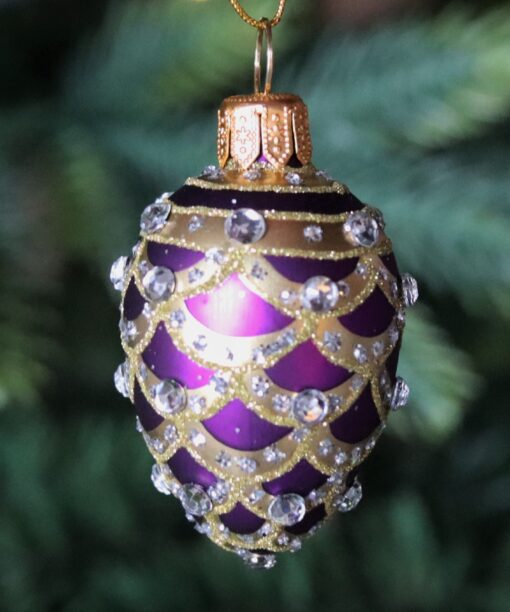
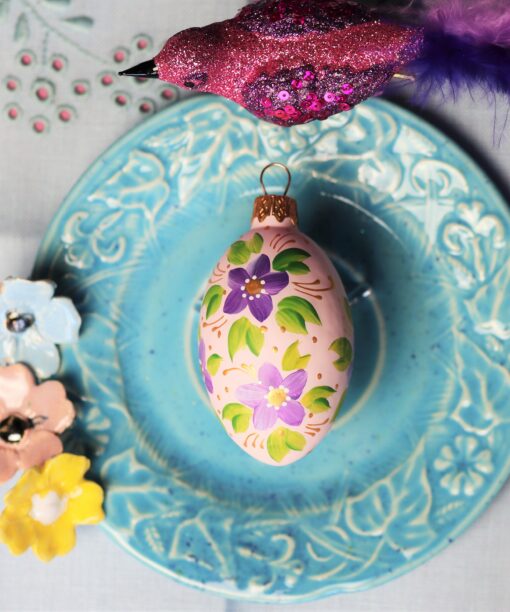
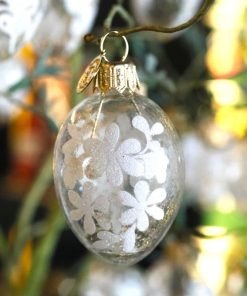
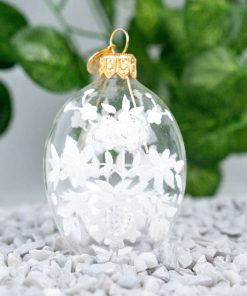
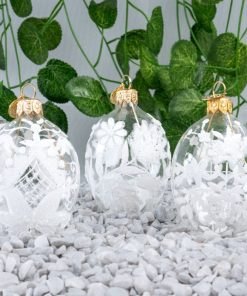
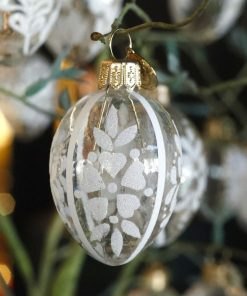
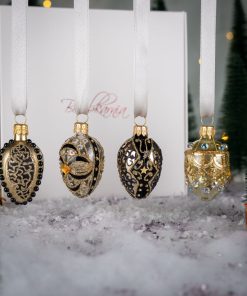
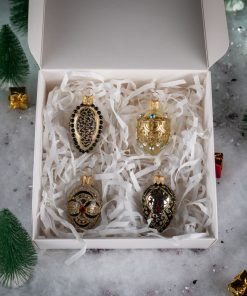
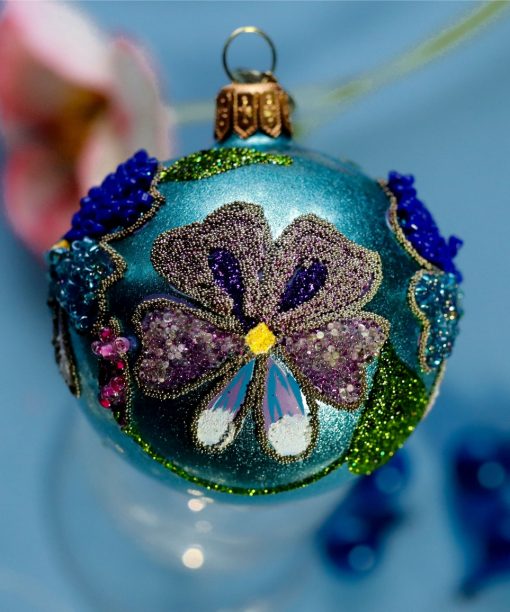
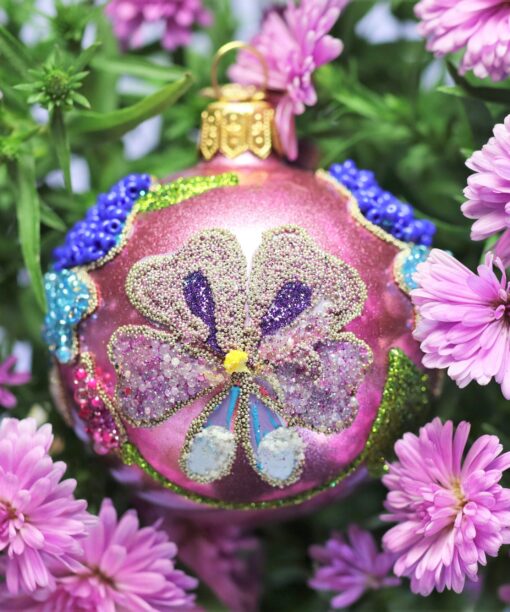
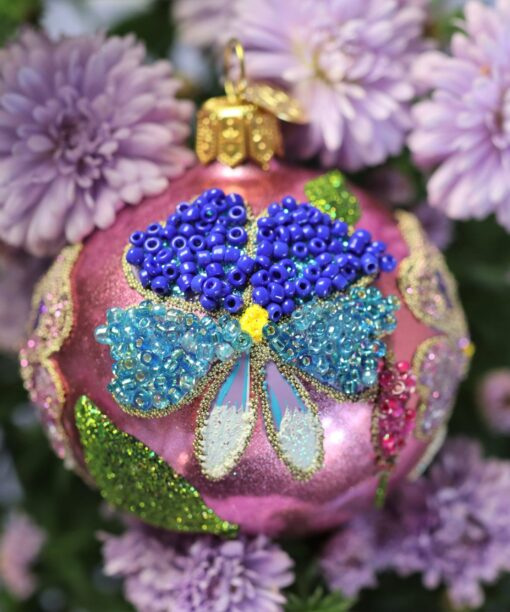
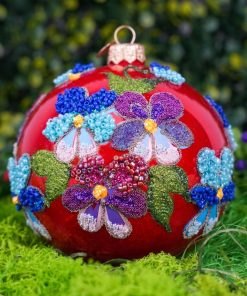
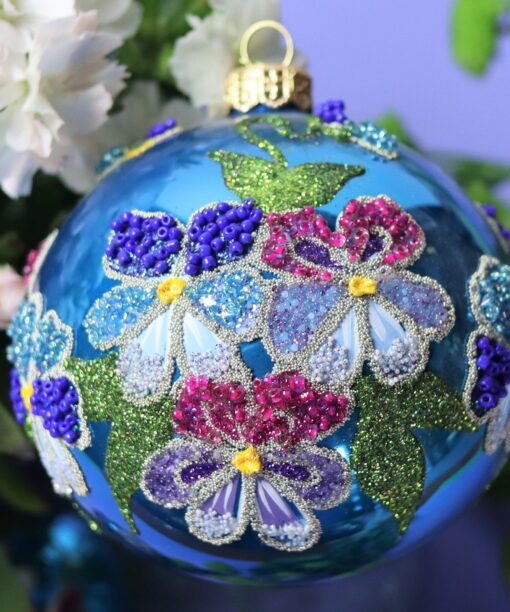
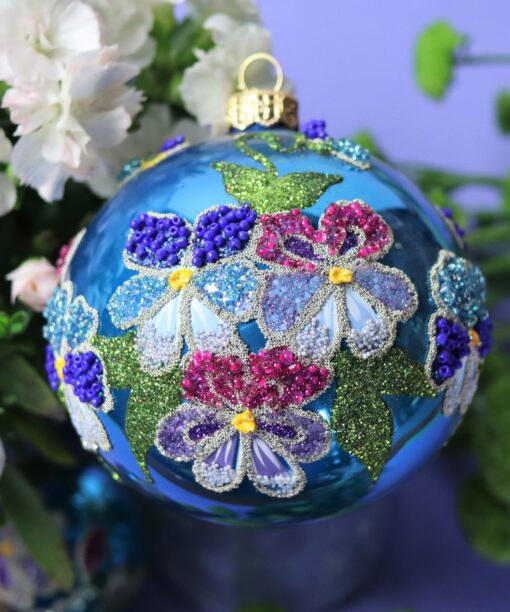
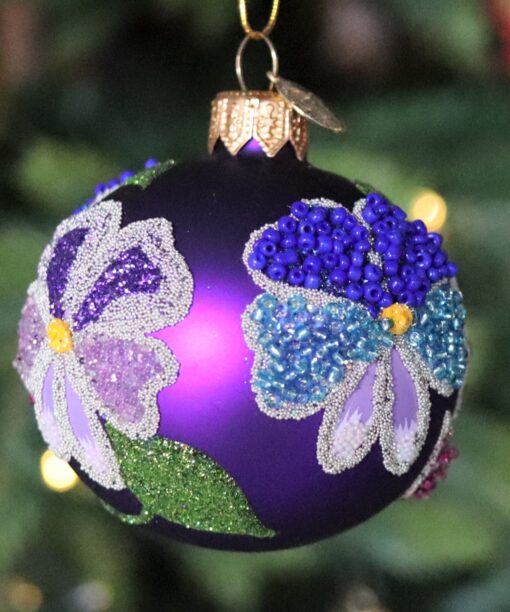
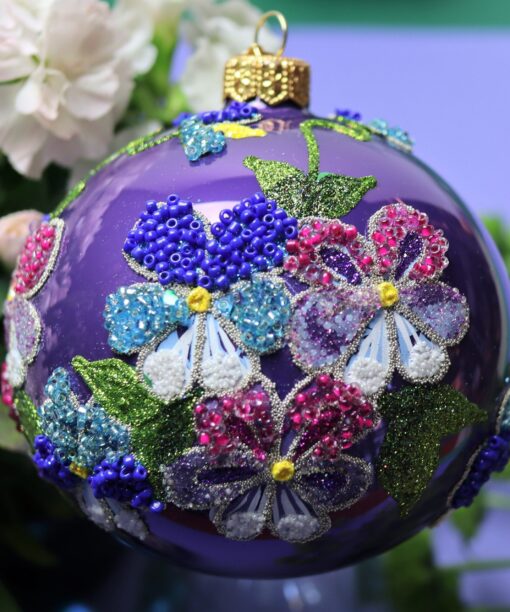
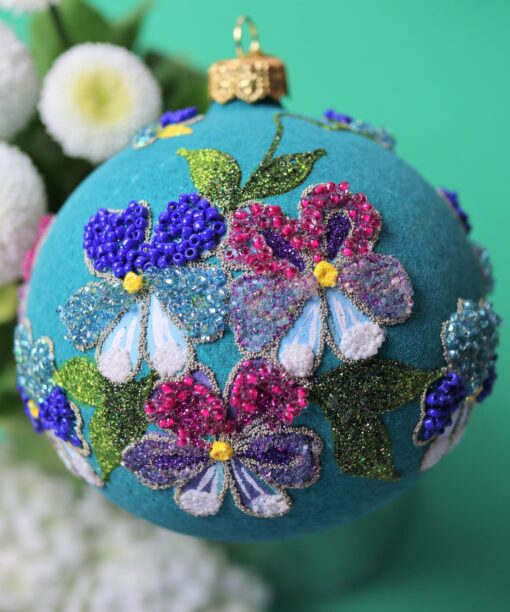
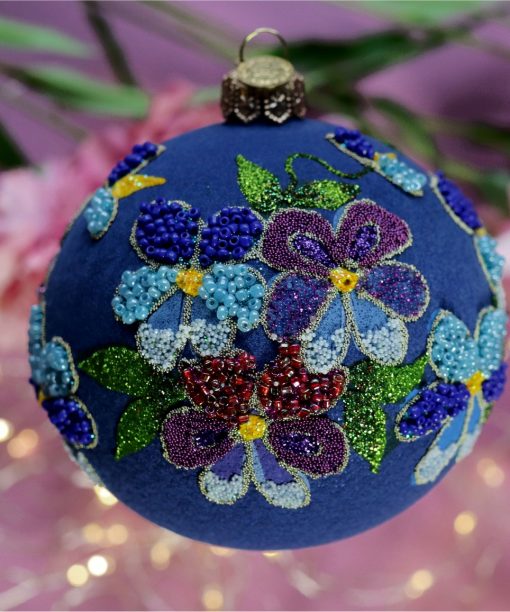
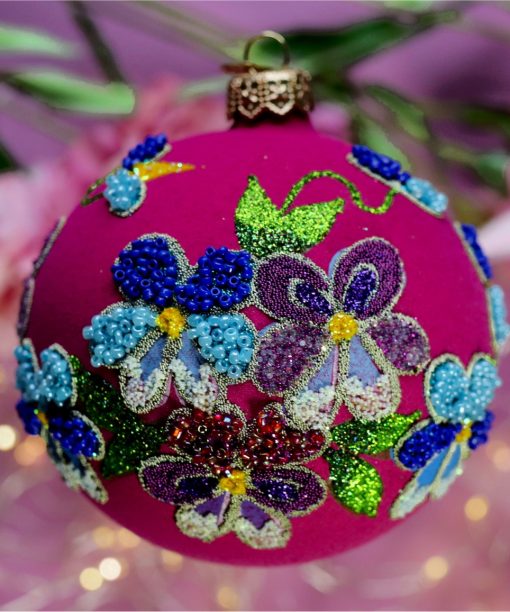
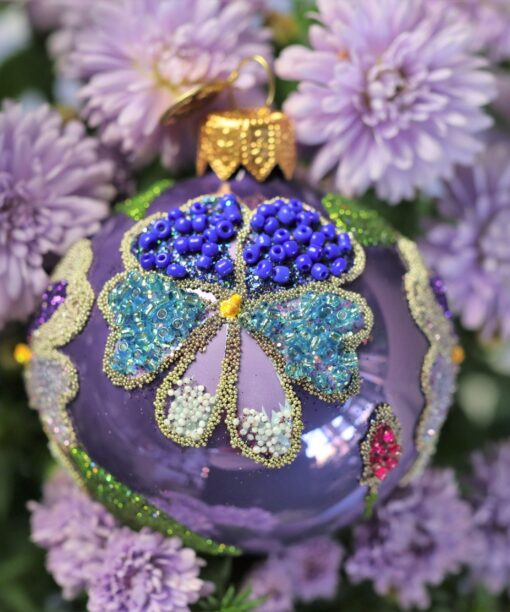
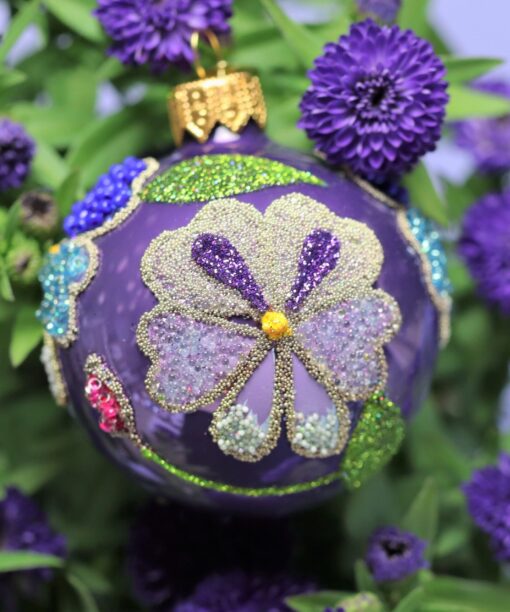
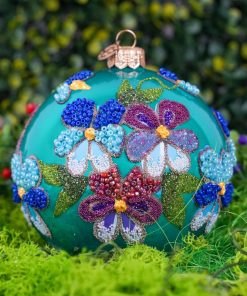
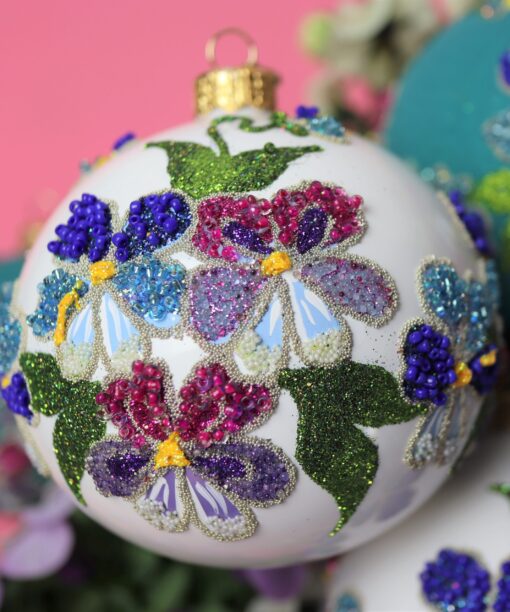

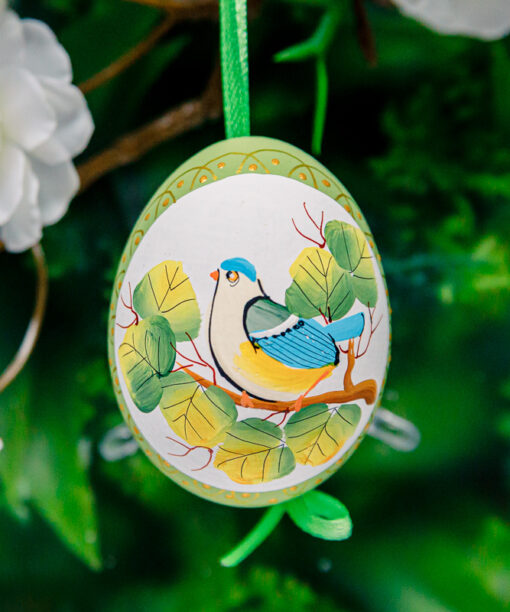
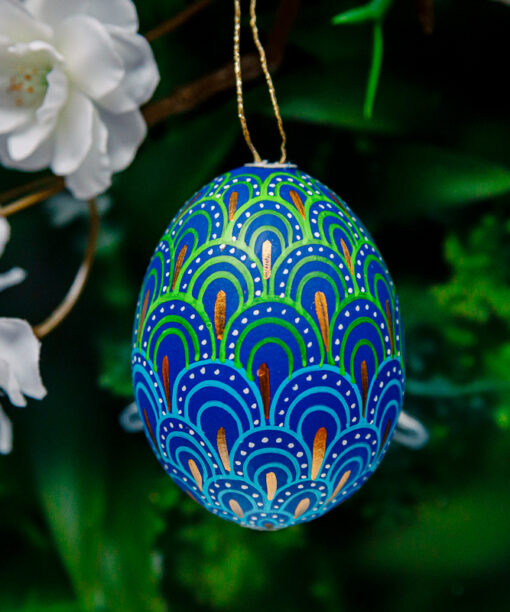
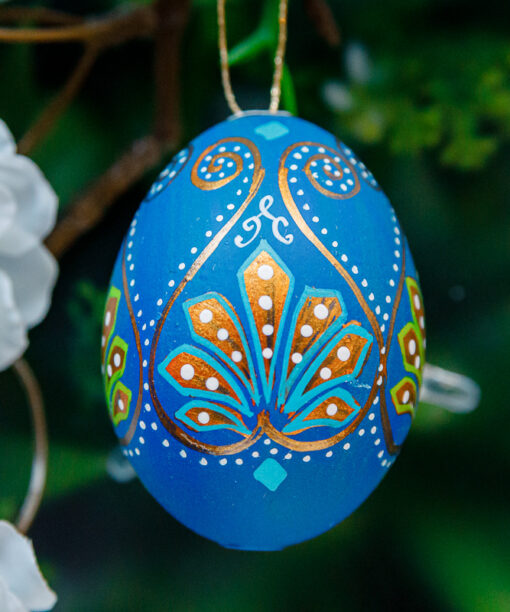
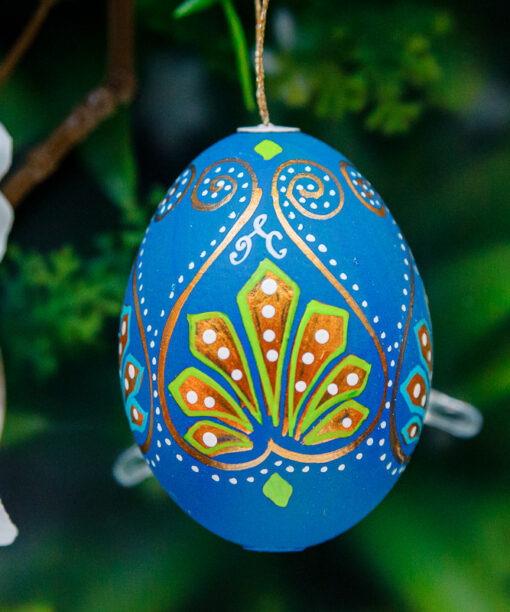
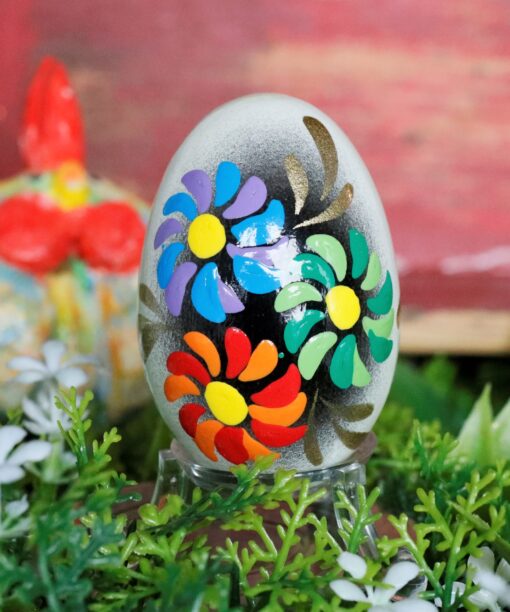
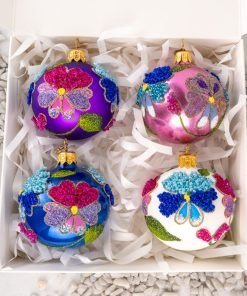
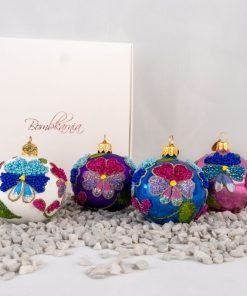
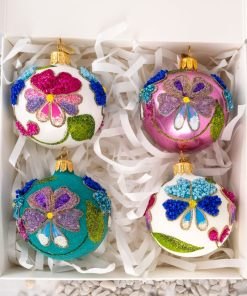
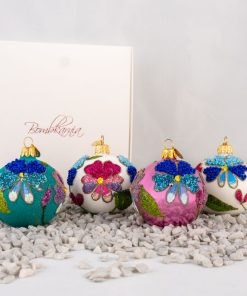
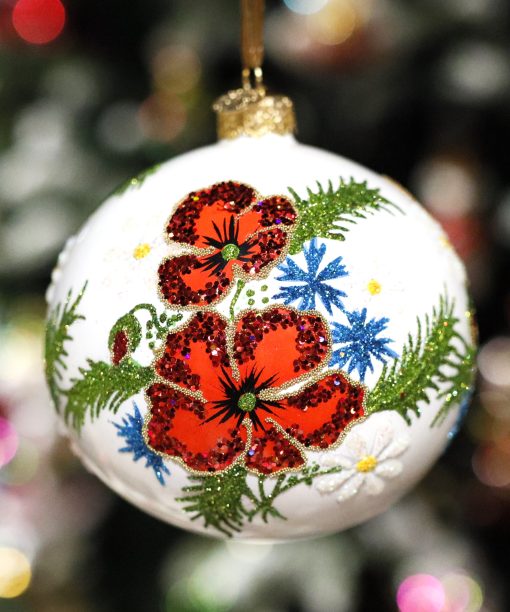
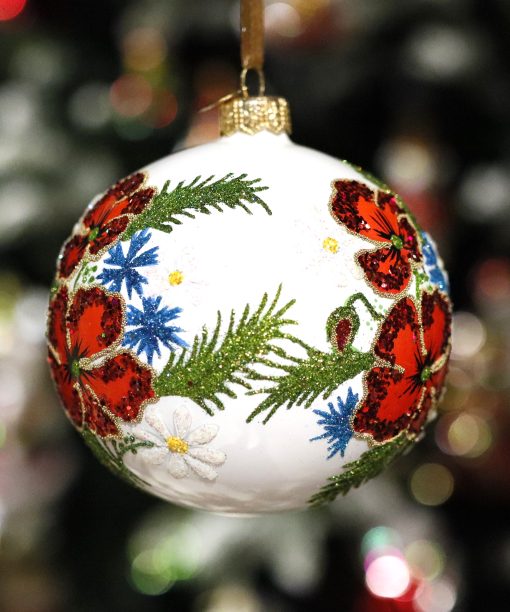
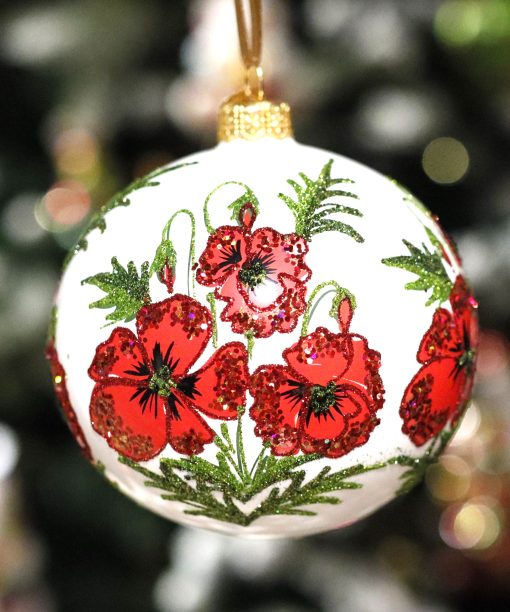
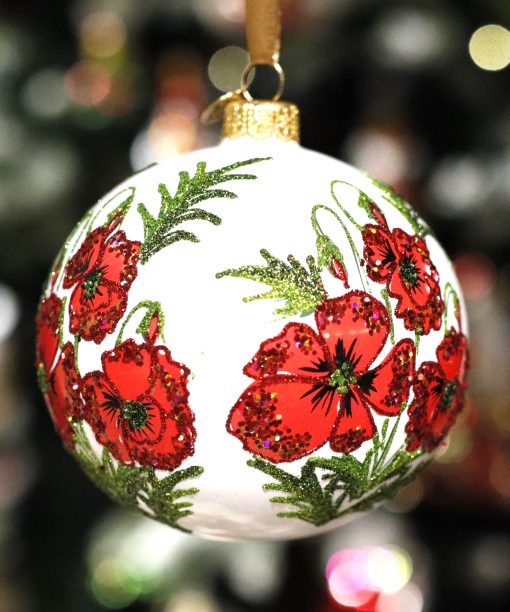


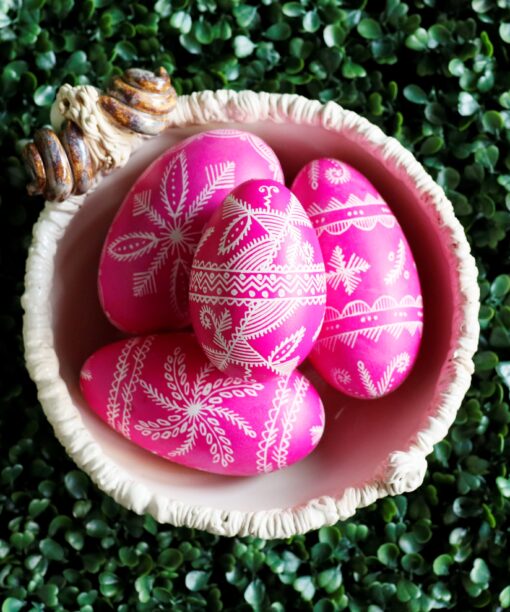
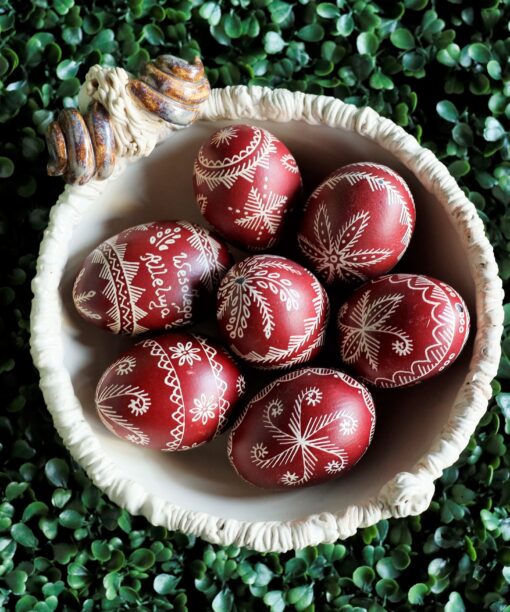
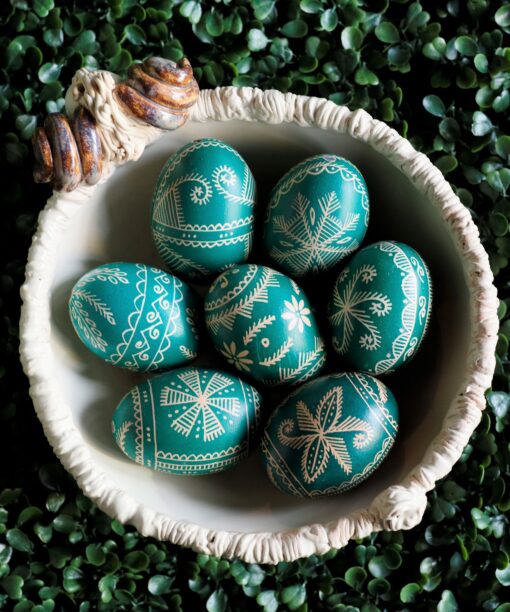
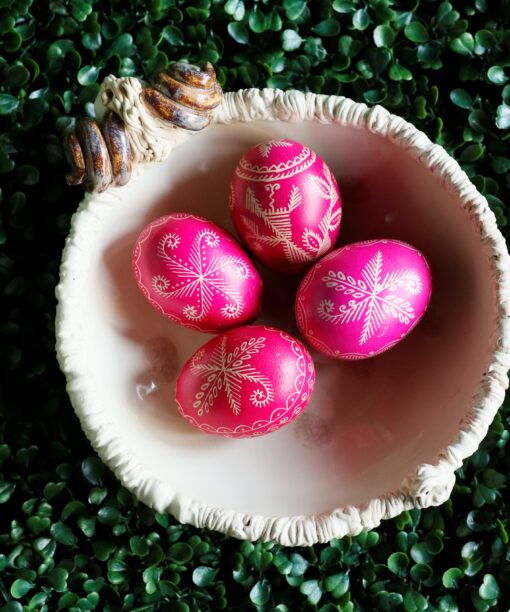
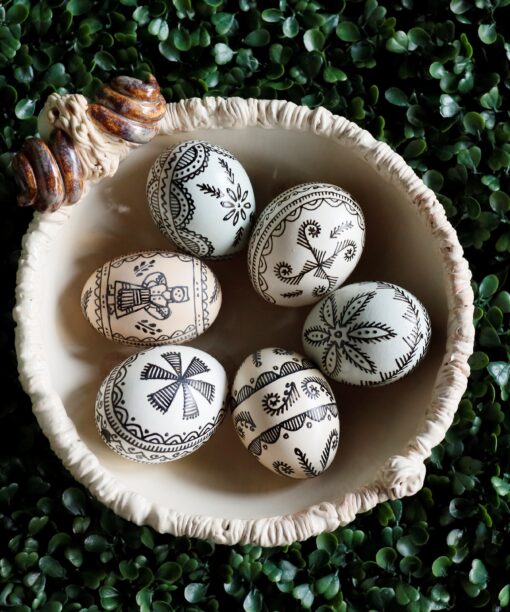
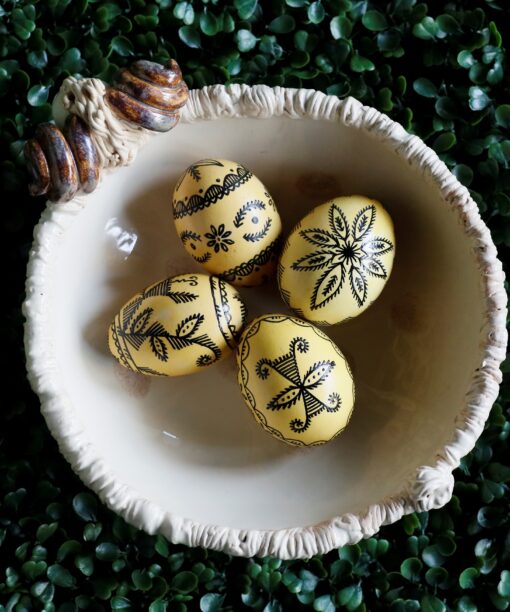
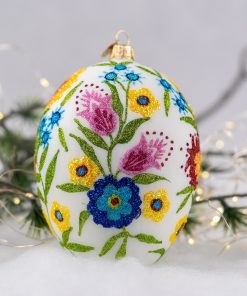
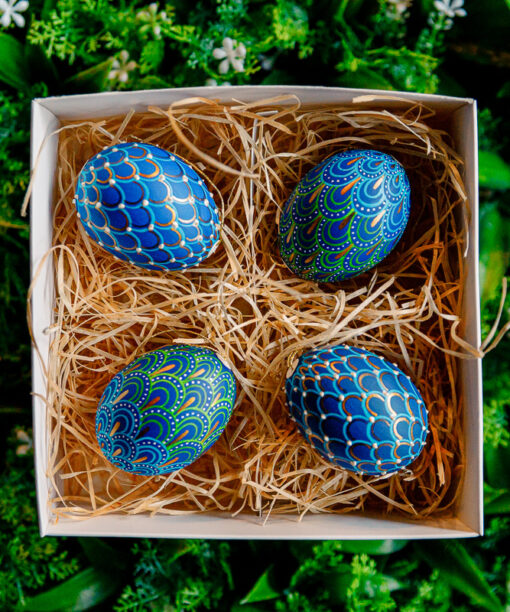

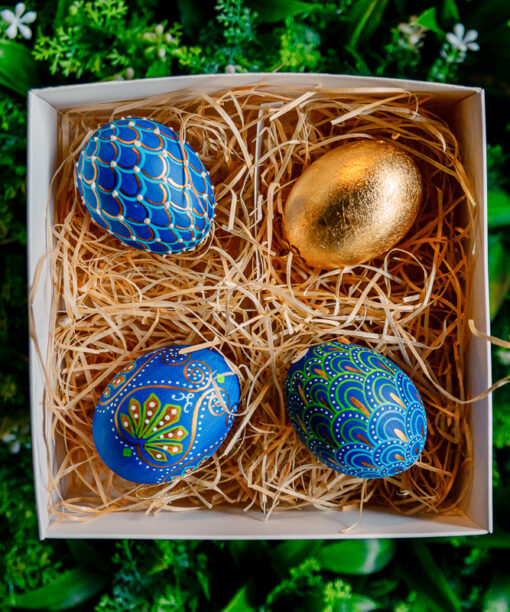
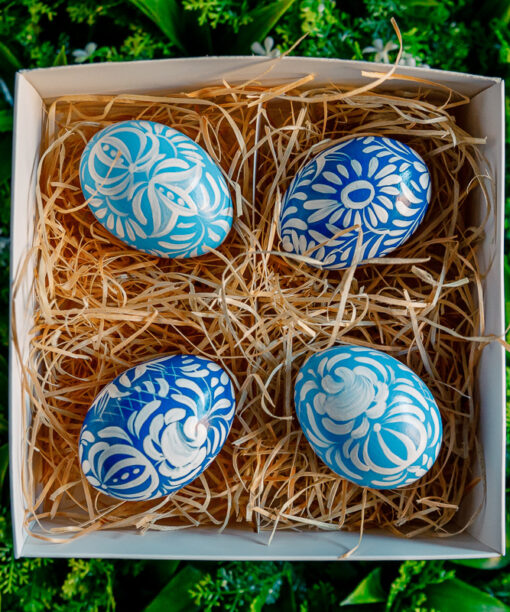

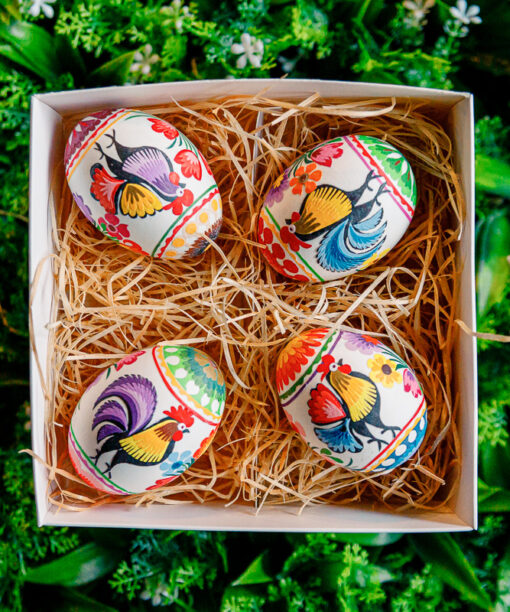
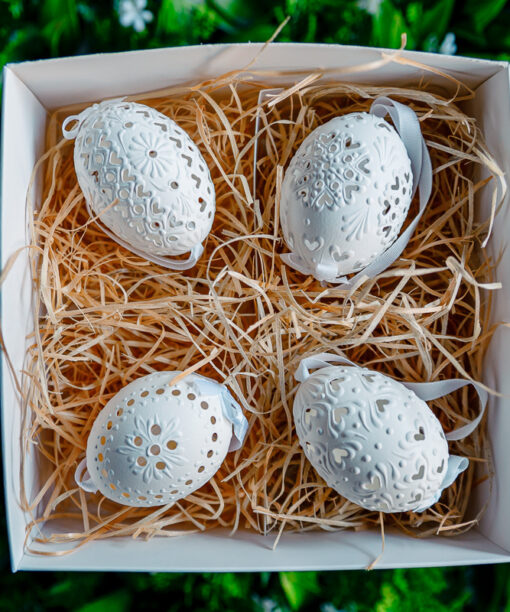
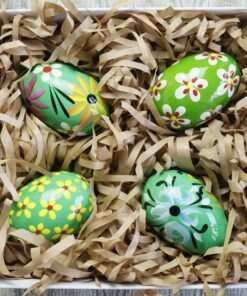
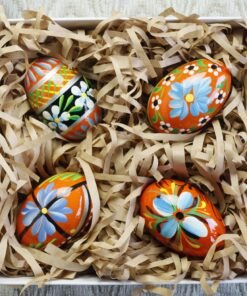
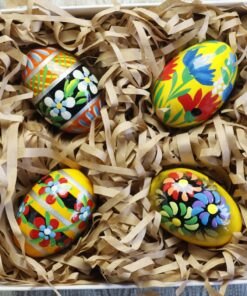
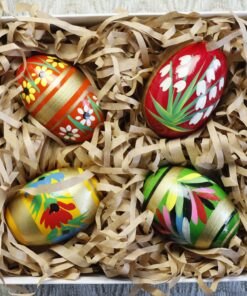
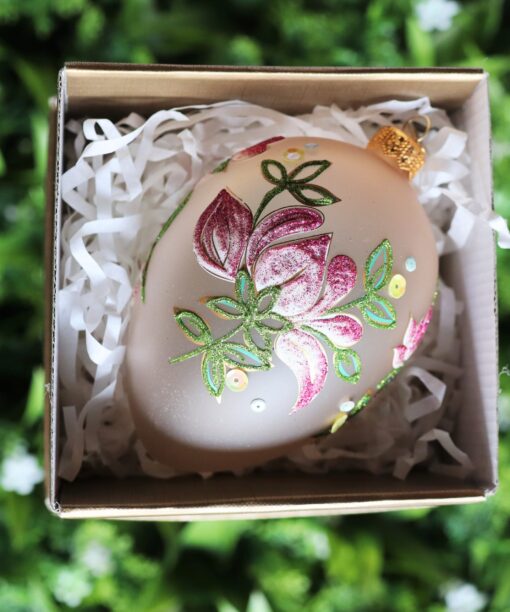
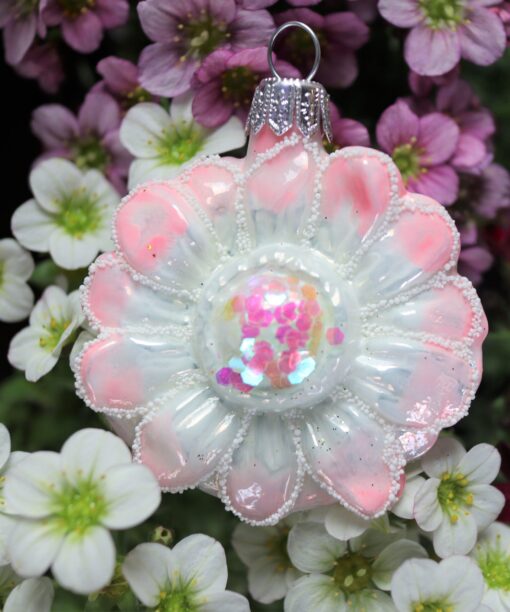
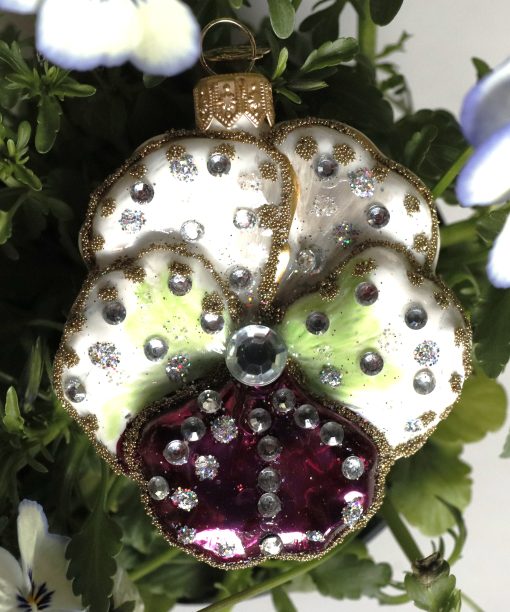
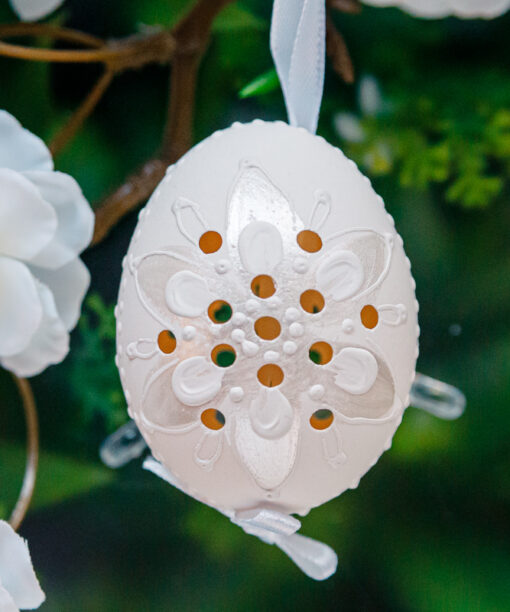
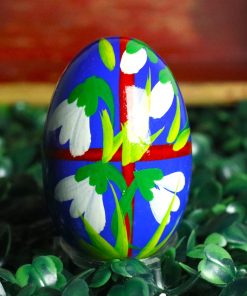
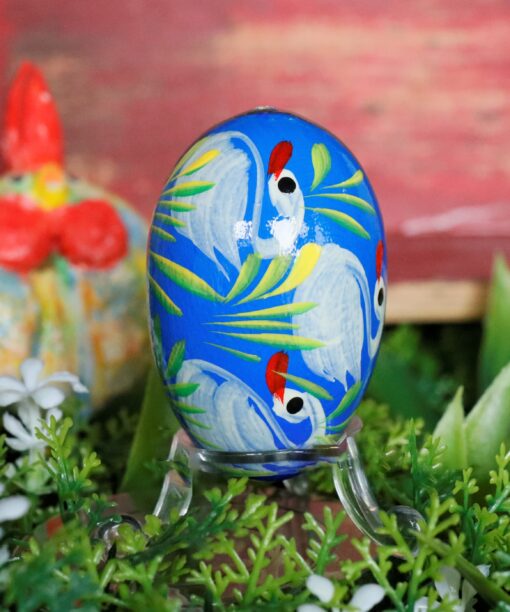
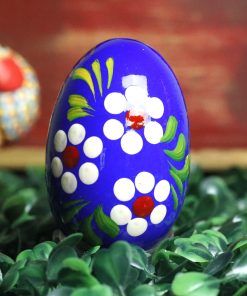
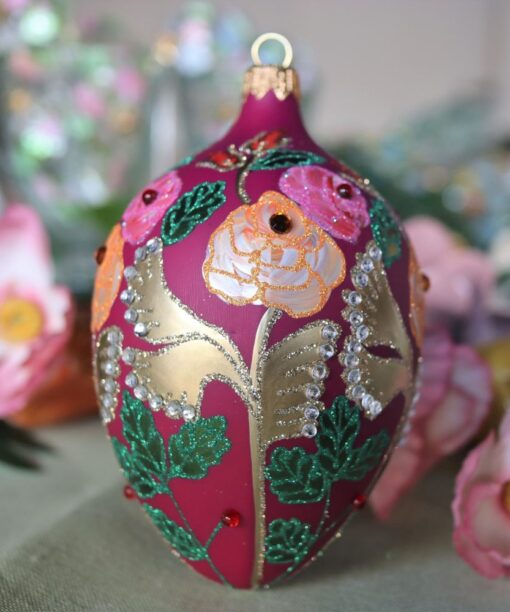
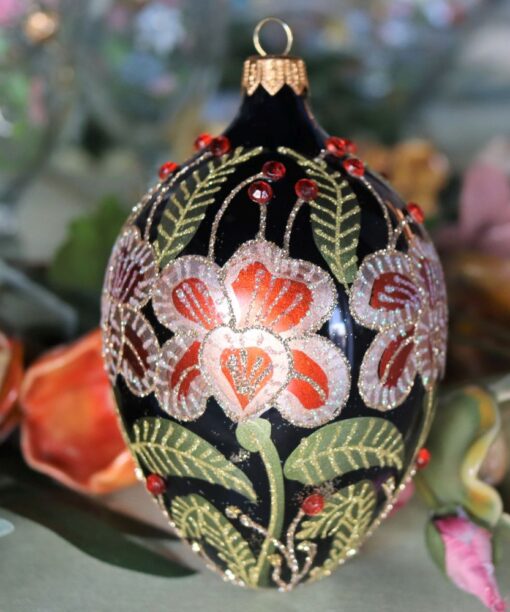
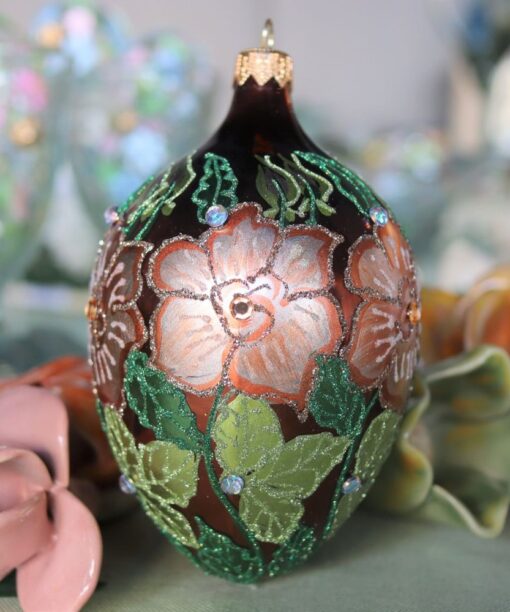
Handmade Easter decorations made of glass and ceramics
Handmade Easter decorations belong to the group of ornaments that transform the look of a festive home year after year. Each of them carries more than just aesthetics, as it combines tradition, craftsmanship, and the deeply rooted symbolism of spring rebirth. This is precisely why handcrafted Easter decorations are enjoying growing interest among those who are looking for ornaments with character and history.
The mass production market offers hundreds of similar products. Standing out against this repetitive selection are ornaments created by hand by artists, where each piece is unique. By choosing handcrafted Easter ornaments, you are selecting an item that has its own soul and a specific story of its creation.
An Easter interior arrangement takes on a completely different dimension when it is backed by the authentic work of human hands. From glass eggs to ceramic figurines, from folk Easter eggs to ornaments inspired by regional patterns, every form of holiday handicraft tells a story about the culture from which it originates.
Handmade glass and ceramic Easter ornaments
Glass and ceramics are two materials that have accompanied Easter decorations for centuries. Both are characterized by durability, nobility of form, and suitability for hand decoration. Artists working with these materials combine ancient techniques with a modern sense of aesthetics, creating ornaments that you will not find in any supermarket.
Glass eggs as spring ornaments in Polish craftsmanship
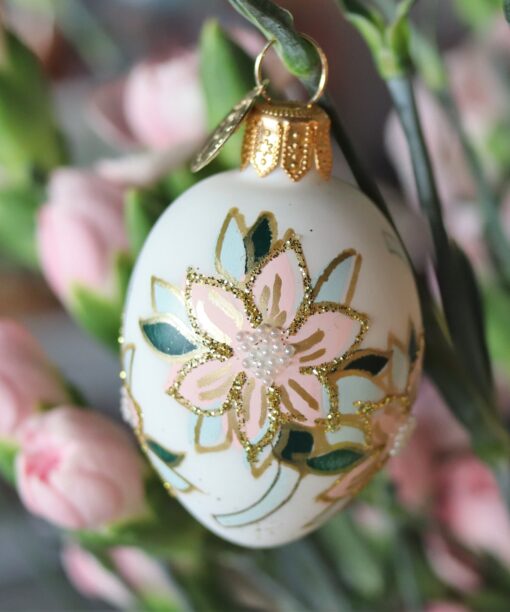
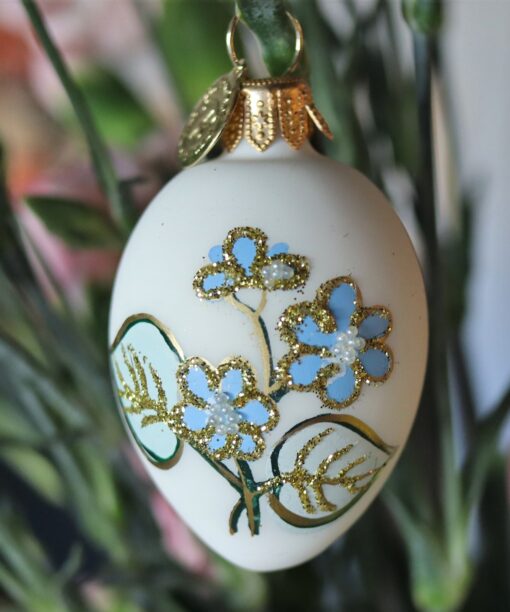
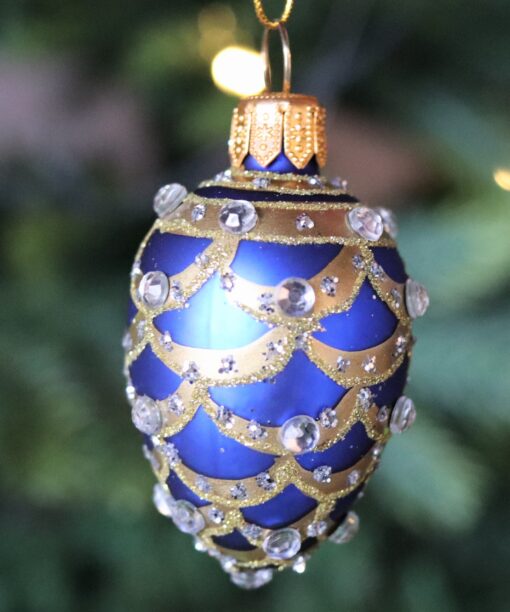
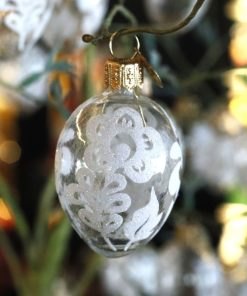
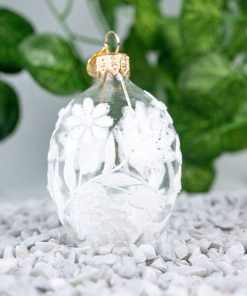
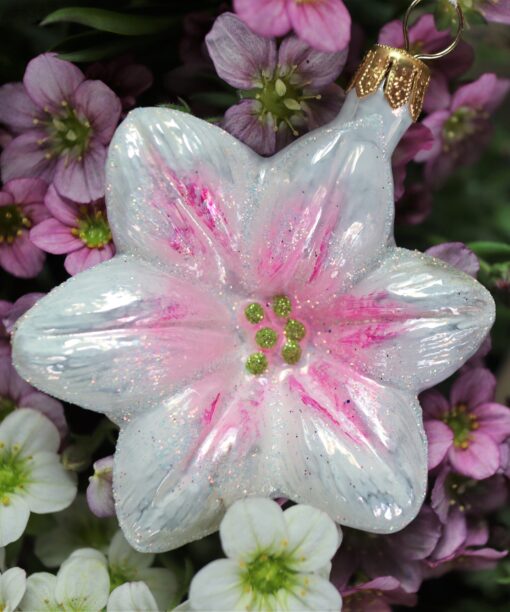
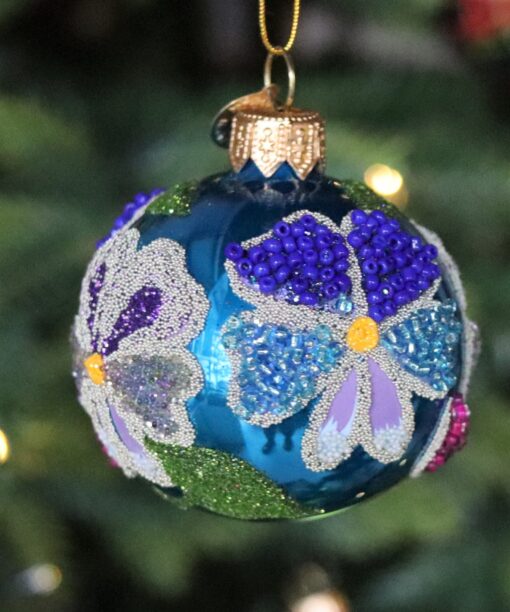
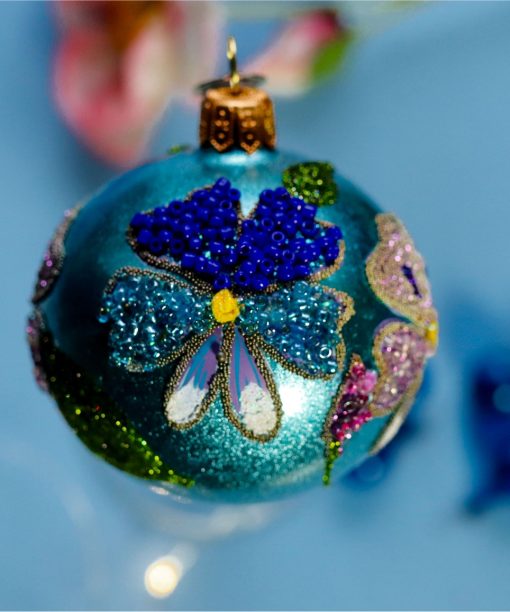
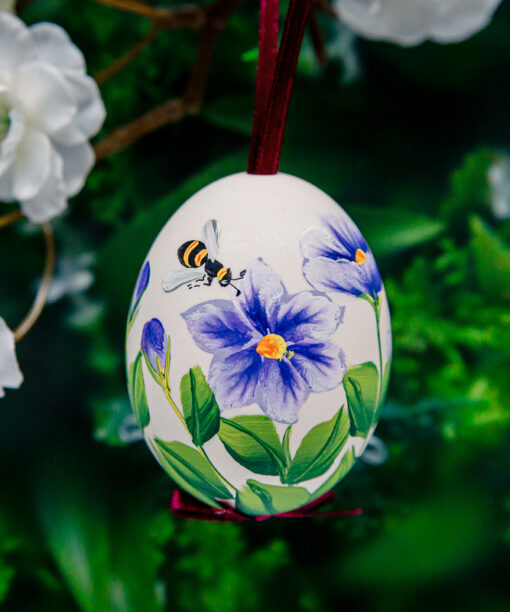
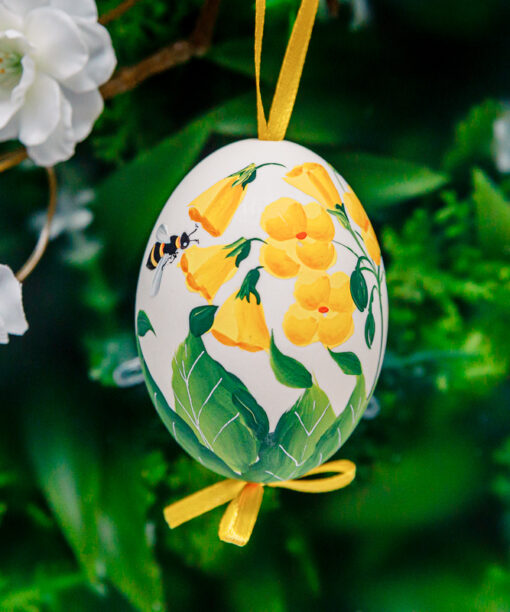
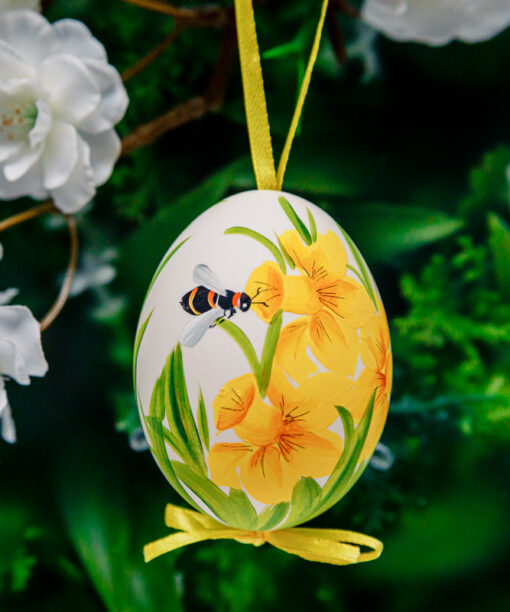
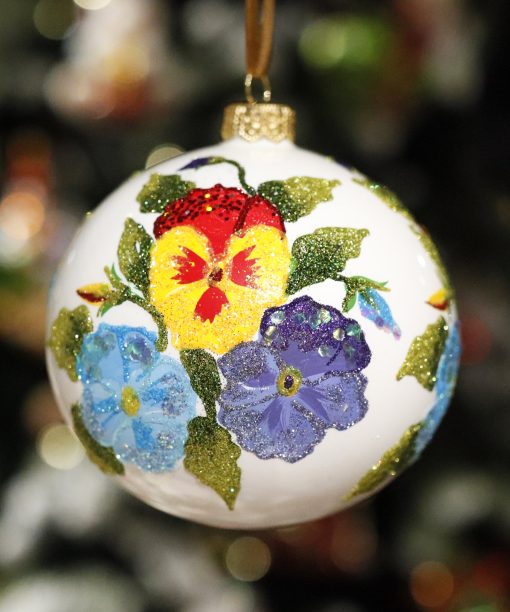
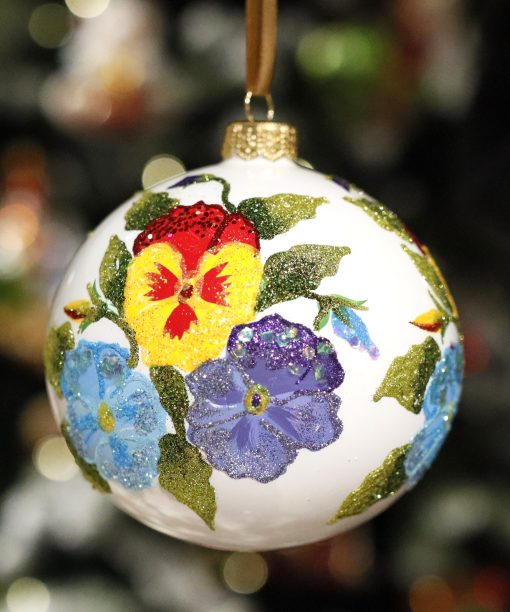
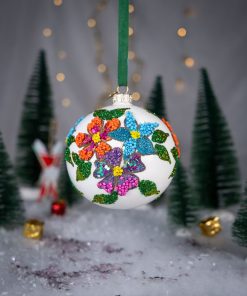
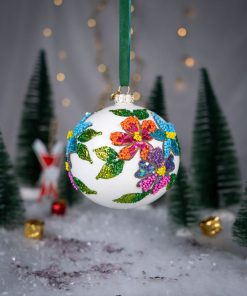
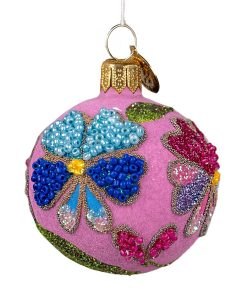
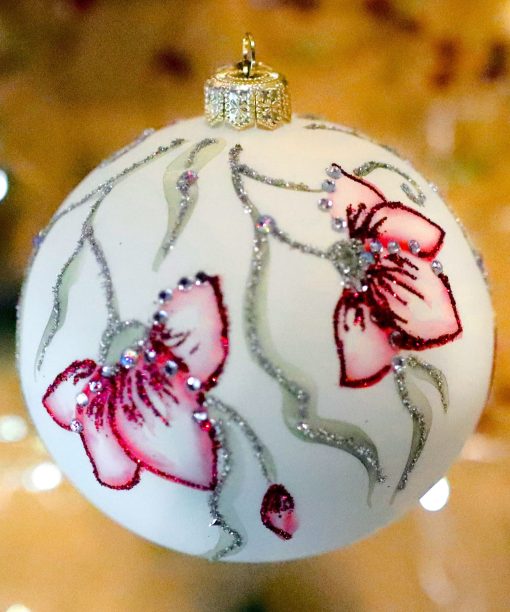
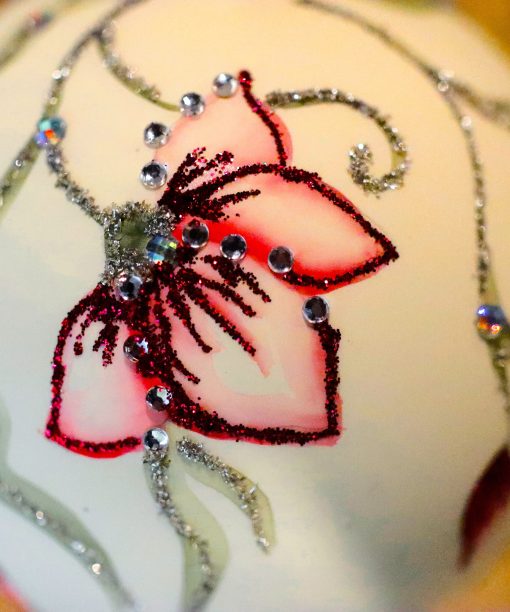
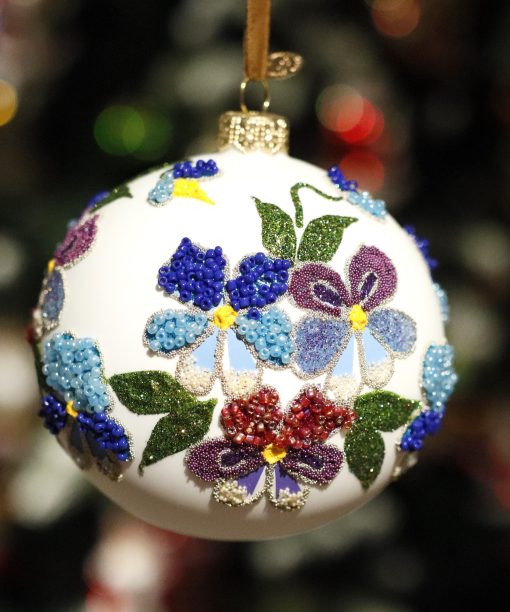
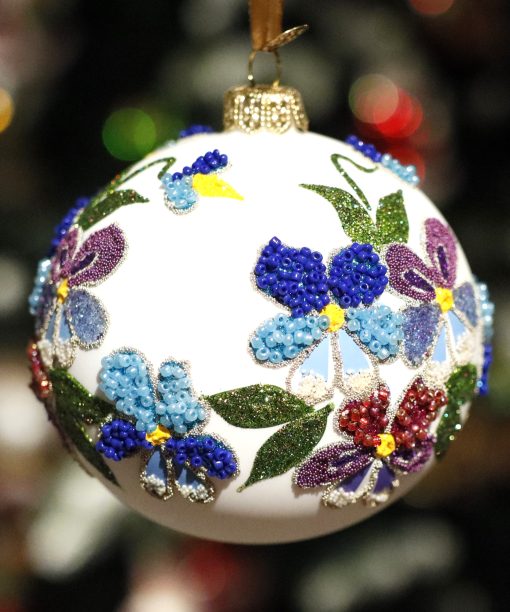
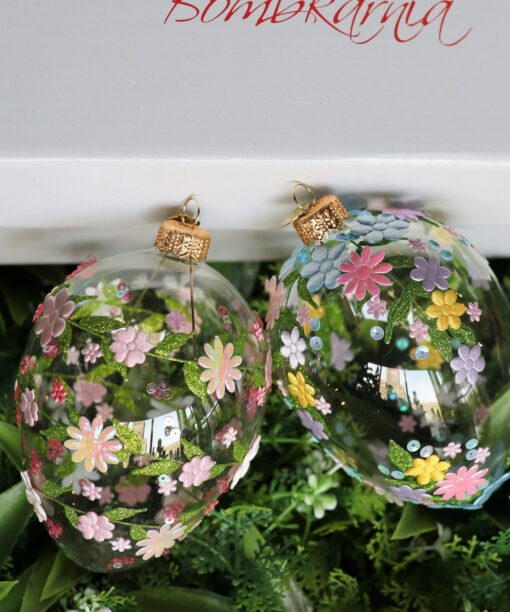
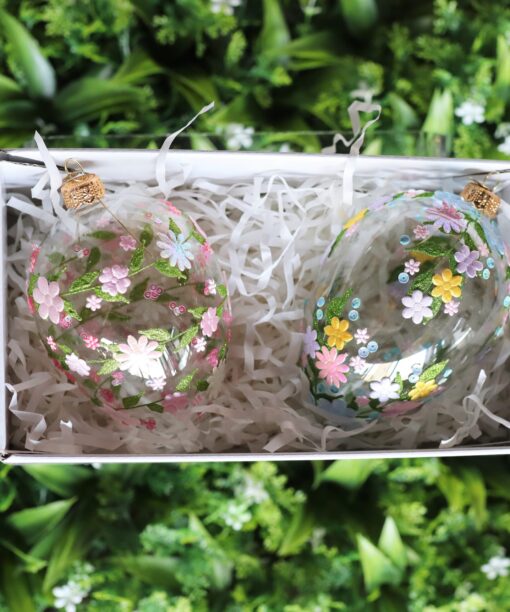
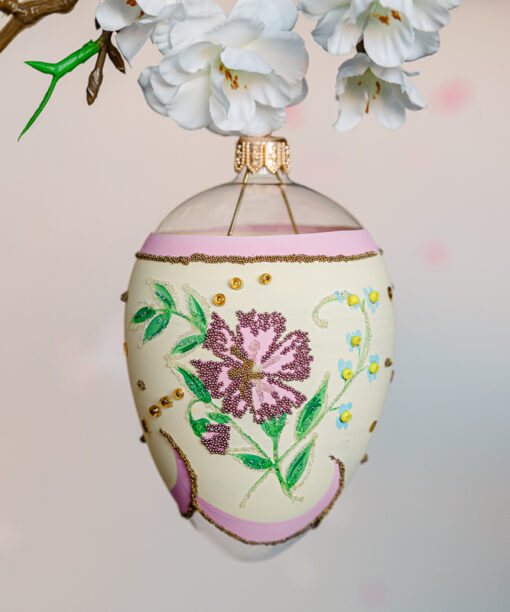
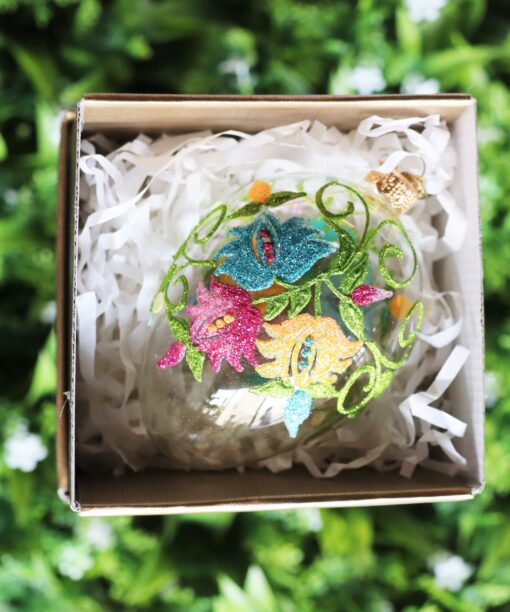
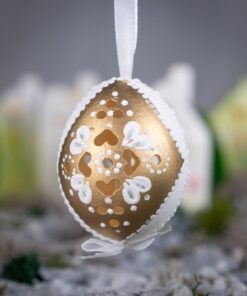
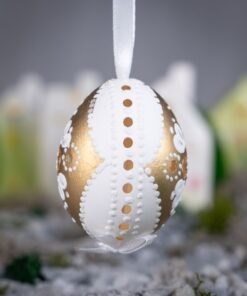
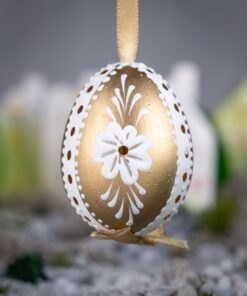
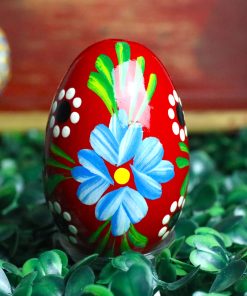
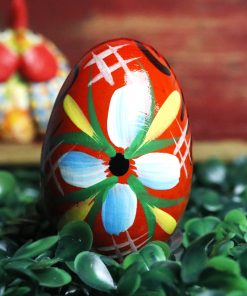
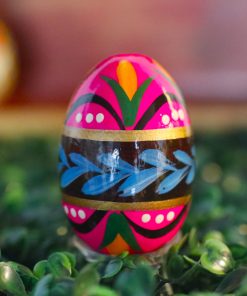
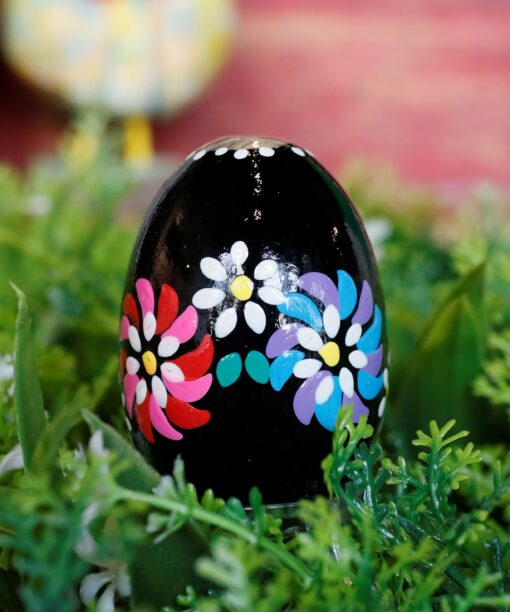
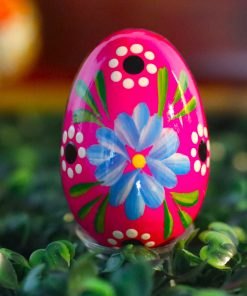
A glass egg is one of the most recognizable elements of Easter decoration. Its shape refers directly to the symbolism of the egg as a source of new life, and the glass form gives it lightness and elegance. Made of glass, glass Easter eggs can be painted, gilded, or covered with floral or geometric patterns, depending on the artist’s style.
Artisans working with glass use painting techniques passed down from generation to generation. The paints are applied to the smooth surface in precise patterns, and every line is created solely by the human hand. No two glass ornaments look identical, which makes each of them an authentic work of art.
Glass Easter eggs are perfect as a table decoration, window ornament, or as a hanging decoration for willow branches in a vase. Their shiny surface reflects the spring light and enlivens any interior.
Ceramic figurines symbolizing rebirth and fertility
Ceramics belong to the oldest forms of craftsmanship, and their presence in Easter arrangements has a long tradition. Ceramic Easter figurines depict hares, chicks, roosters, lambs, and Easter eggs, and each of these forms carries a specific symbolic meaning.
In folk tradition, the hare symbolizes fertility, vitality, and nature being reborn. In Christianity, the Easter lamb represents the sacrifice of Christ and redemption. The rooster, in turn, signifies the awakening of life and the arrival of a new morning. Ceramic decorations with these motifs therefore fit not only into the aesthetics of the holiday but also into its deeper meaning.
Hand-molded and painted ceramic figurines differ from one another in texture, glaze color, and method of decoration. Ceramic artists give each figurine an individual expression, which makes it more than just a simple decoration. Such an ornament becomes a keepsake and an element of tradition passed down through the family.
Folk design of Easter eggs from different regions of the country
The Polish tradition of decorating Easter eggs is extremely rich and regionally diverse. Folk design differs not only in style but also in technique, which means that each region has its own recognizable aesthetic. Lipsk, Lowicz, Kujawy, Kurpie, or Lusatian Easter eggs are separate artistic worlds, each with its own history. Regional Easter eggs are decorated using various methods.
Traditional techniques for decorating Easter eggs:
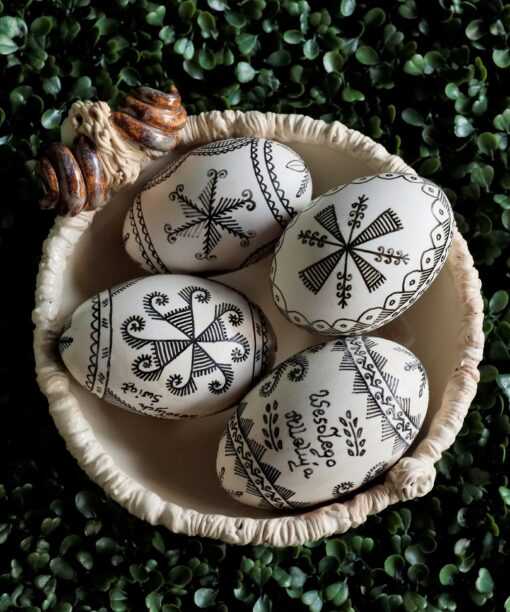
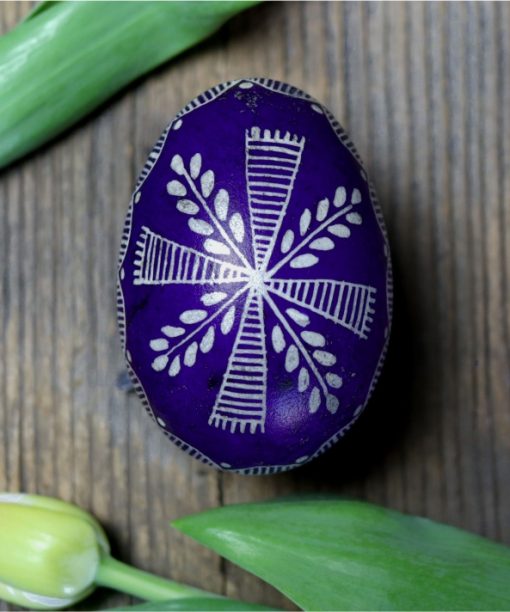
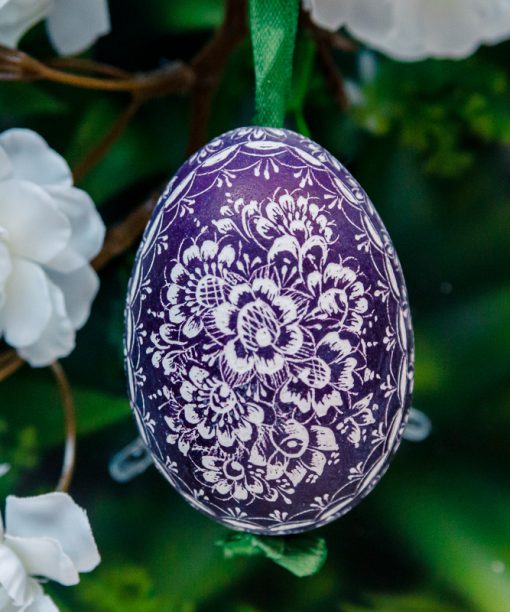
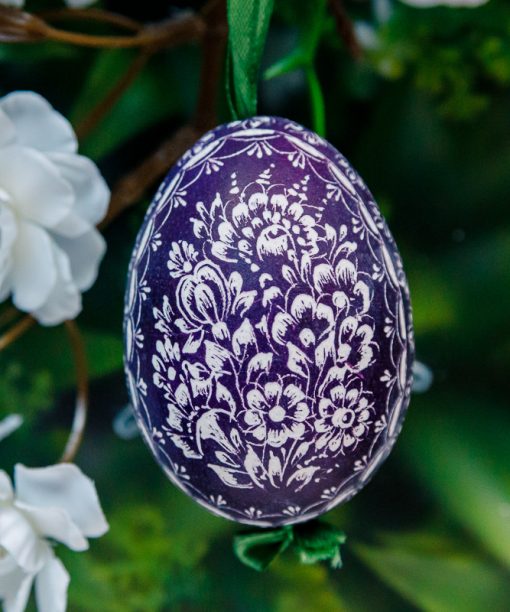
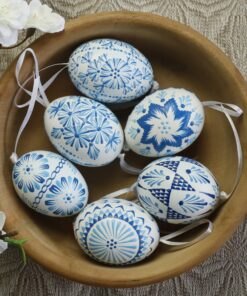
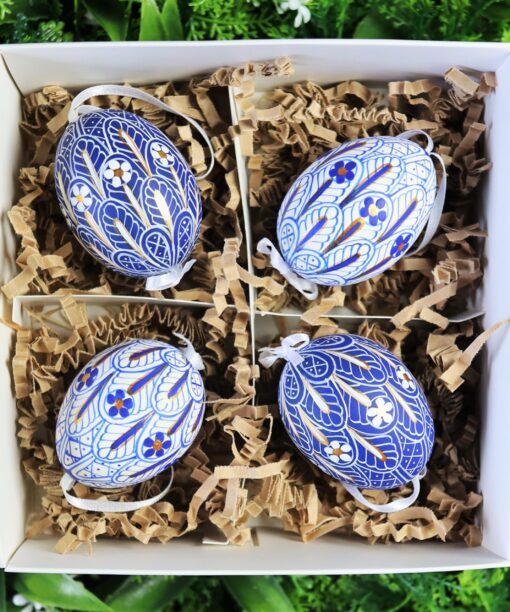
- The batik (wax) method, used in Lipsk on the Biebrza for nearly 200 years, involves applying hot wax with a pin
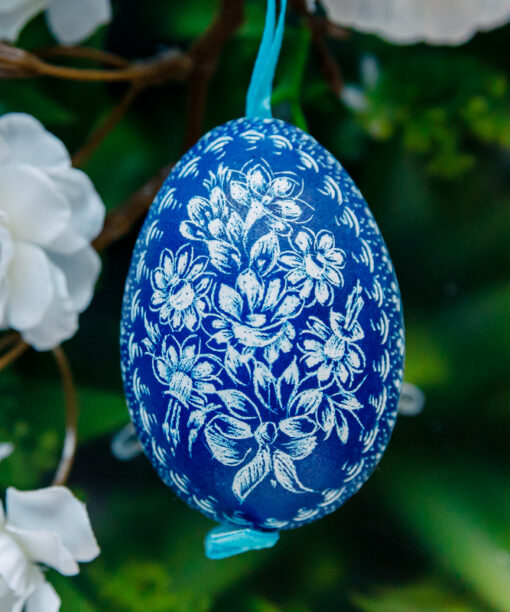
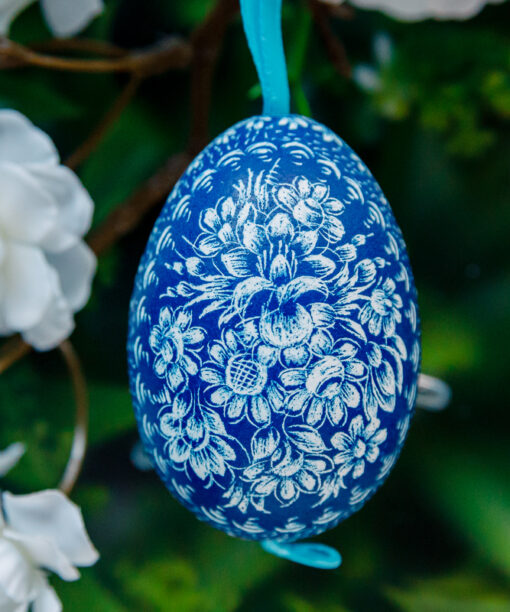
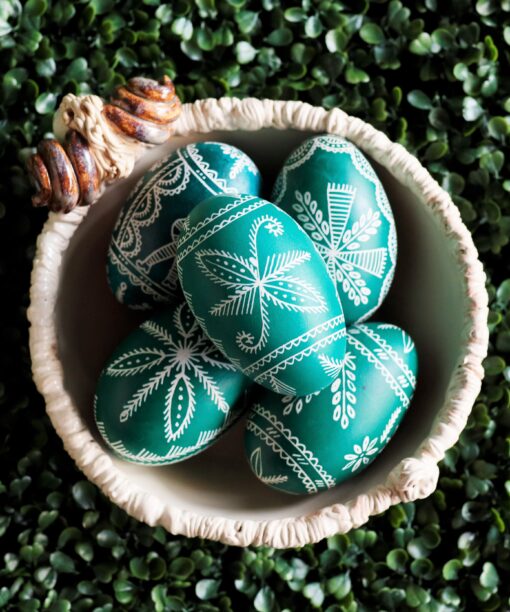
- The scratching technique, which involves scratching patterns with a sharp tool onto a dyed shell
- Painting with natural dyes from onion skins, apple tree bark, beets, and cornflowers
- Lowicz paper cutouts glued onto blown-out duck or goose eggs
Each of these techniques requires patience, precision, and a deep knowledge of regional design. Artists creating folk Easter decorations learn the patterns over many years, often continuing family craft traditions. The result of their work is ornaments that combine artistry with an authentic cultural message.
The uniqueness of every piece created by artists
The most important feature of handmade ornaments is their uniqueness. No artist will ever create two identical Easter eggs, glass eggs, or ceramic figurines, because the human hand always introduces subtle differences. It is precisely this uniqueness that defines the value of Easter handicrafts.
Hand-painted Easter ornaments are created in stages: from preparing the material and sketching the pattern to painting and setting the colors. In the case of glass eggs, each stage requires focus and precision. With ceramics, there is also the firing process, which ultimately gives the figurine its durability and character.
Items created by artists bring values into the home space that no mass-produced product can replace. A holiday decoration made by a specific person, with a specific artistic intent, becomes something exceptional.
How Easter ornaments fit into Polish holiday customs
Easter is one of the most important holidays in Polish tradition, and its celebration has been based on specific symbols and rituals for centuries. Easter ornaments do not serve a purely aesthetic function, as they are part of a living tradition whose roots reach back to pre-Christian Slavic beliefs. Understanding this symbolism allows for a deeper appreciation of the value of every handmade decoration.
Easter eggs as a symbol of spring rebirth in folk tradition
The tradition of decorating eggs stems from ancient Slavic beliefs, in which the egg was a symbol of vital forces and new life. It acted as an intermediary between the human world and the world of spirits and gods, and its decoration had a ritualistic and protective dimension. Christianity gave this symbol a new meaning, connecting the egg with the idea of resurrection and rebirth.
Easter eggs have been a sign of prosperity and kindness exchanged for centuries. Giving someone a beautifully decorated egg meant passing on good energy and blessings for the coming year. The color and pattern of an Easter egg carried additional messages: red signified love, green symbolized hope, and gold brought wealth.
The symbolism of spring decorations is therefore multi-layered and rooted in millennia of human culture. Contemporary Easter decoration, which draws on these patterns, is not merely a trendy ornament but a continuation of a living heritage.
Decorating the home for Easter in Polish regional customs
Easter in Poland is rich in customs that vary by region, yet they are united by a common theme: celebrating the rebirth of nature and the return of life after winter. Among the most popular are preparing Easter palms, painting Easter eggs, and preparing the basket with blessed food. Decorating interiors for Easter has a strictly defined aesthetic.
Easter elements of home decoration:
- Willow branches with catkins as a symbol of life’s triumph over winter
- Easter eggs hung on branches in a vase or placed in Easter baskets
- Easter lamb figurines as a religious symbol and table decoration
- Ceramic and glass ornaments on windowsills, tables, and shelves
Each of these elements has its established place in Polish holiday tradition. Handmade Easter decorations fit into this custom naturally because they refer to the craftsmanship that has accompanied these celebrations for centuries. A holiday ornament made by an artist is a continuation of the same cultural line that Polish families have cultivated for generations.
Easter motifs in folk art of different regions
Polish folk art has developed a rich repertoire of Easter motifs over the centuries. Floral, geometric, and zoomorphic patterns adorn Easter eggs, ceramics, and textiles, creating a recognizable artistic language for each region.
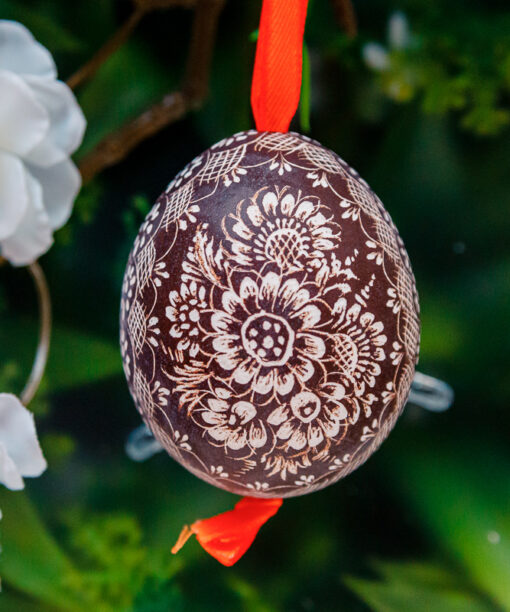
The Lowicz style is distinguished by bright colors and symmetrical paper cutouts featuring rooster and floral motifs. Kujawy design uses a more subtle palette and a geometric rhythm of lines. Podlasie Easter eggs, especially those from Lipsk on the Biebrza River, are famous for their intricate batik patterns created by waxing with a pin. Kurpie Easter eggs, on the other hand, are kept in dark shades of brown, burgundy, and green, with characteristic scratched patterns.
Regional Easter design transferred onto glass and ceramic ornaments creates collections with a unique character. Artists working in this style aim to preserve authenticity, which is why every pattern has its source in a specific local tradition. Such an ornament is not just a decoration, but a true document of material culture.
Order unique Easter decorations at Bombkarnia
Bombkarnia is an online store specializing in handmade ornaments, including Easter decorations of a high artistic level. The Easter offer includes a wide spectrum of handicrafts, from glass Easter eggs and eggs to ceramic figurines and gift sets that combine several elements into a cohesive whole. Each product is created in cooperation with Polish folk artists and visual artists, which guarantees authenticity and quality.
Rich assortment of ornaments available in the Bombkarnia online store
The Bombkarnia Easter collection includes several product categories, among which you can freely choose depending on your needs and taste. The store combines the aesthetics of artistic craftsmanship with the convenience of online shopping.
Types of Easter ornaments in the store:
- Glass Easter eggs and Easter eggs hand-painted by artists
- Ceramic Easter figurines: bunnies, chicks, roosters, and lambs
- Folk Easter eggs made from eggshells decorated with traditional regional patterns
- Easter sets composed of several handmade elements
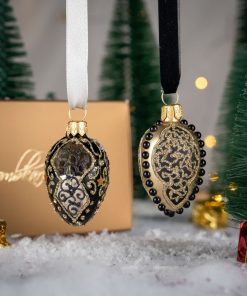
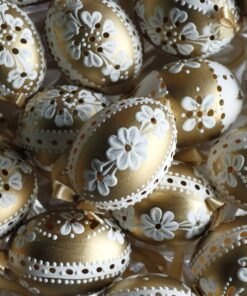
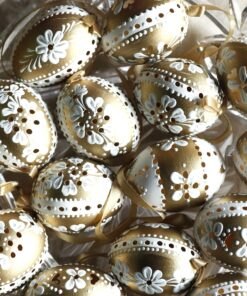
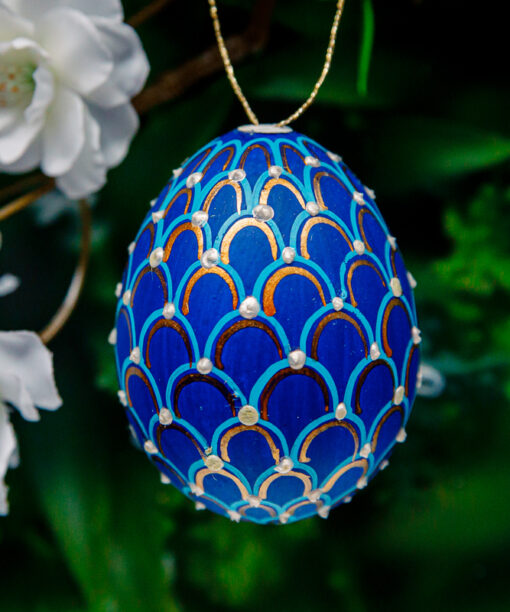
- Openwork, gilded, and painted ornaments on goose and chicken eggshells
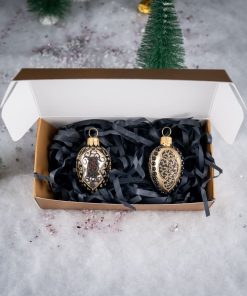
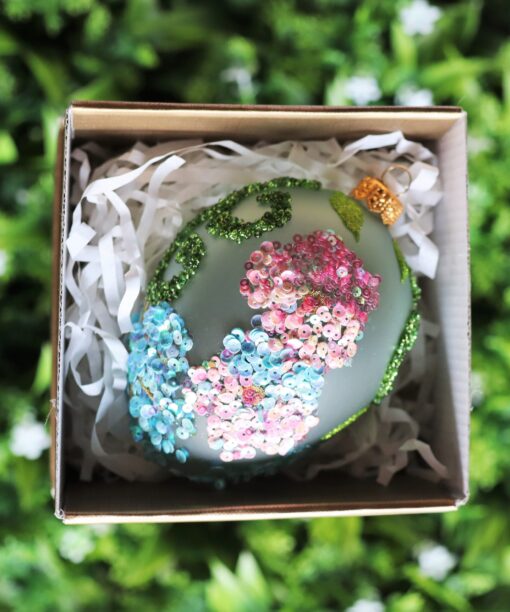
Each product is described in detail, with information about the materials used, size, and technique of execution. For those looking for an Easter gift, the store offers ready-made sets packed in elegant boxes. Such a solution works well both as a gift for loved ones and as a decoration for your own home.
Bombkarnia regularly expands its Easter collection with new forms and designs, collaborating with artists from various regions. Each season brings new projects that combine tradition with a modern approach to holiday aesthetics. It is this constant renewal that keeps the store’s offer fresh and inspiring year after year.
Choose a holiday decoration and place your order
The Easter assortment from Bombkarnia awaits on the category page, where handmade Easter decorations can be browsed, compared, and selected in a convenient way. Each ornament is available immediately, and orders are processed efficiently with delivery to the specified address.
By ordering Easter handicrafts through the Bombkarnia online store, you support Polish artists and craftsmen who keep the living tradition of creating handmade ornaments alive. Each piece that arrives at your home is not just a decoration, but a conscious choice of culture and quality over mass production. Place your order and let handmade Easter decorations give your holidays a unique character.
FAQ, Frequently asked questions
How do handmade Easter decorations differ from mass-produced ones?
Handmade Easter decorations are created entirely by an artist who gives each piece a unique shape, pattern, and color scheme. No two items are identical because the human hand always introduces subtle differences in lines, texture, and color. With brush strokes, minor pattern variations, and natural raw materials, handicrafts differ fundamentally from serial factory products.
Mass-produced decorations are made using molds and templates, which makes them all look the same. Hand-painted Easter decorations, on the other hand, have an artistic depth and authenticity that no machine can achieve. It is this feature that makes them keepsakes and elements of family tradition, rather than disposable seasonal gadgets.
What traditional techniques are used to decorate Easter eggs?
Among all the methods of decorating Easter eggs, the batik technique, also known as the wax-resist method, is the most well-known. It involves applying heated beeswax to the shell using a pin, needle, or thin funnel, and then immersing the egg in dye. The wax covers a portion of the shell, keeping the original color underneath and creating a precise pattern.
Equally popular are the scratched techniques, where patterns are created by scraping with a sharp tool on a previously dyed shell. In the Mazovia region, you can find glued decorations, which are eggshells covered with colorful yarn, while in the area around Lowicz, paper cut-out decorations are characteristic. Each of these methods requires precision, years of experience, and a deep knowledge of regional design.
The oldest Easter eggs found on Polish lands date back to the end of the 10th century, from a Slavic settlement on the Ostrowek island in Opole. Such a long history shows how deeply the tradition of hand-decorating eggs is rooted in the culture.
What do the decorative motifs on folk Easter ornaments symbolize?
Folk motifs on Easter ornaments are not accidental. They stem from ancient Slavic beliefs, where every pattern and color had a specific meaning. Red signified love and vitality, green symbolized hope and the rebirth of nature, and gold invoked prosperity and good fortune.
Plant patterns, such as twigs, flowers, and trees of life, refer to the cyclical rebirth of nature after winter. The bunny is a symbol of fertility and joy, the chick signifies new life and spring, and the Easter lamb in the Christian tradition symbolizes sacrifice and redemption. The symbolism of Easter ornaments therefore combines pre-Christian and religious layers, creating a rich cultural message.
How does regional egg design differ depending on the part of the country?
The Polish tradition of regional egg design is exceptionally diverse. Lipsk Easter eggs from Podlasie are famous for their intricate batik patterns created with a pin, featuring delicate lines and the dark backgrounds of Podlasie color schemes. Kujawy Easter eggs are characterized by a more geometric arrangement of lines and a more subtle color palette.
Lowicz Easter egg decorations are distinguished by bright colors and symmetrical floral motifs as well as roosters, characteristic of Lowicz paper cutouts. Kurpie Easter eggs are kept in dark shades of burgundy, brown, and green, with patterns created using the scratching technique. In turn, in the Mazovia region, yarn-wrapped eggs are popular, giving the eggs a completely different character than painted hollowed-out shells. Each region has developed its own recognizable style of folk Easter craftsmanship over the centuries, which artists continue to cultivate to this day.