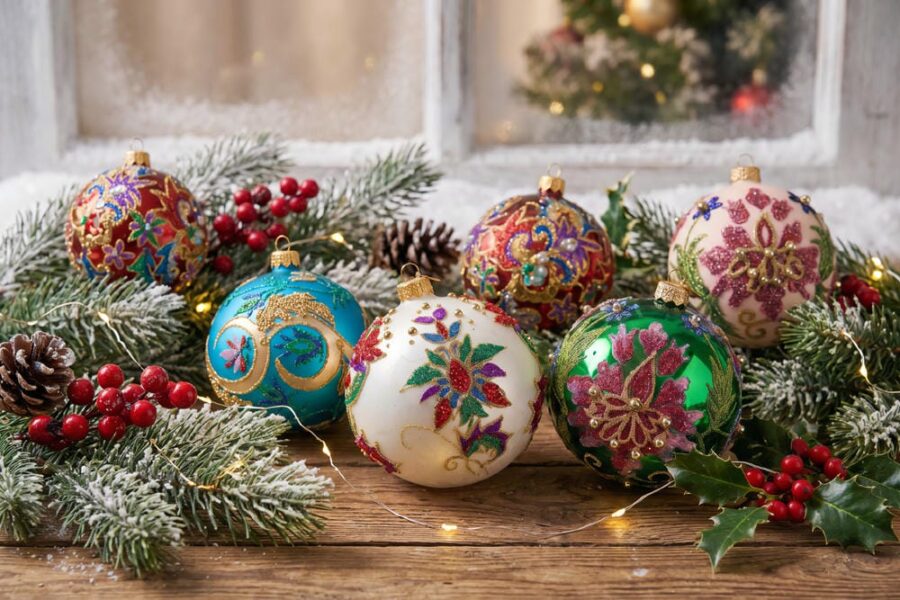
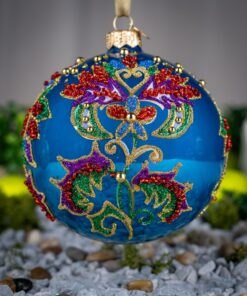
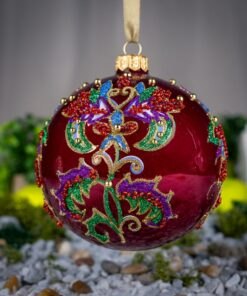
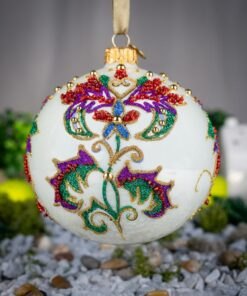
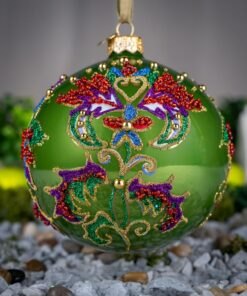
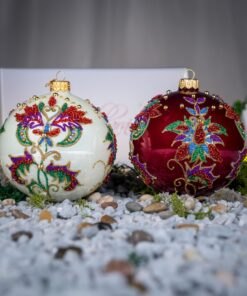
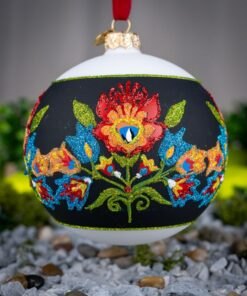
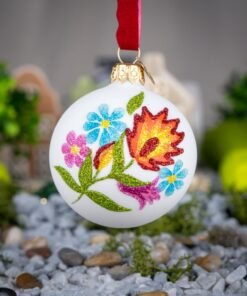
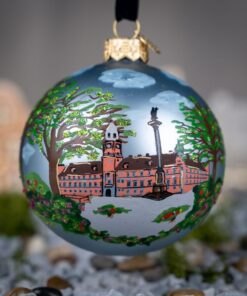
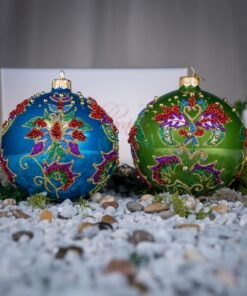
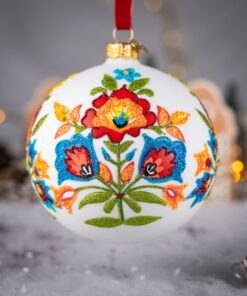
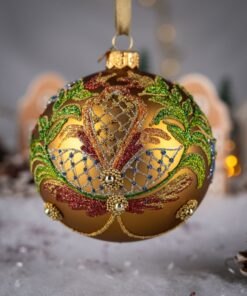
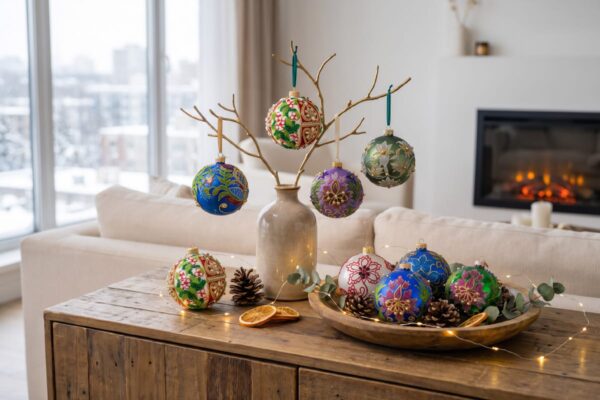
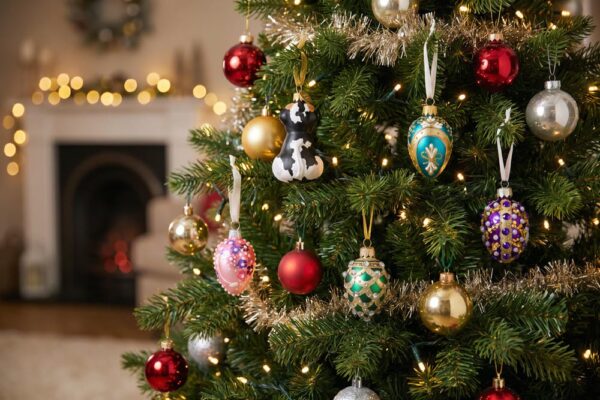
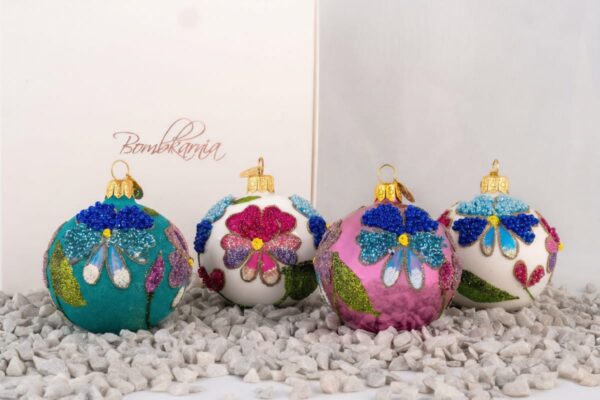
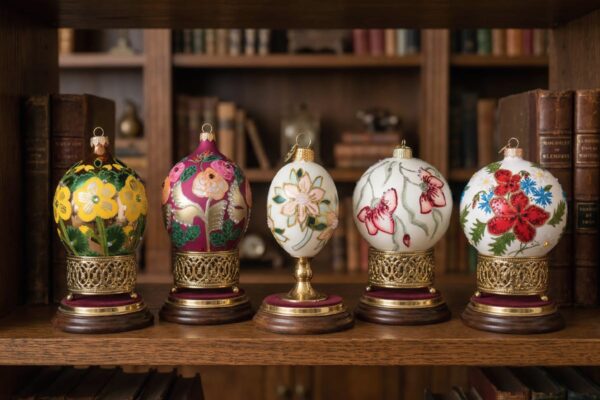
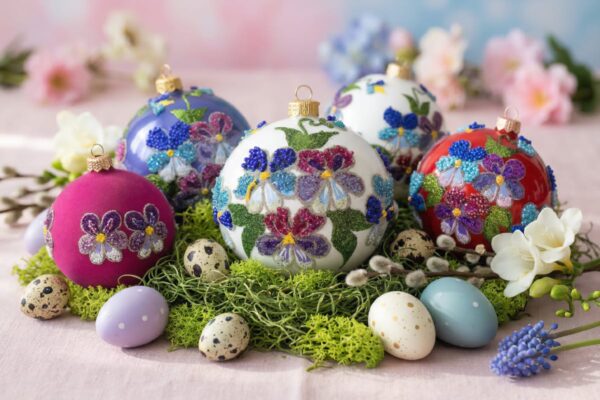
Glass baubles have adorned Christmas trees for over 170 years. This simple form has survived changing trends, symbolizing holiday tradition and craftsmanship. Their shine and perfect spherical shape fit any interior. Discover the history of this timeless ornament.
Every year, as the first ornaments appear on Christmas trees, round glass baubles hold a special place among them. This is no accident. For over 170 years, this simple, spherical form has managed to survive changing trends, materials, and interior design styles. Other ornaments have come and gone, while round glass baubles have remained a constant on Christmas tree branches worldwide.
The secret to this popularity lies in the combination of tradition, aesthetics, and craftsmanship. A round glass bauble is not just an ornament, but also a carrier of festive memories and culture. Its shine, depth of color, and perfect spherical shape make it look good on both a classic Christmas tree and in a modern, minimalist interior.
Round glass baubles as a symbol of enduring Christmas tradition
It is hard to imagine Christmas without the sparkle of glass spheres shimmering in the light of the lamps. Round glass baubles are one of the most recognizable symbols of the holidays worldwide. Their history dates back to the mid-19th century, and the roots of the tradition are deeply embedded in European glassmaking craftsmanship.
Where the tradition of decorating Christmas trees with round glass baubles comes from
The history of glass Christmas tree ornaments begins in 1847 in the town of Lauscha in Thuringia, in what was then Germany. Hans Greiner, an employee of the local glassworks, did not have money for traditional Christmas tree decorations such as apples, nuts, or cookies. He decided to blow hollow glass spheres, which he hung on the branches of his Christmas tree and which delighted his neighbors.
The first written records of glass Christmas baubles and the use of wooden molds for their production date back to 1848. The new form of decoration began to gain popularity rapidly, extending beyond Lauscha and saving the local glassworks from bankruptcy. By around 1880, glass ornaments had reached overseas, where the first set of baubles from Lauscha was sold in the United States.
It is worth noting that the tradition of decorating trees has much older, pre-Christian roots. Originally, apples, nuts, and fruits were hung on Christmas trees, symbolizing food for spirits during the ancient Yule festival. The glass sphere was a natural representation of these round, natural forms.
How Thuringian glassmaking shaped the modern bauble design
Lauscha had a rich glassmaking tradition long before the invention of the Christmas bauble. The first glass workshop was established there as early as 1597, so local craftsmen possessed centuries of knowledge in glass processing. It was this knowledge that allowed Hans Greiner and his successors to transform a simple idea into a true artistic craft.
In the mid-19th century, many small, family-run craft workshops were established in Lauscha. Men blew and shaped the ornaments, while women and children decorated and packed the finished products. In 1870, ceramic molds began to be used for shaping baubles, and later they were coated with graphite dust to achieve a smoother surface.
A breakthrough in the history of decorating glass balls was the widespread adoption of the method of silvering the interior. Based on Justus von Liebig’s discovery, the technique of coating glass with silver nitrate became extremely popular from 1867. Thanks to it, hand-blown glass baubles gained that characteristic, mirror-like shine that we know to this day.
Why the round shape of the bauble has survived for hundreds of years unchanged
The round shape of the bauble is not a coincidence or a result of fashion. A sphere is one of the most harmonious forms in nature, and its symmetry makes the ornament look good from every side. It is associated with an apple, an orange, or a pearl, which are symbols of abundance and beauty.
From a practical point of view, a sphere is the easiest shape to achieve by glass blowing. The craftsman forms a round shape with a single, controlled puff of air before the glass has a chance to cool. However, this technical simplicity does not diminish the aesthetics of the finished product.
Round glass baubles perfectly reflect the light of Christmas tree lamps, creating an effect of depth and movement that no other shape can imitate. That is why, despite the market knowing hundreds of different forms of ornaments today, the round sphere remains a classic, chosen by both traditionalists and modern decorators.
What makes a round glass bauble look better than plastic ornaments
The difference between a glass and a plastic bauble is visible to the naked eye, even from several meters away. Round glass baubles have a depth and shine that plastic simply cannot replicate. Below is a detailed description of where this advantage comes from.
Types of Christmas tree ornaments by material:
- Hand-blown glass, silvered on the inside
- Mass-produced glass, painted on the outside
- Plastic with metallized foil
- Matte plastic with print
The differences between these types of ornaments are clearly visible in Christmas tree arrangements. A glass ornament with a silver or gold interior reflects the light of the lamps in a natural and multidimensional way, while plastic only provides a flat, monotonous effect.
The shine and depth of glass versus the matte surface of plastic in Christmas decorations
Glass is a material with a unique optical structure. Light penetrates the thickness of the wall, reflects off the silvered interior, and returns through the outer layer of varnish. This creates an effect of depth inaccessible to plastics. A plastic bauble reflects light only from its outer surface, which gives a flat and less visually rich impression.
Upon closer inspection, a glass Christmas bauble reveals subtle irregularities, slight differences in wall thickness, and delicate color transitions, which are an inherent feature of handmade production. These imperfections make the ornament look lively and authentic. Plastic, on the other hand, is always identical, mechanically repetitive, and devoid of character.
The durability of hand-blown glass versus mass-produced plastics
Paradoxically, although glass is considered a fragile material, hand-blown glass baubles, when stored properly, can last for decades. In many Polish homes, there are ornaments passed down from generation to generation that have retained their full brilliance despite many years of use.
Plastic baubles, in turn, yellow, become dull, and crumble under the influence of temperature changes and UV radiation. Paints and prints on plastic fade after a few seasons. Glass does not change color over time, and a layer of silver and lacquer protects the ornament from the inside and outside.
How silvering and gilding the inside of a glass ornament creates a unique optical effect
The process of silvering the inside of an ornament involves introducing a silver nitrate solution into its interior. Under the influence of warm water, the substance reacts with the glass surface, creating a durable, mirror-like coating. The effect is similar to a classic mirror, but enclosed in a spherical shape, which creates a panoramic, distorted reflection of the surroundings.
Gilding the interior provides a warmer, more subdued effect. The gold coating absorbs and reflects light in a different spectrum than silver, giving the ornament a warm, amber glow. This difference causes silvered and gilded round ornaments to react differently to various Christmas light colors, opening up wide compositional possibilities.
What types of glass are used in the production of the highest quality round ornaments
Two main types of glass are used in the production of glass Christmas ornaments. Soda-lime glass and borosilicate glass (also known as Pyrex) have different thermal and optical properties. Their softening temperature ranges from approximately 600 to 800 degrees Celsius.
| Type of Glass |
Softening Temperature |
Properties |
Application |
| Soda-lime |
approx. 600°C |
Soft, easy to blow |
Standard baubles, handmade production |
| Borosilicate (sima) |
approx. 700–800°C |
Harder, more resistant |
High-quality baubles, thinner walls |
Borosilicate glass is more resistant to temperature fluctuations, which reduces the risk of cracks when stored in a cold place. Glass ornaments made from this material also have walls that can be produced thinner while maintaining adequate strength. This is precisely the type of glass used by artisans creating top-class ornaments.
Round glass baubles in styles from classic to modern
Round glass baubles are ornaments that are not limited to one decorating style. They work well in traditional arrangements with red and gold, as well as in modern compositions based on white and gray. This versatility is one of the key reasons for their enduring popularity.
How to combine round baubles in minimalist and Scandinavian arrangements
The Scandinavian style is based on simplicity, natural materials, and a subdued color palette. Dominant colors are white, gray, and brown, complemented by accents of green. In such arrangements, round glass baubles in white, silver, or transparent colors create a calm, elegant composition without an excess of visual stimuli.
In minimalist decorations, solid-colored or colorless baubles, devoid of patterns and excessive embellishments, work well. A few carefully selected, larger ornaments make a better impression than dozens of small, varied elements. The contrast between a matte tree and a shiny, round glass ball creates a beautiful balance.
Rules for selecting baubles for the Scandinavian style:
- Choose colors from the palette: white, silver, gray, nude, light blue
- Use baubles with a uniform, smooth surface without excessive embellishments
- Combine different sizes of balls, maintaining color consistency
- Complement with natural elements: pinecones, twigs, linen ribbons
Such a composition ensures that the Christmas tree fits into the overall interior design, rather than being a random element. Round glass baubles in a uniform color look particularly good in rooms with wooden furniture and natural lighting.
Which colors of round glass baubles dominate in decorating trends
The color palette of glass baubles is vast, but decorating trends highlight certain dominant colors each year. Classic combinations of gold and red still have many fans, especially in traditional arrangements in Polish homes. At the same time, the popularity of subdued and earthy colors is growing.
Among current trends, several color directions stand out:
Color palettes of glass baubles in styles:
- Classic: deep red, gold, bottle green
- Scandinavian: white, silver, ice blue, gray
- Boho: terracotta, rust, mustard, dark green
- Glamour: navy blue, black, gold, burgundy
Each of these palettes creates a cohesive festive atmosphere, but the style of the entire interior dictates the choice. The Christmas tree is a part of it and should create a harmonious whole with it, rather than existing as a detached decorative island.
Matte, Glitter, and Transparent Round Baubles: How to Choose Texture to Match Your Interior Style
The surface texture of a round glass bauble significantly influences its character and how well it fits into an interior style. Transparent baubles create a light, delicate effect. Matte baubles look modern and elegant. Glitter baubles or those with decorative overlays create rich, festive compositions.
In classic, warm interiors, baubles with a glossy or glitter finish work perfectly, emphasizing the festive opulence. In modern, minimalist spaces, matte or satin textures in subdued colors are a better fit. Transparent, colorless baubles are a universal choice that suits almost any style.
Tip: When mixing textures on a single Christmas tree, it’s worth maintaining color consistency. Combining matte, glossy, and glitter baubles in the same color palette creates a rich, yet not chaotic, effect.
Hand-Painted Glass Christmas Ornaments and Decorations at Bombkarnia
Bombkarnia is a Polish manufacturer of glass Christmas ornaments and decorations, operating continuously since 2006. All products are handmade in the studios of Polish visual artists, making each ornament unique. Inspirations drawn from Polish folklore, folk fabrics, regional cutouts, and Baroque art give the collections a distinctive character.
Twice a year, in spring and winter, new collections are released, created in line with current trends presented at international trade fairs. Constant attention to quality craftsmanship ensures that ornaments from Bombkarnia are considered exclusive and collectible.
Glass Baubles and Figurines for Every Occasion
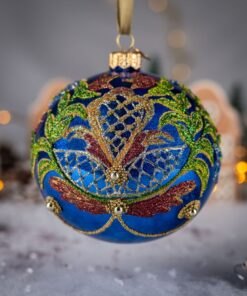
The store’s assortment includes a wide range of hand-decorated glass products. The offer for Christmas features classic round baubles decorated with Polish embroidery, floral patterns, and glitter ornaments. A separate group includes figurine baubles, depicting angels, snowmen, Christmas trees, fairy tale characters, and dinosaurs, among others.
Types of hand-decorated glass ornaments:
- Round baubles with regional and folk embroidery patterns
- Mouth-blown glass figurines in the shapes of characters and animals
- Tree toppers with hand painting
- Wedding baubles as a memento for a special occasion
- Ornaments from limited collections
Each of the listed groups is created through a manual decoration process, which involves several stages of applying layers of paints, glitters, and varnishes. This labor-intensive process is what makes each piece unique.
Check products in Round Baubles at Bombkarnia Shop
Easter Decorations and Ornaments for Every Season
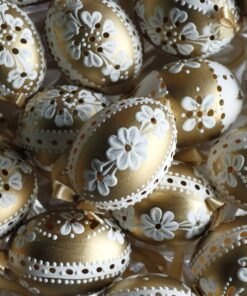
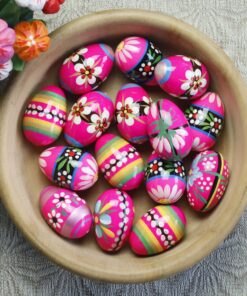
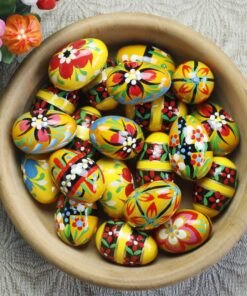
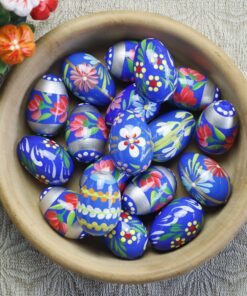
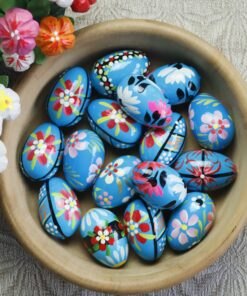
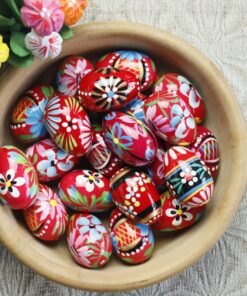
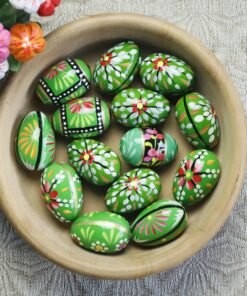
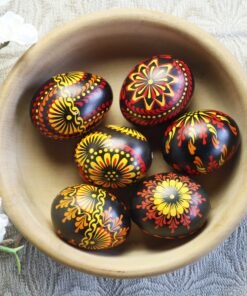
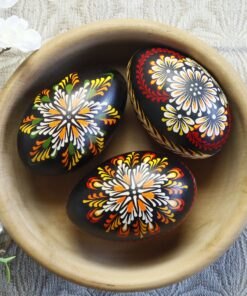
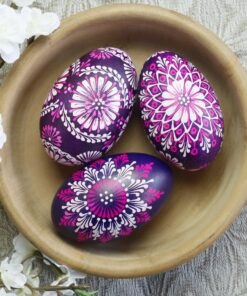
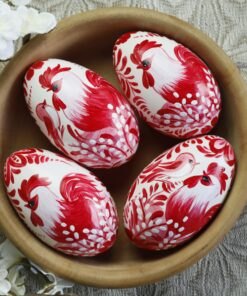
Bombkarnia is not limited to Christmas ornaments. A rich offering includes Easter decorations, such as hand-painted glass Easter eggs, ceramic flowers, and spring figurines. Both the winter and spring collections maintain a cohesive aesthetic of Polish artistic craftsmanship.
The Bombkarnia online store ships orders throughout Poland and abroad, and numerous satisfied customers regularly share positive feedback about the service and fast shipping. Years of experience allow for the fulfillment of custom orders, including the design of custom baubles. Every order, from design to packaging, is handled with the utmost care.
All available ornaments and collections can be found in the Bombkarnia online store. For those who prefer in-person shopping, information about the physical store is available. If you have questions about availability, custom orders, or seasonal collections, the contact page allows for quick communication with the Bombkarnia team.
Check products in Easter at Bombkarnia Shop
How to Identify High-Quality Round Glass Baubles and Choose Durable Ornaments
Not every glass Christmas bauble is of the same quality. Differences are noticeable upon first touch and inspection. Familiarity with a few simple indicators allows you to distinguish a handcrafted ornament from a mass-produced item and make an informed choice.
Signs of Handcrafted Round Glass Baubles to Look For
A hand-blown round glass bauble differs from a machine-made one by subtle irregularities in its shape. The sphere is not mathematically perfect, and the glass walls have slightly varying thickness in different areas. This is not a flaw but a characteristic of craftsmanship.
On the surface of a handmade ornament, you can see faint traces of the torch and tools. The painting is fluid, with visible brushstrokes in figurative designs. The metal or wooden cap (so-called “hat”) is usually more securely attached than on mass-produced baubles.
Identifying features of handcrafted baubles:
- Slight asymmetry in the spherical shape
- Individual differences in wall thickness
- Visible traces of hand painting
- Durable cap with a metal hanger
- Evenly distributed silver or gold coating inside
Hand production also means greater care in decoration. The four-stage decoration process, which includes applying primer, background, ornaments, and glitter accents, is characteristic of artisanal high-quality glass baubles.
Wall Thickness, Weight, and Coating as Indicators of Glass Bauble Durability
Wall thickness is one of the most important indicators of the quality of a round glass bauble. Walls that are too thin will crack with a slight impact or temperature fluctuations. Conversely, walls that are too thick make the bauble heavy and lose its delicacy. The optimal thickness for a bauble with a diameter of 8–10 cm is between 1.5 and 2.5 millimeters.
The weight of the ornament should be proportional to its size. A bauble that is too light suggests very thin walls or the use of lower-quality glass. One that is too heavy indicates uneven application of lacquer layers or walls that are too thick. An experienced collector can sense the proper weight just by holding the ornament in their hand for a moment.
The internal silver or gold coating is equally important. A good bauble has a uniform coating, without spots or gaps. Translucent areas indicate an improper silvering process. On the outside, the lacquer layer should be smooth, scratch-resistant, and impermeable to moisture.
Tip: When purchasing round glass baubles, it is worth examining the inside of the ornament at an angle, directing it towards a light source. A uniform, intense shine without translucencies or dull spots is a sign of good silvering quality and the overall durability of the ornament.
FAQ: Frequently Asked Questions
Are round glass baubles durable and how long can they last?
Round glass baubles, with proper storage and use, retain their full luster for decades. It is not uncommon for ornaments from the 1970s and 1980s to still adorn Christmas trees in Polish homes, passed down from generation to generation. The key to their longevity is a stable storage temperature, between 10 and 20 degrees Celsius, and low air humidity.
Excessive moisture causes the lacquer on the glass bauble to start peeling, and the silver coating loses its shine. Therefore, storing ornaments in a basement or an unheated attic is inappropriate. A dry, dark place with a stable temperature is essential for preserving their quality for many years.
How to properly clean round glass baubles without damaging the coating?
Cleaning Christmas glass baubles requires gentleness and the right products. A soft microfiber or cotton cloth, dampened with a solution of water with a little vinegar or an alcohol-based glass cleaner, removes dust and dull deposits without damaging the outer lacquer layer.
Never use rough cloths, scouring pads, or harsh detergents, as they will permanently scratch the glass surface. Bombkarnia with glitter or hand-painted decorations should only be cleaned with a dry brush, gently sweeping away the embellishments. Each ornament should be cleaned separately, holding it firmly by the cap, not the glass body of the bauble.
How to Properly Store Round Glass Baubles After the Holiday Season?
Proper storage begins the moment the baubles are taken off the Christmas tree. Each ornament is removed individually, holding it by the cap, and gently placed on a soft surface. Before packing, it is advisable to remove dust from the surface with a dry brush, and then place each round glass bauble in a separate bag or wrap it in tissue paper.
The storage box should have compartments to prevent the ornaments from bumping into each other. Rigid containers with transparent lids are best, allowing for identification of the contents without opening. Baubles should be arranged from heaviest at the bottom to lightest at the top, and any empty spaces should be filled with tissue paper. Exposure to sunlight in the storage area causes colors to fade.
Older and more delicate ornaments should be stored in separate, clearly marked containers, away from heavier items. Original manufacturer boxes for baubles provide the best fit and protection.
What is the Difference Between Handmade Round Glass Baubles and Mass-Produced Ones?
The difference between hand-blown glass baubles and mass-produced ornaments is evident in both appearance and durability. Artisan ornaments have slight asymmetry in their spherical shape and individual variations in wall thickness, which are natural characteristics of human craftsmanship, not manufacturing defects. The shape is almost, but not mathematically, perfect.
Hand production of glass baubles involves multi-stage decoration: applying the primer, background, ornaments, and glitter accents sequentially. The painting is fluid, with visible brushstrokes. Mass-produced baubles have printed or sprayed designs that are repetitive and lack individual character. The cap on artisan ornaments is more permanently attached, and the internal silver or gold coating is applied more carefully, without showing through.
Summary
Round glass baubles have adorned Christmas trees for over 170 years because they combine what other ornaments cannot offer simultaneously: depth of color, the brilliance of glass, the strength of tradition, and aesthetic versatility. From Lausha through Polish manufactories to contemporary stores, this spherical form of blown glass remains the most beautiful symbol of Christmas.
Choosing a high-quality round glass bauble is an investment for many years. Understanding the silvering process, types of glass, and characteristics of handmade production allows for a conscious selection of an ornament that will not only delight this year but will be passed down to future generations as part of family holiday tradition.

 PL
PL
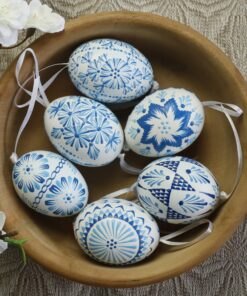 Regional easter egg - Lusatian chicken egg
1 × 70.00 zł
Regional easter egg - Lusatian chicken egg
1 × 70.00 zł